Living in Cancun: the ultimate expat guide
Everything you need to know for a successful life in Cancun.
Cancun sits on Mexico's Caribbean coast in the state of Quintana Roo, offering expats a unique blend of tropical lifestyle, modern infrastructure, and rich Mayan heritage. Originally developed as a planned tourist destination in the 1970s, this city of over 900,000 residents has evolved into a thriving hub for international professionals, retirees, and digital nomads seeking year-round sunshine and an affordable quality of life.
The city divides into three distinct areas: the famous Hotel Zone (Zona Hotelera) with its stunning beaches and resorts, Downtown Cancun (El Centro) where most residents live and work, and the surrounding residential developments. With Cancun International Airport offering direct flights to over 100 destinations, connectivity to North America and Europe remains exceptional.
5 Good Reasons to Move to Cancun
- Year-round tropical climate with average temperatures between 24°C and 33°C (75°F–91°F).
- Lower cost of living compared to major North American and European cities.
- World-class beaches and access to the Caribbean Sea for water sports and relaxation.
- Growing expat community with English widely spoken in business and healthcare.
- Gateway to Mayan culture with ancient ruins, cenotes, and eco-parks nearby.
Working in Cancun
Cancun's economy is driven primarily by tourism and hospitality, which employs the majority of the local workforce. The city welcomes millions of visitors annually, creating continuous demand for professionals in hotels, restaurants, travel agencies, and related services. Beyond tourism, growing sectors include real estate, construction, and digital services.
Employment Opportunities
Foreigners seeking employment in Cancun typically find opportunities in hospitality management, international sales, teaching English, and remote work. The rise of digital nomadism has made Cancun attractive for those who work online while enjoying the Caribbean lifestyle. Many international companies in the Hotel Zone seek bilingual professionals with experience in customer service and tourism management.
Work Permits and Requirements
To work legally in Mexico, foreigners must obtain a Temporary Resident Visa with work authorization or have their employer sponsor a work permit. The process typically begins at a Mexican consulate abroad. Freelancers and remote workers earning income from outside Mexico can reside on a Temporary Resident Visa without a specific work permit, though tax obligations apply.
The following table shows key employment indicators for the Quintana Roo region:
Unemployment Rate (Quintana Roo, Q1 2025) | 2.38% |
Average Monthly Salary (Quintana Roo) | MXN 8,380 (~USD 420) |
Main Employment Sectors | Tourism, Retail, Construction |
Sources: Data México – Quintana Roo, OECD Employment Outlook 2024
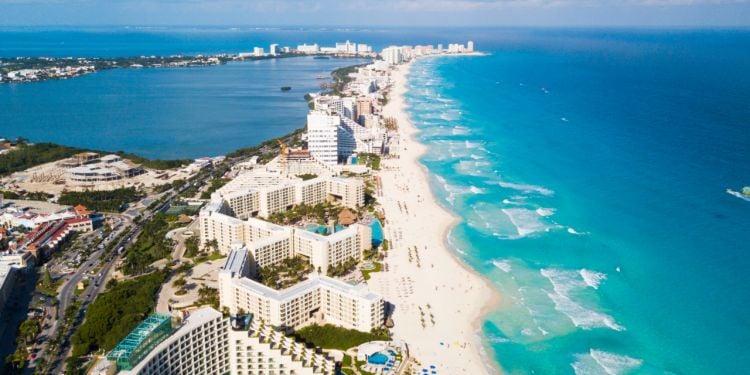
Working in Cancun
Cancun and surrounding areas are popular destinations for both tourists and expatriates alike. Cancun is the largest city in the Mayan Riviera, a ...
Higher Education & Universities
Cancun offers several options for higher education, with universities providing programs in hospitality, business, and tourism management—fields closely aligned with the local economy. International students benefit from programs taught in English and exchange opportunities with institutions worldwide.
Universidad Anáhuac Cancún
The most prominent university in Cancun is Universidad Anáhuac Cancún, part of the prestigious Anáhuac University Network spanning 18 countries. Ranked among the top 3 universities in Mexico, it offers 8 undergraduate programs entirely in English and attracts students from over 43 nationalities. Located in the southern part of the city near the Caribbean coast, the campus provides modern facilities and strong industry connections.
Popular programs include International Business, Hotel Management, Tourism, Marketing, and Communications. Tuition for international students averages approximately EUR 2,490 per semester. The university maintains exchange agreements with institutions across North America, Europe, and Latin America.
Other Institutions
Additional higher education options include the Instituto Tecnológico de Cancún (ITC), known for engineering programs, and Universidad Politécnica de Quintana Roo (UPQROO), which specializes in technology and applied sciences. The Universidad La Salle Cancún provides programs rooted in Catholic educational values with strong business curricula.
For more information:
Retirement in Cancun
Cancun has become an increasingly popular retirement destination for North Americans seeking warm weather, affordable healthcare, and proximity to home. The city's modern infrastructure, established expat community, and relaxed lifestyle make it an attractive option for those planning their retirement abroad.
Retirement Visas
Mexico offers two main visa pathways for retirees: the Temporary Resident Visa (valid for up to 4 years) and the Permanent Resident Visa (indefinite stay). Financial requirements for 2025 include:
Temporary Resident Visa – Monthly Income | ~USD 4,300 |
Temporary Resident Visa – Savings Alternative | ~USD 73,000 |
Permanent Resident Visa – Monthly Income | ~USD 7,300 |
Permanent Resident Visa – Savings Alternative | ~USD 293,000 |
Sources: Mexperience, International Living
Healthcare for Retirees
Cancun offers quality private healthcare at costs significantly lower than the United States or Canada. Private hospitals like Hospiten Cancun and Galenia Hospital feature English-speaking staff and international accreditation. A doctor's consultation typically costs MXN 500–700 (USD 25–35), while private health insurance for retirees averages USD 150–300 per month depending on coverage.
Retirees with Temporary or Permanent Residency may also enroll in IMSS (Mexico's public healthcare system) for an annual fee of approximately USD 500–600, providing access to public hospitals and clinics.
Retirement Lifestyle
Many retirees settle in quieter areas like Puerto Juarez, Playa Mujeres, or nearby Isla Mujeres for a more relaxed pace while maintaining access to Cancun's amenities. Active social clubs, golf courses, and volunteer opportunities help newcomers integrate into the community.
Schooling for Children
Expat families in Cancun have access to a variety of educational options, from local Mexican schools to international institutions offering curricula recognized worldwide. The city's growing international community has driven demand for bilingual and international schooling at all levels.
International and Bilingual Schools
The International American School of Cancun (CIAC), founded in 1990, provides a bilingual, bicultural education from preschool through high school. Accredited by Cognia (SACS/AdvancED) in the United States and Mexico's Secretariat of Public Education (SEP), it follows an American-style curriculum with instruction in English and Spanish. Students can take SAT, ACT, and AP examinations for university admission.
Monteverde International School offers Cambridge IGCSE and A-Level programs with instruction primarily in English. With 27 years of experience, it emphasizes a multicultural environment and personalized learning paths. The school is SEP-accredited and prepares students for universities worldwide.
Enrollment and Fees
International school tuition in Cancun typically ranges from USD 5,000 to USD 12,000 per year, depending on the grade level and institution. Enrollment usually requires transcripts, immunization records, and often an entrance assessment. The school year follows the Mexican calendar, running from August to June.
Homeschooling is also permitted in Mexico, with no specific laws prohibiting it. Some expat families choose this option, particularly those who travel frequently or prefer flexibility.
For more information:
Housing & Neighbourhoods
Cancun offers diverse housing options ranging from affordable downtown apartments to luxury beachfront condos. Rental prices vary significantly depending on proximity to the beach, with the most affordable options found in residential neighborhoods away from the tourist areas.
Popular Neighbourhoods for Expats
Downtown Cancun (El Centro) provides the most authentic local experience with affordable housing, easy access to markets, shops, and restaurants. Neighbourhoods like Supermanzana 15, 17, and 18 are popular among expats for their central location and reasonable rents. Puerto Cancun offers upscale living with a marina, golf course, and modern shopping facilities—ideal for those seeking a more luxurious lifestyle. The Hotel Zone appeals to those who want immediate beach access, though rents here are the highest in the city.
Family-friendly areas include Residencial Cumbres and Alamos, which offer gated communities, green spaces, and proximity to schools. For a quieter atmosphere, Puerto Juarez and nearby Isla Blanca provide coastal living at more moderate prices.
Rental Prices
The following table shows typical monthly rents in Cancun:
1-bedroom apartment (Downtown) | USD 500–650/month |
3-bedroom house (Residential area) | USD 750–1,000/month |
2-bedroom condo (Hotel Zone) | USD 1,250–2,000/month |
Luxury beachfront condo (Puerto Cancun) | USD 2,000–3,500/month |
Sources: Numbeo, Mexico Relocation Guide
Long-term rentals typically require a deposit equal to one month's rent and may request a co-signer (fiador) or additional deposit for foreigners. Working with a reputable real estate agent can simplify the process.
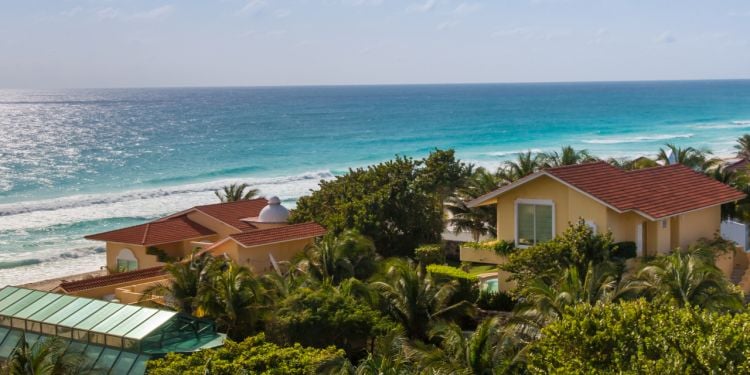
Accommodation in Cancun
Like in other parts of Mexico, the best way to find accommodation in Cancun is by searching for one while you're in the city. Although some ...
Leisure, Culture & Things To Do
Living in Cancun means having world-class beaches, Mayan heritage sites, and natural wonders at your doorstep. The city and surrounding region offer endless opportunities for outdoor adventure, cultural exploration, and social activities.
Beaches and Water Sports
The Hotel Zone features over 20 kilometers of white-sand beaches along the Caribbean coast. Popular spots include Playa Delfines, known for its scenic views and the iconic Cancun sign, and Playa Tortugas for calmer waters. Water activities abound: snorkeling, scuba diving, paddleboarding, jet-skiing, and sailing are readily available. The nearby MUSA Underwater Museum offers unique diving experiences among submerged sculptures.
Mayan Heritage and Museums
The Museo Maya de Cancún houses over 3,500 Mayan artifacts and connects directly to the San Miguelito archaeological site, featuring temple ruins from the 12th–15th centuries. The museum offers English-language exhibits and stunning views of the Nichupté Lagoon. Nearby, the El Rey Ruins provide an accessible introduction to Mayan architecture within the Hotel Zone.
Day trips to Chichén Itzá (2.5 hours), Tulum (1.5 hours), and Cobá (2 hours) allow exploration of major archaeological sites. The new Tren Maya makes these excursions more convenient than ever.
Parks, Nature & Nightlife
Eco-parks like Xcaret, Xel-Há, and Xplor offer all-day entertainment combining nature, culture, and adventure. Cenotes (natural swimming holes) are scattered throughout the region, with Cenote Azul and Gran Cenote among the most popular.
For nightlife, the Hotel Zone's party district features clubs like Coco Bongo and Mandala. Downtown offers a more local atmosphere with craft beer bars, live music venues, and traditional Mexican cantinas.
Daily Life
Daily life in Cancun blends the relaxed pace of Caribbean living with modern urban conveniences. Residents enjoy easy access to beaches, outdoor activities, and a growing selection of international restaurants and shopping centers.
Transportation
Public transportation in Cancun is affordable and reliable. Local buses (R1 and R2 routes) run along Boulevard Kukulcan through the Hotel Zone and Downtown, costing approximately MXN 12–15 (less than USD 1) per ride. Buses operate from early morning until midnight, with frequent service every 10–15 minutes.
For regional travel, ADO buses connect Cancun to destinations across the Yucatan Peninsula, including Playa del Carmen, Tulum, and Merida. The main ADO terminal is located downtown on Avenida Uxmal. The new Tren Maya (Maya Train) now operates from Cancun Airport, offering scenic rail connections to Valladolid, Merida, and other destinations along the peninsula.
Taxis and ride-sharing services like Uber and DiDi are widely available. Short taxi rides within the city typically cost MXN 40–80 (USD 2–4). Many expats choose to own or rent cars for convenience, especially those living outside the main transit corridors.
Shopping and Lifestyle
Cancun offers extensive shopping options, from local markets like Mercado 23 and Mercado 28 to modern supermarkets including Walmart, Chedraui, Costco, and Soriana. Shopping malls such as Plaza Las Américas and La Isla Shopping Village provide international brands and entertainment.
Healthcare facilities are modern and accessible, with several private hospitals offering English-speaking staff. Hospiten Cancun and Galenia Hospital are popular choices among expats for their international standards of care.
Cost of Living
Cancun offers a comfortable lifestyle at a fraction of the cost of major North American cities. While it ranks among the more expensive cities in Mexico due to tourism, expats can live well on moderate budgets by choosing residential neighborhoods and shopping locally.
Monthly Budget for a Single Person
The following table provides estimated monthly expenses for a single expat living a moderate lifestyle:
Category | Monthly Cost (USD) |
Rent (1-bedroom, Downtown) | USD 550–650 |
Utilities (electricity, water, internet) | USD 80–120 |
Groceries | USD 200–300 |
Transportation | USD 40–80 |
Dining out & Entertainment | USD 150–250 |
Health Insurance (private) | USD 75–200 |
Total (Single Person) | USD 1,200–1,500 |
Monthly Budget for a Family of Four
Category | Monthly Cost (USD) |
Rent (3-bedroom house) | USD 900–1,200 |
Utilities | USD 120–180 |
Groceries | USD 450–600 |
Transportation | USD 100–150 |
International School (1 child) | USD 500–800 |
Health Insurance (family) | USD 200–400 |
Leisure & Miscellaneous | USD 300–400 |
Total (Family of Four) | USD 2,500–3,500 |
Sources: Numbeo, MyCasa Mexico
In short
Cancun offers expats the rare combination of Caribbean beauty, modern convenience, and cultural richness. Whether you're drawn by the turquoise waters, the affordable lifestyle, or the opportunity to immerse yourself in Mayan heritage, this dynamic city delivers on its promises. With reliable infrastructure, quality healthcare, international schools, and a welcoming expat community, Cancun provides the foundation for a fulfilling life abroad. The city continues to grow and evolve, offering new opportunities for those ready to embrace the Mexican Caribbean lifestyle.
Ready to connect with others who have made the move? Join the Cancun forum on Expat.com to ask questions, share experiences, and find your community in this tropical paradise.
We do our best to provide accurate and up to date information. However, if you have noticed any inaccuracies in this content, please contact us.


Essential services for your expat journey