

Living in Greece: the ultimate expat guide
Everything you need to know for a successful life in Greece.
Greece attracts thousands of French-speaking expatriates every year, drawn by its Mediterranean climate, exceptional historical heritage, and relaxed lifestyle. As the cradle of Western civilization, the country offers a unique living environment amidst turquoise seas, charming villages, and vibrant metropolises. Greece blends modern infrastructure with ancient traditions, all while boasting a cost of living that is generally more affordable than in many Western European countries.
Greece has approximately 10.4 million residents and attracts a significant number of foreigners, with a majority being European nationals. The French community is estimated to comprise approximately 18,000 people, primarily residing in Athens, Thessaloniki, and the islands.
5 great reasons to choose Greece
- An ideal climate: over 300 days of sunshine per year and mild temperatures year-round.
- A unique cultural heritage: archaeological sites, museums, and vibrant traditions.
- A Mediterranean lifestyle: warmth, simplicity, and a balance between work and leisure.
- An appealing cost of living: housing, food, and services are cheaper than in France.
- A strategic geographical location: at the crossroads of Europe, Asia, and Africa.
The Expat.com guide has been designed to help you prepare your relocation to Greece in the best possible way. You’ll find all the essential information regarding entry and residency requirements, visas, employment, healthcare, housing, and daily life.
Official language: Greek | Local currency: Euro (€) | Time difference with France: +1 hour compared to France (both summer and winter) | Flight duration Paris - Athens: Approximately 3 hours |
Formalities and visas in Greece
Whether you're visiting Greece for a short stay or planning to settle down permanently, certain administrative steps are necessary. The requirements vary depending on your nationality and the duration of your stay.
French citizens and, broadly speaking, other Europeans enjoy the freedom of movement within the European Union. A valid ID card or passport is sufficient for entering Greece and staying there for up to three months without any other formalities. If you plan to stay beyond three months, you’ll need to register with the appropriate authority (usually the foreign police office) to obtain a residence certificate. At the same time, apply for your Greek tax number (AFM). This document is often required to open a bank account, rent accommodation, or work.
Non-European citizens need to obtain a suitable visa. For a tourist or short stay (up to 90 days), a Schengen visa may be required depending on your nationality. If you intend to settle or stay for over 90 days, you will need to apply for a national type D visa at the Greek consulate in your country of residence. The type of visa and required documentation vary based on your plans (work, study, retirement, etc.). Once in Greece, the process is the same as for EU nationals (registration with the relevant authority, applying for a tax number, etc.).
Greece also offers a visa for digital nomads.
💡 Useful tips
- Start your application process several months before departure, especially if you are a non-EU citizen.
- Gather your essential documents (diplomas, civil status certificates, and marriage certificates) and have them translated if necessary.
- Quickly request your Greek tax number (AFM), which is essential for most administrative procedures.
- Once on site, the French embassy and consulate will be your primary points of contact.
📍 Going further

Work visas for Greece
Greece is a popular destination for foreigners looking to work and live in the EU, but navigating ...
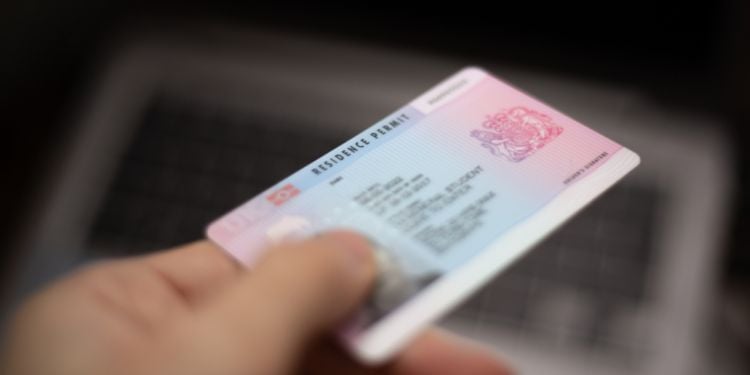
Residence permits in Greece
Obtaining a residency permit is crucial if you want to remain in Greece as an expat, allowing you ...
Travelling to Greece
Before booking your flight to Greece, it's wise to familiarise yourself with the travel ...
Working in Greece
The Greek economy is on the road to recovery, and the job market is slowly improving. The most in-demand sectors include tourism, hospitality, agriculture, construction, and services. English is widely spoken in professional settings, especially in tourist areas, but proficiency in Greek is still a significant advantage for access to more opportunities.
Starting a business is straightforward for European nationals, as they can set up shop without complex procedures. Greece promotes entrepreneurship through various administrative simplification measures.
In-demand profiles:
- Tourism and hospitality professionals
- Agricultural and seasonal workers
- Construction and engineering trades
- Digital specialists and digital nomads
- Healthcare professionals
💡 Key points to remember
- The job market is recovering, but competition remains strong for skilled positions.
- The minimum wage is approximately €880 gross.
- A visa for digital nomads allows you to work remotely from Greece.
- Internships are available and provide a great entry point into the job market.
Unemployment rate: 9.5% (2024) | Legal work hours: 40 hours/week, maximum 48 hours per week | Minimum wage: €880 gross | Income tax: progressive, from 9% to 44% | Corporate tax: 22%; VAT at 24% |
📍 Further reading

Working in Greece
If you're thinking about finding a job in Greece as an EU-EEA citizen or a third-country ...

Setting up a business in Greece
Starting your own company or being self-employed in Greece is not easy for non-locals, let alone ...

Labour market in Greece
The labor market in Greece has undergone significant changes over the past decade, largely as a ...
Studying in Greece
Greece is attracting a strong influx of international students thanks to its exceptional cultural heritage and the quality of its higher education. The country boasts 24 public universities, each renowned for its academic excellence. Among the most prestigious are the National and Kapodistrian University of Athens (founded in 1837, it is the first modern university in Greece), the Aristotle University of Thessaloniki (the largest university in the country with over 45,000 students), and the National Technical University of Athens, a leader in the field of engineering.
Why study in Greece?
Greek universities offer high-quality education across various fields, with programs available in both Greek and English, particularly at the master's level. The country provides a unique study environment enriched by millennia of history and modernization, all set in a pleasant Mediterranean lifestyle. Public higher education is free for EU nationals at the undergraduate level, which is a significant financial advantage. Master's programs, however, do incur fees that vary based on specialization and university. Overall, the cost of living is quite affordable compared to Western Europe, and a reasonable student budget is sufficient to cover housing, everyday expenses, and leisure activities.
💡 Our tips
- Check the language of instruction before applying, as some programs require a good command of Greek.
- For programs in Greek, you will need to obtain a Certificate of Greek Language issued by the University of Athens or Thessaloniki.
- Plan for your student housing search, as university accommodations are limited and shared living arrangements are very common.
- Learn about the equivalencies of diplomas and the enrollment procedures specific to each university.
📍 Further reading

Study in Greece
If you're thinking of studying in Greece, you'll certainly be in good company — after all, how many people can claim they studied ...
Retiring in Greece
Greece has become a popular destination for retired expats, particularly for those from France, thanks to its favorable tax regime and a pleasant Mediterranean lifestyle. Although not a traditional retirement hub, many expats choose to stay or settle here to enjoy a mild climate and affordable cost of living.
3 key benefits
- Favorable Taxation: Under certain conditions (such as transferring your tax residence to Greece and not being a tax resident in Greece for 5 of the 6 years before the transfer), there is a special regime that imposes a flat rate of 7% on foreign-source income (including retirement pensions) for up to 15 years.
- Affordable Cost of Living: The standard of living in Greece is often lower than in many parts of France, allowing a typical French pension to comfortably cover housing, food, and leisure activities.
- Climate and Lifestyle: A pleasant Mediterranean environment, rich cultural heritage, and access to quality healthcare make Greece an attractive place to settle.
💡 Important points
- This regime does not apply to everyone: certain pensions (for example, those from public service) may be excluded or subject to different terms. It's essential to check the applicable tax treaty between France and Greece.
- The application for the 7% tax regime must be submitted before March 31 of the year following your transfer of tax residence to Greece.
- For a single person residing in a popular Athens neighborhood, budget around €1100 to €2200/month, including accommodation, depending on your chosen standard of living.
Finance and banks in Greece
Managing your budget well is crucial for a successful expatriation in Greece. The country boasts a stable banking system, overseen by the Bank of Greece, and offers an attractive tax regime for certain expatriate profiles. Since the end of the financial crisis, the banking sector has been operating normally, and capital controls were lifted in 2019.
💡 Our tips
- Obtain your Greek tax number (AFM) as soon as you arrive. This 9-digit number is essential for opening a bank account, signing a lease, paying your taxes, and completing most administrative tasks. You can now apply for it online from France.
- Open a local bank account quickly to facilitate your payments and transfers. The main Greek banks include Piraeus Bank, Alpha Bank, Eurobank, and the National Bank of Greece. Be sure to bring your passport, proof of address, and your AFM number.
- The tax treaty between France and Greece helps avoid double taxation. Make sure to learn about your filing obligations in both countries, particularly through the online platform Taxisnet for your Greek tax declarations.
- Taxes in Greece are progressive, with a maximum rate of 44% on income; however, certain special regimes exist for new residents and retirees.
- Keep your French bank account for at least a while to help you manage your finances during the transition.
📍 Going further


Health care in Greece
The Greek health system operates on a mixed model that combines a public national health system with a private sector:
- In the public sector, healthcare is accessible for residents affiliated with social security (EFKA) through the AMKA number. Consultations tend to be free or low-cost (generally 0 to 5 € for a general practitioner and 10 to 30 € for a specialist), though waiting times can be long, sometimes stretching from several weeks for an appointment to a few months for certain tests. The quality of care can vary by region, with better facilities typically found in larger cities.
- In the private sector, care is quick, and the facilities are modern. Consultations are more expensive (40 to 80 € for a general practitioner, 60 to 120 € for a specialist), and childbirth can cost between 2,000 and 5,000 € depending on the establishment. Many expatriates opt for private insurance, with rates ranging from 80 to 150 € per month for basic coverage, and 200 to 350 € for comprehensive international insurance.
💡 Important information
- In case of a medical emergency, dial 166 for Greek ambulance services (EKAV) or call 112, the European emergency number, which offers English-speaking operators.
- No vaccinations are mandatory for entering Greece, but universal vaccines (DT-Polio, hepatitis B), along with those for hepatitis A and typhoid, are recommended for long stays.
- Pharmacies are easily accessible, and well-trained pharmacists can advise on over-the-counter medications. Note that some medications available in France are banned in Greece.
- The Greek system tends to favor planned cesarean sections over natural births, although both options are available.
📍 To learn more

The healthcare system in Greece
The country where Hippocrates, the father of Western medicine, was born, has a long way to go ...

Accidents and emergencies in Greece
When traveling to Greece, it's important to know the emergency contact numbers in case of an ...

Pregnancy in Greece
Pregnancy is a unique and transformative experience that women across the world go through. ...
Education and schools in Greece
The Greek school system is mandatory for children aged 5 to 15, encompassing pre-kindergarten (the final year of nursery), primary school for six years, followed by secondary education, which includes the gymnasio (middle school) for three years, and then high school for another three years. Public education is free, but it is delivered almost exclusively in Greek, making it a more suitable option for families planning a long-term move who wish for complete immersion.
- Local public schools: These are free for residents who have a social security number (AMKA). They provide a good quality education, entirely in Greek. Expat students can integrate into the system, but language support is often necessary, especially beyond the primary level.
- Local private schools: Commonly found in larger cities, these schools offer programs primarily in Greek, with some enhanced English courses. Tuition fees vary depending on the reputation of the institution, typically ranging from €3,000 to €8,000 per year. These schools are often better equipped and more flexible than public options.
- French schools: Greece has two establishments recognized by AEFE: the Lycée Franco-Hellénique Eugène-Delacroix in Athens and the French School of Thessaloniki. They offer an education aligned with the French system, from nursery to high school. Tuition fees vary by school and level, generally ranging from €4,000 to €6,800 per year. French families can also apply for scholarships based on their financial situation.
- International schools: Mainly located in Athens and Thessaloniki, these institutions offer British, American, or International Baccalaureate (IB) programs. Some of the most well-known include St. Catherine’s British School, ACS Athens, International School of Athens, and Deutsche Schule Athen. International schools in Greece tend to be among the most expensive: depending on the school and level, annual tuition fees usually range from €7,900 to €16,500.
💡 Practical tips
- Enroll your children as early as possible: French and international schools often have waiting lists.
- A network of unaccredited French-language kindergartens also prepares children for entry into the CP class at the Lycée Franco-Hellénique.
- Check the school schedules, hours, and extracurricular activities, which can differ from those in France.
📍 Further reading
Accommodation in Greece
The Greek real estate market has recovered since the financial crisis, leading to a rise in rental prices, especially in Athens. Despite this, finding accommodation in Greece remains more affordable than in most Western European countries. Renting is the preferred option for expatriates at first, with contracts typically lasting for 3 years and terminable after one year. The security deposit usually amounts to 1 to 2 months' rent. To rent a property, you must obtain a tax number (AFM). Rental prices vary significantly depending on the neighborhood: expect to pay around €450 to €800/month for a one-bedroom apartment in a desirable area of Athens, and about €800 to €1,700/month for a three-bedroom apartment in similar locations. More affordable prices can be found in other parts of the country. Living in Crete is particularly attractive, with prices often lower than those in Athens, especially in towns like Chania or Rethymnon. The island offers an exceptional living environment nestled between sea and mountains.
Property purchases are open to foreigners without restrictions. Acquisition costs include legal fees (approximately 1.5%), notary fees (around 1.5%), registration fees (approximately 0.5%), and the transfer tax (usually around 3.09%). Be cautious of scams and prioritize listings that come with a written contract and are registered.
📍 Further reading
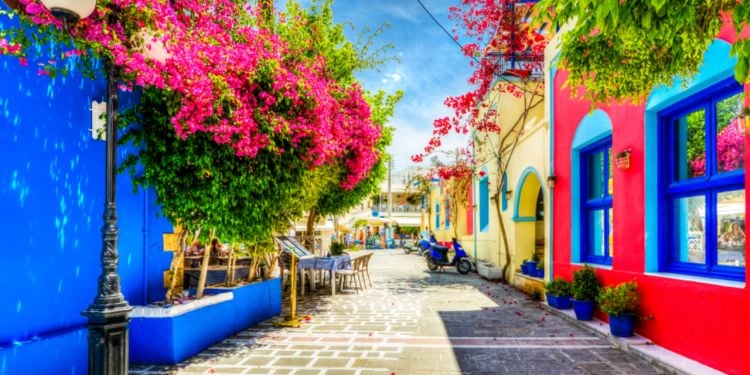
Accommodation in Greece
If everything you've heard about Greece and its financial situation has you slightly disheartened, worry not: you are unlikely to encounter any ...
Moving to Greece
An international move to Greece requires careful planning. Several elements need to be prepared in advance to ensure a smooth relocation:
- When moving your belongings, compare quotes from multiple international moving companies, ensuring they include comprehensive insurance. Use maritime transport for larger volumes, as air freight is more expensive. Delivery times may be affected by sailing conditions, and strikes are common in Greece.
- Customs procedures are simplified for EU citizens. The free movement of goods applies, and your personal effects are entered duty-free. However, keep a detailed inventory and receipts for valuable items for your insurance purposes. For non-EU nationals, additional requirements apply.
- Have your essential documents prepared in advance. Some may need to be translated into English or Greek by a certified translator. The electrical compatibility shouldn’t be an issue, as Greece operates on 220V/50Hz like France, but some accommodations may still have older sockets: be sure to bring a power adapter just in case.
- If you’re traveling with a pet, there are several requirements to fulfill. Your dog, cat, or ferret must be identified with a microchip and have a European passport issued by a veterinarian. The rabies vaccination must be current and administered at least 21 days before travel. Greece prohibits the entry of young animals that are not vaccinated against rabies.
📍 Going further
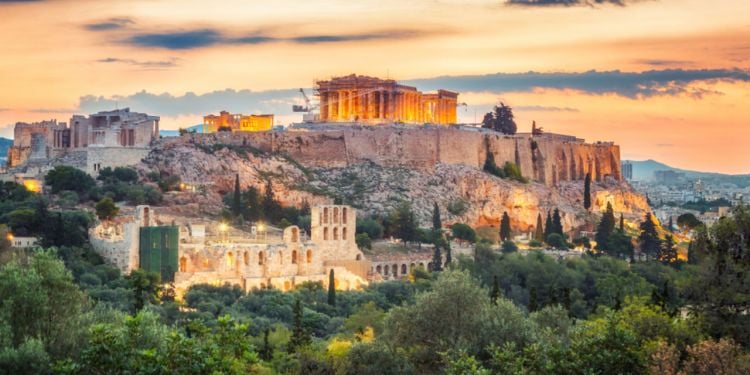
Relocating to Greece
Moving to a new destination is complex. It requires plenty of research and thorough planning on your behalf — and still, you need to be ...
Leisure in Greece
Greece offers an exceptional range of leisure activities that blend rich culture, exciting water sports, and a vibrant nightlife. Expats particularly appreciate the variety of activities available throughout the year.
For sports enthusiasts, there is an extensive array of options: running (featuring the famous Athens Marathon), cycling on roads and mountains, football, basketball, or water polo. Water activities hold a central place: diving, sailing, kayaking, and various board sports make the most of the clear waters of the Aegean and Mediterranean Seas. The nightlife is particularly vibrant, especially in larger cities. In Athens, the districts of Gazi and Psyrri are filled with bars, clubs, and concert halls where nights often last until dawn. Jazz lovers will find several well-known clubs, while bouzoukia offer a uniquely Greek experience, blending traditional music with a festive atmosphere.
Must-see:
- Traditional tavernas to enjoy local Cuisine in a friendly atmosphere;
- The archaeological sites and museums that showcase the country's millennia-old history;
- Coastal or mountain hikes are perfect for exploring diverse and spectacular landscapes.
📍 To explore further

Leisure activities in Greece
Greece has a rich culture and gastronomy scene, along with drinking, as well as plenty of things to see and learn, but also activities for those who ...
Everyday life in Greece
Living in Greece means embracing a Mediterranean lifestyle where friendliness, flexibility, and leisure time play a vital role. The local way of life quickly captivates expatriates with its warmth and hospitality.
Note:
- Meal times in Greece differ from those in France: lunch is typically enjoyed between 2:00 PM and 3:30 PM, and it's rare to have dinner before 9:00 PM.
- Siestas are still common in some regions, especially during the summer: many shops close between 2:00 PM and 5:00 PM.
- Public transport is affordable and efficient.
- Mobile phones and the Internet provide good 4G and 5G coverage in major cities. A mobile plan costs around 20 to 30 € per month, and an Internet connection ranges from 25 to 35 €. WhatsApp is widely used for everyday exchanges, including professional communication.
- The Greek culture places a strong emphasis on family, social connections, and mutual support, which is highly appreciated by expatriates.
- With its Mediterranean climate, you can enjoy outdoor terraces and activities almost all year round.
- The islands experience a strong seasonality: bustling in summer, they become much quieter from October to May, with many establishments closed during the off-season.
📍 To go further

Traveling around Greece
When considering transportation in Greece, first, you need to consider where you are. Although most ...

Phones and Internet in Greece
The telecommunications sector in Greece is one of the very few sectors (housing being the other one) where the financial crisis actually did some ...
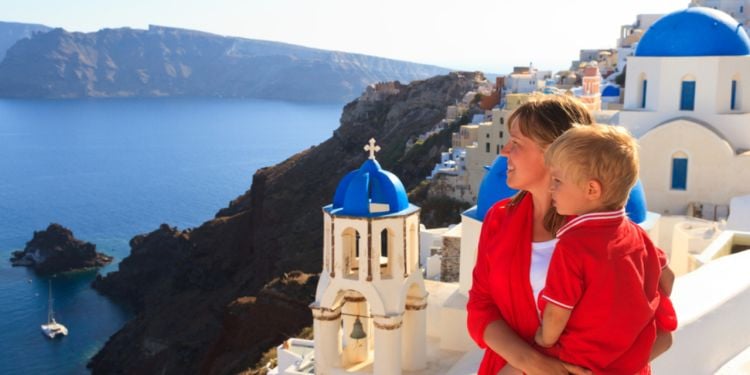
Childcare and family activities in Greece
Greece is a very child-friendly country. At least, that's what Greeks like to think. The ...
Cost of living in Greece
The cost of living in Greece is generally more affordable than in many Western European countries, although recent inflation has led to a rise in prices, particularly for energy and food. On average, a single person can live comfortably on €1,100 to €2,200 per month, while a family of four should budget €2,700 to €5,200 depending on their location, housing, and lifestyle.
Here are some monthly benchmarks to help you estimate your budget:
For a single person | For a family of 4 | |
Groceries | €200 to €400 | €500 to €750 |
Public services (water, electricity, internet, phone...) | €150 to €250 | €200 to €350 |
Health (with private insurance) | €80 to €150 | €200 to €350 |
Leisure & outings | €100 to €200 | €300 to €500 |
Education (if children) | / | €400 to €700 per month per child |
Rent | €450 to €800 for a one-bedroom apartment in a popular area of Athens | €800 to €1,700 for a three-bedroom apartment in a popular area of Athens |
Building maintenance fees (koinochrísta) | €15 to €60 | €25 to €100 |
Heating and Air Conditioning | €20 to €50 | €40 to €90 |
Transport | €30 to €100 | €100 to €200 |
Subscriptions (gym, clubs, streaming platforms...) | €30 to €80 | €80 to €150 |
Imported products (organic, cheeses, wines...) | €50 to €100 | €150 to €300 |
Income tax | Progressive rates ranging from 9% to 44%, depending on income | Progressive rates ranging from 9% to 44%, depending on income |
Key takeaways
Prepare for your administrative tasks: check the entry and residency requirements, choose the appropriate visa if necessary, and gather information about the job market as well as the Greek tax system.
Take the time to read our practical articles, especially those on employment, housing, healthcare, and retirement in Greece.
Don’t hesitate to ask your questions on the Greece forum, where the expatriate community shares insightful advice and experience!
To integrate, immerse yourself in the local culture, learn a few words of Greek, and embrace the warm, Mediterranean lifestyle centered around friendliness.
Moving to Greece means choosing a country rich in history, sunshine, and hospitality. To ensure your project is a success, thorough preparation is essential. We hope this Expat.com guide has provided you with the keys you need to organize your move and fully enjoy your new life in Greece.
We do our best to provide accurate and up to date information. However, if you have noticed any inaccuracies in this content, please contact us.


News & testimonies

300,000 unfilled jobs: Greece ramps up foreign worker recruitment
In 2025, Greece issued over 80,000 visas for non-European workers, while nearly 300,000 jobs remained unfilled. In February 2026, the Greek Parliament is preparing to welcome "tens of thousands" of expatriate workers from South and Southeast Asia. The goal remains the same as in 2025: tackling labor shortages.

New Greek Golden Visa rules aim to attract more investors
The Greek government has introduced new measures to streamline the Golden Visa process. Its goal is clear: make the programme more accessible, attract more foreign investors, and boost tourism.

Writing novels and farming olives: An English expat in Greece
Rob Johnson is a self-described 'reluctant olive farmer' and an author in Greece. Originally from England, Rob has just published his new book, 'A Kilo of String', which gives fellow expats and anyone thinking of moving to Greece some insight into the oddities and unique aspects of living there. Rob tells Expat.com a bit about how he's finding day to day life in Greece, olives and all.
How love for Greece spawned a long-standing expat life
Linda was born in New Zealand. Feeling an urge to move and see the rest of the world, she headed to Europe back in the 1970s. Her love for Greece led her to the Greek love of her life. Today they have two children and five grandchildren. She talks to Expat.com about her life as a retired Kiwi expat on the island of Poros, Greece, and the irresistable beauties of a country with so much history, sun, culture, and many apetizing flavours.
Essential services for your expat journey



