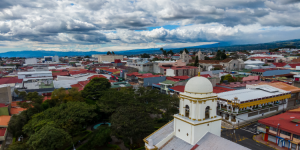
Heredia is one of the most livable cities in Costa Rica's Central Valley, drawing expats with its university-town energy, cooler climate, and a genuine local atmosphere that sets it apart from the polished suburbs of Escazú or Santa Ana. The city sits close enough to San José for easy access to international amenities, yet it retains a pace and character all its own. For expats planning a move, understanding the rental market in Heredia before arriving can save considerable time, money, and stress. This article covers everything from neighborhood profiles and rental prices in Heredia to the legal framework governing leases and the practical realities of setting up utilities.
Housing market overview in Heredia
Heredia's rental market sits within a broader Costa Rican housing landscape that remains highly competitive. Demand is driven by a growing community of remote workers, digital nomads, and long-term expats, all drawn to the Central Valley's infrastructure, safety, and quality of life. Among major metropolitan areas in the country, Heredia delivers one of the strongest average gross rental yields, estimated at around 8.7%, with a comparatively low vacancy rate of roughly 8%, well below the 19% seen in coastal regions. For landlords, this makes Heredia an attractive investment; for tenants, it means good-quality properties tend to move quickly.
The city is widely regarded as offering a more authentic local experience at slightly lower price points than its upscale neighbors, without sacrificing safety or amenities. Expats who have spent time here often describe it as the right balance between comfort and genuine Costa Rican life. If you are planning your property search, timing matters. The quietest windows for finding rentals tend to fall between May and June, and again between September and October. By contrast, the December-to-February period is the most competitive, with higher prices and fewer available units. Most property specialists working in the region recommend renting for at least six to twelve months before considering a purchase, as this allows you to get a real feel for neighborhood dynamics, local microclimates, and commute times before making a long-term financial commitment.
Neighborhoods in Heredia
Heredia is made up of several distinct cantons and districts, each with its own character and typical resident profile. Choosing the right area will depend on your lifestyle, budget, and whether you prioritize family space, proximity to business centers, or a quieter, more rural setting.
Cariari and San Francisco de Heredia are the most popular zones among expats and working professionals. These areas are known for modern condominiums, gated communities, and strong availability of short-term rentals, making them a logical first stop for new arrivals who want comfort and security while they get their bearings. Cariari in particular has established itself as a hub for international residents, with easy access to shopping centers and major road links.
San Rafael, situated at a slightly higher elevation, appeals to long-term residents and families looking for spacious single-family homes with more land. The area is quieter and more residential in character, and properties here often come with larger gardens and a stronger sense of community than in the more urbanized zones closer to the city center.
San Isidro and Concepción are the right choice for those drawn to mountain living. Properties in these areas tend to be larger, cooler, and surrounded by greenery, offering a genuine rural retreat within a reasonable distance of the city. For expats who work remotely or simply want space and tranquility, these neighborhoods are worth serious consideration.
Belén, Santo Domingo, and San Pablo function as strong residential and commercial hubs, offering a wide variety of apartments and houses alongside good access to international schools and everyday amenities. These cantons are well-suited to families relocating with children who need reliable school options nearby.
Ulloa is an up-and-coming zone that has grown rapidly alongside Heredia's business parks and tech sector. Expats working in corporate or technology roles often find Ulloa convenient, as it places them within easy reach of their workplace while offering modern residential options at competitive prices.
Types of accommodation in Heredia
The types of accommodation available in Heredia cover a broad range, from compact urban studios to large mountain villas, giving expats real flexibility depending on their budget and lifestyle needs.
Apartments and condominiums are the most common options in central Heredia, Cariari, and Ulloa. These range from basic studios to luxury units with pools, twenty-four-hour security, and shared facilities. They suit professionals, couples, and single expats who value convenience and building management.
Single-family houses, known locally as casas, and townhomes are widely available in suburban districts. These properties offer more space, private gardens, and greater privacy, making them the preferred choice for families relocating with children or pets. The trade-off is usually a longer commute into the urban core.
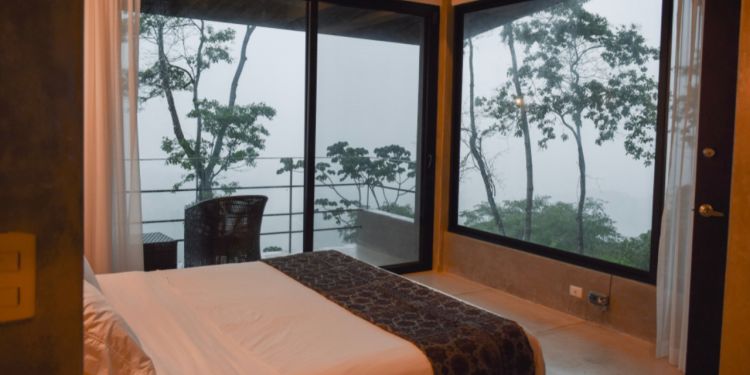
Mountain villas in the upper parts of Heredia, particularly around San Isidro, come with spectacular views, large lots, and noticeably cooler temperatures. These properties attract expats who want a retreat-style living arrangement and are happy to trade urban proximity for space and scenery.
One important distinction throughout the Heredia market is the split between furnished and unfurnished rentals. The majority of long-term rentals in Costa Rica are offered furnished, ranging from basic furnishings to fully equipped properties with appliances, kitchenware, and linens. Unfurnished units carry lower monthly rents but demand a significant upfront investment in household equipment. Furnished properties can cost 20-30% more per month than comparable unfurnished equivalents, so it is worth calculating the total cost over your planned lease period before deciding which option suits you better.
Rental prices in Heredia
Rental prices in Heredia vary by property type, location, furnishing level, and the amenities included. The figures below reflect current market conditions and are subject to change as demand evolves.
- Studio apartments: average around CRC 280,000 (USD 550) per month, though more affordable options exist in purely local neighborhoods away from expat-heavy zones.
- One-bedroom apartments: typically range from CRC 255,000 to CRC 385,000 (USD 500 to USD 750) per month, depending on the district and building quality.
- Two-bedroom apartments: generally fall between CRC 355,000 and CRC 560,000 (USD 700 to USD 1,100) per month, with the higher end reflecting newer buildings with amenities in areas like Cariari.
- Houses and villas: the average monthly rent for a house in Heredia sits at around CRC 591,000 (USD 1,150), while large mountain homes or luxury villas in gated communities can reach USD 2,300 or more per month.
Beyond the base rent, it is important to factor in additional costs. Furnished apartments typically command a premium of 20-30% over equivalent unfurnished units. When utilities are paid separately, they can add a further 30-40% to your total monthly housing costs. Condominium HOA fees for security and shared facilities are usually built into the quoted rent for gated communities, but always confirm this in writing before signing. These figures draw from listing data tracked by property platforms active in the Heredia market and may shift over time.
Finding accommodation in Heredia
The search process for renting in Heredia works best when you use a combination of online platforms, local real estate agencies, and community networks. No single channel captures the full picture of the market, and the best deals often come through channels that require a bit more effort.
On the digital side, Costa Rica MLS and MercadoLibre Costa Rica's property listings host extensive verified listings specific to Heredia and are worth checking regularly. Both platforms allow you to filter by location, property type, and price range.
Real estate agencies with local branches, including the Costa Rican operations of Century 21, RE/MAX, and Coldwell Banker, are a reliable option for expats who want professional support with negotiation and contract review. Working with an agent typically involves paying a commission, but the guidance they provide on local norms and pricing can offset that cost, particularly for those unfamiliar with the market.
Facebook groups dedicated to Costa Rica expat communities are consistently cited by long-term residents as one of the most effective ways to find direct private landlord listings, sublets, and properties that never make it onto formal listing platforms. These groups also allow you to ask specific questions about neighborhoods and get candid answers from people already living there.
Word of mouth remains powerful in Heredia. Connecting with local communities and other expats often leads to properties available at rates closer to what locals pay, rather than the premium sometimes attached to listings specifically marketed to foreigners. If you have time to spend in the city before committing to a lease, walking through neighborhoods you are interested in and asking directly can also surface options that are not advertised online.
The rental process in Heredia
The rental process in Heredia follows Costa Rican national law and is generally straightforward for expats, with fewer bureaucratic barriers than many expect. Foreigners enjoy the exact same rental rights as local residents and do not need permanent residency to sign a lease. A valid passport combined with a tourist visa of up to ninety days, a Digital Nomad Visa, a Rentista Visa, or a Pensionado Visa is typically sufficient to enter into a rental agreement.
The documents landlords commonly ask for include a valid passport or visa, proof of stable income (such as bank statements or employer confirmation), and occasionally personal references. Unlike in some other countries, local Costa Rican guarantors are rarely required for expat tenants, which removes one of the more common barriers to renting abroad.
Most rental properties turn over at the end of each month, driven by the standard thirty-to-sixty-day notice periods required for lease terminations. Planning your search to align with this cycle, particularly arriving in the city a month or so before you need to move in, gives you the best chance of viewing properties before they are taken.
On the legal side, verbal agreements are technically valid under Costa Rican law, but a written contract in Spanish provides significantly better protection. Spanish is the legal language of all rental agreements, meaning that in any dispute, the Spanish-language version of the contract will govern, even if an English translation was also provided. Expats who are not fluent in Spanish are strongly advised to have any contract reviewed by a trusted bilingual contact or local professional before signing, to ensure they fully understand their obligations and rights.
Lease terms in Heredia
Costa Rica's rental laws are notably tenant-friendly, and expats in Heredia benefit from the same protections as any local renter. The key legislation governing residential leases is the Ley General de Arrendamientos Urbanos y Suburbanos (Law 7527), which sets a mandatory minimum lease duration of three years for residential tenancies. This applies regardless of what is written in the contract: even if both parties agree to a shorter term of six or twelve months, the tenant retains the legal right to remain in the property for the full three-year period. In practice, this means landlords cannot simply refuse to renew a lease at the end of a short-term agreement if the tenant wishes to stay.
Security deposits are standard practice, and landlords typically ask for the equivalent of one or two months' rent. Tenants are entitled to have the deposit returned within one month of the lease ending, provided there is no documented property damage or outstanding utility balance. A legislative bill introduced in the Costa Rican National Assembly (Expediente 25288) aims to further strengthen tenant protections against unlawful deposit retention, though its status may have evolved since the time of writing.
Rent increase rules depend on the currency in which the contract is written. For leases denominated in Costa Rican Colones, annual increases are legally capped at a maximum of 15% or tied to the official inflation rate, whichever is lower. For contracts written in US Dollars, increases must follow the terms explicitly agreed upon in the original contract, with no statutory cap applying. This distinction is important to understand before signing, as many expat-oriented rentals are priced in dollars.
Landlords are required to give three months' notice before terminating a lease. Tenants also benefit from a mandatory seven-day grace period after the due date for rent payments, during which no late fees can be applied. Eviction requires a formal judicial process and cannot be carried out summarily, giving tenants meaningful security even in cases of dispute. It is also worth noting that if a landlord loses a property through bank foreclosure, the incoming owner is legally obligated to honor the existing tenant's lease under Law 7527.
Challenges for expats in Heredia
While Heredia is widely considered one of the more accessible cities in Costa Rica for expats, the rental process does come with specific challenges worth preparing for.
The language barrier is perhaps the most significant practical hurdle. All lease agreements are legally binding only in their Spanish version, which means expats who cannot read Spanish fluently are at a real disadvantage when reviewing contracts, negotiating terms, or dealing with landlord disputes. The solution is straightforward: find a trusted bilingual contact, whether a friend, a community contact, or a locally based professional, who can review documents before you sign anything.
Bureaucratic delays are a well-documented feature of daily life in Costa Rica, extending into utility setup, residency paperwork, and banking processes. Expats consistently report that tasks expected to take days can stretch into weeks. Patience is essential, and building extra time into your planning for any administrative process will reduce frustration significantly.
Maintenance responsibilities are another area where expectations sometimes clash with local norms. Under standard Costa Rican practice, tenants cover minor everyday repairs, typically those costing under USD 100, while landlords are responsible for major structural issues and essential systems. This division is different from what many expats from North America or Europe are used to, where landlords often handle all repairs. Clarifying this in writing within your lease agreement, rather than relying on a verbal understanding, is the clearest way to avoid disputes down the line.
Finally, some expats encounter situations where rental prices are quoted at a premium because the listing is clearly targeted at foreigners. Connecting with the local expat community through Facebook groups or neighborhood networks before committing to a search can help you calibrate what a fair market rate looks like and avoid overpaying from the outset.
Utilities and bills in Heredia
For long-term tenants in Heredia, utilities are almost always paid separately from the rent. This means budgeting for water, electricity, gas, and internet on top of your monthly base cost. HOA fees for communal security and shared facilities in condominiums are generally included in the quoted rent, but this should always be confirmed before signing.
Internet connectivity in Heredia is among the best in Central America. The city benefits from reliable fiber optic infrastructure, and providers including Kolbi, Liberty, Tigo, and Telecable offer speeds of 100 to 500 Mbps. Monthly costs typically fall between USD 40 and USD 80. For digital nomads and remote workers, this makes Heredia a particularly practical base.
Electricity costs are moderate by regional standards. Heredia's temperate Central Valley climate means air conditioning is rarely necessary, keeping bills manageable. A typical monthly electricity bill without air conditioning runs from USD 60 to USD 120. If you do use air conditioning heavily, expect that figure to climb to USD 150-250 per month. Water service in Heredia is reliable and consistent, unlike some Pacific coastal regions where supply can be intermittent.
One practical workaround that many expats in Heredia use is leaving utilities in the landlord's name and reimbursing them monthly. Setting up utility accounts independently can be slow and requires communicating in Spanish with service providers. Many landlords are familiar with this arrangement and happy to accommodate it, particularly for expat tenants on long-term leases. If you do take this route, keep clear records of your monthly payments to avoid any ambiguity at the end of the tenancy.
Frequently asked questions
Is it legal for a landlord in Heredia to charge rent in US Dollars?
Yes, charging rent in US Dollars is legal and common practice for expat-oriented rentals in Costa Rica. Tenants do, however, retain the legal right to pay the equivalent amount in Costa Rican Colones at the current exchange rate. In practice, many landlords and tenants simply agree to pay in dollars and stick to that arrangement throughout the lease.
What is the minimum legal lease duration in Costa Rica?
Under the Ley General de Arrendamientos Urbanos y Suburbanos (Law 7527), residential leases carry a mandatory minimum duration of three years, regardless of what the written contract states. Even if both parties sign a six- or twelve-month agreement, the tenant retains the right to remain for the full three-year period. This is a strong protection for tenants and is worth understanding clearly before negotiating your lease terms.
Do I need a specific visa to rent an apartment in Heredia?
No specific residency permit is needed to sign a lease in Heredia. Foreigners hold the same rental rights as locals and can enter a rental agreement using a valid passport and a tourist visa. Most long-term renters apply for a Digital Nomad, Pensionado, or Rentista visa to legally extend their stay in Costa Rica beyond the standard tourist window.
How much can my landlord increase my rent each year?
For leases written in Costa Rican Colones, annual rent increases are legally capped at a maximum of 15% or tied to the official inflation rate. For contracts denominated in US Dollars, there is no statutory cap; increases must follow the terms explicitly agreed upon in the original contract. Always read this clause carefully before signing.
Who is responsible for property maintenance and repairs?
Under standard Costa Rican rental practice, tenants cover minor everyday repairs, generally those costing under USD 100. Landlords are responsible for major structural repairs and essential system maintenance, such as plumbing or electrical failures. This division is best written clearly into the lease to avoid misunderstandings, as expectations vary significantly between local and international norms.
Can a landlord evict me immediately if I am late on rent?
No. Costa Rican tenant law grants a mandatory seven-day grace period after the rent due date before any late fees can be applied. Even if rent remains unpaid beyond that point, formal eviction must proceed through a judicial process, which typically takes several months. Immediate eviction without due process is not legal under Costa Rican law.
Are utilities usually included in the monthly rent?
For short-term and vacation rentals, utilities are often bundled into the price. For long-term tenants in Heredia, the standard arrangement is to pay water, electricity, gas, and internet separately. HOA fees for communal areas in condominiums are usually included in the quoted rent, but always confirm this in writing before agreeing to the lease.
How much is a typical security deposit, and when is it returned?
A standard security deposit in Heredia equals one month's rent, though some landlords ask for two months. Landlords are required to return the deposit within one month of the lease ending, provided there is no documented property damage or outstanding utility balance. Keeping a detailed written inventory of the property's condition at the start of the tenancy gives you a clear reference point if any dispute arises at the end.
Have questions about moving to Heredia or renting in Costa Rica? Join the Expat.com community to connect with expats who have been through the process and can share firsthand advice.
We do our best to provide accurate and up to date information. However, if you have noticed any inaccuracies in this article, please let us know in the comments section below.