

 Guide updated by Veedushi Bissessur on 16 December 2025
Poland is one of Europe’s most dynamic success stories — a country where medieval cities sit beside fast-growing tech hubs, and where everyday life feels both modern and grounded in tradition. Poland offers a stable economy, efficient public services, and a cost of living that appeals to professionals, families, retirees, and international students alike. With 22 universities featured in the QS World University Rankings 2025, Poland is a popular choice for students seeking quality higher education at an affordable cost. For anyone considering a move abroad, Poland delivers the right mix of opportunity, culture, and value.
Five compelling reasons to live in Poland
1. Growing economic powerhouse
Poland has become a key player in Europe’s tech, manufacturing, and business-services sectors, creating steady demand for international talent.
2. Cost of living that stretches your budget further
Housing, groceries, and leisure activities remain more affordable than in many Western European countries.
3. Reliable public services
Public healthcare, transportation, and digital administration are well-developed and easy for newcomers to navigate.
4. Culture-rich lifestyle
From Kraków’s historic charm to Gdańsk’s maritime energy, Poland offers vibrant cities, strong traditions, and a lively arts and food scene.
5. Excellent connections across Europe
Its central location makes weekend trips to Germany, the Czech Republic, Slovakia, or the Baltic states quick and affordable.
Your setup journey
Guide in 13 steps. Click any step below to jump directly to the section you need.
01Where to live in Poland
Poland offers a mix of lively cities, historic towns, and peaceful countryside — and each region appeals to a different kind of expat. Most newcomers choose major urban centers for their jobs, universities, and international services. Others prefer smaller towns or natural areas for lower costs and a calmer lifestyle. Housing ranges from modern high-rise apartments and renovated pre-war blocks to suburban houses, village cottages, and new residential developments.
Popular places for expats in Poland
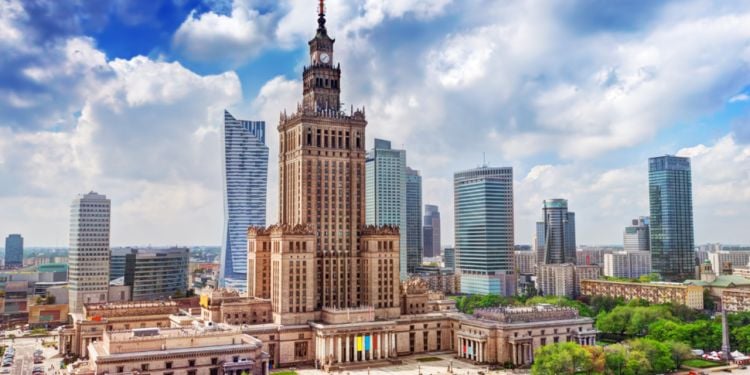
• Warsaw: The country’s economic engine, with the strongest job market and the broadest range of international amenities.
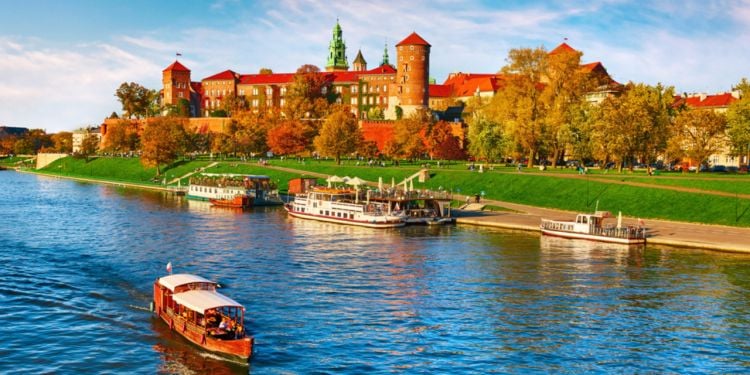
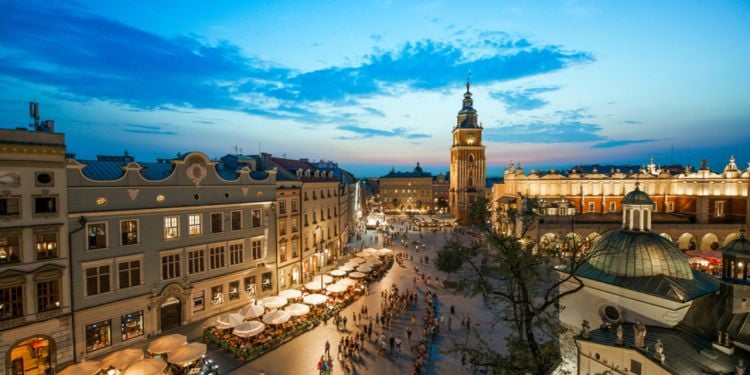
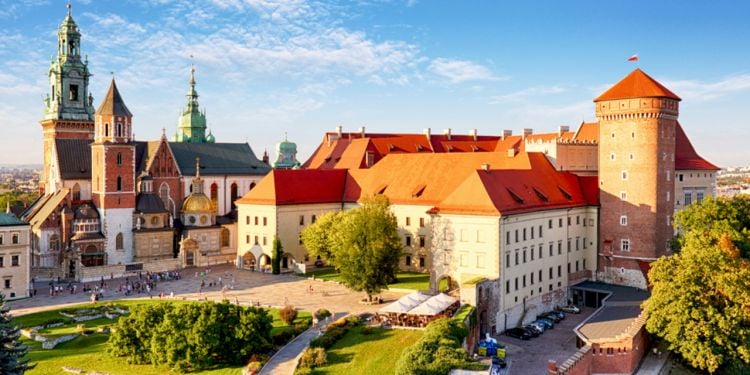
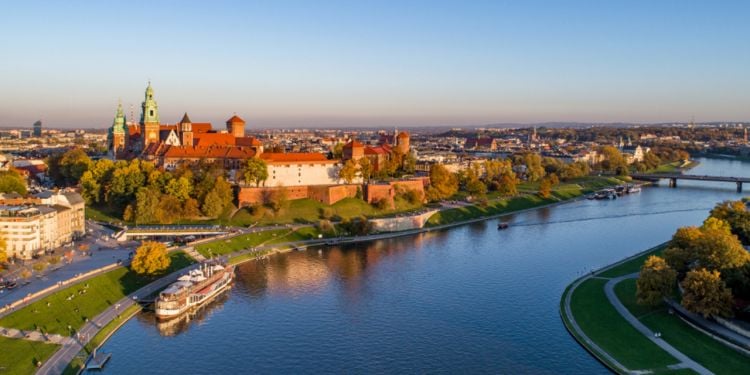
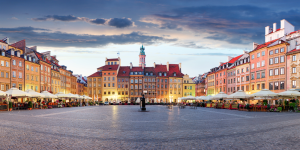
• Kraków: A cultural hotspot with a huge student population, a thriving tech sector, and an iconic historic center.
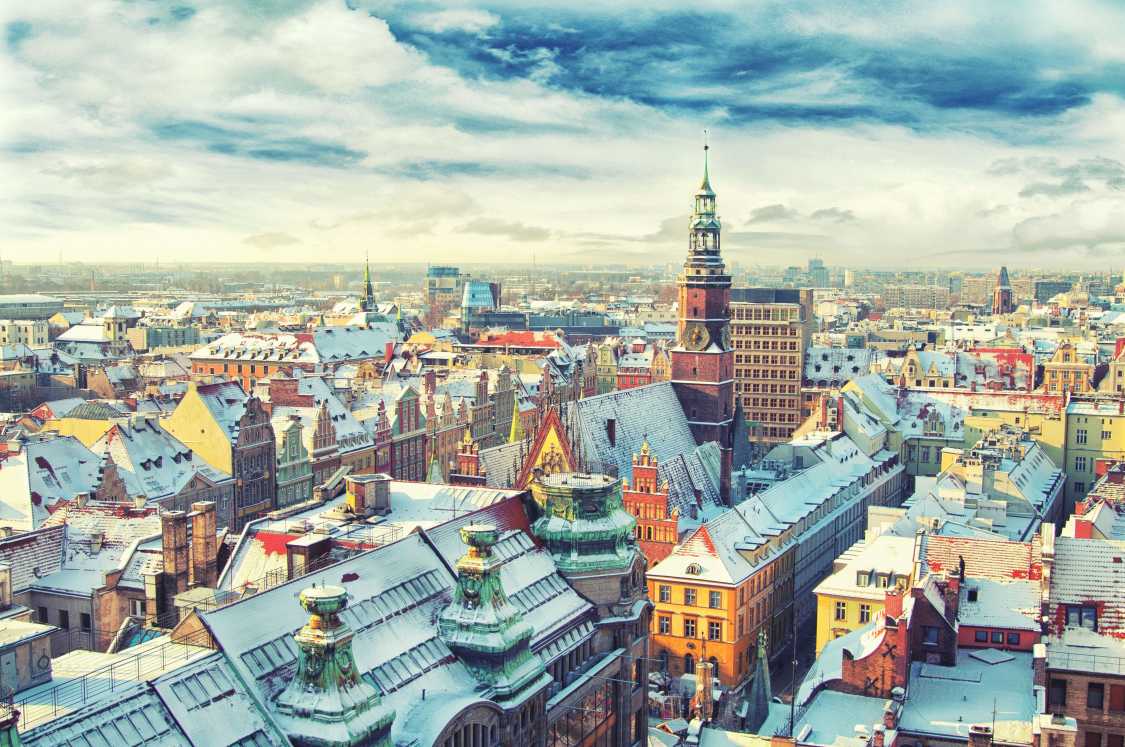
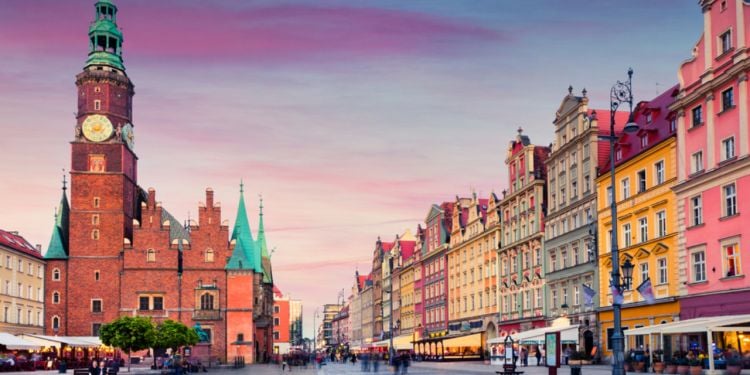
• Wrocław: International, friendly, and known for its growing business scene and picturesque riverside atmosphere.
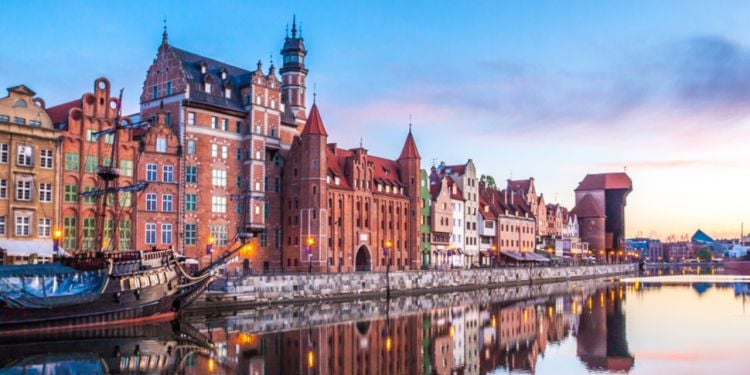
• Gdańsk (Tri-City area): Seaside living combined with major tech and logistics hubs.
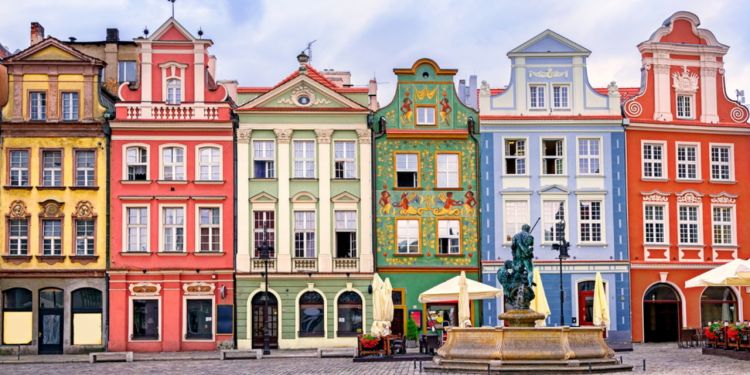
• Poznań: Efficient, mid-sized, and business-focused, with excellent connections to Germany.
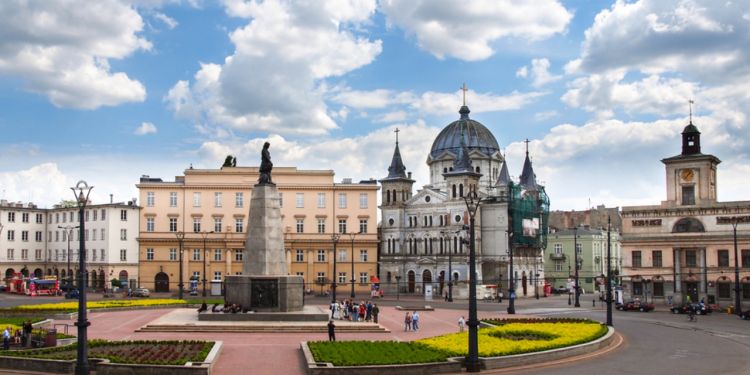
• Łódź: Creative, affordable, and transforming quickly — ideal for expats looking for lower costs and cultural energy.
02Formalities and visas in Poland
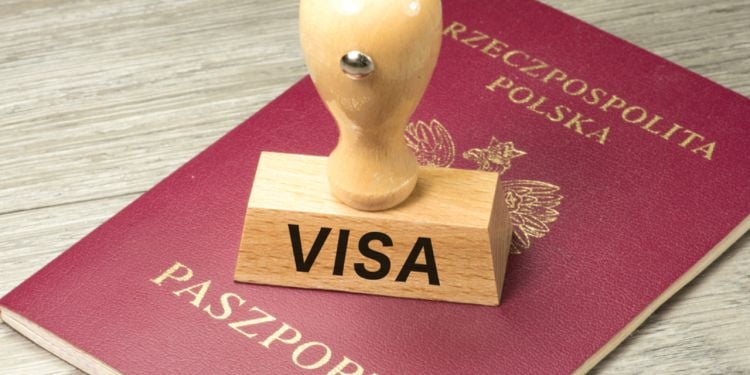
Poland's visa system is precise and structured, with dedicated pathways for workers, students, and long-term residents. Most applications start online, with a brief in-person step to submit documents or provide fingerprints. Embassy or consulate appointments can have long waiting times, particularly during peak months from July to October, so early booking is advised. Student visas are in high demand, especially in medicine, IT, and business programs, while work permits usually need to be initiated by your employer. Poland also allows visa-free short stays for citizens of many countries, making initial exploration and planning easier.
Tips:
- Most applications start online via the e-Konsulat system; book your consular appointment early.
- Work permits are issued before the visa application; your employer usually initiates the process.
- Embassy appointment waiting times vary; July–October is the busiest period.
- Provide clear documentation: proof of funds, valid health insurance, accommodation details, and purpose of stay.
Useful links:
Discover more

Join the discussion on the forum
03Working in Poland
Poland’s urban job market is thriving, and skilled professionals enjoy a clear advantage thanks to strong demand and low competition. Expats are increasingly visible in the workforce, particularly in the major cities, with large communities from Ukraine, Germany, India, and the UK. Opportunities are especially abundant in international companies, startups, and multinational corporations, but employers typically expect relevant experience, strong English skills, and adaptability.
Many tech, IT, and international business roles are accessible with English alone, but knowing Polish boosts career prospects, facilitates promotion, and is often required in healthcare, teaching, retail, and public administration. Overall, Poland offers a growing, diverse expat workforce, and newcomers who combine skills, experience, and cultural adaptability tend to thrive.
In-demand jobs
• Information Technology and software
• Business process outsourcing (BPO) / shared services — companies handling services like customer support, HR, accounting, and IT for international clients)
• Manufacturing and engineering
• Real estate and construction
• Hospitality and tourism
• Healthcare
Facts and figures
Unemployment rate (June 2025) | 3.5% |
Minimum monthly wage (2025) | PLN 4,666 (USD 1073) |
Foreign workers (2024) | 1.07 million |
Data correct as of December 2025
Sources:
Republic of Poland — unemployment, Ministry of Family, Labour and Social Policy — minimum wage, and Polskie Radio — foreign workers
Discover more

04Accommodation in Poland
Poland’s housing scene is dynamic — high demand in major cities meets affordable options outside the urban hubs. In cities like Warsaw, Kraków, and Wrocław, good apartments go fast, but outside the main centers, rents can be surprisingly reasonable. International students often live in shared flats, university dorms, or budget apartments near campus, while expats tend to rent apartments in central areas or share larger flats.
For expats, renting is straightforward: sign a lease, pay a security deposit (usually one or two months’ rent), and provide ID and proof of income. Buying property as an expat is also possible, though whether you need government approval depends on your nationality and the type of property you wish to purchase. But whether renting or buying, planning ahead is key: research neighborhoods, understand contract terms, and consider proximity to work or school to make your move as stress-free as possible.
Tips:
- Renting can be competitive: In major cities, well-priced apartments go fast—use a local broker or an online property platform.
- Non-EU property buyers may need a permit: Certain properties, especially houses or land, require approval from the Ministry of Interior.
- EU/EEA/Swiss citizens face fewer restrictions: Flats and most residential property usually don’t need a permit.
- Apartments are easier to buy: Self-contained residential units often don’t require permits, unlike standalone houses or land.
- Permit exemptions exist: Permanent residents (five-plus years) or spouses of Polish citizens can often buy without a permit.
Join the discussion on the forum
05Cost of living in Poland
Poland offers a moderate cost of living compared with Western Europe and North America. Cities like Warsaw and Kraków are more expensive, but overall, housing, groceries, and public transport remain affordable relative to EU standards. Compared to neighboring countries, Poland is cheaper than Germany, Austria, or the Netherlands, but slightly more expensive than some Eastern European neighbors, such as Ukraine or Romania.
Some things in Poland can be surprisingly pricey, though: imported goods, brand-name electronics, and private schooling tend to cost more than in nearby countries. Eating out at high-end restaurants and some city-center rents can also hit your budget. Meanwhile, public transport, local groceries, and healthcare are reasonably priced, making Poland attractive to expats seeking a comfortable life at a sensible price.
Here is a general breakdown of average monthly expenses for different household types in Poland.
Monthly expenses
Single expat (per month) | Family of four (per month) | |
Rent (city center) | 1 bedroom: PLN 3,500 (USD 820) | 3 bedroom: PLN 7,500–10,000 (USD 1,750–2,330) |
Rent (suburbs) | 1 bedroom: PLN 2,300–2,800 (USD 540–655) | 3 bedroom: PLN 5,000–7,500 (USD 1,165–1,750) |
Utilities (electricity, water, gas, Internet) | PLN 500–700 (USD 120–165) | PLN 1,400–2,000 (USD 330–465) |
Groceries | PLN 1,200 (USD 280) | PLN 3,500–4,500 (USD 815–1,050) |
Public transport | PLN 140–180 (USD 32–41) | PLN 400–600 (USD 92–138) |
Dining out and entertainment | PLN 900 (USD 210) | PLN 3,000–4,500 (USD 700–1,050) |
Data correct as of December 2025.
Source:
Join the discussion on the forum
06Health care in Poland
Poland offers both public and private healthcare, giving residents and expats plenty of options. The public system is run by the National Health Fund (NFZ), and medical treatment is available at no direct cost to insured people, typically those who work and pay social security contributions. However, specialist appointments and non-urgent procedures in the NFZ system can involve long wait times.
Private healthcare is widespread and popular among expats because it often offers faster access, English-speaking staff, and modern facilities. Emergency care in public hospitals is generally available to everyone — including visitors — and is free at the point of use.
What you need to know
EU/EEA citizens can use a valid European Health Insurance Card (EHIC) for treatment in the public system while temporarily in Poland.
Non-EU expats without employment contributions to the NFZ generally need private health insurance or may choose to register voluntarily with the NFZ (which involves paying contributions) to access public services.
Useful links:
Discover more

07Finance and banks in Poland
Poland’s banking system is modern, well-developed, and very expat-friendly. You’ll find a solid mix of traditional banks and digital-first challengers, strong ATM coverage, and fast mobile payments (thanks in part to BLIK, a widely used Polish payment system). Opening a bank account as an expat is usually straightforward — though the requirements depend on your residency status, and you may need to visit a branch in person to verify your identity.
What you need to know
Your phone does it all: From coffee to groceries, Poland’s BLIK system lets you pay, transfer money, and even withdraw cash straight from your mobile.
Go fully digital: Choose a digital-first bank, and you’ll rarely need to visit a branch — most everyday banking is app-based.
EU citizens, non-EU residents, and even some non-residents can open Polish bank accounts, though requirements vary.
You may be able to open a basic account without it, but a PESEL number (national identity number) unlocks full functionality.
ATMs are everywhere: With 20,000+ ATMs nationwide, access is easy — just watch for fees when using machines outside your bank’s network.
Useful links:
Discover more

08Studying in Poland
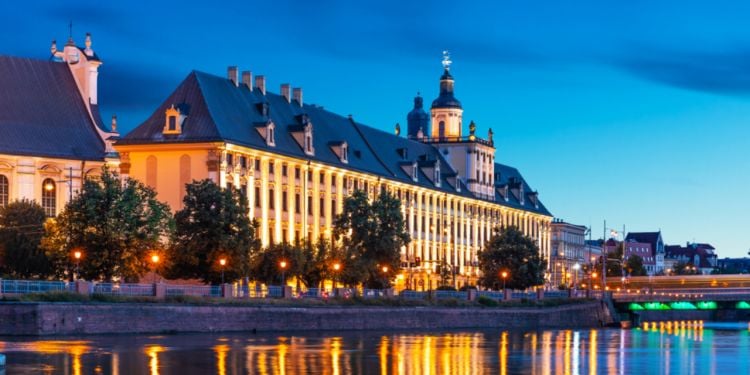
Poland is a rising study destination for international students. Tuition and living costs are relatively low, many programs are offered in English, and its universities are increasingly competitive — Poland is well-represented in European higher education, with a solid number of universities in the QS Europe ranking, and 22 Polish universities made it into the QS World University Rankings 2025.
In the 2022-2023 academic year, Poland welcomed around 105,400 international students from 179 countries. The largest student groups come from Ukraine, Belarus, and Turkey, and popular degree choices include engineering, technology, and medicine. Poland makes it relatively straightforward to secure a student visa or residence permit, with many programs tailored specifically for international students.
Top universities in Poland
• University of Warsaw — the top-ranked school in Poland.
• Jagiellonian University (Kraków) — one of the oldest and most prestigious universities in Europe.
• Warsaw University of Technology — highly respected for engineering, science, and technology programs.
Useful link:
Discover more
09Education and schools in Poland
Expat families in Poland benefit from a well‑structured, flexible school system that suits both short-and long-term stays. Public primary and secondary schooling is free for all children, including expat kids, and non-Polish children have the same rights under Poland’s Education Law. Families can choose between public Polish schools, which follow the national curriculum, and international schools offering English or other global programs — ideal for children staying temporarily or needing a familiar curriculum.
Education in Poland is compulsory from ages 7 to 18, beginning with an optional pre-school year at age 6. After primary school (ages 7–15), students move on to general secondary school (4 years), technical school, or vocational programs. Schools teach in Polish, but many international schools provide English instruction and globally recognized curricula for expat children.
School dates
- The school year runs from September to late June.
- Two-week winter break in January–February (varies by region).
- Christmas break: late December to early January.
- Easter/spring break: around Easter.
- Summer holidays: July and August.
10Planning your move to Poland
Moving your life to Poland? For most expats, it's a relatively smooth process. Poland's customs system is modern, well-structured, and generally straightforward for newcomers. If you're coming from another EU country, shipping personal, used household items is usually duty-free. Even non-EU nationals can bring belongings tax-free if the items are over six months old and you plan to stay for more than six months, which qualifies for a duty exemption.
That said, it's not entirely 'ship-and-forget.' Customs clearance usually takes 20–27 days, and you'll need to provide a detailed inventory, proof of your visa or residence permit, and, if applicable, a bank guarantee to qualify for exemptions. Inspections are common, so high-value items can face delays — though outright loss is rare if you hire a reliable international mover.
Tips:
• Use a trusted mover or customs broker: Inspections are common, and clearance can take weeks; working with a specialist reduces risk and stress.
• Prepare the paperwork early: You'll need notarized copies of your passport, visa or residence permit, a detailed inventory list, and possibly a bank guarantee.
• Check your eligibility for duty-free import: Used household goods may be exempt, especially if you'll live in Poland for more than six months.
• Understand VAT: Even if you avoid import duties, VAT may apply to your shipment's cost + insurance + freight ('CIF').
Useful link:


11Everyday life in Poland
Living in Poland is generally safe and comfortable, with modern conveniences and a strong sense of community. Expats often find the pace of life balanced: cities are busy but manageable, while smaller towns and rural areas are quiet and relaxed. Understanding local habits, customs, and basic etiquette helps make everyday life smoother, from navigating social interactions and workplace norms to building respectful relationships with neighbors and integrating confidently into Polish society.
What you need to know
• Lifestyle and customs: Poles are generally polite and reserved. Common courtesies include greeting with “Dzień dobry” (good day) and using formal titles in professional settings. Punctuality is appreciated.
• Shopping and services: Supermarkets, local markets, and online shopping are widely available. Many services operate on weekdays; some small shops close on Sundays.
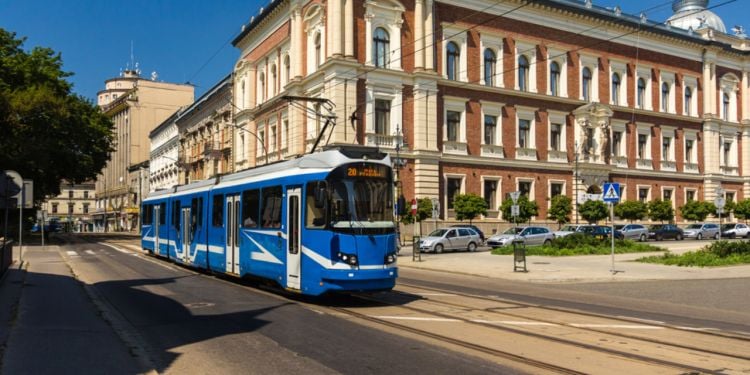
• Transport: Public transport is reliable in cities, including buses, trams, and trains. Taxis and ride-hailing apps are available, but many expats use bicycles or walk in smaller towns.
• Social life: Cafes, bars, cultural events, and sports clubs are popular ways to meet people. Poles enjoy local traditions, music, and seasonal festivals, giving expats plenty of ways to integrate.
• Safety: Poland is considered relatively safe. Violent crime is low, but petty theft, such as pickpocketing, can occur in crowded tourist areas or on public transport. Women traveling alone report feeling secure in most urban and rural areas.


12Leisure in Poland
Poland is a country where history, culture, and nature collide, giving expats plenty to do in their free time. From wandering the cobblestone streets of Kraków’s Old Town to exploring the modern cafes and nightlife of Warsaw, there’s always something to keep you busy. Poland is famous for its rich cultural festivals, from music and film to folklore and traditional celebrations, and the food scene is thriving — pierogi (filled dumplings), zapiekanka (pizza/open-faced sandwich), and local craft beers are must-tries. The country’s museums, castles, and UNESCO World Heritage sites make weekend trips a treat, while cycling routes, hiking trails, and ski resorts offer outdoor adventures year-round.
For expats seeking relaxation or sports, Poland offers well-maintained parks, lakes, and rivers for water sports, as well as a growing number of gyms, yoga studios, and fitness clubs. Winter sports enthusiasts flock to the Tatra Mountains, while those who prefer a slower pace can enjoy spa towns like Zakopane or Ciechocinek. Poland’s cultural calendar is packed, and locals are proud to share theatre, opera, and live music, making it easy to dive into new hobbies or social circles.
Discover more
13Outro
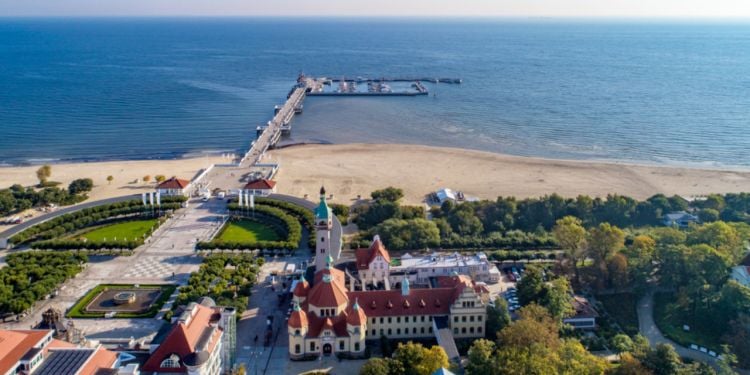
Poland offers expats a unique blend of opportunity, culture, and affordability. Whether you're chasing career growth in thriving tech and business sectors, pursuing quality higher education at one of Poland's well-regarded universities, or seeking a comfortable lifestyle in a vibrant city or peaceful suburb, Poland delivers. With practical insights on housing, visas, healthcare, and everyday life, Expat.com makes researching and planning your move stress-free. At the same time, our Poland expat forum connects you with a community of experienced expats ready to share advice and tips, helping make your resettlement in Poland as smooth and worry-free as possible.
Join the Poland community
Get regular tips and advice to make the most of your expat life
Essential services for your expat journey





Forum topics on living in Poland
Discover forums topics on expat life in Poland: join the conversation, ask your questions, get advice and share your experience.