

Living in Costa Rica: the ultimate expat guide
Everything you need to know for a successful life in Costa Rica.
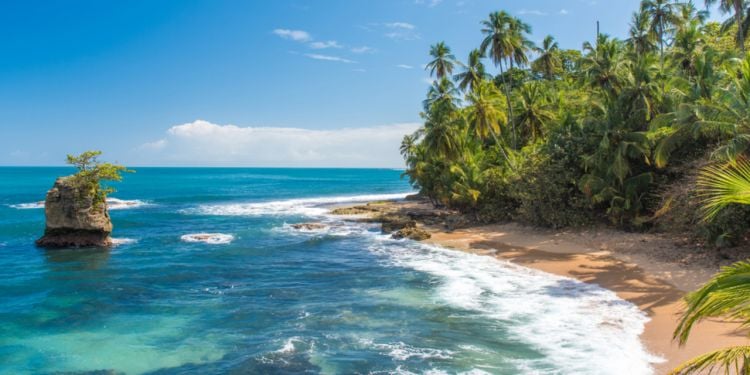
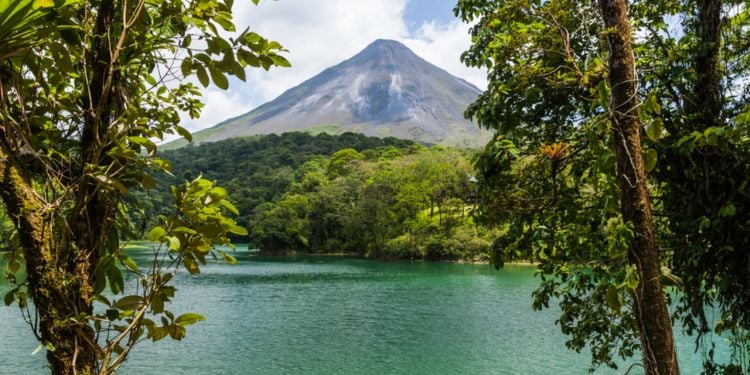
Costa Rica is a small but strikingly diverse Central American nation. It combines lush rainforests, volcanoes, and pristine beaches with a stable democracy and a strong commitment to environmental protection. For many expatriates, it represents a rare balance: quality of life, political stability, and easy access to nature. Its appeal is especially strong for retirees, who are drawn by the relatively affordable cost of living, excellent healthcare, and relaxed, outdoor-focused lifestyle. Expats also value the friendly communities, abundant leisure opportunities, and the chance to live in a country that prioritizes well-being and sustainability.
Five compelling reasons to live in Costa Rica
- Political stability and safety: Costa Rica ranks among the most peaceful countries in Latin America.
- Natural beauty: The country is known globally for its rich biodiversity and protected landscapes — rainforests, cloud forests, beaches, and volcanoes.
- High quality of life: Costa Rica consistently ranks highly on well‑being and happiness indices. Its healthcare system is effective and more affordable than in many Western countries, and public services are strong relative to the region.
- Welcoming expat community: There are large, active expat communities — especially retirees and digital nomads — with established social networks, clubs, and support groups across the country.
- Favorable retirement options: Costa Rica offers visa pathways tailored to retirees, and the cost of living is generally lower than in North America and Europe.
Facts and figures
Population (December 2025) | 5.2 million |
Foreign-born population (2024) | 600,000 |
Most common expat nationalities | Nicaragua, Colombia, the United States, El Salvador, and Venezuela |
Typical temperatures | Summer ( dry season): 21°C – 29°C (70°F – 84°F), winter (rainy season): 20°C – 27°C (68°F – 81°F) |
Data correct as of December 2025.
Sources:
Worldometer — population, OECD — foreign-born population, and Migration Policy — common expat nationalities.
Formalities and visas in Costa Rica
Costa Rica offers several visa options depending on your purpose of stay, from retirement and investment to student and work permits. Applications typically require proof of income or funds, a clean criminal record, health insurance, and supporting documents, such as letters of acceptance for students. Processing times vary — straightforward applications may take a few weeks, while more complex cases, especially for retirees or investors, can take several months. Using a local immigration attorney is common and can simplify paperwork, reduce delays, and help navigate Costa Rica’s specific legal requirements.
Popular visas for Costa Rica
Digital Nomad visa: For remote workers earning abroad.
Pensionado (Retiree) visa: Retirees with a guaranteed pension can apply for permanent residency later.
Rentista visa: For those with stable passive income from outside Costa Rica.
Investor visa: For property or business investors; can lead to permanent residency.
Family/Reunification visa: For spouses, dependent children, or dependent parents of Costa Rican citizens or residents; proof of relationship required.
What you need to know
• Check if you need a visa: Many nationalities can enter Costa Rica visa-free for short stays (usually up to 90 days), but rules depend on your passport.
• Prepare your documents: Typically, a valid passport, proof of funds, travel or accommodation details, and visa-specific paperwork (such as proof of income, student acceptance, or insurance).
• Apply through the right channel: Costa Rica does not have a complete online visa system. Most visas are applied for in person at a Costa Rican consulate, though some allow document submission by email. Long-stay permits (student, retiree, digital nomad) are usually applied for inside Costa Rica through immigration.
• Attend appointment and wait: Processing times vary — short-stay visas can be relatively quick, while residence permits often take weeks or months.
• Final step: Once approved, you receive an entry stamp, visa, or, later, a DIMEX residence card if applying for long-term stay.
Useful links:
Dirección General de Migración y Extranjería — visas
🔍To learn more
Visas for Costa Rica
When it comes to staying in Costa Rica, there are many options, from transit and tourist visas to temporary residence permits and residency ...

Travelling to Costa Rica
Located between Nicaragua and Panama, millions of foreigners travel to the 'Switzerland of ...
Retiring in Costa Rica
Many retirees are attracted by Costa Rica's stable democracy, excellent healthcare, enjoyable ...
Working in Costa Rica
Finding work in Costa Rica can be competitive, but skilled expats have solid opportunities — particularly in specialized or professional roles. The economy is driven by services, industry, and agriculture, with tourism and tech seeing rapid growth. Employers typically look for experience, formal qualifications, and Spanish language skills, so preparation and market knowledge are essential before making the move. Low- or mid-skill jobs are limited, so it is necessary to target sectors with high demand.
In-demand jobs
Professional, scientific, technical, and administrative services — including IT and outsourcing.
Manufacturing/export Industries — strong base in electronics, medical devices, and export goods.
Healthcare and social services — growing need for medical staff and care workers.
Wholesale and retail trade — labor demand in local commerce.
Tourism and hospitality — major employers, especially in coastal and rural regions.
Tips:
- Learn Spanish: Even basic proficiency greatly improves your job prospects, workplace integration, and daily life.
- Target high-demand sectors: Focus on IT, healthcare, professional services, manufacturing, or tourism to improve your employment prospects.
- Get your documents in order: Prepare diplomas, professional certifications, and work references — employers expect formal qualifications.
- Understand visa requirements: Most expats need a work permit or residency with employment authorization before starting a job.
- Network locally: Join expat groups, professional associations, and online forums to uncover hidden opportunities and get insider advice.
Facts and figures
Unemployment rate (2025) | 7.5% |
Informal workforce (2023) | 37.1% of employed population |
Largest employer by sector (2023) | Services: Around 66.4% of the workforce is employed in tourism, IT, education, healthcare, and retail. |
Data correct as of December 2025
Sources:
Statista — unemployment, Statista — informal workforce, and Statista — largest employer
🔍To learn more
Work in Costa Rica
A low unemployment rate and a strong economy set Costa Rica apart from its neighbours. If you have ...

Setting up a business in Costa Rica
The government's positive attitude towards foreign investment, as well as the country's ...
Internship in Costa Rica
Doing an internship in Costa Rica is a fantastic way to gain international experience in your ...
Studying in Costa Rica
Costa Rica is an attractive destination for international students, especially those interested in environmental science, sustainability, tropical ecology, and development studies. Its universities are well-regulated and several rank highly in Latin America. While total international student numbers are modest, institutions like EARTH University host students from over 40 countries, offering a vibrant global learning environment. Most international students in Costa Rica come from Latin America, the U.S., and Europe, with growing numbers from Asia and Africa.
Top universities in Costa Rica
• Universidad de Costa Rica (UCR) — the largest public university, highly regarded for research, sciences, and liberal arts.
• Universidad Nacional de Costa Rica (UNA) — strong in social sciences, ecology, and education; widely respected.
• Tecnológico de Costa Rica (TEC) — focused on engineering, technology, and applied sciences; ideal for STEM students.
Tips:
- Student visa essentials: You’ll need a letter of acceptance, proof of funds, and health insurance.
- Residence permit: After admission, apply to the Dirección General de Migración y Extranjería for your student residence permit.
- Plan finances: Tuition, living costs, and health insurance must be covered to satisfy visa and residency requirements.
- Join the community: Take advantage of the diverse student population to network, practice Spanish, and engage in cross-cultural experiences.
Useful link:
Costa Rica’s inter-university governing body — university statistics
Retiring in Costa Rica
Retiring in Costa Rica ticks all the right boxes: a long-standing stable democracy, breathtaking natural beauty, a warm year-round climate, and a clear, achievable path to legal residency. Add modern infrastructure, strong property rights, and a relaxed pura vida lifestyle, and it’s easy to see why retirees are drawn here for both comfort and peace of mind.
Costa Rica also stands out for its affordable, high-quality healthcare, low-to-moderate cost of living, and well-established expat communities. Most retirees come from the U.S., Canada, and Europe, and tend to settle in a few key areas depending on lifestyle preferences. The Central Valley (including San José, Escazú, and Atenas) is popular for its mild climate, modern amenities, and easy access to quality healthcare. Those seeking a coastal lifestyle gravitate toward Guanacaste and the Nicoya Peninsula, while retirees seeking peace and nature often choose Lake Arenal and the mountain regions.
Tips:
- Get professional help: Applications go through Dirección General de Migración y Extranjería; an immigration attorney can make the process smoother.
- Choose the proper visa: Consider the Pensionado or Rentista visa to secure legal residency.
- Property planning: Foreigners can buy most inland property and condos freely, but there are restrictions near coastal maritime zones — a local real estate lawyer is recommended.
- Boost your healthcare coverage: Even with public access, private health insurance is a smart safety net.
Finance and banks in Costa Rica
Costa Rica’s banking system is a mix of traditional and modern — both state-owned and private banks serve locals and expats, and online banking is increasingly available. However, some processes can be slow by global standards. Expats can open accounts, but expect paperwork, ID checks, and sometimes limited functionality until you have residency. ATMs are widespread, cash is still widely used, and many services are faster at private banks.
Tips:
Account eligibility: Non-residents can open local accounts, typically needing a passport, proof of address, proof of income/funds, and sometimes bank statements.
ATMs are plentiful: Accessible near major banks, but fees apply if you use a different bank.
Bank choice matters: Private banks like BAC Credomatic and Scotiabank are faster and more expat-friendly; state banks have more branches but often longer lines.
Digital services may require residency: Some tools, such as SINPE Mobile instant payments, require a residency ID (DIMEX), and non-residents may face deposit limits.
🔍To learn more


Health care in Costa Rica
Costa Rica’s healthcare system is solid and surprisingly comprehensive for a middle-income country. The public system, known as the Caja Costarricense de Seguro Social (CCSS) or Caja, provides broad coverage for residents once they’re enrolled and contributing. Public health services include check-ups, hospital care, surgeries, emergency treatment, prescriptions, and specialist referrals — often at low or no out-of-pocket cost beyond monthly contributions. Many expats find general practitioners easy to access, while private facilities offer shorter wait times and more English-speaking doctors.
To be eligible for public healthcare, you must be a legal resident and registered with the Caja — this is part of the residency process for most visas. Once enrolled, you, your spouse, and dependent children receive coverage through the CCSS, and monthly contributions are income-based. Most expats use the public system for primary care and emergencies, but many also choose private care to avoid wait times or to access specific specialists.
Private health insurance isn’t mandatory for residency. Still, it’s strongly recommended for faster service, English-friendly clinics, and access to top private hospitals. Plans are available from local insurers or international providers and give expats greater peace of mind alongside public coverage.
Tips:
Legal residents and their dependents are eligible for public healthcare through the Caja (CCSS).
Public health clinics are widespread and easy to access.
Private care provides faster appointments and more English-speaking doctors.
Top private hospitals include Clínica Bíblica, CIMA, and Hospital La Católica.
Useful links:
UK Gov — list of medical facilities in Costa Rica
🔍To learn more

The health care system in Costa Rica
Costa Rica has received international praise for its modern healthcare system, and both citizens and legal residents can enjoy universal healthcare. ...
Education and schools in Costa Rica
For expat families, education is a significant consideration, and Costa Rica offers a wide range of options. Parents can choose complete cultural immersion in public schools, bilingual programs, or internationally recognized private schools that make transitioning between countries easier. Public schools are free and well-established, but instruction is in Spanish, and resources can vary, which may pose challenges for children who don’t speak the language. Private and international schools provide English-language instruction, globally recognized curricula, and a smoother adjustment for expat children, making them a popular choice among families relocating from abroad.
What you should know
Free public schooling: Education is free from preschool through secondary school.
Enrollment requirements: Legal residency (DIMEX for children or parents), birth certificate, and vaccination records are required.
Additional costs: Families must cover uniforms, books, and school supplies, even in free public schools.
Language considerations: Classes are conducted in Spanish, so non-Spanish-speaking children may need extra support to succeed.
Private and international schools: Offer English-language instruction, curricula aligned with home countries, and modern facilities, making them ideal for families prioritizing educational continuity.
The school year in Costa Rica generally runs from February to November or early December, and is divided into two main semesters: February to June and July to November/December. Students also get a mid-year break around July and a more extended end-of-year holiday spanning December to January. Costa Rica’s schooling system gives expat families flexibility: choose cultural immersion and local friendships in public schools, or prioritize language continuity and international standards in private or bilingual institutions.
🔍To learn more

Key facts for international students in Costa Rica
Costa Rica is an attractive and affordable country in which to study, with one of the highest literacy rates in Latin America and a strong ...
Accommodation in Costa Rica
Costa Rica’s housing market is affordable compared with many Western countries, though popular expat hotspots can be competitive. Options range from beachfront rentals and mountain retreats to urban condos, giving expats plenty of choices. For expats, the key isn’t availability — it’s finding the right neighborhood and navigating local rental or buying practices.
When renting, you’ll usually sign a rental contract, show ID, pay a deposit (1–2 months’ rent), and sometimes provide references. Landlords often prefer long-term tenants, so stable income helps. When buying, foreigners enjoy almost the same rights as locals — most property types have no nationality or residency restrictions, making ownership straightforward with the guidance of a local real estate lawyer.
What you need to know
Foreign ownership is generally allowed: Expats can fully own houses, condos, and land on the same terms as locals, and you don’t need residency to buy.
Beachfront and coastal property zones have limits: Expert legal help is essential.
Use a local attorney/notary: They handle title searches, contracts, closing, and can safely manage payments.
🔍To learn more
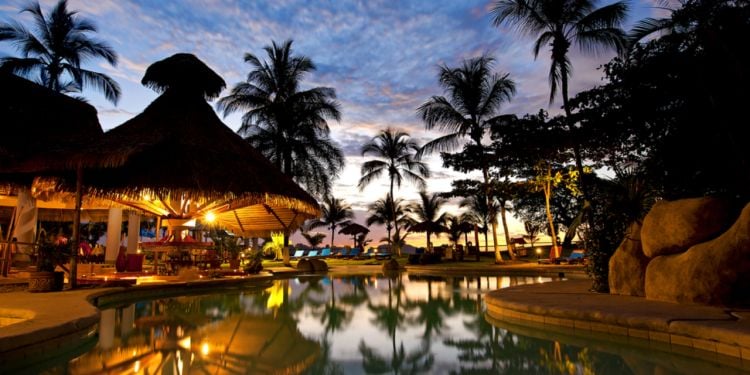
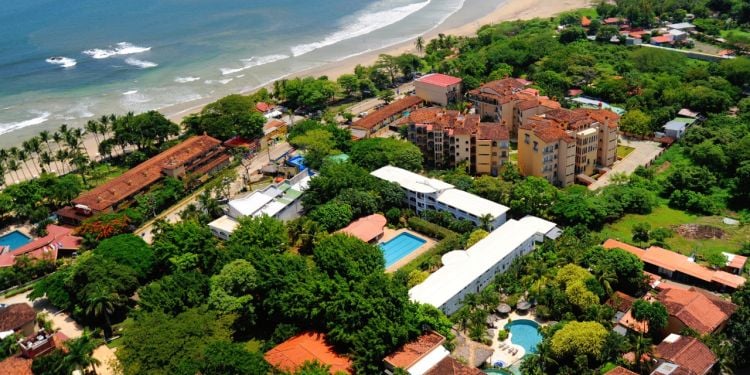
Planning your move to Costa Rica
Shipping your belongings to Costa Rica is generally straightforward, but expats should be prepared for paperwork and duties. Most international shipments arrive through the ports of Limón or Puntarenas, and customs clearance can take several days if documentation isn’t complete. Import duties on used household goods typically range from 30–35%, while newer items may face higher rates.
Costa Rica’s electronic declaration system helps streamline the process, but inspections are standard, and items are often unloaded into a bonded warehouse. While shipping via the nearby Panama Canal can reduce transit time, it doesn’t affect customs duties. To ensure a smooth move, working with a reputable customs broker is highly recommended — they can help navigate regulations, avoid delays, and make sure your possessions arrive safely.
Tips:
- Start early and plan your budget: Shipping takes time, so arrange your move well in advance and factor in import duties and potential storage fees.
- Document carefully: Include brands, models, serial numbers, and detailed inventories to avoid delays or fines.
- Choose a licensed customs broker: A professional can manage the paperwork, coordinate inspections, and help expedite clearance.
- Ship selectively: Prioritize high-value, essential, or sentimental items; consider buying bulky or inexpensive goods locally.
- Protect your items: Use quality packaging and consider insurance for valuable or fragile shipments.
- Stay informed about restricted items: Some goods, such as certain electronics or plants, require permits or are prohibited. Check the National Customs site for details.
Useful link:
🔍To learn more


Leisure in Costa Rica
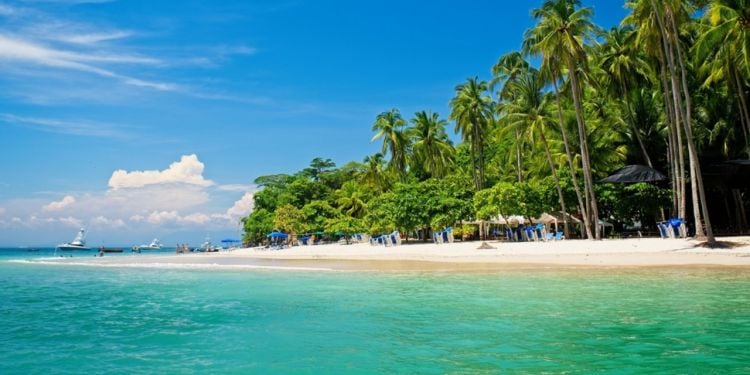
Costa Rica is a paradise for nature lovers and thrill-seekers, offering endless adventures with its lush rainforests, pristine beaches, and active volcanoes. Whether zip-lining through cloud forests, soaking in volcanic hot springs, or watching sea turtles nest by moonlight, leisure feels deeply tied to the country’s natural beauty. Costa Rica’s commitment to sustainability and biodiversity means much of your free time can be spent exploring protected reserves, wildlife refuges, and untouched coastline.
Beyond adventure and the great outdoors, Costa Rica offers a vibrant cultural scene: explore art galleries, museums, lively markets, and festivals in cities like San José, or enjoy local music, theater, and culinary experiences. You can wander through colonial architecture, attend traditional celebrations, or soak up the café culture, making city life in Costa Rica just as exciting as any outdoor activity.
🔍To learn more
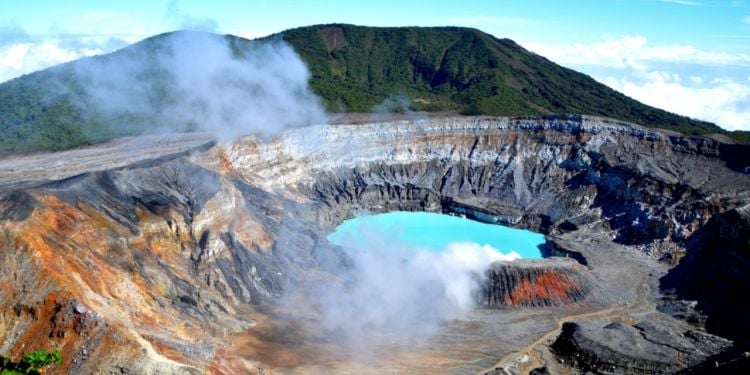
Leisure in Costa Rica
Whether you fancy ziplining or sunbathing, there are seemingly no limits to the activities that you can do in Costa Rica. Read this article to find ...
Everyday life in Costa Rica
Costa Rica is a stable, middle-income country with modern infrastructure, friendly communities, and a relaxed, nature-focused lifestyle. Expats quickly notice the warm, community-oriented culture and slower pace. Spanish is the dominant language, and knowing some helps with everything from shopping to dealing with local services. Locals value modesty and friendliness, so showing respect for local customs goes a long way. Driving can be chaotic outside major cities, and public transport is affordable but less predictable than in more urbanized countries.
Costa Rica is generally safer than many countries in the region, with violent crime against foreigners being rare. Petty crime, like pickpocketing, bag snatching, and occasional home break-ins, is the primary concern, especially in tourist-heavy areas. Expat women often report a heightened sense of caution, so they choose gated communities, homes with security systems, or expat-friendly neighborhoods. Staying aware of your surroundings, securing your belongings, and learning some Spanish go a long way toward a safe, confident daily life.
🔍To learn more
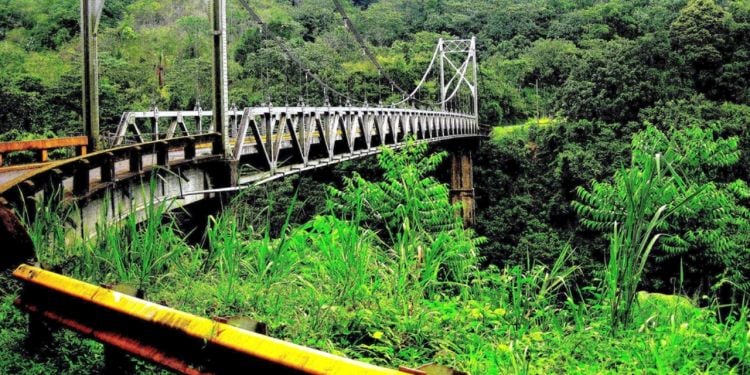
Travelling around Costa Rica
Travelling around Costa Rica is easy and relatively affordable, and you can take your pick of transport options, depending on your budget and ...

Phones and Internet in Costa Rica
Fortunately for expats living in Costa Rica, the country boasts one of the best communications infrastructures in Central America. You are likely to ...
Lifestyle in Costa Rica
You'll find close-knit https://www.expat.communities all over Costa Rica, and it's easy to ...
Cost of living in Costa Rica
Costa Rica offers a lifestyle that’s often described as affordable compared to Western countries, but more expensive than many of its Central American neighbors. Expats find that daily expenses like groceries, public transport, and dining out are reasonable, yet imported goods, electronics, and private healthcare can quickly add up. Housing costs in Costa Rica vary widely — city-center apartments and beachfront homes command a premium, while rural areas remain much cheaper. Overall, Costa Rica sits in the middle of the region: more expensive than Nicaragua or Guatemala, but usually less costly than the U.S., Canada, or Western Europe.
Here is a general breakdown of average monthly expenses for different household types in Costa Rica.
Monthly expenses
Single expat (per month) | Family of four (per month) | |
Rent (city center) | 1 bedroom: CRC 300,000 (USD 510) | 3 bedroom: CRC 750,000–1,200,000 (USD 1,275–2,040) |
Rent (suburbs) | 1 bedroom: CRC 200,000–250,000 (USD 340–425) | 3 bedroom: CRC 500,000–800,000 (USD 850–1,360) |
Utilities (electricity, water, gas, Internet) | CRC 60,000–100,000 (USD 102–170) | CRC 150,000–250,000 (USD 255–425) |
Groceries | CRC 120,000 (USD 204) | CRC 350,000–500,000 (USD 595–850) |
Public transport | CRC 25,000–40,000 (USD 43–68) | CRC 70,000–120,000 (USD 120–204) |
Dining out and entertainment | CRC 80,000 (USD 136) | CRC 220,000–400,000 (USD 375–680) |
Data correct as of December 2025.
Source:
Outro
Costa Rica continues to attract expats with its rare combination of political stability, high quality of life, and flexible lifestyle. Whether you are drawn by the year-round climate, strong environmental values, or the ease of settling into well-established expat communities, the country offers a compelling long-term option for retirees, professionals, and families alike. From vibrant urban centers to relaxed coastal towns, Costa Rica gives you the chance to build a life that balances comfort, affordability, and everyday enjoyment.
To support your move, Expat.com’s dedicated Costa Rica guides help you research every stage of the process — from visas and housing to healthcare, schooling, and everyday costs. Alongside this, our online forum is an active space where you can ask questions, exchange advice, and learn directly from experienced expats already living in the country, providing practical, real-world insight before you make the move.
We do our best to provide accurate and up to date information. However, if you have noticed any inaccuracies in this content, please contact us.


News & testimonies

Terry and Viv: "Costa Rica's climate is wonderful"
Terry and Viv, retired Canadian nationals, settled in La Palma nine months ago with their two cats. Both enjoy the Costa Rican nature, climate, as well as activities such as golfing, swimming, walking, reading...

David in San Ramon: "Ticos are very easy going and most place family first"
David, US expat, settled in Costa Rica five years back following numerous visits. He lives with his daughter's who owns a Parrot Rescue Center. Following his early retirement, he now enjoys a tranquil and serene life in San Ramon...