

Living in Seoul: the ultimate expat guide
Everything you need to know for a successful life in Seoul.
Seoul is a city of contrasts where ancient palaces stand alongside gleaming skyscrapers, and traditional markets thrive next to high-tech shopping districts. As the capital of South Korea, Seoul is home to nearly 10 million residents and serves as the country's economic, cultural, and political hub. The city offers expatriates world-class infrastructure, exceptional public safety, and a quality of life that rivals major global capitals.
Why Seoul Stands Out
Seoul consistently ranks among Asia's most livable cities, combining ultra-modern convenience with rich cultural heritage. The city boasts one of the world's most efficient public transportation systems, lightning-fast internet connectivity, and a healthcare system that delivers excellent outcomes at reasonable costs. English signage is widespread in major areas, and younger Koreans often speak conversational English.
5 Good Reasons to Move to Seoul
- World-class infrastructure – Seoul's subway system covers over 340 stations, and high-speed internet is available virtually everywhere.
- Exceptional safety – South Korea has one of the lowest crime rates globally, with Seoul particularly safe for families and solo travelers.
- Career opportunities – Major global companies including Samsung, LG, Hyundai, and numerous tech startups have headquarters here.
- Rich cultural scene – From K-pop and K-drama to traditional arts and ancient palaces, Seoul offers endless cultural experiences.
- Four distinct seasons – Cherry blossoms in spring, beach trips in summer, stunning fall foliage, and winter sports make each season unique.
Working in Seoul: Career Opportunities and Work Permits
Seoul is the economic powerhouse of South Korea, driving approximately 21% of the nation's GDP. The city offers diverse employment opportunities across technology, finance, manufacturing, education, and creative industries. Foreign professionals with specialized skills are increasingly sought after as Korean companies expand their global operations.
Key Industries and Employment Sectors
The technology sector dominates Seoul's economy, with major conglomerates like Samsung Electronics, LG, and SK Hynix maintaining significant operations in the metropolitan area. The startup ecosystem has exploded, particularly in the Gangnam and Pangyo tech valleys. Finance, entertainment (K-pop and film production), biotechnology, and English education also provide substantial opportunities for expatriates.
Work Visa Requirements
Foreign nationals must obtain appropriate work visas before starting employment. The most common categories include the E-7 Special Occupation Visa for skilled professionals, E-2 Visa for English teachers, and D-8 Visa for business investors. Processing typically takes 5-10 weeks, and employers usually sponsor visa applications through the Ministry of Justice. South Korea also offers a digital nomad visa (Workation Visa) for remote workers earning over USD 70,000 annually.
Employment Overview
The following table summarizes key employment indicators for Seoul and South Korea.
Unemployment Rate (South Korea) | 2.6% (October 2025) |
Average Monthly Salary (Seoul) | KRW 3,500,000 – 5,000,000 (USD 2,500 – 3,600) |
Top Hiring Sectors | Technology, Finance, Education, Entertainment |

Working in Seoul
The Hallyu Wave and the economic position of South Korea, both in Asia and globally, have made the ...

Seoul's labour market
Seoul is a dynamic city with an innovative spirit. The country's high growth rate inevitably ...

The work culture in Seoul
If South Korea went from a Third World country at the end of the Second World War to one of the ...
Higher Education and Universities in Seoul
Seoul hosts some of Asia's most prestigious universities, attracting thousands of international students each year. The city's higher education institutions are known for rigorous academics, cutting-edge research facilities, and strong industry connections. Many programs now offer courses taught entirely in English, making Seoul accessible to non-Korean speakers.
Top Universities for International Students
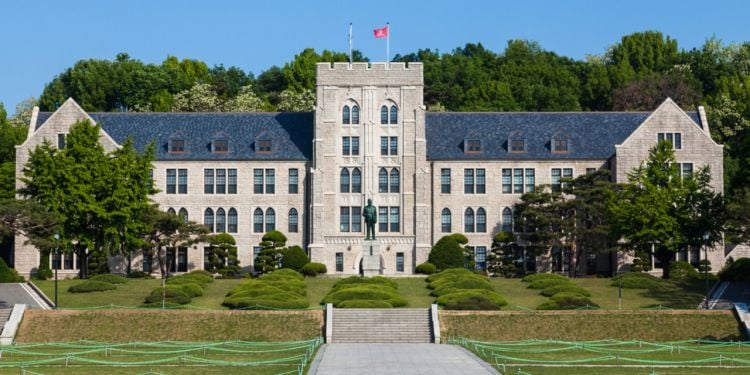
Seoul National University (SNU) ranks #31 globally in the QS World University Rankings 2025 and is often called the "Harvard of South Korea." Other highly regarded institutions include Yonsei University (#56 globally), Korea University (#67 globally), and Sungkyunkwan University (SKKU). These universities offer comprehensive programs in engineering, business, sciences, and humanities, with strong placement rates at top companies like Samsung, Hyundai, and LG.
Tuition Fees and Admissions
Tuition at public universities ranges from USD 2,000 to USD 6,000 per semester, while private institutions charge USD 3,000 to USD 8,000 per semester. Graduate programs may cost slightly more. International students can apply for the Global Korea Scholarship (GKS/KGSP), which covers full tuition, airfare, living allowances, and Korean language training. University-specific scholarships such as the SNU Global Scholarship and KAIST International Student Scholarship also provide generous financial support.
Key Resources
Sources: QS World University Rankings 2025

Schooling for Children: International and Local Options
Seoul offers excellent education options for expatriate families, with numerous international schools providing curricula from around the world. While public schools in South Korea are highly regarded academically, instruction is conducted entirely in Korean, making international schools the preferred choice for most foreign families.
International Schools
Seoul has approximately 45 international schools offering American, British, International Baccalaureate (IB), and other international curricula. Seoul Foreign School (SFS), established in 1912, is the oldest and widely considered one of the best, offering both IB programs and the English National Curriculum. Korea International School (KIS) and Seoul International School (SIS) provide American-style education with strong college preparation programs. Dulwich College Seoul offers British curriculum education for students aged 3-18.
Tuition and Enrollment
Annual tuition at international schools typically ranges from USD 20,000 to USD 35,000 depending on grade level. Most schools require an initial registration fee of KRW 3,000,000 to 5,000,000 (approximately USD 2,200-3,600). Admissions can be competitive, particularly for popular schools like SFS and SIS. Early application is strongly recommended, as waiting lists are common.
School Fees Overview
Seoul Foreign School (IB/British) | KRW 37,600,000 – 52,300,000/year |
Korea International School | KRW 32,000,000 – 37,000,000/year |
Dulwich College Seoul | KRW 37,600,000 – 52,300,000/year |
Yongsan International School | KRW 29,700,000 – 34,800,000/year |
Sources: Seoul Foreign School, International Schools Database
Housing and Neighborhoods in Seoul
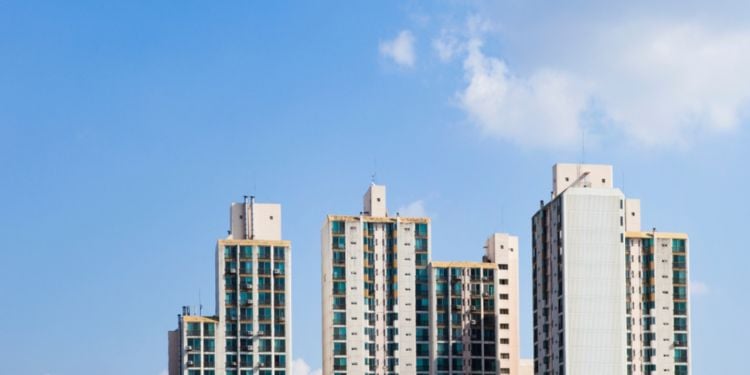
Finding the right neighborhood is essential to settling into Seoul. The city offers diverse housing options, from high-rise apartments in business districts to quieter villa-style homes in residential areas. Understanding Korea's unique rental system is crucial before beginning your housing search.
Popular Neighborhoods for Expatriates
Itaewon and Yongsan remain the most popular areas for expatriates, offering international restaurants, English-speaking services, and proximity to international schools. Hannam-dong is an upscale area favored by diplomats and executives, featuring the prestigious UN Village. Gangnam, famous worldwide, offers modern luxury apartments and excellent business connectivity but comes with premium prices. Seorae Village (French Village) in Seocho-gu attracts European families due to the French School and has a more suburban feel.
Rental System and Deposits
Korea has two main rental systems. Wolse involves a smaller deposit plus monthly rent, while Jeonse requires a massive lump-sum deposit (often 50-70% of the property value) but no monthly rent. Most expatriates opt for Wolse arrangements. Expect deposits of KRW 5,000,000 to 20,000,000 (USD 3,600-14,500) for typical apartments. Lease terms are usually two years with renewal options.
Average Monthly Rent
1-Bedroom (City Center) | KRW 800,000 – 1,500,000 (USD 580 – 1,090) |
1-Bedroom (Outside Center) | KRW 500,000 – 900,000 (USD 360 – 650) |
3-Bedroom (City Center) | KRW 2,500,000 – 4,500,000 (USD 1,800 – 3,270) |
3-Bedroom (Outside Center) | KRW 1,500,000 – 2,500,000 (USD 1,090 – 1,800) |
Sources: Numbeo 2025, Remitly Cost of Living Guide
Accommodation in Seoul
Seoul has become one of the most popular destinations in South Korea but finding a home in this ...
Buying property in Seoul
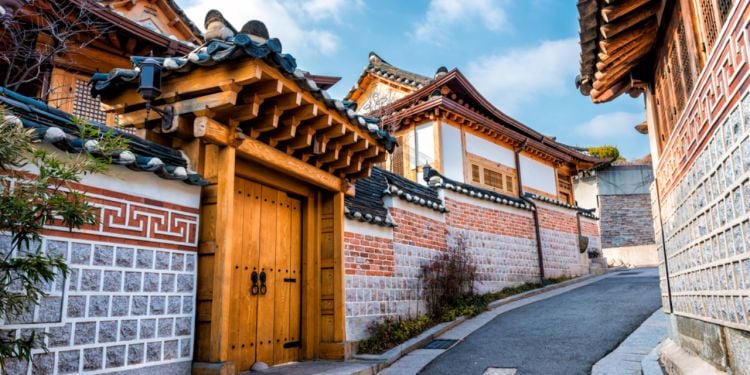
Today, Seoul is one of the most developed metropolises in the world. Unfortunately, the city's ...
Popular neighbourhoods in Seoul
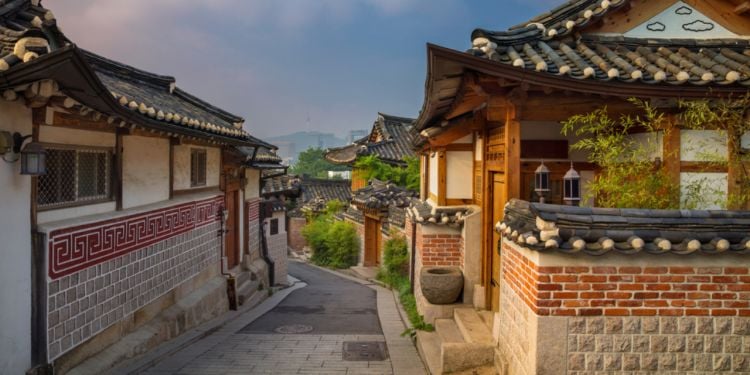
The city of Seoul is divided into 25 different districts that we call "Gu" and which vary ...
Leisure, Culture, and Things to Do in Seoul
Seoul offers an extraordinary blend of ancient heritage and modern entertainment. From UNESCO World Heritage palaces to cutting-edge K-pop experiences, the city caters to every interest. Outdoor enthusiasts, foodies, culture seekers, and nightlife lovers will all find their niche.
Cultural Attractions and Museums
The National Museum of Korea, the largest museum in the country, showcases over 15,000 artifacts spanning Korean history. The city's five grand palaces—Gyeongbokgung, Changdeokgung, Deoksugung, Changgyeonggung, and Gyeonghuigung—offer glimpses into the Joseon Dynasty. Bukchon Hanok Village preserves traditional Korean architecture amid modern Seoul. Art enthusiasts should visit the Leeum Museum of Art, Seoul Museum of Art (SeMA), and DDP (Dongdaemun Design Plaza) for contemporary exhibitions.
Parks and Outdoor Activities
Seoul is surprisingly green, with mountains covering about 70% of the metropolitan area. Bukhansan National Park offers challenging hikes with stunning city views. The Han River Parks stretch along both banks, providing cycling paths, picnic areas, and water sports. Namsan Park and the iconic N Seoul Tower offer panoramic views and romantic evening walks. The annual Hangang River Festival and Seoul Spring Festa bring the city alive with outdoor events.
Nightlife and Entertainment
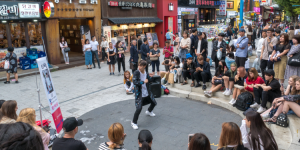
Hongdae is the heart of Seoul's youth culture, featuring indie music venues, street performances, and budget-friendly bars. Gangnam offers upscale clubs and lounges frequented by celebrities. Itaewon caters to international tastes with diverse bars, craft breweries, and the city's largest LGBTQ+ scene. Karaoke (noraebang) rooms are a Korean institution, perfect for a fun night with friends.
Annual Events and Festivals
- Seoul Spring Festa – citywide celebration with drone shows, concerts, and cultural programs
- Lotus Lantern Festival – celebrating Buddha's birthday with stunning lantern parades
- Seoul International Fireworks Festival – spectacular displays over the Han River
- Chuseok Festival – Korean Thanksgiving with traditional performances
Sources: Visit Seoul Official, Seoul Metropolitan Government

Things to do in Seoul alone, with your partner or with your family
Seoul life is lived outside, with cafes and restaurants proving popular throughout the day and ...

Gastronomy in Seoul
South Korea has a cuisine all its own; one now recognised around the world not only for its rich ...
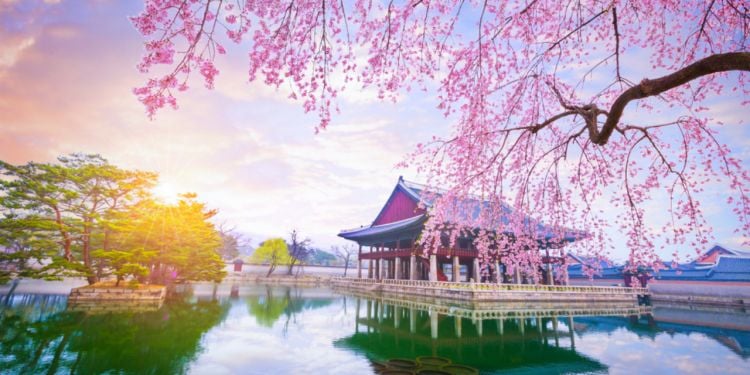
Things to do on weekdays in Seoul
Seoul is a city that never sleeps - you will find activities to entertain you at any time of the ...
Daily Life in Seoul: Transportation and Lifestyle
Daily life in Seoul is characterized by exceptional convenience, from 24-hour convenience stores on every corner to one of the world's most efficient public transportation networks. The city operates at a fast pace, yet offers countless opportunities to slow down in traditional tea houses, mountain hiking trails, and peaceful temples.
Public Transportation
Seoul's public transportation system is world-class. The Seoul Metro covers over 340 stations across 23 lines, with trains running from approximately 5:30 AM to midnight. A single journey costs KRW 1,400-1,550 (approximately USD 1.00-1.10) using a T-money card, available at any convenience store for KRW 2,500-4,000. The Climate Card, introduced in 2024, offers unlimited monthly travel on subways, buses, and city bikes for KRW 65,000 (USD 47). Buses and taxis are abundant, and transfers between subway and bus are free within 30 minutes.
Lifestyle and Cultural Tips
Koreans highly value education and work, often maintaining demanding schedules. Dining out is affordable and social, with group meals common at Korean BBQ restaurants. Convenience stores like CU, GS25, and 7-Eleven are everywhere, open 24/7, and offer everything from meals to banking services. Learning basic Korean phrases and using translation apps significantly improves daily interactions. Tipping is not customary in Korea, and service charges are typically included in bills.
Practical Information
Subway Base Fare | KRW 1,400-1,550 |
Monthly Climate Card | KRW 65,000 (unlimited travel) |
Taxi Starting Fare | KRW 4,800 |
Internet Speed (Average) | 200+ Mbps |
Sources: Seoul Metropolitan Government, T-money
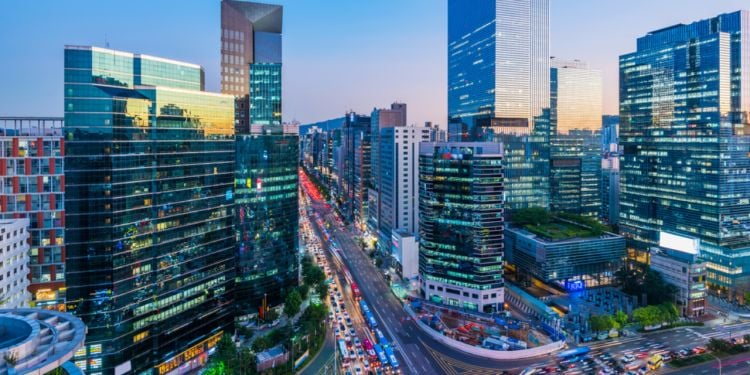
Discovering Seoul
Seoul, the capital of South Korea since the Joseon period (1392-1910) has grown exponentially in ...
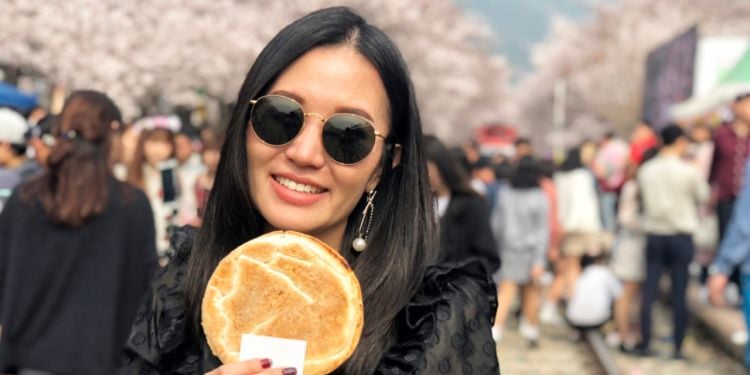
The local culture in Seoul
Whether you decide to take the plunge for a vacation or expatriation, you will, of course, be ...

Developing your professional network in Seoul
Whether you arrive with a signed contract ready to go or you hope to find a job on arrival, you ...
Cost of Living in Seoul: What to Expect
Seoul's cost of living is moderate compared to other major Asian capitals like Tokyo, Hong Kong, or Singapore. Housing represents the largest expense, while food, transportation, and entertainment remain reasonably affordable, especially if you embrace local options. The following tables provide realistic monthly budgets for single professionals and families.
Monthly Budget: Single Person
Category | Budget (KRW) | Budget (USD) |
Rent (1-bedroom, city center) | 1,000,000 – 1,500,000 | 725 – 1,090 |
Utilities (electricity, heating, water) | 150,000 – 250,000 | 110 – 180 |
Groceries | 300,000 – 500,000 | 220 – 360 |
Transportation | 65,000 – 150,000 | 47 – 110 |
Health Insurance | 100,000 – 150,000 | 73 – 110 |
Dining/Entertainment | 400,000 – 600,000 | 290 – 435 |
Total (Single Person) | 2,015,000 – 3,150,000 | 1,465 – 2,285 |
Monthly Budget: Family of Four
Category | Budget (KRW) | Budget (USD) |
Rent (3-bedroom, good area) | 3,000,000 – 4,500,000 | 2,180 – 3,270 |
Utilities | 250,000 – 400,000 | 180 – 290 |
Groceries | 800,000 – 1,200,000 | 580 – 870 |
Transportation (family) | 200,000 – 400,000 | 145 – 290 |
International School (1 child) | 2,500,000 – 4,000,000 | 1,815 – 2,900 |
Health Insurance (family) | 300,000 – 500,000 | 220 – 360 |
Dining/Entertainment | 600,000 – 1,000,000 | 435 – 725 |
Total (Family of Four) | 7,650,000 – 12,000,000 | 5,555 – 8,705 |
Sources: Numbeo 2025, 90 Day Korean
In Short
Seoul offers expatriates a unique combination of modern convenience and rich cultural heritage. The city's world-class infrastructure, exceptional safety, and diverse career opportunities make it an attractive destination for professionals and families alike. While adapting to Korean workplace culture and language may present initial challenges, the rewards of living in this dynamic capital are substantial. From hiking mountain trails to exploring ancient palaces, from enjoying sizzling Korean BBQ to experiencing the latest K-pop trends, Seoul promises a life of discovery. The welcoming expatriate community and growing English-friendly services ease the transition. Ready to start your Seoul adventure? Connect with others who've made the move on the Expat.com Seoul Forum.
We do our best to provide accurate and up to date information. However, if you have noticed any inaccuracies in this content, please contact us.


News & testimonies
Laura in Seoul: "The people in my neighborhood are amazing"
Laura comes from Ontario. She moved to South Korea with her boyfriend more than a year ago. Following their stay in Suwon, they moved to Seoul where Laura is an online English instructor.
Why you should get a Hallyu visa to South Korea
The Hallyu visa to South Korea is finally available after one year of discussions. Officially branded "K-culture training visa", it should allow foreigners to stay up to two years in South Korea to either discover its unique artistic scene or realize their dream of breaking into the entertainment industry. The government is also considering the introduction of a digital nomad visa.

South Korea: These sectors are currently facing labor shortages
Will 2023 be the year of a new economic and even demographic boost in South Korea? This is the government's hope and belief as it outlines its plan to revive the South Korean economy. Since important sectors are suffering from acute labor shortages, it is taking new measures to welcome foreign workers. Which are the most affected sectors and are in desperate need of expat workers?

Interview: The story of Anna who lives in and Laura who left South Korea
Anna has been living in South Korea for nine years and Laura left after a year of living in the same country. What is it about South Korea that makes a 19 year old want to leave everything behind for? And on the other hand, what is it about the country that makes someone else leave after a year? Anna and Laura tell us their stories.
Essential services for your expat journey



