

Living in Lima: the ultimate expat guide
Everything you need to know for a successful life in Lima.
Lima, Peru's sprawling capital, sits on the Pacific coast and serves as the economic, cultural, and political heart of the country. Home to nearly 10 million residents, it blends colonial heritage with modern urban development. The city offers a unique lifestyle where ancient ruins stand alongside contemporary high-rises, and world-renowned gastronomy meets affordable daily living. For those seeking adventure, career opportunities, or a fresh start, Lima presents an exciting destination with a growing expat community.
5 Good Reasons to Move to Lima
- World-class cuisine – Lima is recognized as the gastronomic capital of South America, with restaurants like Central and Maido ranked among the world's best.
- Affordable cost of living – Enjoy a comfortable lifestyle at a fraction of what you would spend in cities like London, Sydney, or Toronto.
- Growing economy – Peru's economy grew 3.3% in 2024, with strong sectors in mining, technology, and services creating new opportunities.
- Rich cultural heritage – From the UNESCO-listed Historic Center to ancient sites like Huaca Pucllana, history surrounds you.
- Strategic location – Lima serves as an ideal base for exploring Machu Picchu, the Amazon, and other South American destinations.
Working in Lima: Career Opportunities and Employment
Lima concentrates the majority of Peru's business activity, hosting the headquarters of major national and international companies. The city's job market spans diverse sectors, from traditional industries to emerging tech hubs, offering opportunities for skilled professionals willing to navigate the local employment landscape.
Key Industries and Employment Sectors
The services sector contributes approximately 60% of Peru's GDP, with finance, logistics, and education leading the way. Technology is rapidly expanding, with software development, IT services, and digital innovation creating demand for skilled professionals. Mining and manufacturing remain significant employers, while tourism and hospitality continue to grow, driven by Lima's cultural appeal. Healthcare and education also offer steady employment for qualified expats.
Work Permits and Employment Data
Foreign nationals require a Resident Worker Visa to be employed in Peru. This requires a work contract of at least 12 months approved by the Ministry of Labor. Processing takes approximately 30 days, with fees around USD 80. For shorter contracts, a Temporary Work Visa allows employment for up to 183 days.
Unemployment Rate (Lima, 2025) | 5.7% |
Average Monthly Salary | USD 567 |
Top Sectors | Services, Technology, Mining, Tourism |
Sources: Moody's Analytics, CEIC Data, INEI Peru
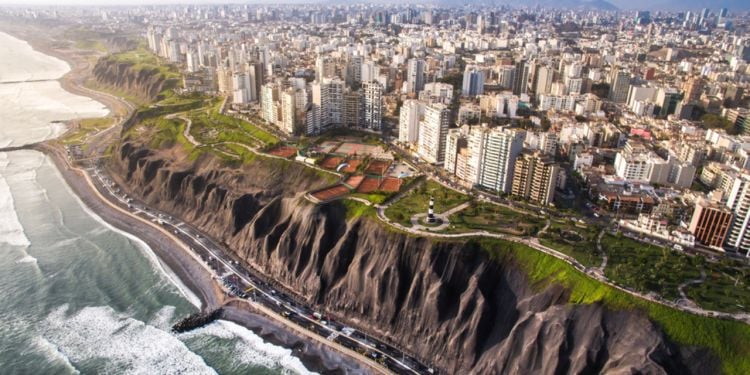
Finding work in Lima
Lima, as the capital of Peru, is the country's industrial and financial centre and also a major Latin American economic hub. Lima generates ...
Higher Education and Universities in Lima
Lima hosts Peru's most prestigious universities, offering programs across all disciplines. While most courses are taught in Spanish, several institutions provide English-taught programs, particularly at postgraduate level. International students benefit from relatively affordable tuition compared to universities in North America or Europe.
Top Universities for International Students
Pontificia Universidad Católica del Perú (PUCP) ranks #1 in Peru and #10 in Latin America according to QS rankings. Founded in 1917, it offers 52 undergraduate and 109 postgraduate programs. Tuition for international students ranges from USD 1,078 to USD 3,000 per year. PUCP maintains over 300 exchange agreements with universities worldwide. Visit: www.pucp.edu.pe
Universidad Nacional Mayor de San Marcos (UNMSM), founded in 1551, is the oldest continuously operating university in the Americas. This public institution serves over 37,000 students across 20 faculties. Tuition starts from approximately USD 1,000 per year for international students. Visit: www.unmsm.edu.pe
Admission Requirements
International applicants typically need official transcripts, Spanish language proficiency (DELE B2 or equivalent), and must pass an entrance examination for public universities. Some private institutions offer English-taught programs requiring IELTS or TOEFL scores. Student visas can be obtained through Peruvian consulates with proof of enrollment and financial means.
Sources: QS World University Rankings, PUCP
Retirement in Lima: A Comfortable Option
Lima has emerged as an attractive retirement destination, offering quality healthcare, affordable living, and a pleasant climate. The city's modern infrastructure in expat-friendly districts provides all the comforts retirees seek, while Peru's favorable visa policies make long-term residence straightforward.
Visa Options for Retirees
The Rentista Visa is designed for those with a permanent income source. Applicants must demonstrate minimum monthly income of approximately USD 1,000 from pensions, investments, or rental income. After three years of legal residence, permanent residency is available. Citizenship can be pursued after two years with demonstrated ties to Peru.
Healthcare and Lifestyle
Private healthcare in Lima meets international standards, with facilities like Clínica Ricardo Palma and Clínica Anglo Americana offering English-speaking staff. Monthly health insurance for retirees ranges from USD 100 to USD 300 depending on coverage. The year-round mild climate (averaging 18-27°C or 64-81°F) suits those seeking to escape harsh winters. Golf clubs, social organizations, and expat groups provide community connections.
Sources: Migraciones Peru, International Living
Schools and Education for Expat Children
Lima offers a wide selection of international schools catering to expat families. Most are located in the southern districts of Miraflores, Surco, and La Molina. By law, all schools must incorporate the Peruvian curriculum, meaning children will also study Spanish and Peruvian history alongside their primary curriculum.
International School Options
Colegio Franklin Delano Roosevelt is the official U.S. State Department school in Peru, offering an American curriculum with IB diploma program. Annual tuition ranges from S/. 57,036 to S/. 64,607 (approximately USD 15,000-17,000). The school follows the northern hemisphere calendar (August to June). Visit: www.amersol.edu.pe
Markham College provides British-heritage bilingual education with IGCSE and A-Level qualifications. Annual fees range from S/. 46,193 to S/. 57,741 (approximately USD 12,000-15,000). Visit: www.markham.edu.pe
More affordable options include Euroamerican College with IB programs at S/. 18,950 to S/. 26,955 annually (approximately USD 5,000-7,000).
Enrollment Process
Most schools require children to pass entrance assessments and parents to attend interviews. Registration typically opens one year before entry for kindergarten and elementary levels. Documentation includes birth certificates, academic records, and immunization records. Admission fees range from USD 4,000 to USD 10,000 depending on the institution.
Sources: International Schools Database, LimaEasy
Housing and Neighborhoods in Lima
Lima's real estate market offers diverse options from modern apartments to colonial-style houses. Most expats settle in the upscale southern districts where infrastructure, safety, and amenities meet international standards. Rental contracts typically run for 12 months with one to two months' deposit required.
Best Neighborhoods for Expats
Miraflores is Lima's most popular expat district, offering ocean views, parks, restaurants, and excellent walkability. Monthly rent for a one-bedroom apartment averages S/. 2,297 (approximately USD 610) in the center.
San Isidro is the financial district and most upscale residential area. Home to embassies and corporate headquarters, it features the beautiful Parque El Olivar. Expect rents from USD 600 to USD 1,000 for a one-bedroom apartment.
Barranco offers a bohemian atmosphere with colorful streets, art galleries, and vibrant nightlife. Slightly more affordable, one-bedroom apartments start around USD 500.
Rental Prices Overview
1-Bedroom (City Center) | S/. 2,297 (USD 610) |
1-Bedroom (Outside Center) | S/. 1,366 (USD 360) |
3-Bedroom (City Center) | S/. 3,701 (USD 980) |
3-Bedroom (Outside Center) | S/. 2,367 (USD 630) |
Sources: Numbeo 2025, Global Property Guide

Accommodation in Lima
Relocating to Lima is a popular choice amongst expatriates moving to Peru. As the Peruvian capital, Lima is home to a population of approximately 8 ...
Leisure, Culture and Things to Do in Lima
Lima combines ancient history with contemporary culture, offering endless options for entertainment and exploration. From world-class museums to oceanfront parks and a legendary food scene, the city caters to diverse interests and budgets.
Museums and Cultural Sites
The Museo Larco houses over 30,000 pre-Columbian artifacts in a stunning colonial mansion, including the famous erotic ceramics collection. The Historic Center, a UNESCO World Heritage Site, features the Lima Cathedral, Plaza Mayor, and the San Francisco Monastery with its fascinating catacombs containing an estimated 70,000 remains. Huaca Pucllana, an ancient adobe pyramid in Miraflores, offers evening tours with dinner at its acclaimed restaurant.
Parks and Outdoor Activities
The Malecón stretches 10 kilometers along the Pacific coast, connecting parks, gardens, and viewpoints. Parque Kennedy in Miraflores is famous for its resident cats and weekend artisan markets. Parque El Olivar in San Isidro features 1,500 olive trees planted four centuries ago.
Nightlife and Entertainment
Barranco is Lima's nightlife hub, with peñas (folk music venues), craft cocktail bars, and dance clubs. Miraflores offers international restaurants, rooftop bars, and live music venues. Cinema tickets cost approximately S/. 22 (approximately USD 6), and the city hosts numerous festivals, concerts, and cultural events throughout the year.
Sources: TripAdvisor, Lonely Planet

Leisure activities in Lima
If you're considering a move to Lima, you're probably wondering what you'll do in your spare time. You'll be pleasantly surprised by the range of ...
Daily Life in Lima: Transportation and Lifestyle
Daily life in Lima combines modern conveniences with unique local customs. The city never sleeps, with restaurants serving late and shops staying open into the evening. Spanish is essential for daily interactions outside tourist areas, though English is increasingly common in business districts.
Getting Around Lima
The Metropolitano bus rapid transit system connects southern districts (Chorrillos, Barranco, Miraflores) with the city center and northern Lima. A rechargeable card costs S/. 4.50 (approximately USD 1.20), with single fares at S/. 2.50 (approximately USD 0.70). Buses run every 5-10 minutes during peak hours and operate from 5:00 AM to 10:00 PM.
The Metro Line 1 runs from Villa El Salvador to San Juan de Lurigancho, covering 30+ kilometers with 26 stations. Additional lines are under construction.
Ride-sharing apps Uber and Beat are widely used and affordable, typically costing USD 3-8 for trips within expat neighborhoods. Traditional taxis are abundant but negotiate fares beforehand.
Lifestyle and Culture
Lima's culinary scene is world-famous. Lunch is the main meal, with many restaurants offering menú del día (set lunch) for S/. 10-20 (approximately USD 3-5). Weekend markets, oceanfront parks, and cultural events provide endless entertainment. Summers (December-March) bring warm weather and beach culture, while winters (June-September) feature gray skies but mild temperatures.
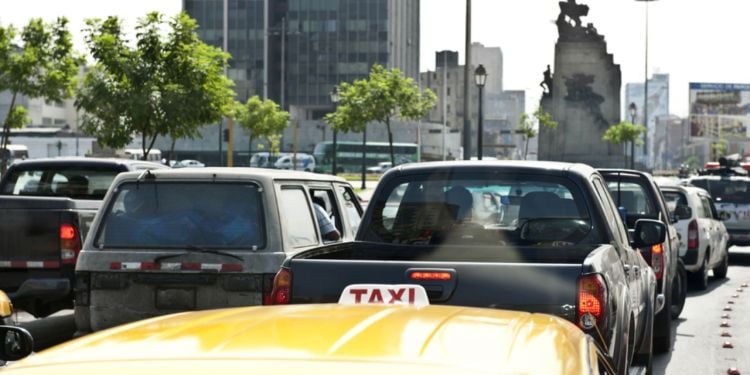
Travelling around Lima
As a huge sprawling metropolis, learning to get around Lima is vital if you intend to live in the capital city of Peru. Lima's transport system ...
Cost of Living in Lima: Monthly Budget Breakdown
Lima offers a significantly lower cost of living compared to major cities in North America, Europe, or Australia. A comfortable lifestyle in expat-friendly neighborhoods is achievable on a moderate budget, though imported goods and international schools add considerably to expenses.
Monthly Budget for a Single Person
Expense Category | Monthly Cost (USD) |
Rent (1-bedroom, city center) | 610 |
Utilities (electricity, water, internet) | 77 |
Groceries | 200 |
Transportation | 50 |
Dining out and leisure | 150 |
Total (Single Person) | ~1,087 |
Monthly Budget for a Family of Four
Expense Category | Monthly Cost (USD) |
Rent (3-bedroom, city center) | 980 |
Utilities | 120 |
Groceries | 450 |
Transportation | 100 |
International school (1 child) | 1,200 |
Healthcare insurance | 200 |
Total (Family of Four) | ~3,050 |
Sources: Numbeo 2025, International Schools Database
In Short
Lima offers an exceptional combination of affordability, culture, and opportunity that few cities can match. Whether you're drawn by career prospects in its growing economy, the chance to study at prestigious universities, or simply the appeal of world-class cuisine at local prices, Lima welcomes newcomers with open arms. The city's established expat communities in Miraflores, San Isidro, and Barranco provide support networks for settling in, while modern infrastructure ensures comfortable daily living. From the ancient mysteries of Huaca Pucllana to the contemporary buzz of Barranco's art scene, Lima constantly surprises and inspires. Ready to start your Lima adventure? Join the Expat.com Lima forum to connect with fellow expats, ask questions, and get insider tips for your move.
We do our best to provide accurate and up to date information. However, if you have noticed any inaccuracies in this content, please contact us.


Essential services for your expat journey



