

Living in Cuenca: the ultimate expat guide
Everything you need to know for a successful life in Cuenca.
Nestled in the southern Andes at 2,538 meters above sea level, Cuenca is Ecuador's third-largest city and a UNESCO World Heritage Site celebrated for its remarkably preserved colonial architecture. With a metropolitan population of approximately 596,000 residents as of the 2022 census, this cultural capital combines old-world charm with modern amenities. Known locally as the "Athens of Ecuador", Cuenca boasts a temperate climate averaging 16.3°C year-round, eliminating the need for heating or air conditioning. The city's cobblestone streets, sky-blue cathedral domes, and four rivers flowing through its historic center create an enchanting setting for the 4,000 to 6,000 expats who have chosen to call it home.
Five Reasons to Move to Cuenca
- Exceptional affordability: The cost of living sits approximately 60% below U.S. averages, with comfortable living possible on $1,500 to $2,000 monthly for a couple.
- Perfect climate: Spring-like weather year-round means no extreme temperatures, minimal humidity, and comfortable conditions without costly climate control systems.
- Rich cultural scene: Museums, art galleries, theaters, festivals, and a thriving arts community make Cuenca Ecuador's undisputed cultural capital.
- Quality healthcare: Modern medical facilities with bilingual doctors provide excellent care at a fraction of U.S. costs, with comprehensive health insurance available for under $100 monthly.
- Welcoming expat community: An established international community provides support networks, social activities, and resources to ease the transition to life abroad.
Working in Cuenca
Cuenca's economy centers on commerce, light manufacturing, tourism, and services, with growing opportunities in technology and remote work sectors. While Ecuador's economy remains heavily dependent on oil exports and agriculture at the national level, Cuenca has diversified into jewelry manufacturing, ceramics, leather goods, and the famous Panama hat production that originated in this region. The city has emerged as a hub for international retirees and digital nomads, creating demand for English-language services, real estate, healthcare, and hospitality.
Employment Landscape and Key Sectors
The local job market offers positions primarily in tourism, education, healthcare, and business services. International schools and language institutes frequently seek native English teachers, while the growing expat population creates opportunities in real estate, property management, and concierge services. Ecuador's minimum monthly wage stands at $470 as of January 2025, with average salaries in Cuenca ranging from $1,360 to $1,470 per month across industries. Professional roles in technology, finance, and management command higher compensation, typically $1,500 to $3,000 monthly.
Key employment sectors include tourism and hospitality, education and language instruction, healthcare and wellness services, information technology and remote work, retail and import-export businesses, and real estate and property management. The national unemployment rate sits at approximately 4.1% according to Ecuador's National Institute of Statistics (INEC) data from May 2025, though informal employment remains significant at around 54% of the workforce.
Unemployment Rate (National) | 4.1% |
Minimum Monthly Wage | $470 |
Average Monthly Salary (Cuenca) | $1,360 - $1,470 |
Key Sectors | Tourism, Education, Healthcare, Technology |
Sources: INEC (National Institute of Statistics and Census), Ministry of Labor Ecuador
Work Permits and Requirements
Foreign nationals seeking employment in Ecuador require a work visa or professional visa sponsored by an Ecuadorian employer. The professional visa requires a four-year university degree and allows independent work without employer sponsorship. Processing typically takes two to four months and costs approximately $450 to $500 including application and approval fees. Applicants must provide apostilled documents, including university diplomas, background checks, and proof of financial means. Alternatively, the digital nomad visa permits remote work for foreign companies while residing in Ecuador, requiring proof of online employment or self-employment with adequate income. Many expats bypass traditional employment by establishing businesses, working remotely, or living on retirement income.
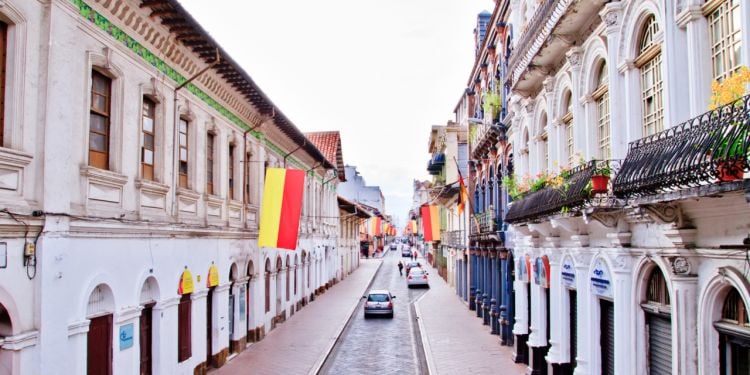
Work in Cuenca
There is no doubt that the Spanish colonial city of Cuenca is a wonderful place to call home, as demonstrated by the thousands of expats who have ...
Higher Education and Universities
Cuenca's higher education landscape centers on the University of Cuenca (Universidad de Cuenca), the city's premier public institution and one of Ecuador's oldest universities. Founded in 1867, the university serves approximately 12,000 to 15,000 students across 12 faculties offering 51 undergraduate programs, 30 master's degrees, and one doctoral program. While instruction occurs primarily in Spanish, the university welcomes international students and maintains exchange programs with institutions worldwide.
Main Universities and Programs
The University of Cuenca provides comprehensive programs across all knowledge areas, including engineering, medicine, architecture, law, economics, and arts. The institution ranks among Ecuador's top eight universities and holds accreditation from Ecuador's Council for Quality Assurance of Higher Education. Notable departments include Water Resources and Environmental Sciences, Space and Population Studies, and Electrical and Telecommunications Engineering. The university operates an Orquideario showcasing over 400 orchid species and maintains archaeological sites including Pumapungo ruins on campus grounds.
For international students, the Center for Interamerican Studies (CEDEI) offers Spanish language programs and cultural immersion courses specifically designed for foreign learners. Private institutions and technical institutes supplement higher education options, focusing on business, technology, and vocational training.
Tuition, Admission, and Student Life
As a public institution, the University of Cuenca provides free tuition for undergraduate programs, requiring only minimal administrative fees of approximately $50 to $100 per semester. Graduate programs charge tuition ranging from $500 to $2,000 per semester depending on the program. The university maintains a selective admission policy with acceptance rates between 50% and 59%, requiring entrance examinations for most programs.
International applicants must submit apostilled and translated academic documents, including high school diplomas or bachelor's degrees for graduate programs. Spanish language proficiency proves essential, as most courses operate entirely in Spanish. Students can access university libraries, sports facilities, student housing assistance, and cultural activities throughout the academic year, which runs from September to July in the Andean region. Campus life integrates seamlessly with Cuenca's broader cultural scene, offering students access to museums, theaters, festivals, and the city's vibrant social environment.
For more information, visit: University of Cuenca Official Website
Retiring in Cuenca
Cuenca has emerged as one of Latin America's premier retirement destinations, consistently ranking in international publications' top retirement havens. The city's combination of affordable living, excellent healthcare, temperate climate, rich culture, and welcoming expat community creates ideal conditions for retirees seeking quality of life on modest budgets. An established community of 4,000 to 6,000 international retirees provides social networks, support systems, and shared resources for newcomers.
The Ecuador Retirement Visa
Ecuador offers one of the world's most accessible retirement visa programs through its Pensionado (Retirement) Visa, also designated as the Jubilado visa (60-III). As of 2025, applicants must demonstrate guaranteed lifetime income of at least $1,410 per month (three times Ecuador's basic minimum wage of $470), plus an additional $250 monthly for each dependent. This income can come from Social Security, pensions, 401(k) distributions, IRA withdrawals, annuities, or rental income from fully owned properties.
The visa grants two-year temporary residency, renewable indefinitely. After residing in Ecuador for 21 months with no more than 90 days total absence, holders can apply for permanent residency. The visa allows unlimited entries and exits from Ecuador, provides work authorization, and grants access to Ecuador's senior citizen benefits for those over 65.
Application Process and Requirements
Applicants can apply through Ecuadorian consulates abroad, online through Ecuador's Ministry of Foreign Affairs portal, or in-country after arriving on a tourist visa. The process requires:
- Completed visa application form with passport-style photo
- Valid passport with at least six months validity (preferably two years)
- Proof of guaranteed lifetime income (pension statements, Social Security benefit letter, annuity documents)
- Background checks from home country and any country of residence for five or more years, apostilled and translated
- Private health insurance valid for at least 90 days upon entry
- Marriage certificate or birth certificates for dependents (apostilled and translated)
Costs include a $50 consular application fee, $250 to $450 visa approval fee, and $15 to $25 for the Ecuadorian ID card (cédula). Apostille services, translations, and attorney assistance (if used) add $500 to $1,500 to total costs. Legal service providers like Gringo Visas offer all-inclusive packages around $1,500 for primary applicants, handling documentation and processing.
Senior Citizen Benefits and Healthcare
Ecuador's tercera edad program grants substantial discounts to residents over 65, including 50% reductions on public transportation (buses, trams, and domestic flights), utilities (electricity and water), entertainment venues (theaters, museums, concerts), and property taxes. These benefits significantly reduce living costs for qualifying retirees.
Cuenca provides excellent healthcare through modern private hospitals and clinics staffed by bilingual physicians, many trained in the United States or Europe. Hospital Monte Sinaí, Hospital Santa Inés, and Clínica Santa Ana offer high-quality medical services at prices dramatically lower than U.S. equivalents. Doctor consultations cost $25 to $50, specialist visits $40 to $80, and major procedures like hip replacements or cardiac surgeries run $8,000 to $15,000, a fraction of U.S. costs.
Private health insurance through companies like Ecuasanitas, BMI, or Salud S.A. costs $70 to $150 monthly for individuals, $180 to $280 for couples, depending on age and coverage. Policies typically include hospitalization, outpatient care, prescriptions, and emergency services with reasonable deductibles and copays.
Sources: Ecuador Ministry of Foreign Affairs, Ecuador Civil Registry
Schooling for Children
Families relocating to Cuenca find a range of educational options including public schools, private bilingual institutions, and international schools. While Ecuador's public education system provides free schooling through ninth grade, most expat families opt for private or international schools offering English-language instruction and internationally recognized curricula. The school year in Ecuador's highlands runs from early September through late June, with main holidays in July and August.
International and Bilingual Schools
Cuenca offers several reputable options for English-speaking students. Colegio Americano de Cuenca provides bilingual education with both English and Spanish instruction, following an American-influenced curriculum. Colegio Bilingüe Interamericano offers comprehensive bilingual programs from elementary through secondary levels. Colegio Internacional SEK maintains a presence in the region with internationally recognized programs. Unidad Educativa del Milenio Sayausí, located in a quiet Cuenca suburb, provides English-medium instruction with a strong reputation for educational excellence.
Most international schools in Ecuador concentrate in Quito and Guayaquil, but Cuenca's institutions meet the needs of expat families seeking quality bilingual education. Schools typically offer programs aligned with American, British, or International Baccalaureate standards, facilitating transitions for internationally mobile families.
Enrollment, Costs, and Requirements
Annual tuition at private international schools in Cuenca ranges from $3,000 to $6,000 per child, significantly lower than comparable institutions in North America or Europe. Additional costs include enrollment fees ($200 to $500), uniforms ($100 to $200), books and materials ($200 to $400), and extracurricular activities. Schools often provide discounts of 10% to 20% for second and subsequent children.
Enrollment requirements typically include the child's passport or birth certificate, previous school records or report cards to determine appropriate grade placement, immunization records, and sometimes entrance assessments to ensure proper grade level assignment. Most schools prefer personal appointments for enrollment discussions rather than email correspondence. The Ecuadorian school system generally aligns with international standards, with children entering first grade at age six. International schools accommodate varying academic calendars and educational backgrounds, making transitions smoother for newly arrived families. School transportation, meals, and after-school programs vary by institution, with many schools offering these services for additional fees.
Sources: Ecuador Ministry of Education, individual school websites
Housing and Neighborhoods
Cuenca's housing market offers excellent value with diverse options from colonial-era homes in the historic center to modern apartments in expanding suburbs. The city's UNESCO-designated El Centro features beautifully restored colonial buildings with interior courtyards, high ceilings, and architectural details dating back centuries. Modern developments in areas like El Ejido, Ordoñez Lasso, and Challuabamba provide contemporary amenities including security systems, parking, and shared facilities.
Popular Expat Neighborhoods
El Centro (Historic Center) places residents within walking distance of museums, restaurants, markets, and cultural sites. Rental prices for one-bedroom apartments range from $400 to $600 monthly, while larger units command $700 to $1,000. Properties feature colonial architecture but may lack modern conveniences like elevators or parking.
El Ejido sits adjacent to the historic center, offering newer construction with better parking and elevator access. This neighborhood attracts expats seeking modern comforts while remaining close to downtown. One-bedroom apartments rent for $450 to $650, with two to three-bedroom units at $700 to $1,200 monthly.
Ordoñez Lasso and Challuabamba represent Cuenca's southern expansion, featuring gated communities, new apartment complexes, and suburban-style living. These areas provide quiet residential environments about 15 to 20 minutes from downtown. Rental costs run slightly lower at $400 to $800 for modern apartments, while standalone houses rent from $800 to $1,500 monthly.
Mirador de Turi and Yanuncay offer elevated positions with panoramic city views, appealing to those seeking tranquility and natural settings while remaining accessible to urban amenities. The areas along the Tomebamba River provide scenic settings with walking paths, parks, and restaurant access.
Rental Procedures and Purchase Options
Renting typically requires a one-month security deposit, first month's rent, and sometimes last month's rent upfront. Lease agreements generally run 12 months, though shorter terms negotiate easier in expat-friendly buildings. Landlords may request references, proof of income, or guarantor information. Unfurnished apartments dominate the market, requiring tenants to provide furniture, kitchen appliances, and sometimes light fixtures.
Utility costs remain remarkably low, with electricity, water, gas, and internet totaling $50 to $100 monthly for typical apartments. Many buildings include maintenance fees covering common areas, security, and building management.
Property purchase prices average $1,200 to $1,500 per square meter in the historic center and $1,000 to $1,300 per square meter in outlying neighborhoods. A comfortable two-bedroom apartment of 100 square meters costs approximately $120,000 to $150,000. Expats can purchase property without residency requirements, though working with a reputable attorney proves essential for title verification and transaction security.
Sources: Numbeo Cost of Living Data, local real estate market analysis
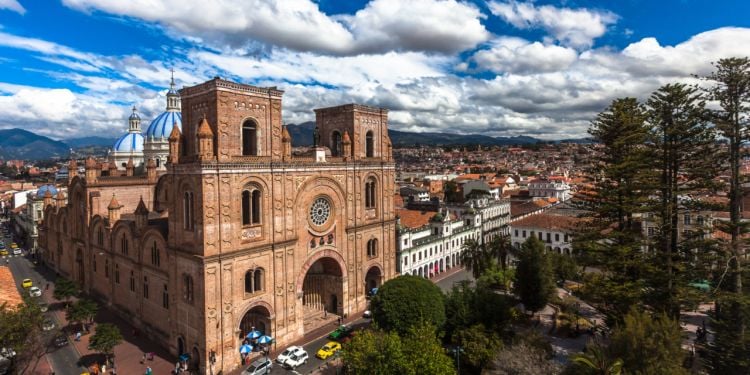
Accommodation in Cuenca
The rose-colored lenses through which potential expats have been made to view Cuenca often blur how the real estate market is constantly evolving, ...
Leisure, Culture, and Things to Do
Cuenca's designation as a UNESCO World Heritage Site reflects its extraordinary architectural and cultural treasures. The city pulsates with artistic energy, hosting numerous festivals, concerts, exhibitions, and cultural events throughout the year. Residents enjoy access to world-class museums, colonial churches, artisan workshops, vibrant markets, and pristine natural areas all within easy reach.
Museums, Arts, and Historic Sites
The Pumapungo Museum ranks among Ecuador's most significant cultural institutions, combining archaeological artifacts, contemporary art galleries, ethnographic exhibits, and outdoor Cañari and Inca ruins on its grounds. The museum provides comprehensive insights into Ecuador's pre-Columbian civilizations and modern cultural expressions, all with free admission.
Museo de las Culturas Aborígenes houses over 5,000 archaeological pieces representing more than 20 pre-Columbian cultures, offering exceptional displays of ceramics, tools, and cultural artifacts. The Museo Municipal de Arte Moderno showcases contemporary Ecuadorian art in a beautifully restored historic building. The Inter-American Center of Popular Arts and Crafts (CIDAP) displays folk art from 28 countries across Latin America, celebrating the region's rich artisan traditions.
The Cathedral of the Immaculate Conception dominates Cuenca's skyline with its three sky-blue domes, visible throughout the city. Construction spanned nearly a century, completing in 1975. Visitors can climb the towers for panoramic views, though the architect's miscalculation prevented the full height originally planned. The Old Cathedral (Iglesia de El Sagrario), built in 1557, now operates as a museum of religious art and artifacts.
Homero Ortega Panama Hat Factory offers tours explaining the history and production of Ecuador's famous Panama hats, which despite their name originated in Ecuador. Visitors watch artisans weave hats and can purchase authentic pieces directly from the source.
Outdoor Activities and Natural Attractions
El Cajas National Park, located just 30 kilometers west of Cuenca, encompasses 2,854 square kilometers of high-altitude páramo landscape dotted with over 200 glacial lakes. The park provides exceptional hiking, birdwatching, and photography opportunities, with trails ranging from easy lakeside walks to challenging high-altitude treks. Andean condors, spectacled bears, pumas, and hundreds of bird species inhabit this protected wilderness. The park entrance includes an interpretation center, restaurant, and marked trails with free admission.
The Mirador de Turi offers spectacular panoramic views of Cuenca from an elevated position south of the city center. This viewpoint includes a church and restaurant, making it ideal for sunset visits. The four rivers flowing through Cuenca, Tomebamba, Yanuncay, Tarqui, and Machángara, provide pleasant riverside walks and parks connecting neighborhoods throughout the city.
Markets, Gastronomy, and Social Scene
Mercado 10 de Agosto stands as one of Ecuador's most famous markets, overflowing with tropical fruits, fresh vegetables, meats, cheeses, and traditional foods at bargain prices. The market also offers limpias, traditional spiritual cleansing ceremonies performed by local healers. Mercado 9 de Octubre provides similar abundance with a focus on flowers, textiles, and household goods.
Cuenca's restaurant scene has flourished in recent years, offering everything from traditional Ecuadorian cuisine to international fare. Set lunch menus (almuerzos) cost $3 to $5, while upscale dining rarely exceeds $70 to $80 for a couple including wine. Notable dishes include cuy (guinea pig), hornado (roasted pork), mote (hominy corn preparations), and fresh trout from nearby El Cajas.
The city's bar and nightlife scene includes craft breweries like Jodoco Belgian Brew, cocktail lounges, traditional peñas with live music, and dance clubs concentrated in the El Centro and El Ejido neighborhoods. Cultural centers regularly host theater performances, concerts, poetry readings, and art exhibitions, often with free or minimal admission. Annual festivals include Independence Day celebrations (November 3), Carnaval in February, Corpus Christi processions, and numerous neighborhood fiestas throughout the year.
Sources: Municipality of Cuenca, Ecuador Ministry of Environment - Protected Areas
Daily Life in Cuenca
Daily life in Cuenca moves at a comfortable pace, blending traditional Ecuadorian customs with modern conveniences. The city's compact size and walkable layout make car ownership optional for most residents. Markets, shops, restaurants, and services concentrate within the historic center and along major thoroughfares, placing daily necessities within easy reach.
Transportation and Getting Around
Cuenca's public transportation system includes an extensive bus network and the modern Tranvía (tram system) inaugurated in 2020. The tram connects major neighborhoods along a 20-kilometer route with clean, efficient service. Bus fares cost approximately $0.30 per ride, with tram service at similar rates. Residents aged 65 and older benefit from 50% discounts on public transport, including buses, trams, and even domestic airline tickets under Ecuador's tercera edad (senior citizen) program.
Taxi services operate throughout the city with meters, starting at $0.55 and charging approximately $0.75 to $1.00 per kilometer. Most rides within the city cost $2 to $5. Ride-sharing services have limited presence, but taxis remain reliable and affordable. The city's layout and temperate weather encourage walking, with the historic center offering pleasant pedestrian experiences along cobblestone streets and riverside paths.
For those requiring vehicles, gasoline costs approximately $1.35 per gallon following the government's elimination of fuel subsidies. Cuenca's traffic remains manageable compared to larger cities, though parking can prove challenging in the historic center.
Lifestyle and Cultural Habits
The largest meal of the day occurs at lunch, typically served in two courses starting with soup followed by a protein, rice, and vegetables. Restaurants offer almuerzos (set lunches) for $3 to $5, providing excellent value. Dinner tends toward lighter fare, often eaten later in the evening around 7 or 8 PM.
Local markets including Mercado 10 de Agosto and Mercado 9 de Octubre overflow with fresh produce, meats, cheeses, and traditional foods at prices well below supermarket rates. These markets operate daily, becoming essential weekly stops for budget-conscious shoppers and those seeking authentic local products. Supermarket chains like Supermaxi, Coral, and Tía provide familiar shopping experiences with both local and imported goods.
Banking, medical appointments, and government services generally require patience and sometimes multiple visits. Operating hours for businesses typically run Monday through Friday, 9:00 AM to 6:00 PM, with reduced Saturday hours and Sunday closures for most establishments. The siesta tradition has largely faded in urban areas, though some smaller businesses close midday for lunch.
Internet and mobile phone services function reliably throughout Cuenca. Monthly internet costs range from $25 to $40 for residential connections, while mobile plans run $10 to $30 monthly for adequate data and calling. Major providers include CNT, Claro, and Movistar.
Sources: Municipality of Cuenca, local service providers
Cost of Living in Cuenca
Cuenca consistently ranks as one of South America's most affordable cities for expats, with living costs approximately 60% lower than comparable U.S. cities. A single person can live comfortably on $1,200 to $1,500 monthly, while couples typically spend $1,800 to $2,500 depending on lifestyle choices. Ecuador's use of the U.S. dollar as official currency eliminates exchange rate concerns for American expats, providing financial stability and simplified transactions.
Monthly Budget for a Single Person
The following table presents realistic monthly expenses for a single person living in Cuenca, based on Numbeo data and local market conditions as of 2025. These figures assume moderate lifestyle choices, occasional dining out, and rental of a one-bedroom apartment outside the historic center.
Expense Category | Monthly Cost (USD) |
Rent (1-bedroom apartment, outside center) | $400 - $500 |
Utilities (electricity, water, gas, internet) | $60 - $80 |
Groceries and food at home | $200 - $300 |
Dining out (10-12 meals) | $80 - $120 |
Transportation (public transport, taxis) | $40 - $60 |
Mobile phone and internet | $35 - $50 |
Health insurance (private) | $70 - $100 |
Entertainment and leisure | $100 - $150 |
Personal care and miscellaneous | $80 - $120 |
Total Monthly Budget | $1,065 - $1,480 |
Sources: Numbeo Cuenca Cost of Living
Monthly Budget for a Family of Four
Families with two children face higher expenses for housing, education, and daily needs but still find Cuenca remarkably affordable compared to North American or European cities. The budget below assumes rental of a three-bedroom apartment, private bilingual schooling for two children, moderate entertainment, and occasional family outings.
Expense Category | Monthly Cost (USD) |
Rent (3-bedroom apartment, good neighborhood) | $800 - $1,200 |
Utilities (electricity, water, gas, internet) | $100 - $150 |
Groceries and food at home | $450 - $600 |
Dining out (family meals) | $150 - $250 |
Transportation (vehicle or regular taxi use) | $150 - $250 |
Mobile phones and internet | $50 - $80 |
Health insurance (family plan, private) | $180 - $280 |
School fees (2 children, bilingual school) | $500 - $1,000 |
Entertainment, activities, leisure | $200 - $300 |
Personal care and miscellaneous | $150 - $250 |
Total Monthly Budget | $2,730 - $4,360 |
Sources: Numbeo Cuenca Cost of Living, local school fee surveys
Additional Cost Considerations
Healthcare costs remain exceptionally affordable. Doctor visits range from $25 to $50, specialist consultations $40 to $80, and prescription medications typically cost 50% to 70% less than U.S. prices. Private health insurance through Ecuadorian providers runs $70 to $280 monthly depending on age, coverage level, and family size. Retirees over 65 qualify for substantial discounts on utilities, transportation, and entertainment under Ecuador's tercera edad benefits, potentially reducing monthly expenses by $100 to $200.
In Short
Cuenca offers an exceptional combination of affordability, culture, climate, and community that few destinations can match. With living costs 60% below North American averages, a UNESCO-protected colonial center, spring-like weather year-round, and modern amenities, this Andean gem provides retirees and expats with an enriching lifestyle on modest budgets. The welcoming international community, excellent healthcare, accessible retirement visa, and rich cultural offerings create ideal conditions for those seeking adventure without sacrificing comfort or security. Whether you're drawn by economic advantages, cultural immersion, or simply the appeal of starting fresh in a beautiful setting, Cuenca delivers on its promises. Ready to learn more from those already living the dream? Join the vibrant community on the Expat.com Cuenca Forum to connect with expats, ask questions, and discover insider tips for your move to Ecuador's cultural capital.
We do our best to provide accurate and up to date information. However, if you have noticed any inaccuracies in this content, please contact us.


Essential services for your expat journey