

Living in Chile: the ultimate expat guide
Everything you need to know for a successful life in Chile.
Between the ocean and the Andes mountains, Chile presents a striking contrast: breathtaking landscapes, a high standard of living, and a climate that fosters new ventures. It is one of the most stable countries in Latin America, recognized for its steady economic growth, safety, and significant international openness. Its capital, Santiago, is home to the majority of job opportunities and a thriving cultural scene.
The country has nearly 20 million inhabitants, including an estimated French community of between 10,000 and 12,000 people, primarily settled in the metropolitan region of Santiago. Its blend of modernity, natural beauty, and dynamic economy makes it an attractive destination for those looking to settle here long-term.
5 great reasons to choose Chile
- A safe and stable living environment: considered one of the most developed and secure countries in Latin America.
- Stunning landscapes: from the Atacama Desert to Patagonia, it boasts a unique natural diversity.
- A dynamic economy: Chile encourages entrepreneurship and offers a solid economic climate.
- A recognized education system: there are several French schools, and local universities are of high quality.
- A vibrant and welcoming culture: a mix of Andean traditions, European influences, and a warm way of life.
The Expat.com guide has been designed to help you prepare your move to Chile under the best possible conditions. You will find all the essential information: visas, employment, housing, healthcare, daily life, and local integration.
⚠️ The Chilean peso can fluctuate significantly. The amounts indicated in euros in this guide are for reference only.
Official language: Spanish | Local currency: Chilean Peso (CLP) | Time difference from France: -4 hours in winter, -6 hours in summer | Flight duration from Paris to Santiago: approximately 14 hours |
Formalities and visas in Chile
To settle in Chile, certain requirements are mandatory. Citizens from France and European countries can enter withouta visa to visit Chile for stays of up to 90 days thanks to the Permiso de Permanencia Transitoria (Temporary Stay Permit). This document is issued upon arrival and allows you to stay for up to 90 days (extendable once). Keep it safe, as it will be requested when you leave the country and sometimes during your visit.
If you plan to stay beyond 90 days, those aged 18 to 30 can apply for the Working Holiday Permit (Vacaciones-Trabajo) for a stay of one year that combines travel with employment. Others will need to apply for a Temporary Residency Permit. This status allows you to legally live in Chile, and depending on your category, work or study for a period of up to two years. Once you acquire temporary residency, you may apply for the Permanent Residency Permit (permanent residency), which allows you to stay indefinitely and pursue any legal activity. After several years of continuous residency, you may also pursue Chilean citizenship.
Once your temporary residency is approved, you will need to obtain two essential documents: the Chilean identity card for foreigners (cédula de identidad para extranjeros), which you can obtain from the Registro Civil, attesting to your resident status and required for most administrative processes; and the RUT (Rol Único Tributario), issued by the Servicio de Impuestos Internos (SII), which is equivalent to a tax number in France and is essential for working, opening a bank account, or renting accommodation.
All applications for residency permits are processed online through the National Migration Service. Processing times can often be lengthy: plan your application well in advance. If needed, the French embassyand the consulin Santiago can assist you.
💡 Helpful tips
- Start the application process at least 6 months before your departure.
- Have your important documents translated and notarized : birth certificate, marriage certificate, diplomas...
- Regularly monitor the online tracking of your application through the National Migration Service (application status check).
📍 To learn more
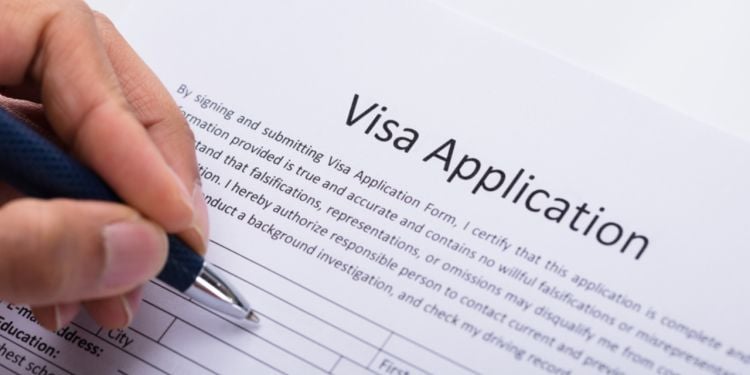
Visas and immigration in Chile
Chile has a well-structured immigration system, but it comes with a rule that catches many people ...
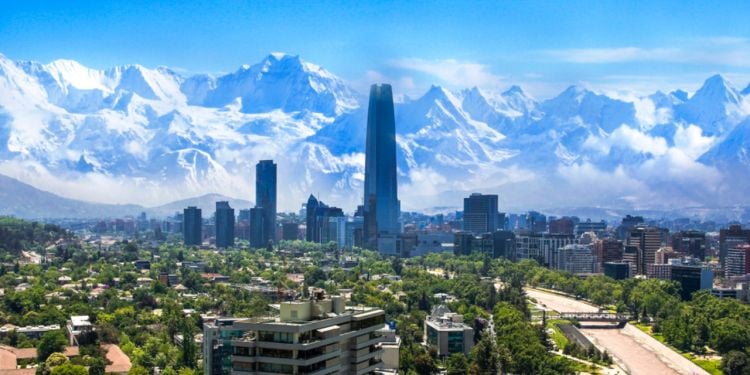
Short-stay visas for Chile
Chile overhauled its short-stay entry rules in September 2025, introducing a mandatory prior ...

Getting married in Chile
Chile is one of the few countries in Latin America where same-sex marriage is fully legal, where ...
Working in Chile
The job market in Chile is known for its stability and dynamism, making the country one of the most successful economies in Latin America. The industries that are hiring the most include mining (copper, lithium), construction, information technology, agri-food, and education. Spanish is essential for the majority of positions, although English is widely spoken in multinational companies. There are plenty of opportunities for qualified profiles, though competition is fierce. Internships are also accessible, especially in NGOs, startups, and international companies based in Santiago, often in partnership with universities.
Starting a business is made easier by a competitive tax framework and simplified administrative procedures, attracting many foreign entrepreneurs.
In-demand profiles:
- Engineers and technicians in the mining sector
- IT professionals and web developers
- International business executives
- English teachers
💡 Key takeaways
- Networking (pituto) is crucial for job hunting.
- Salaries may appear attractive, but the real purchasing power remains limited, particularly in Santiago, where living costs are higher compared to the rest of the country.
- Entrepreneurship continues to be appealing due to favorable taxation.
Unemployment rate: 8.6% in 2025 | Legal working hours: 45 hours per week (currently being gradually reduced) | Minimum wage: 2,743 CLP per hour (~ €2.70) | Income tax: progressive, from 0% to 40% | Corporate tax: 27%, VAT at 19% |
📍 Further resources

Working in Chile
Chile's economy has maintained steady growth while implementing some of the most significant ...

Starting a business in Chile
Chile permits 100% foreign ownership of companies with minimal restrictions, making it one of the ...

Internships in Chile
Chile draws international interns across a wider range of industries than most people expect: from ...
Studying in Chile
Chile attracts many international students due to the high quality of its higher education. The country is home to several universities that are well-regarded in Latin America, including Universidad de Chile, Pontificia Universidad Católica de Chile, and Universidad de Santiago, renowned for their academic excellence and international programs.
Why study in Chile?
Chilean universities offer a wide range of bachelor's, master's, and doctoral programs, mostly conducted in Spanish. The country is appealing for its diverse geography, political stability, and vibrant student life, especially in Santiago. Tuition fees can vary by institution and program, ranging from 3,000,000 to 10,000,000 CLP per year (approximately €3,200 to €10,500).
💡 Our tips
- Plan your applications early: a level of B1-B2 in Spanish is typically required (certified by the DELE or CELU).
- Apply for the temporary resident visa, under the "student" category, through the National Migration Service before you depart.
- Arrange your accommodation in advance, as universities rarely provide student residences.
- Check the academic agreements between your home country and Chile to benefit from discounts or fee exemptions.

Study in Chile
Chile is home to the top-ranked university in Latin America, according to the QS Latin America and Caribbean University Rankings 2026, and its higher ...
Retiring in Chile
Chile is not yet a major retirement destination for expatriates, especially the French, but it is increasingly attracting more and more expats. The country appeals with its Mediterranean climate, moderate cost of living compared to France, and its modern infrastructure. The majority of French retirees live in Santiago, particularly in the neighborhoods of Vitacura, Las Condes, and Lo Barnechea, or along the coast in Valparaíso and Viña del Mar, which are popular for their peaceful beachside atmosphere.
3 major advantages
- Effective healthcare system, especially in the private sector (ISAPRE), which provides modern care with doctors often trained abroad.
- Comfortable purchasing power, particularly outside Santiago, thanks to a cost of living lower than in most major European cities.
- Beneficial tax system, with tax rates generally lower than 20% for middle-income earners.
💡 Important to know
- The legal retirement age is set at 65 for men and 60 for women.
- To obtain a retiree visa (Residente Rentista), you must prove a regular income of at least 950,000 CLP/month (approximately €1,000) from a pension, rentals, or investments.
- The Franco-Chilean social security agreement allows you to combine contribution periods and receive your pension in Chile.
- To live comfortably, plan for a monthly budget of 2,400,000 to 2,850,000 CLP (approximately €2,500 to €3,000) for a couple, including housing, healthcare, leisure, and travel.

Retiring in Chile
Chile taxes foreign pensions at zero percent, offers public healthcare free of charge to residents aged 60 and over, and sits roughly 40% cheaper ...
Finance and banks in Chile
Managing your budget effectively is crucial for a successful expatriation to Chile. The country has a modern banking system, but opening a bank account requires you to first obtain a RUT (Rol Único Tributario), which is your tax number necessary for all administrative procedures, as well as a Chilean identity card for foreigners (cédula de identidad para extranjeros).
💡 Our tips
- Open a Cuenta RUT (a basic, free, and easy-to-manage bank account) with BancoEstado, the only public bank in the country. This account allows you to receive your salary, make payments, and withdraw cash anywhere in Chile.
- For a standard current account, you'll need to prove you have a stable employment contract and sufficient income. Major banks include Banco de Chile, Santander, and BBVA.
- The Chile-France tax treaty helps avoid double taxation.
- Income tax is progressive, with rates ranging from 0 to 40%, with most average incomes taxed between 8 and 20%.
- Be mindful of fluctuations in the Chilean peso (CLP), as the exchange rate can vary significantly.
- For international transfers, consider using specialized services (such as Wise or Revolut) rather than traditional banks to reduce fees.
📍 Further resources

The cost of living in Chile
The cost of living in Chile can vary depending on many factors. For example, city living is usually more expensive than country living. ...
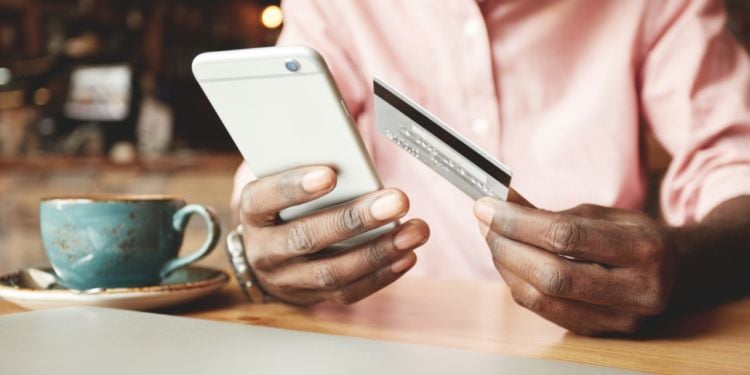
Banking in Chile
Setting up a bank account in Chile takes more effort than many expats expect. The Chilean banking ...

Taxes in Chile
Chile offers one of Latin America's more structured and transparent tax environments, which ...
Health care in Chile
The healthcare system in Chile is among the best in South America. It operates on a mixed model that combines public and private sectors. Medical facilities are modern and well-equipped, particularly in Santiago, where standards are high, and many doctors have been trained abroad. The system is divided into two main options:
- The FONASA (Fondo Nacional de Salud) is the public scheme, covering nearly 80% of the population. It offers free or reduced-cost care at public hospitals, with variable co-payments based on income for private care.
- The ISAPRE (Instituciones de Salud Previsional) are private insurance options, selected by about 15% of the insured, typically from higher-income households. They provide faster access to services, with English-speaking doctors and modern clinics like Clínica Alemana or Clínica Las Condes.
All employees are required to contribute 7% of their salary towards healthcare coverage. A visit to a general practitioner typically costs between 25,000 and 35,000 CLP (approximately 26 to 37 €) in the private sector, compared to 5,000 to 11,000 CLP (around 5 to 12 €) with FONASA. Wait times in the public system can often extend to several months for a specialist appointment, prompting many expats to choose the private system despite higher costs.
💡 Important to know
- No vaccinations are mandatory, but those for hepatitis A, typhoid, and rabies are recommended for extended stays.
- Emergency numbers: 131 (ambulances), 132 (fire department), and 133 (police).
- Having international private health insurance is advisable for optimal coverage.
- Dental and ophthalmological care are rarely covered under basic insurance plans.
📍 Further information
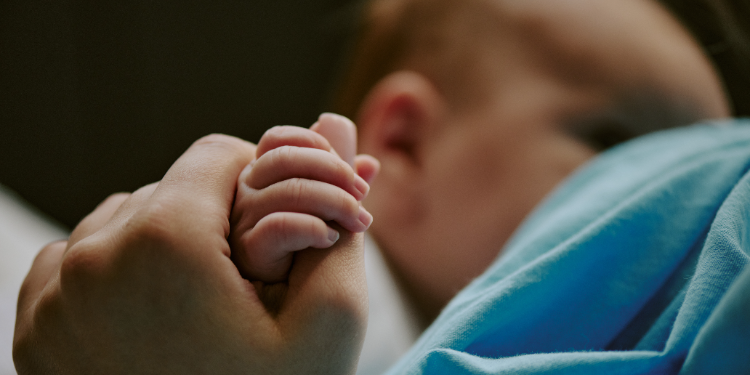

Education and schools in Chile
In Chile, education is compulsory from the age of 6, and the school system consists of twelve years of schooling. The academic year runs from March to December, with two weeks of winter vacation at the end of July.
Types of schools:
- Local public schools: These are free but often suffer from a lack of resources. The quality of education is frequently considered inferior to that of the private sector.
- Local private schools: They typically offer a better quality of education in Spanish. Subsidized private institutions charge limited tuition fees, approximately 3.2 million CLP per year (around €3,300), while some non-subsidized private schools can exceed 12 million CLP (about €12,000) annually.
- French schools: Chile is home to six accredited French high schools under the AEFE: the Lycée Antoine-de-Saint-Exupéry in Santiago, the Lycée Jean-d’Alembert in Valparaíso, the Lycée Jean-Mermoz in Curicó, the Lycée Frédéric-Mistral in La Serena, the Lycée Charles-de-Gaulle in Concepción, and the Lycée Claude-Gay in Osorno. These institutions follow both French and Chilean curricula.
- International schools: Institutions such as The Grange School, Nido de Águilas, and SEK Chile offer British, American, or International Baccalaureate programs, with tuition fees that can exceed 17 million CLP (€18,000) annually, depending on the school and the grade level.
💡 Practical tips
- Plan ahead for enrollment at French and international schools, as they are often highly sought after.
- The wearing of uniforms is mandatory in most schools.
- Classes end early, so consider afternoon extracurricular activities.
- Scholarships through AEFE are available, subject to income restrictions, for French families.
📍 Further reading

Schools in Chile
Finding the right school is often the first major decision expat families make after choosing where to live in Chile. The country runs a structured ...
Accommodation in Chile
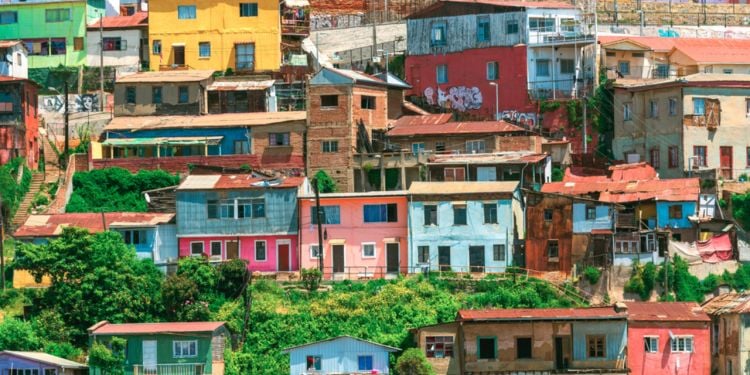
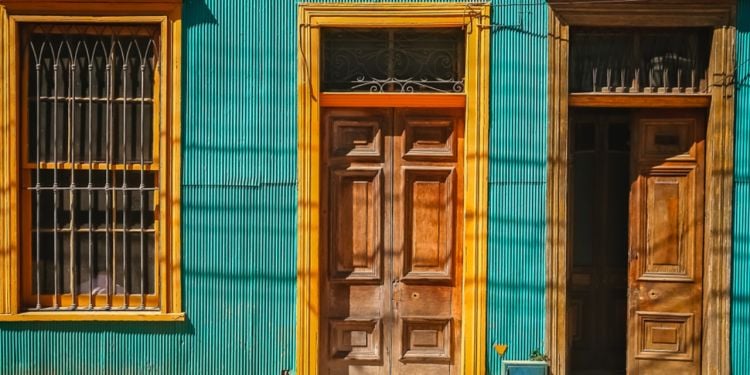
Accommodation is one of the major expenses for expats living in Santiago, but it remains more affordable than in France. Renting is often the preferred option initially: expect to pay between 350,000 and 550,000 CLP/month (around 350 to 550 €) for a studio, and between 850,000 and 1,300,000 CLP (approximately 850 to 1,300 €) for a three-bedroom apartment, depending on the neighborhood and the quality of the property. Lease agreements typically last one to two years, and a security deposit equivalent to one or two months' rent is usually required. Additionally, property maintenance fees average about 15% of the rent and do not include water or electricity. All contracts must be signed in the presence of a notary public. If you go through a real estate agency, expect to pay a commission equivalent to half a month's rent.
Buying property is also an option for foreigners, who enjoy the same rights as Chilean citizens. You will need to obtain a tax ID number (RUT) from the Internal Revenue Service (SII). The average price per square meter in Santiago falls between 1.9 and 2.2 million CLP (around 2,000 €). Budget for an additional 3 to 5% for notary fees, registration, and legal services. Note that some restrictions apply in border or coastal areas due to national security concerns.
📍 To learn more
Moving to Chile
An international move to Chile requires planning and organization. There are several key things to prepare in advance to make your relocation smoother:
- Get quotes from international moving companies, ensuring to include comprehensive insurance. Transport typically occurs by ship (taking 6 to 10 weeks) or by air (faster but more expensive).
- Chile allows new residents to import their personal belongings (referred to as "menaje de casa") duty-free, within the limits set by legislation. However, port fees and customs duties (around 6%) do apply, along with a 19% VAT. It's highly recommended to enlist the help of a customs agent.
- Gather your official documents (such as diplomas, birth certificates, marriage certificates, and your driver’s license) and have them translated into Spanish by a certified translator.
- Check the electrical compatibility: Chile uses 220 V/50 Hz, which is the same as in France. However, a plug adapter will be necessary.
- If you are traveling with a pet, make sure it is identified, vaccinated, and has the required health certificates before departure.
- Be aware that certain items are prohibited from importation, including agricultural products, meat, motorcycles, and used cars.
📍 Further resources


Leisure in Chile
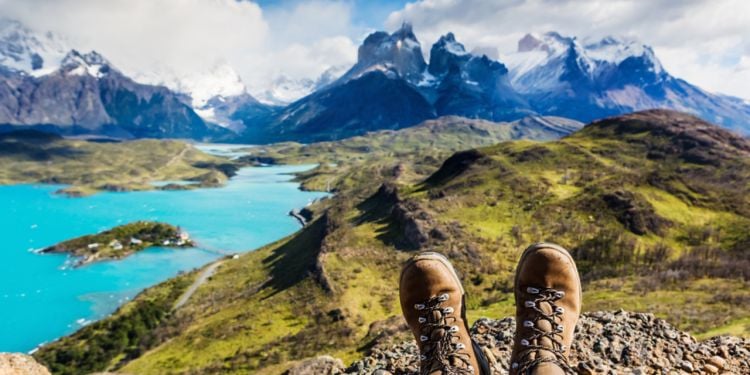
Chile offers an exceptional diversity of leisure activities, driven by its unique geography and varied climate. Expats find an active and friendly lifestyle surrounded by the ocean, mountains, and natural spaces. Outdoor activities abound here: hiking, surfing, mountain biking, climbing, and skiing in the Andes during the winter. Social life often revolves around asados (barbecues with friends) and local festivals, which keep weekends lively. The country also captivates wine and food enthusiasts with a rich culinary culture and numerous fresh produce markets. In Santiago and other large cities, expats can enjoy a vibrant cultural scene: museums, theaters, concerts, and festivals throughout the year.
Must-see attractions:
- The Andes Trails: numerous accessible routes from Santiago or Valparaíso, perfect for a weekend in nature.
- Chilean Vineyards: tastings in the Maipo, Casablanca, or Colchagua valleys, where wine is a part of daily life.
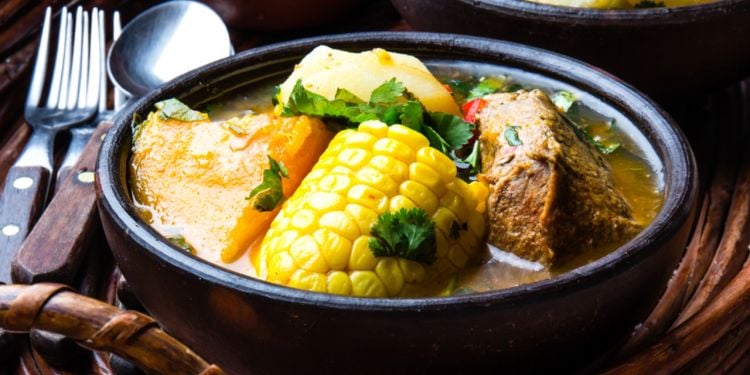
- Local Cuisine: empanadas, asado, seafood, pastel de choclo, or completo... These are just a few traditional dishes to enjoy in the picadas (popular small restaurants).
📍 To explore further
Leisure and lifestyle in Chile
Chile stretches over 4,300 km from the driest desert on earth to some of the most dramatic glacial ...
The Chilean cuisine
The food culture and traditions of Chile stem from its native Mapuche heritage as well as from the ...

Sports and fitness in Chile
Football may dominate the national conversation, but Chile's sports landscape runs far deeper ...
Everyday life in Chile
Living in Chile means embracing a laid-back lifestyle, where taking time to enjoy daily life is a priority, and culture and traditions play an important role. The country is known for its stability, quality of life, and a high level of overall safety. Chileans are warm and friendly, although social interactions often revolve around family, a crucial foundation of society.
💡 Things to note
- Chile is safe and stable, among the least corrupt countries in Latin America.
- Public transport in Chile is largely reliable. In Santiago, public transit is efficient, featuring a modern metro system and an extensive bus network. Outside the capital, long-distance buses provide comfortable and affordable transportation. Gasoline is expensive, costing around 1,400 CLP/litre (approximately €1.45).
- Internet and mobile phone services are reliable and affordable. You can expect to pay about 20,000 CLP per month (around €21) for a fixed Internet connection, and between 7,000 and 20,000 CLP (approximately €7 to €19) for a mobile data plan.
- WhatsApp is the main communication tool, even in professional settings.
- Santiago experiences pollution spikes from May to August due to its basin-like geography.
- The Chilean Spanish can be perplexing at first, even for native Spanish speakers.
- Chile is a family-friendly country, boasting numerous parks, green spaces, and activities tailored for children.
📍 To explore further
Living in Chile
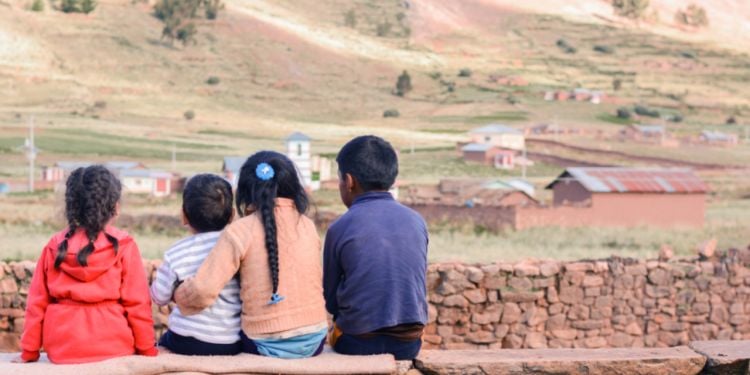
Chile stretches over 38 degrees of latitude, packing the Atacama Desert, Andean ski slopes, Pacific ...
Raising a family in Chile
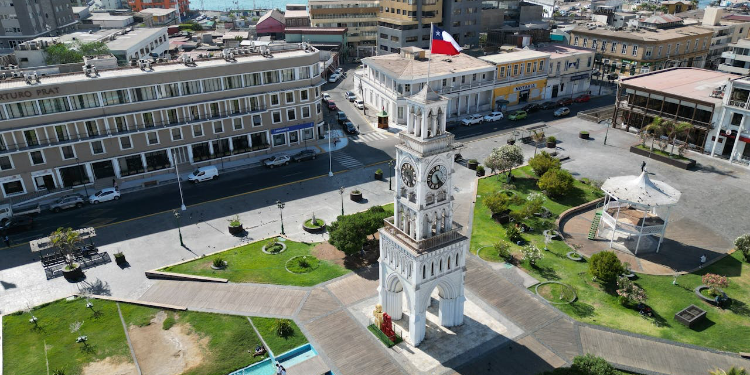
Chile draws expat families for reasons that go well beyond its striking geography. A strong culture ...
Emergency services and safety in Chile
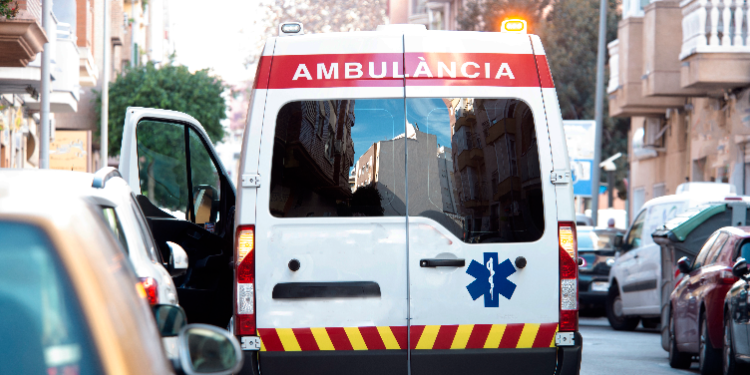
Chile sits on the Pacific Ring of Fire, making earthquakes a routine part of daily life across the ...
Cost of living in Chile
Chile is one of the most expensive countries in South America, but it's still about 30 to 40% cheaper than France. The cost of living in Chile varies depending on the city and the lifestyle: expect to spend between 1,000,000 to 1,300,000 CLP (1,000 to 1,300 €) per month for a single person, and between 3,000,000 to 3,800,000 CLP (3,000 to 3,800 €) for a family of four in Santiago. Housing is the largest expense, followed closely by food. Here are some benchmarks to help you estimate your monthly budget in Chile:
For a single person | For a family of 4 | |
Food | 300,000 to 530,000 CLP (300 to 530 €) | 700,000 to 1,000,000 CLP (700 to 1,000 €) |
Utilities (water, electricity, internet, phone...) | 80,000 to 120,000 CLP (80 to 120 €) | 150,000 to 200,000 CLP (150 to 200 €) |
Healthcare (not including insurance) | 20,000 to 80,000 CLP (approximately 20 to 80 €) | 60,000 to 200,000 CLP (approximately 60 to 200 €) |
Leisure & outings | 80,000 to 150,000 CLP (80 to 150 €) | 300,000 to 500,000 CLP (300 to 500 €) |
Education (if you have children) | / | 350,000 to 700,000 CLP (350 to 700 €) per child per month |
Extracurricular activities | / | 50,000 to 100,000 CLP (50 to 100 €) per child per activity |
Rent | 350,000 to 700,000 CLP (350 to 700 €) for a 1-bedroom apartment in Santiago | 600,000 to 1,500,000 CLP (600 to 1,500 €) for a 3-bedroom apartment in Santiago |
Maintenance fees ("gastos comunes") | 70,000 to 150,000 CLP (70 to 150 €) | 70,000 to 150,000 CLP (70 to 150 €) |
Transport | 40,000 to 70,000 CLP (40 to 70 €) | 150,000 to 250,000 CLP (150 to 250 €) |
Subscriptions (gym, clubs, streaming services...) | 30,000 to 80,000 CLP (30 to 80 €) | 80,000 to 150,000 CLP (80 to 150 €) |
Imported products (organic foods, cheeses, wines...) | 80,000 to 150,000 CLP (80 to 150 €) | 200,000 to 400,000 CLP (200 to 400 €) |
Domestic help (common for families in Chile) | / | 350,000 to 500,000 CLP (370 to 530 €) |
Income tax | progressive, between 0 and 40% based on income brackets | progressive, between 0 and 40% based on income brackets |
Key points to remember
Plan for your administrative procedures: a suitable visa (temporary or permanent residence, working holiday visa), obtaining your RUT and Chilean identity card, securing private health insurance, and setting up a bank account.
Take the time to read our articles, especially those on the job market, housing, and healthcare in Chile.
Feel free to ask questions on the Chile forum, where the expatriate community shares valuable advice and experiences!
To integrate successfully, be curious, learn Spanish, explore the local customs, and embrace the Chilean way of life, which is full of vibrancy, nature, and security.
Moving to Chile means choosing a stable, welcoming country with rich opportunities. To ensure your transition is successful, thorough preparation is essential. We hope this Expat.com guide has provided you with the necessary keys to organize your move and fully enjoy your new life in Chile.
We do our best to provide accurate and up to date information. However, if you have noticed any inaccuracies in this content, please contact us.


News & testimonies
Protests in Chile: An expat's insight...
The protests began when the government announced a rise in the price of transport. What started as a student protest culminated in a march on the 1st of November in which no less than one million people participated. Expat.com talks to an expat in Chile.

From rainy UK to sunny Chile
Meet Nina, serial expat who been living out of a suitcase since she was 18. With a background in luxury travel, she was thrilled at the opportunity to move to one of the most beautiful countries in the world, Chile. Here she shares her experiences on expat life in Santiago and beyond.

Cachando Chile
My name is Peg - no wait, it's Margaret - Snook. I forget sometimes because until I moved to Chile, I never used my passport name, but when I discovered that Peg is nearly impossible for Spanish speakers to pronounce (there are no words in Spanish that end in g), I decided that if I was ever going t
Essential services for your expat journey



