

Living in Mendoza: the ultimate expat guide
Everything you need to know for a successful life in Mendoza.
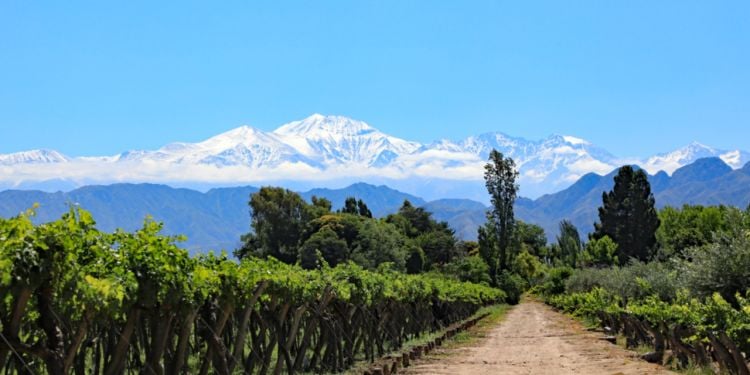
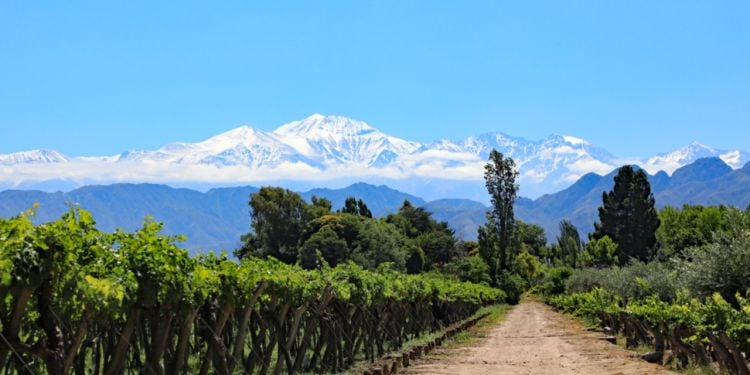
Nestled at the foot of the majestic Andes Mountains in western Argentina, Mendoza is a city that combines natural beauty with urban sophistication. With a metropolitan population of approximately 1.26 million, this thriving destination serves as the heart of Argentina's wine country, producing over 70% of the nation's wine. The city boasts tree-lined avenues, expansive parks, and a sunny climate with more than 300 days of sunshine annually. Rebuilt after a devastating 1861 earthquake, Mendoza features wide streets, large squares, and modern infrastructure designed to withstand seismic activity. Beyond wine, the city's economy thrives on tourism, agriculture, oil and gas, and renewable energy, making it an increasingly attractive destination for professionals and entrepreneurs seeking opportunities in South America.
5 Good Reasons to Move to Mendoza
- Gateway to world-class wine regions with exceptional enotourism opportunities and access to over 800 wineries
- Spectacular outdoor recreation including skiing, hiking, rafting, and mountaineering near Mount Aconcagua, the highest peak in the Americas at 6,962 meters
- Affordable cost of living, approximately 18% lower than Buenos Aires while maintaining excellent quality of life
- Safe, clean city with European-style urbanism, extensive green spaces, and strong sense of community
- Growing tech hub and business center with expanding opportunities in renewable energy, mining, and agricultural technology
Working in Mendoza
Mendoza offers diverse employment opportunities across multiple thriving sectors. As Argentina's primary wine-producing region, the wine industry remains the largest employer, with opportunities ranging from viticulture and oenology to wine tourism and export management. The province is also a significant player in oil and gas extraction, contributing approximately 20% of Mendoza's GDP, while agriculture, particularly fruit production and olive oil, provides substantial employment. More recently, the city has developed a growing technology sector, with expanding opportunities in software development, digital services, and ICT. The region's tourism infrastructure continues to grow, creating jobs in hospitality, adventure tourism, and related services.
Key Industries and Sectors
The wine industry dominates Mendoza's economy, representing 73% of the province's agricultural manufacturing and 80% of Argentina's wine exports. With over 150,000 hectares of vineyards, the sector employs thousands in wine production, tourism, and related services. Oil and gas operations, particularly around the Vaca Muerta formation, offer high-paying technical positions. Agriculture extends beyond grapes to include peaches, plums, and olives, with Mendoza producing over 75% of Argentina's stone fruits. The tourism sector has expanded dramatically, with adventure tourism, enotourism, and eco-tourism creating diverse employment opportunities. Emerging sectors include renewable energy, particularly solar and wind power, and mining, though the latter remains controversial due to environmental concerns.
Work Permits and Employment Regulations
Foreign workers need a work visa to be legally employed in Argentina. The process typically requires a job offer from an Argentine company, which must demonstrate the position cannot be filled by a local candidate. Employers sponsor the visa application through Argentina's immigration authority, Dirección Nacional de Migraciones. The temporary residence visa is typically valid for one year and renewable. After three years of continuous legal residence, workers can apply for permanent residence. Self-employed individuals and entrepreneurs can apply for an independent work permit, requiring proof of economic activity and financial solvency. Professionals in shortage occupations may find the process expedited. All workers must register with Argentina's tax authority, AFIP, and contribute to the social security system.
Indicator | Greater Mendoza | Argentina (National) |
Unemployment Rate (Q4 2024) | 4.8% | 7.6% |
Employment Rate | ~45% | 44.5% |
Key Sectors | Wine, Oil/Gas, Tourism, Agriculture | Services, Manufacturing, Agriculture |
Sources: CEIC Data - Argentina Unemployment Statistics, Trading Economics Argentina
Find a job in Mendoza
Mendoza has a developing economy and a dynamic labor market. Discover useful info and tips to help you find a job in the city.
Higher Education and Universities
Mendoza hosts several reputable higher education institutions, with the National University of Cuyo (Universidad Nacional de Cuyo) standing as the region's premier academic center. Founded in 1939, UNCuyo is Argentina's largest university in the western region and ranks within the top 1,400 globally according to QS World University Rankings. The university is particularly renowned for its programs in viticulture, oenology, agricultural sciences, engineering, and nuclear physics through its prestigious Balseiro Institute in Bariloche. With over 40,000 students across 12 faculties, UNCuyo offers undergraduate, graduate, and doctoral programs across diverse fields.
University Programs and Tuition
As a public institution, UNCuyo offers free tuition for undergraduate programs for both Argentine citizens and international students, a significant advantage compared to private universities worldwide. Students only pay minimal administrative fees, typically under $100 USD annually. The university provides programs in Spanish, with limited English-language options at the graduate level. International programs include viticulture and wine production, agricultural engineering, environmental sciences, and renewable energy. The Universidad de Mendoza, founded in 1959, is the largest private institution in the region, offering programs in architecture (RIBA-accredited), business, law, and engineering. Private university tuition ranges from $2,000 to $6,000 USD per year depending on the program.
Admission and International Students
UNCuyo operates an open admission policy for undergraduate programs for students with valid secondary school diplomas, though competitive programs like medicine, engineering, and architecture may require entrance examinations. International students must have their diplomas validated by the Argentine Ministry of Education. The academic year begins in March, with application deadlines typically in November-December. Graduate programs have more selective admissions with specific requirements varying by faculty. The university provides student services including affordable housing in university residences, comprehensive libraries, free primary healthcare, sports facilities, and cultural activities. For international students, learning Spanish is essential, though the university offers Spanish language courses. Official information is available at Universidad Nacional de Cuyo International.
Schooling for Children
Mendoza provides quality education options for families, including public schools, private institutions, and international schools. Argentina's education system is highly regarded in Latin America, with compulsory education from ages 5 to 17. The academic year runs from early March to mid-December, with summer holidays in January and February. Public education is free from primary through university level, but many families choose private or international schools for smaller class sizes, bilingual programs, and international curricula.
Public and Private Schools
Public schools in Mendoza follow the Argentine national curriculum and provide free education with high literacy rates exceeding 95%. Instruction is in Spanish, making them ideal for families seeking full cultural immersion. However, class sizes tend to be larger. Private schools, called colegios in Argentina, charge monthly fees ranging from $200 to $600 USD depending on the institution. These schools often offer enhanced facilities, smaller class sizes, and sometimes bilingual programs. Many private schools have religious affiliations, though secular options exist. School uniforms are typically required, and families must budget for supplies and textbooks.
International Schools
While Buenos Aires has the concentration of international schools in Argentina, Mendoza offers limited options for families seeking international or bilingual education. The American International School of Mendoza provides American-style education with emphasis on community service and environmental stewardship. Mendoza International School follows the International Baccalaureate program, focusing on holistic development. These schools typically charge annual tuition between $3,000 to $8,000 USD, significantly lower than comparable schools in major international cities. Families should apply well in advance as spaces are limited. Most international schools offer curricula in English and Spanish, preparing students for universities worldwide. Information can be found at school websites or through the local education ministry website at Mendoza Education Ministry.
Housing and Neighborhoods
Mendoza's housing market offers excellent value compared to other Argentine cities and international destinations. The city's wide, tree-lined streets and European-style planning create attractive residential areas with easy access to parks, shops, and services. Housing options range from modern apartments in the city center to spacious houses in suburban neighborhoods. Property prices average around $1,200 per square meter, roughly half the cost of Buenos Aires, making Mendoza an affordable option for both renters and buyers.
Popular Neighborhoods for Expatriates
City Center (Capital) offers convenient access to services, restaurants, shopping, and cultural attractions. Apartments here range from studio units to large family apartments. Godoy Cruz, immediately south of the city center, is a popular residential area with excellent transport connections via the Metrotranvía light rail system. The neighborhood combines urban convenience with quieter residential streets. Chacras de Coria, located in Luján de Cuyo district, is favored by families and wine industry professionals for its proximity to vineyards, larger properties, and relaxed atmosphere. Las Heras, north of the center, offers more affordable housing while maintaining good access to the city via public transport. Maipú district appeals to those working in the wine industry, with properties ranging from suburban homes to rural estates near wineries.
Rental Costs and Procedures
Rental prices in Mendoza are reasonable by international standards. A modern one-bedroom apartment in the city center typically costs $400 to $600 USD per month, while similar apartments in suburban areas range from $300 to $450 USD. A three-bedroom apartment in prime locations costs $600 to $900 USD monthly, with suburban alternatives at $500 to $700 USD. Houses with gardens in residential areas start around $700 USD per month. Rental contracts typically require a deposit equivalent to one or two months' rent, proof of income, and local guarantor or guarantee insurance. Recent changes to rental laws have made the market more flexible. Utilities (electricity, gas, water, internet) add approximately $80 to $150 USD monthly depending on usage and season. Rental agreements are usually signed for two to three years, though shorter-term furnished rentals are available at higher rates. Websites like Zona Prop and local real estate agencies assist with housing searches.
Accommodation in Mendoza
Are you looking for accommodation in Mendoza? Here is some information which may ease your search.
Leisure, Culture, and Things to Do
Mendoza's exceptional location at the foot of the Andes creates unparalleled opportunities for outdoor adventure and cultural experiences. The city balances urban sophistication with access to some of South America's most spectacular natural landscapes. From world-class wine tourism to extreme sports, Mendoza offers activities for every interest and season.
Wine Tourism and Gastronomy
Wine tourism is the cornerstone of Mendoza's leisure scene. Over 150 wineries welcome visitors for tastings, tours, and culinary experiences. The main wine regions include Maipú, easily accessible from the city center, Luján de Cuyo, home to premium Malbec vineyards, and the stunning Uco Valley, featuring modern architectural wineries against Andean backdrops. Many wineries offer full-day experiences including wine tastings, gourmet lunches, horseback riding through vineyards, and overnight stays at wine hotels. Notable wineries include Catena Zapata, known for pioneering high-altitude Malbec, Salentein in the Uco Valley with its impressive architecture, and Antigal in Maipú. Wine tours can be self-guided by bicycle, with organized group tours, or private guides. Beyond wine, Mendoza's culinary scene excels in traditional Argentine steakhouses, Italian restaurants, and innovative fusion cuisine, with most restaurants offering extensive local wine lists.
Outdoor Adventure and Mountain Activities
Aconcagua Provincial Park is home to Mount Aconcagua at 6,962 meters, the highest peak in the Americas. While summiting requires weeks of preparation, day hikes to Laguna Horcones and Confluencia camp offer spectacular mountain views accessible to casual hikers. The park operates from December to March with permits required. Ski resorts near Mendoza include Las Leñas, one of South America's premier ski destinations, and Penitentes, offering more affordable skiing from June to September. White-water rafting on the Mendoza River provides Class III-IV rapids suitable for beginners and experts. Parque General San Martín, a massive urban park designed by French architect Carlos Thays, offers walking trails, a zoo, rose gardens, and the famous Cerro de la Gloria monument with panoramic city views. Adventure activities include paragliding, rock climbing, mountain biking, and horseback riding in the Andean foothills.
Cultural Attractions and Nightlife
Mendoza's cultural scene includes the Teatro Independencia, hosting opera, ballet, and concerts, and the Nave Cultural, a contemporary arts space in a converted industrial building. Museums include the Museo del Área Fundacional, explaining the city's history and earthquake reconstruction, the Museo Nacional del Vino in Maipú, and the Museo Carlos Alonso, showcasing Argentine art. The pedestrianized Avenida Arístides Villanueva is the heart of nightlife, lined with bars, restaurants, and live music venues. The street comes alive after 10:00 PM, with crowds spilling onto sidewalk terraces. Nightclubs and dance venues operate until dawn on weekends. The annual Fiesta Nacional de la Vendimia in March transforms the city with parades, wine tastings, concerts, and an elaborate pageant at the Greek Theatre in Parque San Martín, attracting visitors from around the world.
Daily Life in Mendoza
Living in Mendoza offers a relaxed yet cosmopolitan lifestyle combining urban amenities with outdoor adventure. The city's compact size makes it highly walkable, while its extensive public transport system provides affordable connectivity throughout the metropolitan area. Mendoza's cultural scene reflects both Argentine traditions and international influences, with a thriving restaurant scene, lively nightlife, and year-round festivals. The sunny, dry climate encourages outdoor activities, and the proximity to the Andes creates endless opportunities for weekend excursions.
Transportation and Getting Around
Mendoza's public transport system, known as Red Tulum or Mendotran, combines an extensive bus network with the modern Metrotranvía light rail line. The 12.5-kilometer Metrotranvía connects Las Heras in the north through the city center to Gutiérrez in Maipú, operating from 6:00 AM to 10:00 PM daily. Bus routes cover the entire metropolitan area with frequent service. Fares are paid using the SUBE card, a rechargeable smart card available at kiosks throughout the city. A single journey costs approximately $0.20 to $0.40 USD, making public transport extremely affordable. The city is bike-friendly, with dedicated lanes and a bike-sharing system called BiciTRAN. Taxis are metered and relatively inexpensive, with typical cross-city trips costing $3 to $5 USD. Ride-sharing apps including Uber, Cabify, and Didi operate throughout Mendoza. For visiting wine regions, many residents rent cars or hire drivers, as public transport to rural wineries is limited.
Lifestyle and Cultural Habits
Mendocinos embrace a Mediterranean lifestyle with late dining hours and strong social traditions. Restaurants typically open for dinner around 9:00 PM, with meals often extending past midnight on weekends. The famous Argentine asado (barbecue) is central to social gatherings, paired with local Malbec wine. Coffee culture thrives, with cafés serving as social hubs throughout the day. The city celebrates numerous festivals, with the Fiesta Nacional de la Vendimia (National Grape Harvest Festival) in March being the highlight, attracting over 350,000 visitors annually. This week-long celebration features parades, wine tastings, concerts, and a spectacular pageant. Outdoor recreation is integral to life in Mendoza, with weekend activities including hiking in the Andes, wine tours, skiing at nearby resorts from June to September, and white-water rafting in mountain rivers. The city's numerous parks provide green spaces for picnics, sports, and relaxation. Shopping ranges from modern malls to traditional markets, with the Mercado Central offering fresh produce, meats, and artisanal products.
Cost of Living in Mendoza
Mendoza offers an affordable cost of living compared to other international destinations and is approximately 18% cheaper than Buenos Aires. The city provides excellent value while maintaining high living standards. Housing costs are reasonable, groceries abundant and fresh, and services affordable. The overall cost structure allows comfortable living on moderate budgets, though imported goods and some services carry premium prices.
Monthly Budget for a Single Person
A single person can live comfortably in Mendoza on a monthly budget that covers all essential expenses. Housing represents the largest expense, followed by food and transportation. The following table provides realistic estimates for a single person's monthly costs.
Rent (1-bedroom apartment, city center) | $450 |
Utilities (electricity, gas, water, internet) | $100 |
Groceries and food | $250 |
Transportation (public transport) | $30 |
Dining out and entertainment | $200 |
Health insurance (private) | $80 |
Miscellaneous | $100 |
Total Monthly Cost | $1,210 |
Note: All amounts in USD. Exchange rates fluctuate; costs may vary.
Monthly Budget for a Family of Four
Families require larger budgets to accommodate housing, schooling, and increased household expenses. The table below outlines typical monthly costs for a family of four living comfortably in Mendoza.
Rent (3-bedroom apartment, good area) | $750 |
Utilities (electricity, gas, water, internet) | $180 |
Groceries and food | $600 |
Transportation (combination of public/car) | $150 |
Schooling (2 children, private school) | $800 |
Health insurance (family private plan) | $250 |
Entertainment and activities | $300 |
Miscellaneous and savings | $200 |
Total Monthly Cost | $3,230 |
Sources: Numbeo Mendoza, Expatistan Mendoza
In Short
Mendoza stands out as one of Argentina's most appealing cities for those seeking a high quality of life in a spectacular natural setting. This sun-drenched city combines the sophistication of urban living with easy access to world-class wine regions and the majestic Andes Mountains. With its affordable cost of living, thriving economy, excellent educational institutions, and welcoming community, Mendoza offers newcomers the opportunity to build fulfilling personal and professional lives. Whether you're drawn by career opportunities in the wine industry, the allure of outdoor adventure, or simply the promise of a slower pace in a beautiful environment, Mendoza delivers. Join the thriving expatriate community and connect with others who have made Mendoza home on the Expat.com Mendoza forum, where you'll find practical advice, local insights, and a supportive network ready to help you navigate your new life in Argentina's wine capital.
We do our best to provide accurate and up to date information. However, if you have noticed any inaccuracies in this content, please contact us.


Essential services for your expat journey



