Living in Berne: the ultimate expat guide
Everything you need to know for a successful life in Berne.
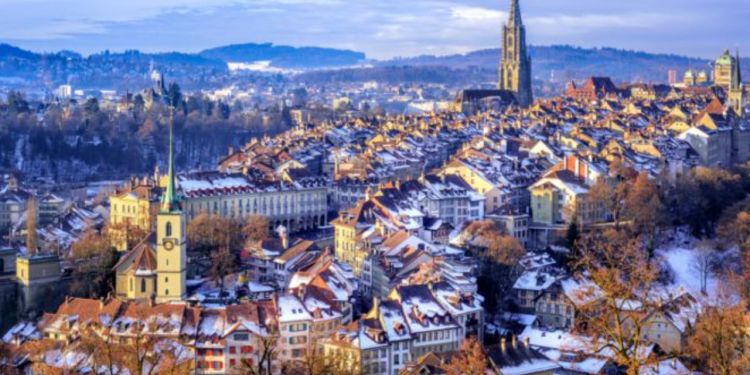
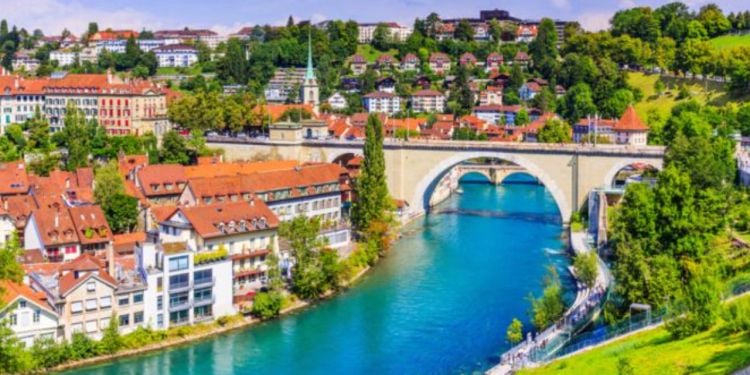
Bern, the de facto capital of Switzerland, offers a unique blend of medieval charm and modern convenience. Wrapped in a loop of the turquoise Aare River, this compact city of approximately 146,000 residents is home to the Swiss Federal Government and a UNESCO World Heritage-listed Old Town. With its iconic arcaded streets, historic fountains, and views of the Bernese Alps, Bern provides an exceptional quality of life that attracts expats from around the world.
A City That Balances History and Innovation
Bern is where Albert Einstein developed his theory of relativity, and today the city continues to foster innovation through its renowned university and research institutions. The city's pace of life is notably relaxed compared to Zurich or Geneva, yet it remains well-connected to major Swiss and European destinations by rail. English is widely spoken in professional settings, though German (Bernese dialect) is the primary language.
5 Good Reasons to Move to Bern
- UNESCO World Heritage Old Town – One of Europe's best-preserved medieval city centres with 6 kilometres of arcaded shopping streets.
- Exceptional Work-Life Balance – Government employment stability combined with access to the Alps within 90 minutes for skiing and hiking.
- Top-Tier Education – Home to the University of Bern (ranked top 200 worldwide) and excellent international schools.
- Safe and Family-Friendly – Switzerland consistently ranks among the world's safest countries with outstanding healthcare.
- Central European Location – Easy access to Germany, France, and Italy, with Zurich and Geneva airports under 2 hours by train.
Working in Bern: Opportunities in Government and Beyond
Bern's economy is anchored by its role as Switzerland's political centre, but the city offers diverse employment opportunities across multiple sectors. The presence of federal government ministries, international organizations, and the headquarters of major Swiss companies creates a stable job market with competitive salaries.
Key Employment Sectors
The public administration sector dominates employment in Bern, with federal offices, cantonal authorities, and diplomatic missions offering positions for qualified professionals. Beyond government, Bern has growing sectors in information technology, healthcare, education, and financial services. The city hosts the headquarters of the Swiss Post and Swisscom, as well as numerous pharmaceutical and medical technology companies in the greater Bern region. ICT jobs experience approximately 120% higher demand than average positions according to OECD data.
Work Permits and Salary Expectations
EU/EFTA citizens benefit from the Agreement on the Free Movement of Persons and can work in Bern with minimal administrative burden. Non-EU nationals require employer-sponsored work permits and must demonstrate specialized qualifications. The B permit is issued for employment contracts exceeding 12 months, while the L permit covers shorter-term positions. Switzerland allocates approximately 8,500 work permits annually to non-EU/EFTA nationals, with priority given to highly qualified professionals.
Below is a summary of key employment indicators for the Bern region:
Unemployment Rate (Canton of Bern) | 2.8% (2025) |
Median Annual Salary | CHF 75,138 – CHF 85,000 |
Top-Paying Sectors | IT/Telecom, Utilities, Public Administration |
Sources: Swiss Federal Statistical Office (BFS), jobs.ch, Trading Economics
Working in Bern
As the federal capital of Switzerland, Bern offers numerous professional opportunities and attracts many expatriates seeking employment. This article ...
Higher Education in Bern: World-Class Universities
Bern is home to one of Switzerland's most prestigious universities, offering exceptional opportunities for international students. The city's academic institutions combine rigorous education with affordable tuition fees, making it an attractive destination for graduate and postgraduate studies.
University of Bern
Founded in 1834, the University of Bern (Universität Bern) is a comprehensive public research university ranked in the top 160 globally by QS World University Rankings. The university offers 39 undergraduate, 74 graduate, and 29 doctoral programs across faculties including medicine, law, sciences, and humanities. Notable alumni include Albert Einstein, who qualified as a lecturer here in 1908. The university welcomed over 18% international students in recent years.
Tuition Fees and Admission
Swiss public universities offer remarkably affordable education compared to the UK, US, or Australia. Tuition fees at the University of Bern are as follows:
- Swiss students: CHF 750 per semester
- International students: CHF 950 – CHF 1,005 per semester (including additional fees)
- Doctoral students: CHF 200 per semester
For Bachelor's programs, instruction is primarily in German, requiring C1-level proficiency. Many Master's programs are offered in English. Application deadlines are typically mid-April for the Fall semester and mid-August for Spring. The university provides scholarships through the Swiss Government Excellence Scholarships program and internal merit-based awards.
Other Educational Institutions
Bern also hosts the Bern University of Applied Sciences (BFH), offering practice-oriented programs in engineering, business, and healthcare. The Bern University of Teacher Education (PHBern) trains educators for Swiss schools. For more information, visit the official websites:
Sources: University of Bern Fees, Study in Switzerland
Schools for Expat Children: International and Local Options
Families relocating to Bern will find a range of educational options, from excellent free public schools to established international institutions. Understanding the Swiss education system is essential for making the right choice for your children.
Swiss Public Schools
Swiss public education is free and of excellent quality, consistently ranking among the world's best. However, instruction in the Canton of Bern is conducted in German (or French in bilingual areas). Children typically adapt quickly through immersion, though some families prefer transition support. The school system begins with Kindergarten at age 4, followed by Primary School (6 years) and Secondary School (3 years). Public schools require proof of residence and vaccination records for enrollment.
International Schools in Bern
For families seeking English-language education or international curricula, Bern offers several established options:
- International School of Berne (ISBerne) – Founded in 1961, this IB World School in Gümligen serves students aged 3–18. It offers both the International Baccalaureate Diploma and an American High School Diploma. Fully accredited by CIS and NEASC.
- The British School Bern – Established in 1988, offering British curriculum education from ages 3–18 with options for iGCSEs and A-Levels from Grade 10.
- École Française de Berne – A French-speaking private school following the French national curriculum for ages 3–15.
Fees and Enrollment
International school fees in Bern typically range from CHF 25,000 to CHF 38,000 per year, depending on the grade level. Waiting lists are common at popular schools, so early application is strongly recommended—ideally 6–12 months before the intended start date. Most schools require entrance assessments, previous school records, and immunization documentation.
Sources: International School of Berne, British School Bern, Canton of Bern Investment Promotion
Housing and Neighbourhoods: Finding Your Home in Bern
Finding accommodation in Bern requires patience and preparation. The rental market is competitive, with high demand for apartments in desirable locations. Understanding the rental process and knowing which neighbourhoods suit your lifestyle will help streamline your search.
Rental Market Overview
Less than half of Swiss households own their homes, and most residents in Bern rent. Landlords typically require a security deposit equivalent to 2–3 months' rent, held in a blocked bank account. Leases are generally long-term, with three-month notice periods. Utilities (electricity, heating, water) may or may not be included in the rent—always verify what "Nebenkosten" covers.
Average monthly rents in Bern (2024–2025) are as follows:
1-bedroom apartment (city centre) | CHF 1,550 – CHF 1,800 |
1-bedroom apartment (outside centre) | CHF 1,200 – CHF 1,400 |
3-bedroom apartment (city centre) | CHF 2,500 – CHF 3,200 |
3-bedroom apartment (outside centre) | CHF 1,900 – CHF 2,300 |
Sources: Numbeo, RealAdvisor
Popular Neighbourhoods for Expats
Kirchenfeld – Elegant residential area south of the Aare with museums, embassies, and excellent schools. Quiet and family-friendly with good tram connections.
Länggasse – The university quarter with a vibrant, youthful atmosphere. Trendy restaurants, shops, and bars. Ideal for students and young professionals.
Mattenhof – A centrally located neighbourhood offering good value with parks and local amenities. Popular with families and working professionals.
Bümpliz – More affordable rents on the western edge of the city. Well-connected by public transport and suitable for those seeking budget-friendly options.
How to Find Accommodation
Most apartments are listed on online portals such as Homegate.ch, ImmoScout24.ch, and Comparis.ch. Arriving in person to view apartments and having complete documentation (ID, employment contract, references) significantly improves your chances.
Accommodation in Bern
Bern, the capital of Switzerland, is the country's fifth-largest city. It has long attracted expatriates from both the European Union and other ...
Leisure, Culture and Things to Do in Bern
Despite its modest size, Bern offers a rich cultural scene and abundant recreational opportunities. From world-class museums to outdoor adventures in the nearby Alps, residents enjoy diverse activities year-round.
Museums and Cultural Attractions
Bern's Museum Quarter in Kirchenfeld hosts several outstanding institutions:
- Zentrum Paul Klee – Houses 40% of the renowned artist's life work in a striking wave-shaped building designed by Renzo Piano.
- Bernisches Historisches Museum – Switzerland's second-largest history museum, featuring the integrated Einstein Museum dedicated to Bern's famous resident.
- Kunstmuseum Bern – One of Switzerland's oldest fine arts museums with works from Picasso to Hodler.
- Museum of Communication – An interactive museum exploring media and communication history.
The Museums Pass (CHF 28 for 24 hours or CHF 35 for 48 hours) provides access to all major museums and includes entry for two children under 16.
Landmarks and City Experiences
The Zytglogge (Clock Tower) is Bern's most iconic landmark, featuring an astronomical clock with animated figures that perform hourly. The Bern Münster (Cathedral) boasts Switzerland's tallest church spire at 100 metres, with 344 steps to panoramic city views. The Bärenpark (Bear Park) houses brown bears—Bern's heraldic animal—in a spacious riverside enclosure.
Outdoor Activities
The Aare River provides summer swimming directly through the city—a unique urban experience. The Gurten, Bern's local mountain accessible by funicular, offers hiking trails, a miniature railway, and the annual Gurtenfestival music event. The Rosengarten (Rose Garden) features over 200 rose varieties and stunning views over the Old Town.
Events and Nightlife
Major annual events include the Bern Jazz Festival, the Buskers Bern street music festival, and traditional markets such as the Zibelemärit (Onion Market) in November. The Reitschule cultural centre hosts alternative concerts, theatre, and cinema. For evening drinks, the Matte district along the river and Länggasse near the university offer bars and restaurants.
Sources: Bern Welcome, Switzerland Tourism
Daily Life in Bern: Getting Around and Settling In
Bern's compact size and excellent infrastructure make daily life convenient and enjoyable. Whether commuting to work, shopping in the Old Town arcades, or exploring the surrounding countryside, residents benefit from a seamless public transport network and a city designed for quality living.
Public Transportation
The city's public transport is operated by BERNMOBIL, running an efficient network of trams, buses, and trolleybuses. In 2024, the system transported approximately 99 million passengers. Key facts about getting around:
- Single ticket (zones 100/101): CHF 3.65 – CHF 5.20
- Monthly pass (city zones): CHF 79.50
- Annual pass (city zones): CHF 738 (CHF 558 for under-25s)
Bern is part of the Libero fare network, which integrates regional trains, buses, and trams on a single ticket system. Tickets must be purchased before boarding from machines at stops or via the BERNMOBIL app. Inspections are frequent, and fines for travelling without a valid ticket are significant. Hotel guests typically receive a free Bern Ticket for unlimited local transport during their stay.
Lifestyle and Culture
Life in Bern moves at a relaxed pace compared to larger Swiss cities. The 6 km of covered arcades (Lauben) in the Old Town offer weather-protected shopping year-round, while weekly markets at Bundesplatz sell fresh produce and local specialties. Swimming in the Aare River during summer is a beloved local tradition.
German is the official language, though the local Bärndütsch dialect can initially challenge newcomers. English is widely understood in professional settings. Most shops close by 6:30 PM on weekdays and 4:00 PM on Saturdays, with Sunday closures standard. Banking, healthcare, and administrative appointments typically require advance scheduling.
Essential Registrations
Upon arrival, you must register with the Einwohnerkontrolle (residents' registration office) within 14 days. You'll need your passport, rental agreement, and employment contract. Health insurance must be arranged within 3 months of arrival.
Sources: BERNMOBIL, City of Bern
Cost of Living in Bern: Budgeting for Your Move
Switzerland is consistently ranked among the world's most expensive countries, and Bern is no exception. However, high costs are offset by correspondingly high salaries, excellent public services, and an outstanding quality of life. Planning your budget carefully will help you manage expenses effectively.
Monthly Budget for a Single Person
The following table provides estimated monthly costs for a single person living in Bern:
Category | Estimated Monthly Cost (CHF) |
Rent (1-bedroom, city centre) | 1,550 – 1,800 |
Utilities (electricity, heating, water) | 180 – 250 |
Health insurance (mandatory) | 350 – 420 |
Groceries | 400 – 550 |
Public transport (monthly pass) | 80 |
Mobile phone plan | 25 – 60 |
Dining out and entertainment | 300 – 500 |
Total (Single Person) | 2,900 – 3,700 |
Monthly Budget for a Family of Four
Families should expect higher costs, particularly for housing and childcare:
Category | Estimated Monthly Cost (CHF) |
Rent (3-bedroom apartment) | 2,500 – 3,200 |
Utilities | 250 – 350 |
Health insurance (family of 4) | 1,200 – 1,500 |
Groceries | 900 – 1,200 |
International school (per child, avg.) | 2,500 – 3,200 |
Childcare (full-day preschool) | 2,500 – 2,900 |
Transport and miscellaneous | 400 – 600 |
Total (Family of Four) | 8,000 – 11,000+ |
Sources: Numbeo Bern 2025, Federal Office of Public Health (BAG)
Tips for Reducing Costs
Shopping at Migros and Coop is standard, though Aldi and Lidl offer lower prices on many items. Cross-border shopping in France or Germany is popular for significant savings. Choosing a higher health insurance deductible (up to CHF 2,500) reduces monthly premiums but increases out-of-pocket costs when you need care.
In Short
Bern offers an exceptional quality of life that balances historic charm with modern convenience. As Switzerland's federal capital, it provides stable employment opportunities, world-class education, and outstanding public services—all set against the backdrop of a UNESCO-listed medieval city and the majestic Bernese Alps. While the cost of living is high, competitive salaries and an unmatched standard of living make Bern an attractive destination for expats seeking safety, natural beauty, and a relaxed yet cosmopolitan lifestyle.
Whether you're drawn by career opportunities in government and technology, seeking excellent schools for your children, or simply looking for a welcoming city with outstanding infrastructure, Bern delivers. The compact size makes daily life convenient, while its central location provides easy access to the rest of Switzerland and Europe.
Ready to connect with others who have made the move? Join the Bern expat forum on Expat.com to ask questions, share experiences, and build your community in Switzerland's charming capital.
We do our best to provide accurate and up to date information. However, if you have noticed any inaccuracies in this content, please contact us.


Essential services for your expat journey