Living in Stockholm: the ultimate expat guide
Everything you need to know for a successful life in Stockholm.
Stockholm, Sweden's capital, spreads across 14 islands connected by 57 bridges, creating one of the world's most picturesque urban landscapes. Home to approximately 2.4 million residents in the greater metropolitan area, the city serves as Sweden's economic, cultural, and political center. Stockholm combines a rich medieval heritage with cutting-edge innovation, making it a hub for technology, finance, and creative industries. The city consistently ranks among the world's most liveable capitals, offering exceptional quality of life, outstanding public services, and a unique blend of urban sophistication and natural beauty.
5 Good Reasons to Move to Stockholm
- Work-life balance: Sweden emphasizes balanced lifestyles with 25-30 vacation days annually and flexible working arrangements.
- Safety and stability: Stockholm boasts low crime rates and strong social services, providing a secure environment for families and individuals.
- Nature at your doorstep: The city is surrounded by water, forests, and the stunning Stockholm Archipelago with over 30,000 islands.
- Innovation hub: Home to Spotify, Klarna, and countless startups, Stockholm is Europe's leading tech ecosystem after London.
- English-friendly: Over 90% of Swedes speak English, making integration easier for newcomers.
Working in Stockholm: Opportunities in Sweden's Economic Capital
Stockholm drives Sweden's economy, hosting headquarters of major corporations and a thriving startup scene. The city's labor market offers strong opportunities in technology, finance, life sciences, and gaming industries. While competition for positions can be intense, qualified professionals will find a welcoming business environment with excellent working conditions and competitive salaries.
Key Industries and Employment Sectors
The Stockholm region is characterized by a large service sector, with many of Sweden's largest companies maintaining headquarters in the capital. Key growth industries include information technology, fintech, gaming, clean technology, and life sciences. The city has produced numerous unicorn companies including Spotify, Klarna, and King. Traditional sectors like finance, manufacturing, and consulting also maintain a strong presence. Over 54.5% of Stockholm's workforce holds tertiary education, reflecting the knowledge-intensive nature of the local economy.
Work Permits and Employment Requirements
EU/EEA citizens can work freely in Sweden without a permit. Non-EU nationals must obtain a work permit before starting employment, requiring a signed employment contract with terms matching Swedish collective agreements. The employer must advertise the position in Sweden and the EU for at least 10 days. The minimum salary requirement is SEK 13,000 per month before tax. Processing times range from 1-4 months depending on employer certification status. Citizens of Australia, Canada, Japan, New Zealand, South Korea, and Hong Kong aged 18-30 may apply for a working holiday visa for up to one year.
The table below summarizes key employment indicators for Stockholm:
Unemployment rate (Stockholm region) | 6.9% (2023) |
Average gross monthly salary (Sweden) | EUR 3,715 |
Average net monthly salary (Sweden) | EUR 2,827 |
Top sectors | Tech, Finance, Life Sciences, Gaming |
Sources: EURES - European Commission, Eurostat 2023
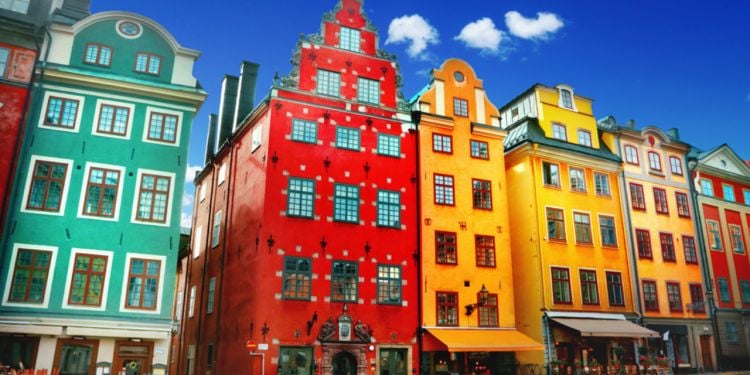
Finding a job in Stockholm
As one of the biggest Scandinavian capitals in Northern Europe, Stockholm is an attractive location ...

Stockholm's labour market
As a developed country that is constantly improving infrastructure and perfecting new technology, ...

The work culture in Stockholm
Once your job hunt is over, and you've signed the contract for your new position in Stockholm, ...
Higher Education in Stockholm: World-Class Universities
Stockholm hosts some of Europe's most prestigious universities, attracting thousands of international students each year. The city offers a wide range of English-taught programs, particularly at the master's level, making it accessible to students worldwide. Swedish higher education is known for its innovative teaching methods and strong connections to industry.
Leading Universities
KTH Royal Institute of Technology is Sweden's largest and highest-ranked technical university, offering over 60 English-taught master's programs in engineering, technology, and architecture. Ranked #78 globally by QS World University Rankings 2025, KTH has produced numerous Nobel laureates and industry leaders. Stockholm University, ranked #192 globally (QS 2025), offers 75 master's programs in English across humanities, social sciences, law, and natural sciences, with over 33,000 students including 5,000 international learners. Stockholm School of Economics (SSE) is one of Europe's leading business schools, renowned for its MBA and master's programs in finance and economics.
Tuition Fees and Admissions
EU/EEA and Swiss citizens pay no tuition fees at Swedish public universities. Non-EU/EEA students must pay both application fees (SEK 900) and tuition fees. At Stockholm University, annual tuition ranges from SEK 90,000 to SEK 140,000 depending on the program. At KTH, the full two-year master's program fee is approximately SEK 360,000. Scholarships are available through the Swedish Institute and individual universities. English proficiency requirements typically include IELTS 6.5 or TOEFL iBT 90. Monthly living costs for students range from SEK 9,450 to SEK 12,350.
Sources: Stockholm University, KTH Royal Institute of Technology
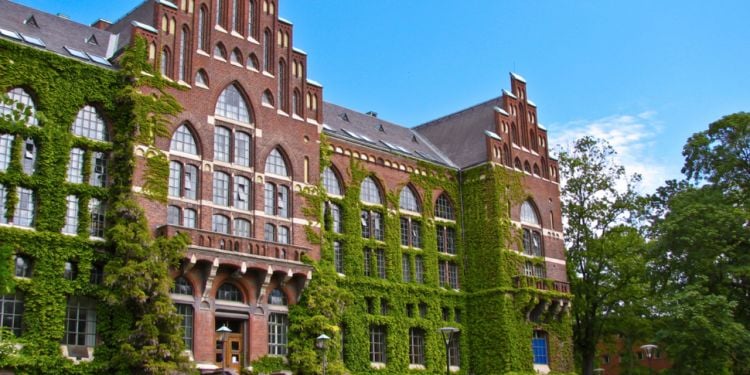

Schools for Children: Education Options in Stockholm
Sweden offers free public education for all children aged 6 to 16, regardless of nationality. Stockholm also has a strong network of international schools catering to the expatriate community, providing curricula from various countries and the International Baccalaureate program. The Swedish education system emphasizes creativity, critical thinking, and student well-being.
Swedish Public Schools
Public schools (kommunala skolor) offer free, high-quality education following the Swedish national curriculum. Instruction is primarily in Swedish, though schools in international areas often provide Swedish language support for newcomers. Children typically attend a preparatory year (förskoleklass) at age 6, followed by 9 years of compulsory education (grundskola) and optional upper secondary school (gymnasium) from ages 16-19. Public schools also offer after-school care (fritids) for children aged 6-13. To enroll, children must be registered with their local municipality (kommun) and hold a Swedish personal number.
International Schools
Stockholm offers several excellent international schools for families seeking English-language education. Stockholm International School (SIS) offers the IB curriculum from ages 3-18, with approximately 800 students from over 60 countries. Annual fees are around SEK 175,000-193,000 depending on grade level. British International School of Stockholm (BISS) follows the British curriculum through IGCSE and IB Diploma, with fees approximately SEK 175,000-189,550 per year. The International School of the Stockholm Region (ISSR), run by the City of Stockholm, is a publicly funded English-speaking school with no tuition fees, though enrollment is primarily for families with temporary work contracts.
Sources: Stockholm International School, British International School of Stockholm, ISSR
Housing and Neighborhoods: Finding Your Home in Stockholm
Finding housing in Stockholm is one of the biggest challenges for newcomers. The rental market is highly regulated, with long waiting lists for first-hand contracts through the public housing queue. Most expatriates start with second-hand rentals (sublets) or furnished apartments while exploring longer-term options. Understanding the local housing landscape is essential for a successful relocation.
The Rental Market
Stockholm's housing market distinguishes between first-hand contracts (directly from landlords, with strong tenant protections) and second-hand contracts (sublets, usually short-term and more expensive). The public housing queue through Bostadsförmedlingen can require 5-30 years of waiting time for desirable areas. Second-hand rentals are available through platforms like Blocket Bostad, Qasa, and Samtrygg. Security deposits typically range from 1-3 months' rent. Expect to pay approximately SEK 14,000-20,000 per month for a one-bedroom apartment in the city center, and SEK 25,000-35,000 for a two to three-bedroom unit. Outside the center, prices drop to SEK 8,000-12,000 for smaller apartments.
Popular Neighborhoods
Östermalm is Stockholm's most upscale district, central and close to cultural attractions, with premium rents. Södermalm is trendy and artistic, popular with younger professionals and known for its vibrant nightlife and creative scene. Kungsholmen offers a quieter, family-friendly environment with parks and waterfront access while remaining centrally located. Vasastan is fashionable and quiet, close to parks and popular among tech workers. Bromma and other outlying areas offer more affordable housing with good transport connections.
1-bedroom apartment (city center) | SEK 14,000-20,000/month |
3-bedroom apartment (city center) | SEK 25,000-35,000/month |
1-bedroom apartment (outside center) | SEK 8,000-12,000/month |
Average sublet price (Stockholm) | SEK 12,597/month |
Sources: Numbeo 2025, Stockholm News, Career Sweden/Qasa Survey
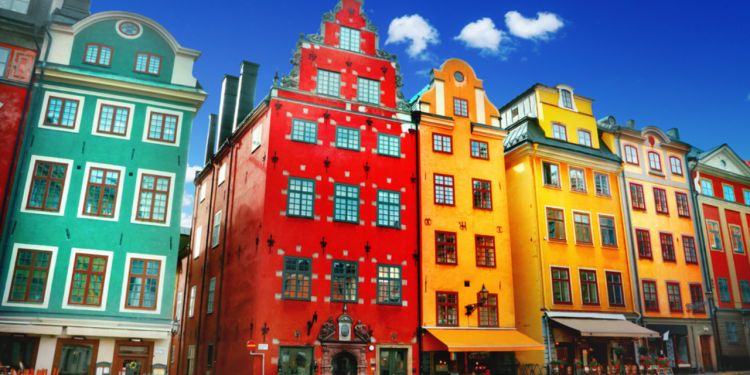
Accommodation in Stockholm
Finding a place to rent is one of the biggest first steps as an expat in Stockholm. Here is how you ...
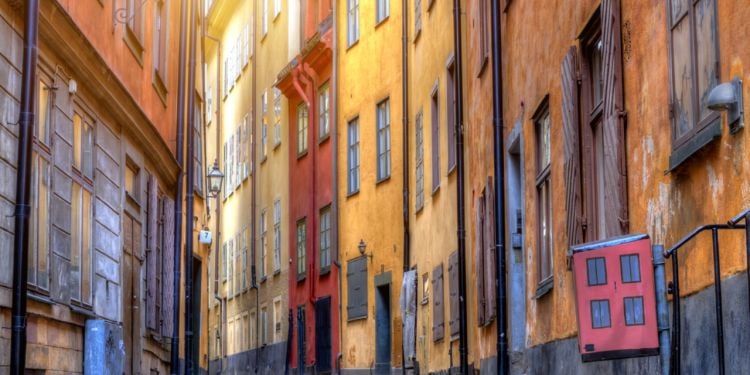
Buying property in Stockholm
If you are planning to buy property in Stockholm, its best to understand as much as possible about ...
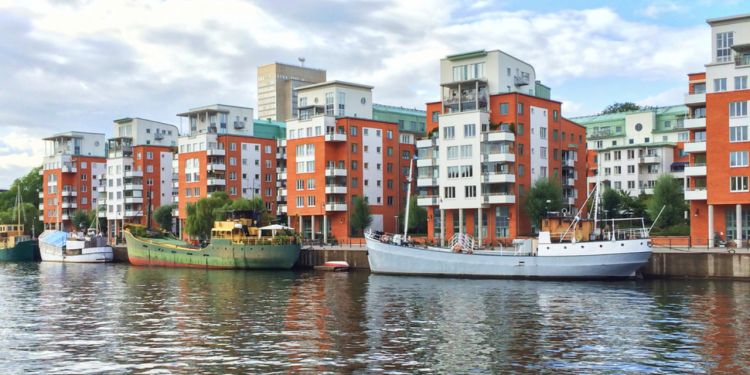
Choosing your neighbourhood in Stockholm
Stockholm spans across 14 different islands. Before deciding where to buy or rent a place in ...
Leisure, Culture, and Things to Do in Stockholm
Stockholm offers an exceptional quality of life with world-class cultural institutions, beautiful natural surroundings, and a vibrant social scene. From historic old town to cutting-edge museums, from archipelago adventures to cozy winter traditions, the city provides endless opportunities for exploration and enjoyment.
Museums and Cultural Attractions
The Vasa Museum houses the remarkably preserved 17th-century warship and is Sweden's most visited museum. ABBA The Museum celebrates Sweden's most famous pop export with interactive exhibits. The Fotografiska contemporary photography museum offers stunning exhibitions in a waterfront setting. Skansen, the world's oldest open-air museum, showcases Swedish cultural history and wildlife. Moderna Museet features an impressive collection of modern and contemporary art. The Nobel Prize Museum in Gamla Stan explores the history of the prestigious awards. Many museums offer free admission on certain days.
Outdoor Activities and Nature
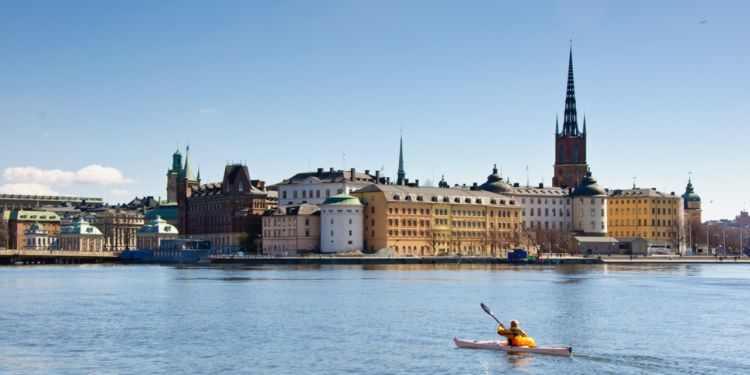
The Stockholm Archipelago, with over 30,000 islands, offers sailing, kayaking, and swimming in summer, and ice skating and hiking in winter. Djurgården island provides green spaces, walking trails, and waterfront cafes just minutes from the city center. Stockholm is exceptionally bike-friendly, with 760 kilometers of cycling paths. In winter, residents enjoy ice skating at Kungsträdgården and cross-country skiing in nearby forests. The Swedish concept of allemansrätten (right to roam) allows access to nature throughout the country.
Nightlife and Social Scene
Södermalm is the heart of Stockholm's nightlife, with trendy bars, clubs, and live music venues. Stureplan in Östermalm attracts a more upscale crowd. The city hosts major festivals including Stockholm Culture Festival in August and Stockholm Pride, one of Europe's largest LGBTQ+ celebrations. Expat communities organize regular meetups through platforms like Internations and local Facebook groups.
Sources: Visit Stockholm

Things to do on weekdays in Stockholm
Stockholm is an exciting city with lots to offer for visitors and locals. In addition to three ...

Gastronomy in Stockholm
Tracking down a good meal can quickly become an arduous task, but with a city like Stockholm that ...
Sports activities in Stockholm
Sweden has turned out several famous sports stars like football player Zlatan Ibrahimović and ...
Daily Life in Stockholm: Getting Around and Living Well
Daily life in Stockholm combines Scandinavian efficiency with a relaxed, nature-oriented lifestyle. The city offers excellent public transportation, a strong culture of work-life balance, and easy access to outdoor activities year-round. While adjusting to the dark winters can be challenging, the long summer days more than compensate, offering endless opportunities to enjoy the city and its surroundings.
Public Transportation
Storstockholms Lokaltrafik (SL) operates Stockholm's comprehensive public transport network, including the metro (Tunnelbana), buses, trams, commuter trains, and ferries. The metro system features 100 stations, many decorated with stunning artwork earning it the title of "world's longest art gallery." A single ticket costs SEK 43 and is valid for 75 minutes across all transport modes. Monthly passes cost SEK 1,070 for adults (SEK 650 for students, seniors, and youth under 20). The SL Access card or the SL app makes payment convenient and cashless. Stockholm is also highly bike-friendly with extensive cycling lanes and rental options through Stockholm City Bikes.
Swedish Lifestyle and Culture
Swedish culture emphasizes lagom (balance and moderation), reflected in the strong work-life balance with generous vacation days and flexible working arrangements. The tradition of fika—a daily coffee break with colleagues or friends—is central to social and professional life. Swedes value punctuality, personal space, and equality. While Swedes may initially seem reserved, friendships develop through shared activities and patience. English is widely spoken, but learning basic Swedish demonstrates respect and aids integration. Most services and shops are cashless, with Swish (a mobile payment app) being the preferred payment method.

Stockholm's networking etiquette
Every culture has its own unique way of doing things and you know how the saying goes when in Rome ...

Developing your social circle in Stockholm
Like many Scandinavian countries, Swedes are polite and friendly but quite reserved. Growing a ...

Developing a professional network in Stockholm
Whether you still need to find a job in Stockholm, already found one or plan on switching jobs ...
Cost of Living in Stockholm: Budgeting for Your Move
Stockholm is one of Europe's more expensive cities, though high salaries and excellent public services help offset costs. Understanding the cost structure is essential for financial planning. Housing typically represents the largest expense, followed by food, transportation, and leisure activities.
Monthly Budget for a Single Person
A single person can expect to spend between SEK 18,000 and SEK 32,000 per month depending on lifestyle and housing choices. The table below provides a breakdown of typical monthly expenses:
Rent (1-bedroom, city center) | SEK 14,000-18,000 |
Utilities (electricity, heating, water) | SEK 800-1,500 |
Groceries | SEK 3,000-4,500 |
Public transport (monthly pass) | SEK 1,070 |
Mobile phone + Internet | SEK 500-600 |
Leisure and entertainment | SEK 1,500-2,500 |
Total (single person) | SEK 21,000-28,000 |
Monthly Budget for a Family of Four
Families should budget for larger housing, increased grocery costs, and potential school fees if choosing private education:
Rent (3-bedroom, city center) | SEK 25,000-35,000 |
Utilities | SEK 1,500-2,500 |
Groceries | SEK 8,000-12,000 |
Public transport (2 adults) | SEK 2,140 |
International school fees (per child) | SEK 14,000-16,000 |
Health insurance supplement | SEK 1,000-2,000 |
Leisure and activities | SEK 3,000-5,000 |
Total (family of 4) | SEK 55,000-75,000 |
Sources: Numbeo 2025, SL
In Short
Stockholm offers an exceptional quality of life combining Scandinavian design, innovation, and natural beauty. While the housing market requires patience and the cost of living is high, generous salaries, excellent public services, and a strong work-life balance create a rewarding expatriate experience. The city's thriving tech scene, world-class education, and safe, family-friendly environment make it particularly attractive for professionals and families. English is widely spoken, easing the transition, though learning Swedish opens doors to deeper integration. Whether you're drawn by career opportunities, quality of life, or the unique blend of urban sophistication and natural wilderness, Stockholm rewards those who embrace its distinctive Nordic culture.
Connect with other expatriates and get personalized advice by joining the Stockholm forum on Expat.com.
We do our best to provide accurate and up to date information. However, if you have noticed any inaccuracies in this content, please contact us.


News & testimonies
Claire in Sweden: "Stockholm is a fantastic place to live"
Claire comes from a family of serial expats. Born in Scotland, she grew up in France, the US and England. Fascinated by Sweden, she settled in Stockholm indefinitely...for now!

Hus Langford
I'm an American, born in Chicago, raised in Minneapolis. My family are long-time midwesterners, I love that part of the country. Most people who visit America go to New York, Los Angeles and Florida. The whole middle part isn't explored as much.
Why Sweden is reviewing its immigration policy
According to Swedish Migration Minister Maria Malmer Stenergard, this move aims to "reduce the risk of painful tragedies for migrants". Underlying this measure is, in fact, the political pressure exerted by the far-right Sweden Democrats (SD) party. The SD intends to take advantage of Sweden's presidency of the European Union to steer migration policy.

Life of an expat mom with an autistic child in Sweden
Steffy comes from Naples. She left Italy in 2016 to settle in Sweden with her children. An avid blogger, Steffy is also the founder of a non-profit organisation that takes care of children with special needs. She talks to Expat.com about her everyday life and challenges as an expat mom of an autistic child.
Essential services for your expat journey