

Living in Romania: the ultimate expat guide
Everything you need to know for a successful life in Romania.
Expats in Romania will find a country that combines opportunity, culture, and affordable living. With a growing economy, vibrant cities, and charming rural landscapes, Romania offers career prospects in sectors like IT, manufacturing, and tourism, while the cost of living remains lower than in many Western European countries. As an EU member, Romania also provides modern infrastructure and access to European markets, making it a practical and attractive choice for newcomers.
Five compelling reasons to live in Romania
1. Affordable cost of living
Compared with many Western European countries, everyday costs like housing, food, and transport are relatively low. This makes it easier for expats to maintain a high quality of life without earning a high income.
2. Strong economic growth and opportunities
Romania has seen steady economic expansion, especially in tech, manufacturing, and services. Foreign workers are increasingly being recruited, particularly in major cities.
3. Rich cultural heritage and landscapes
From medieval castles to the painted monasteries of Bukovina and the Danube Delta, Romania offers a rich tapestry of history and nature. Expats can enjoy both city life and rural escape.
4. Strategic European location
As an EU member, Romania provides easy access to other European countries. This is useful for travel, business, or maintaining connections with other EU nations.
5. Increasingly international workforce
The number of foreign-born residents is growing: in 2024, around 3.1% of Romania’s population was foreign-born.
Facts and figures
Population (2025) | 18.8 million |
Expat population (2024) | 3.1% of total population |
Main expat countries of birth | Mexico, India, and China |
Official currency | Romanian leu (RON). |
Typical temperatures | Summer: 15°C – 28°C (59°F – 82°F), winter: ‑5°C – 3°C (23°F – 37°F) |
Data correct as of December 2025.
Sources:
Statista — population and OECD — expat population and nationalities
Formalities and visas in Romania
Romania’s visa system is structured and fairly straightforward, though not fully digital. Some steps can be completed online, such as starting a visa application through Romania's official e-Visa portal, but expect in-person visits for residence permits and some documentation. Processing times are generally reasonable, but delays can occur depending on demand and the type of permit.
EU/EEA/Swiss citizens don’t need a visa or residence permit to live in Romania. They can enter with a valid passport or national ID and simply register their residence if staying long-term. Non-EU citizens, on the other hand, usually require a long-stay visa to enter, which is then converted into a residence permit via the General Inspectorate for Immigration (IGI). The process begins online at eviza.mae.ro and continues in person at immigration offices.
In October 2025, Romania began rolling out the EU’s Entry/Exit System (EES), which uses biometric data to digitally record the entries and exits of non-EU nationals, replacing passport stamps and making border checks more secure and efficient. The EES applies to short-term stays of up to 90 days, but long-stay visas and residence permits issued through the General Inspectorate for Immigration (IGI) remain unchanged.
Tips:
- Check your status: EU/EEA/Swiss citizens don’t need a visa; non-EU citizens generally need a long-stay visa.
- Start online: Non-EU visa applications begin on the official e-Visa portal
- Prepare documents: Passport, proof of accommodation, proof of finances, and health insurance are typically required.
- In-person steps: Expect to visit a Romanian embassy/consulate or a General Inspectorate for Immigration (IGI) office for residence permit processing.
- Plan for timing: Processing is structured but can take several weeks; start applications well in advance.
- Register your residence: Even EU citizens planning to stay long-term must register with local authorities once in Romania.
Useful links:
Ministry of Foreign Affairs — visas
General Inspectorate for Immigration (IGI)
🔍To learn more

Visas for Romania
Looking forward to your experience in the Romanian regions? First, you need to know everything about the visa and other application processes and ...
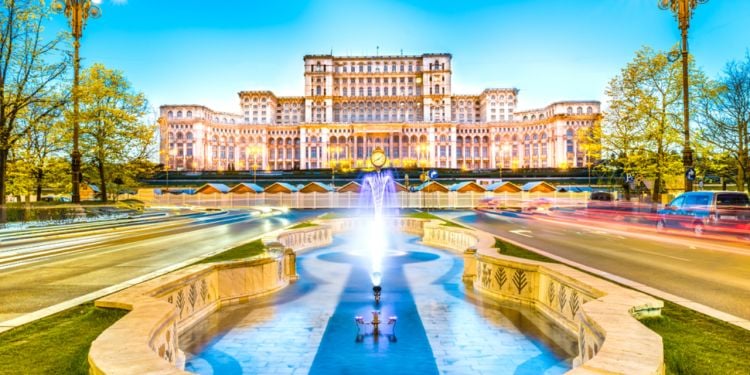
Travelling to Romania
Romania is a fished-shaped country located in Eastern Europe, best known for the Dracula stories surrounding it, but also for its small villages and ...

Driving in Romania
Whether you are coming for a short stay or moving to Romania for a period of time, it is a pity not to take advantage of the beautiful ...
Working in Romania
Romania’s job market is surprisingly dynamic. Unemployment is low, and cities like Bucharest, Cluj-Napoca, and Timișoara are buzzing with opportunities for skilled professionals. IT, engineering, and professional services are particularly strong, and employers often seek candidates with international experience or advanced qualifications. Expats are drawn to Romania for its fast-growing tech sector, affordable cost of living, and access to the European Union market.
Sectors hiring in Romania
• Information technology and software development
• Engineering and manufacturing
• Professional, scientific and technical services
• Construction and infrastructure
• Health and social care
• Research and education
Facts and figures
Unemployment rate (March 2025) | 5.5% |
Gross monthly minimum wage (last quarter 2025) | 797 EUR (USD 935) |
Most common foreign worker nationalities (2025) | Nepal, Sri Lanka, India, and Türkiye |
Data correct as of December 2025.
Sources:
National Institute of Statistics — unemployment rate, Trading Economics — minimum wage, and Work and Live — expat nationalities.
🔍To learn more
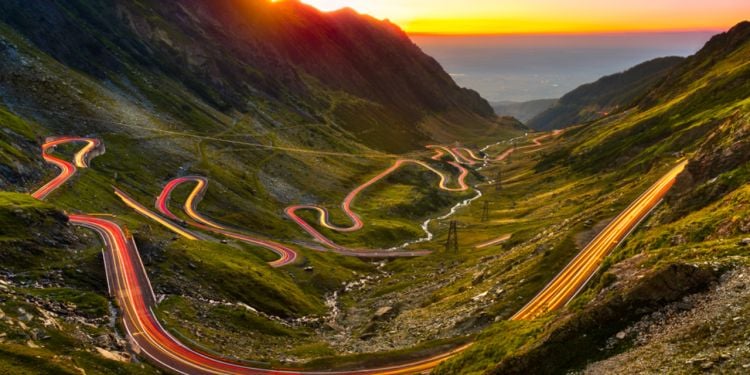
Working in Romania
According to the Financial Times, Romania is one of Europe's most fast-growing economies, ...

Starting a business in Romania
Romania is one of Eastern Europe's most colourful and exciting destinations for starting a ...

Internships in Romania
Going for an internship in a foreign country will open you so many doors. If you are thinking about ...
Studying in Romania
Romania’s universities deliver high-quality, research-focused education at a relatively low cost, with several institutions recognized as strong players in the region. Many universities offer programs in English, French, or German, making them accessible to international students. While Romania isn’t the largest hub for foreign students in Europe, its higher education system is growing in international competitiveness, particularly in fields like medicine, engineering, and business.
International students make up around 6.7% of Romania’s tertiary population, with over 32,000 enrolled in bachelor’s programs in the 2023–2024 academic year. Many international students come from Moldova, France, Israel, Morocco, Hungary, Germany, Tunisia, and Ukraine, and the most popular degree fields are medicine, engineering, and business, with programs typically taught in English.
Top universities in Romania
• Babeș Bolyai University (Cluj-Napoca): The largest university in Romania offers multilingual programs (including English and French).
• University of Bucharest: Has a wide range of programs across humanities, science, and business, and is often ranked among the top national institutions.
• Alexandru Ioan Cuza University (Iași): One of the oldest universities in Romania, renowned for its academic tradition and research.
🔍To learn more
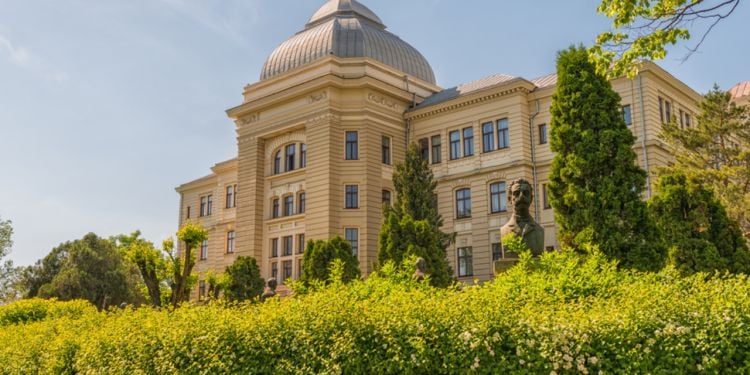
Studying in Romania
New technologies, globalisation, the information revolution are just a few of the factors which affect the world economy. Therefore, international ...
Finance and banks in Romania
Romania’s banking system is surprisingly modern for Eastern Europe. Major banks offer full online banking, mobile apps, and contactless payments, making day-to-day banking quick and convenient. Expats can open accounts without being Romanian residents, although some banks may ask for an in-person visit. ATMs are widespread, even outside major cities, and multicurrency accounts are common for foreign residents.
Tips:
• You can open a bank account from abroad or after arriving, depending on the bank.
• Bring the right documents to open an account: Expect to show a passport, Romanian residence permit, and proof of address or an employment contract.
• Romanian banks are highly digital: many customers handle 90% of transactions online, with virtual cards and mobile apps.
• Cash is still used: Cards are widely accepted, but small shops, markets, and rural areas may still prefer cash.
• Most banks in Romania allow expats to hold accounts in multiple currencies and provide online and in-branch services in English
🔍To learn more


Health care in Romania
Romania operates a mixed public–private healthcare system. If you pay into Romania’s national health insurance, public healthcare is covered by your contributions, so you usually don’t have to pay when you visit a doctor or hospital. Most expats are automatically enrolled through their job, while self-employed residents can join voluntarily. This means basic healthcare is essentially free, though some services, such as certain medications or dental work, may still incur extra costs.
Expats report long waiting times, older facilities, and stretched resources, particularly outside major cities, partly due to a shortage of medical staff as many doctors work abroad. For this reason, many newcomers choose to combine public access with private care. Private clinics and hospitals — especially in major cities — offer shorter waits, modern facilities, and English-speaking staff. Private health insurance is often required for visa purposes and provides peace of mind while you’re settling in, even if you later use the public system for GP visits or routine care. In practice, most expats find the best balance is public coverage for basics, backed up by private healthcare when speed and comfort matter.
Useful link:
🔍To learn more

Health care in Romania
Moving to a foreign country needs documentation first, especially when it comes to major concerns, such as the health care program. Expats ...
Education and schools in Romania
Romania offers a dynamic mix of public and private education, with city schools becoming increasingly modern and well-equipped. Public schools follow the national Romanian curriculum and are steadily improving, though facilities and resources can vary outside the big cities. Compulsory education for children in Romania runs from ages 6 to 16, starting with primary school, continuing through lower secondary, and completing upper secondary. State schools are free for all children, although some additional activities or materials may require payment.
In major cities, private and international schools are popular with expat families, offering English, French, or German curricula, small class sizes, and global teaching methods — all of which help maintain continuity with international education standards. However, expat children are also eligible to attend state schools free of charge if their parents live and work in Romania. Enrollment usually requires proof of residence and identification, such as a passport or visa.
School dates in Romania
- The school year starts in September and ends in the following June.
- Winter break is for about two weeks in December and January.
- The spring/Easter break is around April each year although dates vary.
- The summer break runs from June to September.
Accommodation in Romania
Romania offers a variety of housing options for expats, from modern city apartments and suburban houses to older communist-era flats. In major cities, newer developments dominate, while smaller towns and rural areas feature more traditional homes. The market is generally affordable compared to Western Europe, though demand in popular urban areas is rising, making competition for the best apartments tougher.
For renting, expats typically sign a standard lease with a deposit, often with the help of a real estate agent to navigate the local market. Buying property is also possible: expats can generally own apartments or houses, though land ownership is restricted for non-EU citizens.
What you need to know
• Most rentals are one-year contracts and renewable; shorter leases are possible but less common.
• Expect to pay a security deposit equivalent to one or two months’ rent.
• Utilities are often not included in rent, so check if heating, water, and Internet are separate costs.
• Furnished vs unfurnished — many city apartments come partially furnished; confirm before signing.
• Real estate agents are helpful for negotiating and navigating contracts, especially in Bucharest and Cluj.
Useful link:
European Commission — Romania accommodation
🔍To learn more
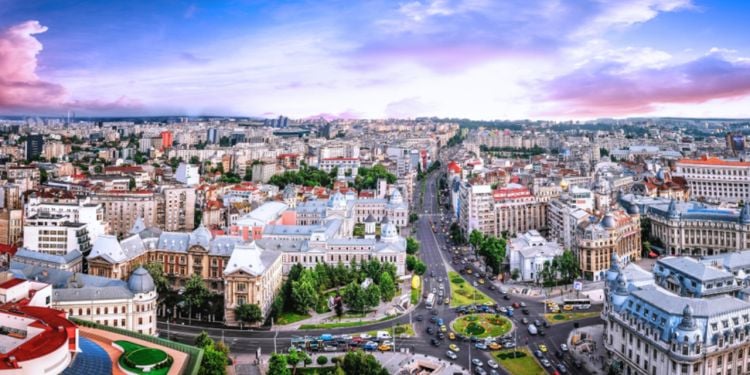
Accommodation in Romania
The first thing to do when deciding to go to Romania is finding the best accommodation. Whether you are coming for studies, business opportunities, ...
Planning your move to Romania
Moving to Romania is straightforward if you understand the rules. The country has modern EU systems, but shipping and customs still require careful attention. Household goods can usually move efficiently, but proper paperwork is essential. Romanian Customs allows duty-free import of personal belongings that have been used for at least six months and arrive within 90 days of your residence permit. Using a reputable international moving company helps reduce the risk of loss or theft, but the main hurdles for expats relocating to Romania are usually timing and documentation, rather than safety.
Tips:
- Use a reputable relocation or moving company — a specialist familiar with Romanian customs paperwork will help ensure documents such as inventories and declarations are prepared correctly.
- Prepare a detailed inventory — include values, serial numbers, and descriptions of your items; customs will expect a full inventory to clear personal goods.
- Obtain an EORI number if required — Romania requires an Economic Operators Registration and Identification (EORI) number for all imports, including personal effects, even for individuals. This is used in customs clearance across the EU.
- Declare your shipment properly — clearly list the shipment as household goods and personal effects intended for relocation to help qualify for duty‑free import under Romanian customs rules.
Useful link:
🔍To learn more


Leisure in Romania
Romania is famous for its castles, medieval towns, and folklore, with Bran Castle (Dracula’s Castle) and the walled city of Sighișoara among top attractions. Romania offers expats a vibrant mix of activities that suit every taste, from historic exploration to outdoor adventures. Cities like Bucharest, Cluj-Napoca, and Timișoara buzz with cultural events, live music, theaters, and modern cafés, while rural areas showcase traditional villages, festivals, and local crafts.
For those who love nature, Romania is a paradise. The Carpathian Mountains offer hiking, skiing, and wildlife spotting, while the Danube Delta is perfect for birdwatching and boating. The Black Sea coast provides sunny beaches, water sports, and seaside resorts, making it ideal for summer escapes. For expats, Romania combines rich history, cultural life, and natural beauty, offering countless ways to spend free time.
🔍To learn more
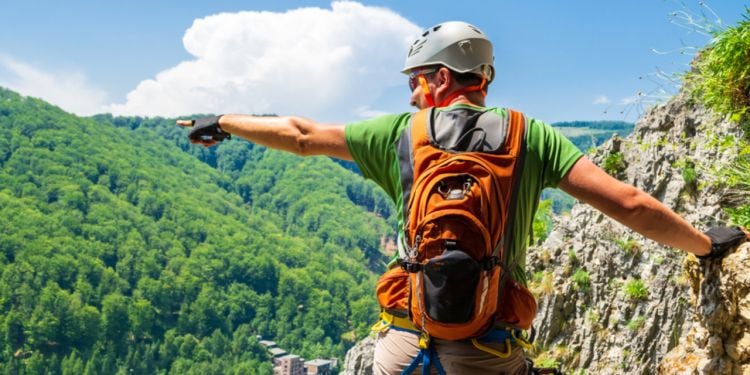
Places to visit in Romania
Romania is partially located in the Carpathian Mountains; therefore, the country offers great and unique opportunities from beautiful ...
Everyday life in Romania
Daily life in Romania is a mix of modern city living and traditional charm, and most expats quickly adapt to the pace and customs. Romanians are friendly and welcoming, but understanding local customs and habits can help you settle in smoothly. Life in Romania balances work, family, and socializing, with cafés, parks, and markets central to the daily routine.
Public transport in Romania is reliable in cities, while in small towns it tends to move at a slower, more relaxed pace. And Romania is generally safe, though petty crime like pickpocketing can occur in busy tourist areas and large cities. Expats, including women living alone, usually report feeling secure, especially in neighborhoods popular with internationals.
Local habits and customs
• Politeness and respect for elders are valued.
• Romanians place a strong emphasis on family. Many social activities revolve around family gatherings, meals, and celebrations, and showing respect for family traditions is appreciated.
• Cafés, bars, and cultural events are central to socializing, especially in urban areas.
• Queuing and personal space: Respect lines in stores and public transport. Cutting in is frowned upon. Keep a moderate personal distance; physical contact beyond a handshake is usually reserved for close friends or family.
🔍To learn more

Travelling around Romania
Travelling across the regions and cities of Romania should definitely be a priority while coming to this country. Using trains, buying tickets, ...

Phone and Internet in Romania
A digital nomad cannot live without an internet connection or a smart mobile phone. Therefore, the country they will move to needs to excel in this ...
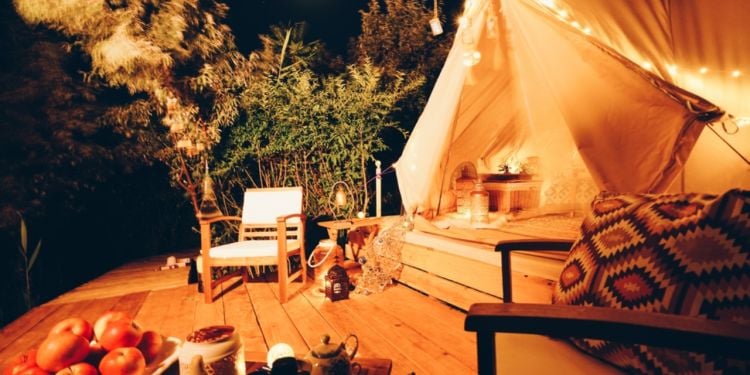
The lifestyle in Romania
If you are considering moving to Romania, you must be looking for information about the future lifestyle you will be experimenting with. Are the ...
Cost of living in Romania
Romania offers a relatively affordable lifestyle, especially compared with Western European countries. Monthly expenses in Bucharest are often much lower than in capitals like Paris or Berlin, while across Eastern Europe, Romania sits in the mid-range — roughly 10% cheaper than Poland overall. Everyday essentials such as groceries, public transport, and utilities remain budget-friendly, though imported goods, high-end electronics, and luxury items can carry a premium, with prices for international brands closer to Western European standards.
Here is a general breakdown of average monthly expenses for different household types in Romania.
Monthly expenses
Single expat (per month) | Family of four (per month) | |
Rent (city center) | 2,800 RON (USD 600) | 6,500–9,000 RON (USD 1,390–1,920) |
Rent (suburbs) | 1,900 RON (USD 410) | 4,000–6,000 RON (USD 850–1,280) |
Utilities (electricity, heating, water, garbage) | 800 RON (USD 170) | 1,200–1,800 RON (USD 260–390) |
Groceries | 1,200 RON (USD 260) | 3,500–4,500 RON (USD 750-970) |
Public transport | 100–140 RON (USD 22–30) | 250–350 RON (USD 55–75) |
Dining out and entertainment | 700 RON (USD 150) | 2,000–3,000 RON (USD 430–640) |
Data correct as of December 2025.
Source:
Outro
Romania offers expats a unique blend of affordable living, vibrant cities, and breathtaking nature. From the buzzing streets of Bucharest and Cluj to the tranquil villages of Transylvania, life in Romania balances modern amenities with rich history and culture. Daily life is generally safe and straightforward, the cost of living is lower than in much of Western Europe, and there are plenty of opportunities to enjoy leisure, gastronomy, and outdoor adventures.
For work and business, Romania’s growing economy and startup-friendly environment make it an appealing choice for international professionals. Education, healthcare, and housing are accessible, with clear pathways for visas and residency. To make the move even easier, Expat.com offers dedicated guides and a Romania expat forum, where newcomers can find practical advice, share experiences, and get answers from people already living in the country. For expats seeking a destination that combines dynamic city life, natural beauty, and a welcoming local culture, Romania is a surprisingly affordable and rewarding place to call home.
We do our best to provide accurate and up to date information. However, if you have noticed any inaccuracies in this content, please contact us.



Essential services for your expat journey



