

 Guide updated by Laure Lebrun on 28 October 2025
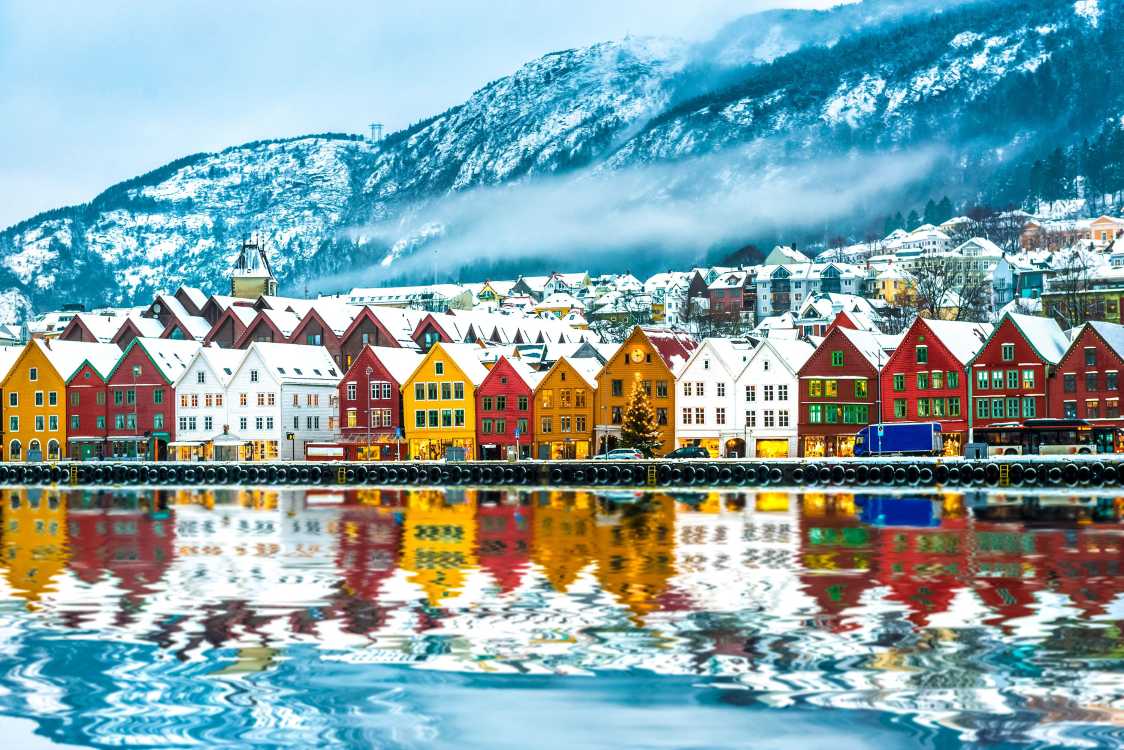
Norway offers a high standard of living, a robust welfare system, and a strong economy. With its stunning natural landscapes, including fjords, mountains, and the Northern Lights, it attracts expatriates seeking a balanced lifestyle. The country is known for its commitment to gender equality, environmental sustainability, and a well-functioning public sector. And while many Norwegians speak English, learning Norwegian can enhance integration and employment prospects.
5 good reasons to move to Norway
High quality of life
Norway consistently ranks high in global quality of life indices, offering excellent healthcare, education, and public services.
Strong economy and job opportunities
The country boasts a strong economy with low unemployment rates and opportunities in various sectors.
Stunning natural beauty
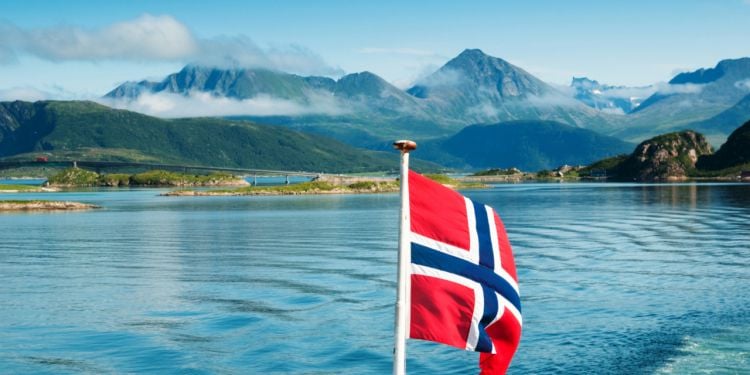
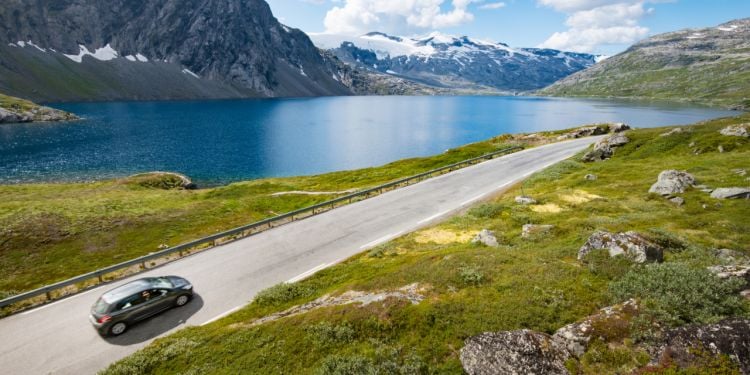
From the majestic fjords to the Arctic landscapes, Norway's natural scenery is unparalleled.
Comprehensive social welfare system
Norway provides extensive social benefits, including universal healthcare and generous parental leave.
Safe and inclusive society
With low crime rates and a strong emphasis on equality, Norway is considered one of the safest countries in the world.
Your setup journey
Guide in 13 steps. Click any step below to jump directly to the section you need.
01Where to live in Norway
Life in Norway offers world-class living standards set against breathtaking landscapes of fjords, mountains, and forests. Expats enjoy modern cities like Oslo, Bergen, and Stavanger, where international jobs, vibrant cultural scenes, and efficient public transport make daily life convenient. Outside the cities, charming towns and rural areas offer easy access to fjords, mountains, and outdoor activities, perfect for those seeking a balanced lifestyle. Norway's strong social services, safety, and work-life balance make it an attractive choice for professionals and families alike.
Explore our city guides
02Formalities and visas in Norway
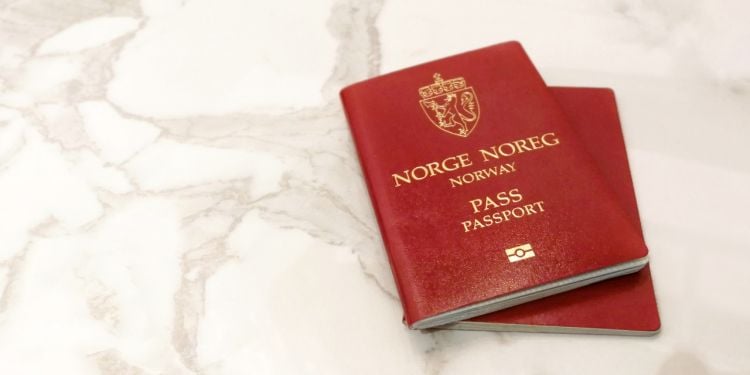
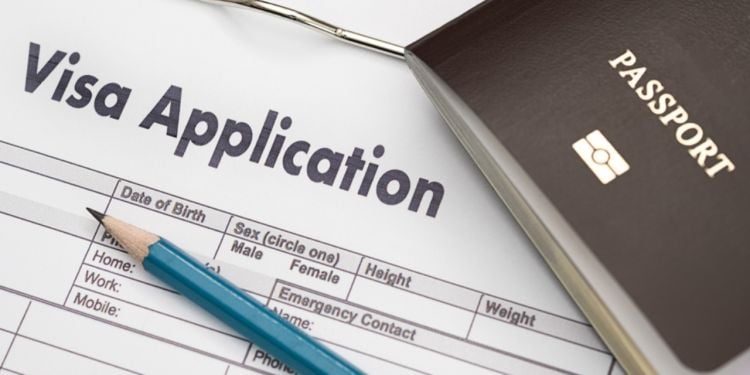
Relocating to Norway is straightforward if you know the steps. EU and EEA citizens don't need a visa to live or work here, but if you plan to stay longer than six months, you'll need to register with the Norwegian Directorate of Immigration (UDI). Non-EU/EEA nationals usually need a residence permit, whether it's for work, studies, joining family, or other reasons.

Join the discussion on the forum
03Working in Norway
Norway's economy is a dynamic blend of traditional industries and emerging sectors, offering a wealth of opportunities for expatriates. While oil and gas have long been the backbone, several other industries are thriving and attracting global talent.
High wages, strong labor rights, and a high level of unionization characterize Norway's labor market.
Key sectors currently hiring expats include:
- Oil and gas
- Technology
- Health care
- Education
Norway is considered a business-friendly country with a stable economy, clear regulations, and strong support for startups. The process for setting up a company is straightforward, but it requires some preparation and understanding of local rules.
Booming sectors for startups in Norway:
- Technology and software
- Clean energy and sustainability
- Maritime and ocean tech
- Creative industries (media, design, and gaming)
Key employment facts and figures
Unemployment rate: | 4.9% |
Average annual wage: | USD 74,863.73 in 2024 |
Gender equality: | Best country in Europe for female workers |
Data correct as of October 2025
Sources: Trading Economics, Euro News.
04Accommodation in Norway
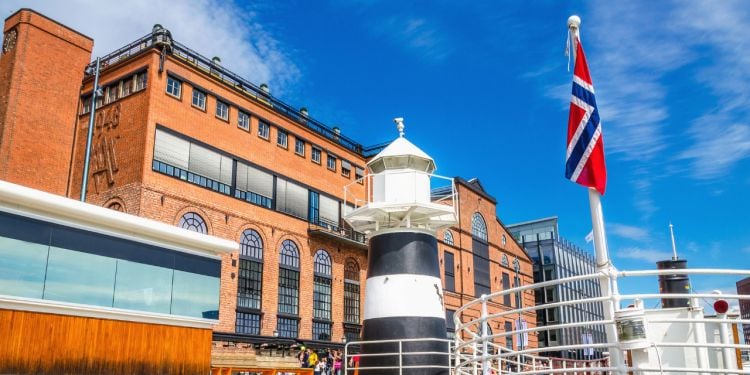
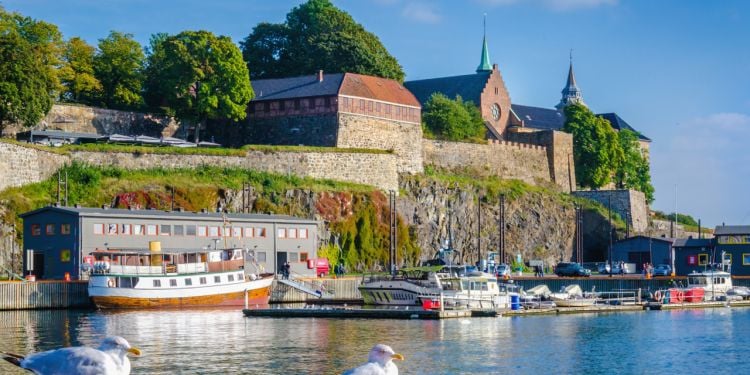
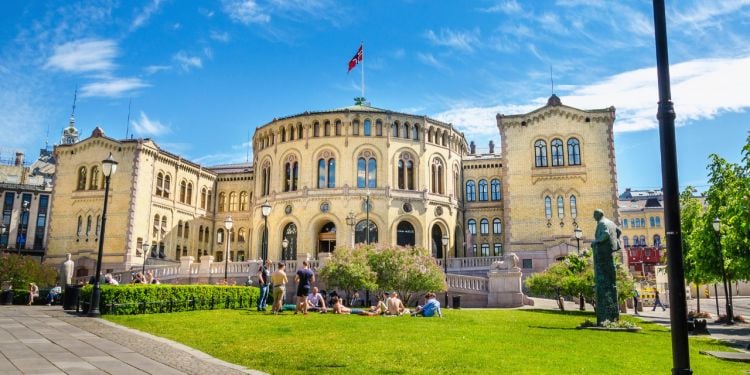
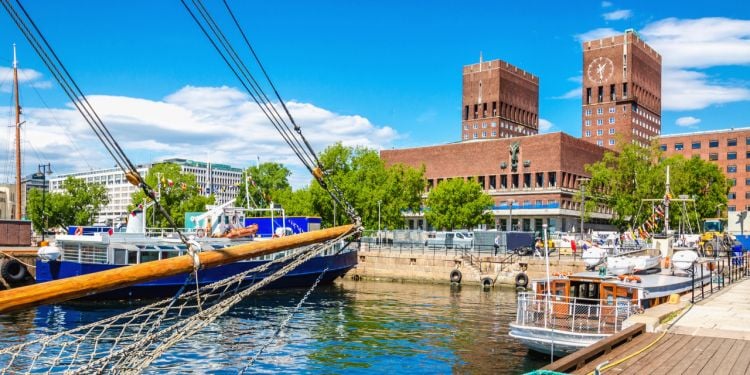
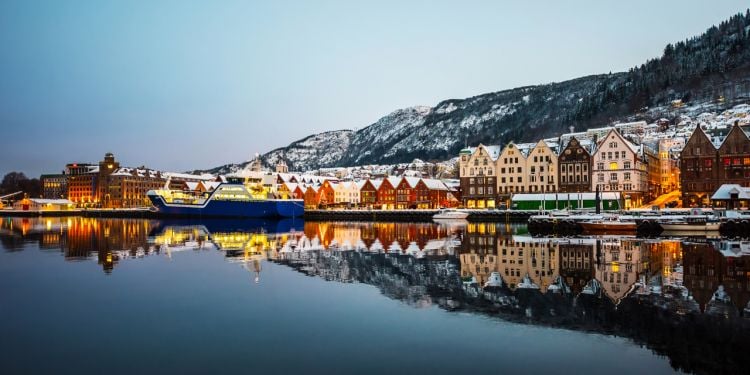
Finding the right home in Norway is an adventure in itself, with options ranging from vibrant city apartments to cozy rural retreats. Housing in Norway varies significantly between urban and rural areas, and housing can be one of your greatest expenses. Housing in Norway is generally more expensive than in many other European countries, with Oslo, Bergen, and Stavanger ranking among the priciest places to rent or buy property in Northern Europe. Despite the costs, Norwegian homes are generally modern, well-insulated, and close to public transport, making them comfortable and convenient for both singles and families.
Best places for expats to live in Norway
Jobs and networking: Oslo, Stavanger, Trondheim
Scenery and the outdoors: Bergen, Ålesund, Tromsø
Family-friendly: Drammen, Sandnes, Kristiansand
Affordable living: Arendal, Sandnes, Drammen
Discover more
05Cost of living in Norway
Expats should be prepared for a higher cost of living in Norway compared to many other countries. Daily expenses like groceries, dining out, and transportation tend to be pricey, especially in major cities. Housing can also be a significant part of your budget, though suburban areas and smaller towns offer more affordable options.
Despite the costs, salaries are generally higher, and public services such as health care and education help make everyday life manageable. Many expats find that with some planning and budgeting, Norway's high quality of life, safety, and excellent services make the expense worthwhile.
Monthly expenses | Single expat | Family of four |
Rent (city center) | 1 bedroom: NOK 14,000 (USD 1,260) | 3 bedroom: NOK 24,000 – 28,000 (USD 2,160 – 2,520) |
Rent (suburbs) | 1 bedroom: NOK 11,000 – 13,000 (USD 990 – 1,170) | 3 bedroom: NOK 18,000 – 22,000 (USD 1,620 – 1,980) |
Utilities (electricity, water, gas, Internet) | NOK 1,500 – 2,500 (USD 135 – 225) | NOK 3,000 – 4,000 (USD 270 – 360) |
Groceries | NOK 3,500 – 5,000 (USD 315 – 450) | NOK 8,000 – 12,000 (USD 720 – 1,080) |
Transportation (car, fuel, public transport) | NOK 700 – 1,000 (USD 63 – 90) | NOK 2,000 – 3,000 (USD 180 – 270) |
Dining out and entertainment | NOK 1,500 – 2,500 (USD 135 – 225) | NOK 5,000 – 10,000 (USD 450 – 900) |
Source: Numbeo
Join the discussion on the forum
06Health care in Norway
Norway offers universal health care, which is funded mainly through taxes. All residents — including expats with a valid residence permit — have access to the public health system. Once you're registered with the National Population Register, you'll receive a personal ID number and can sign up with a local GP, who becomes your main point of contact for medical care. The standard of care in Norway is excellent, with well-trained doctors, modern facilities, and strong preventive health services. The country's hospitals and clinics are clean, efficient, and use advanced medical technology.
Important information about health care in Norway
- Treatment is immediate for medical emergencies.
- Wait times for specialist or elective care can be weeks or even months, depending on the region and demand.
- Many Norwegians and expats use private clinics to avoid delays, especially for dental or physiotherapy services.
- EU/EEA citizens can temporarily use their European Health Insurance Card (EHIC).
- Non-EU expats should arrange private health insurance until they are covered by the national system.



07Finance and banks in Norway
Opening a bank account in Norway as an expat is generally straightforward but requires local documentation and in-person identity verification due to strict anti-money-laundering regulations. While some banks let you start the process online, you'll typically need to visit a branch after arrival to activate the account. Opening an account from abroad is difficult. Once set up, digital banking is the norm in Norway, with most people using mobile apps and BankID for secure identification and payments.
Paying tax as an expat in Norway
If you live or work in Norway for more than 183 days in one year (or 270 days over three years), you're considered a tax resident and Norway can tax your income from both Norway and abroad. Before you become a tax resident, only your Norwegian-sourced income (like salary earned in Norway) is taxed.
Discover more


08Studying in Norway
In Norway, public schools and public universities generally do not charge tuition, making education accessible to both domestic students and those from the European Union, as well as Iceland and Liechtenstein. Most students only need to cover a minor semester or enrollment fee. Tuition fees apply mainly at private institutions or for specialized programs, often at the master's or doctoral level. In 2023, international students accounted for about 12% of the student population in higher education.
Norway's top universities include:
- University of Oslo (Oslo): Norway's largest university, strong in humanities, law, and social sciences.
- Norwegian University of Science and Technology (NTNU, Trondheim): leading in engineering, technology, and natural sciences.
- University of Bergen (Bergen): known for marine research, climate studies, and humanities.
- University of Tromsø – The Arctic University of Norway (Tromsø): specializes in Arctic and indigenous studies.
- Norwegian School of Economics (Bergen): focused on business, economics, and finance.
Discover more


09Education and schools in Norway
Expat children in Norway can usually attend public school for free, with enrolment depending on the family's residence status rather than a separate student visa. In Norway, education is compulsory for children aged six to 16 and is of high quality, with a strong emphasis on equality, inclusion, and developing both academic and social skills. International schools can be found in Norwegian cities and offer English-language programs such as the IB. However, many expat families choose the public school system, which is free, high-quality, and provides Norwegian language support for non-native speakers.
Key points for expats about schools in Norway
EU/EEA families: children do not need a separate student visa. Once the family is registered in Norway, they can enrol in school.
Non-EU/EEA families: children can attend public school as long as parents have a valid residence permit for work, study, or family reasons.
No extra fees: public schooling is free for all eligible children.
Enrolment process: registration is handled by the local municipality where the family lives.
Join the discussion on the forum
10Planning your move to Norway
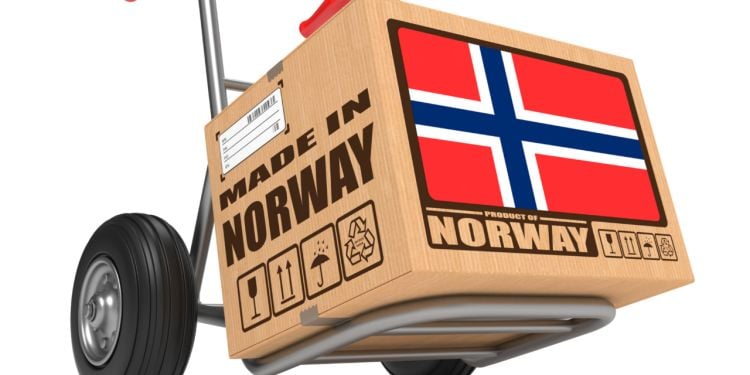
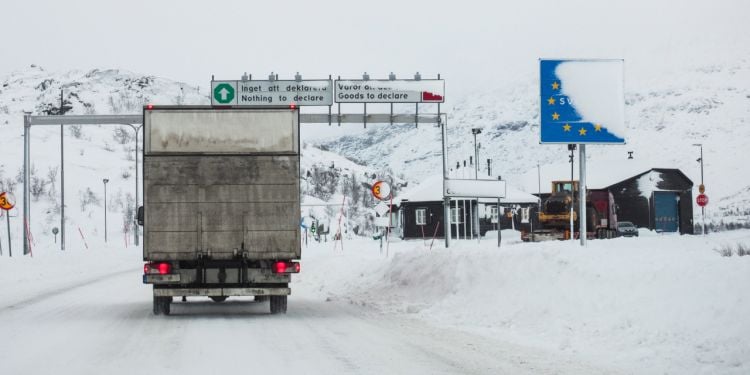
Moving to Norway can be an exciting adventure, but careful planning makes the process much smoother. Before you go, it's essential to familiarize yourself with customs regulations and what you can bring into the country. Items like food, plants, fireworks, and certain electronics may be restricted or require special permits, so checking the official Norwegian Customs website is essential. Hiring professional international movers can also simplify your relocation, helping with packing, transport, and customs clearance while also providing insurance for your belongings.
Moving with pets requires careful preparation, including vaccinations, microchips, and health certificates, with extra steps for animals from outside the EU. By understanding the rules for personal effects, alcohol, and tobacco, and organizing their documents in advance, expats can settle in Norway efficiently and focus on enjoying life in their new home.
Discover more
Join the discussion on the forum
11Everyday life in Norway
Life in Norway is safe, comfortable, and easy to navigate, with clean cities, reliable public transport, and efficient services. Expats quickly notice that Norwegians value punctuality and personal space, and English is widely spoken. Social life can feel a bit reserved at first, but expats often find that Norwegians are friendly once you get to know them. Work-life balance is excellent, with plenty of vacation time and shorter working hours than in many countries, and outdoor activities like hiking, skiing, and cycling are a big part of life. For many expats, the combination of safety, high living standards, and welcoming communities makes day-to-day life both enjoyable and stress-free.




12Leisure in Norway
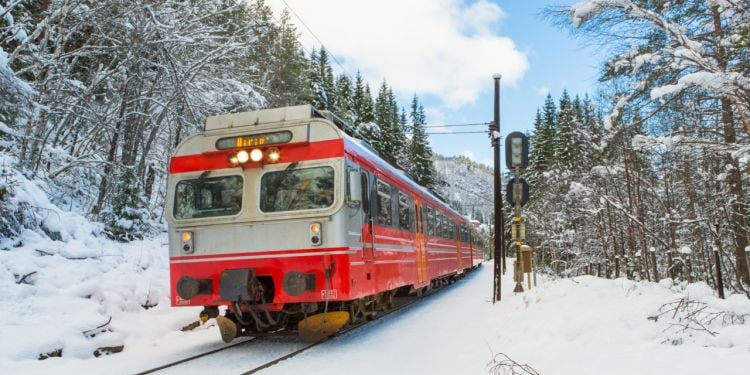
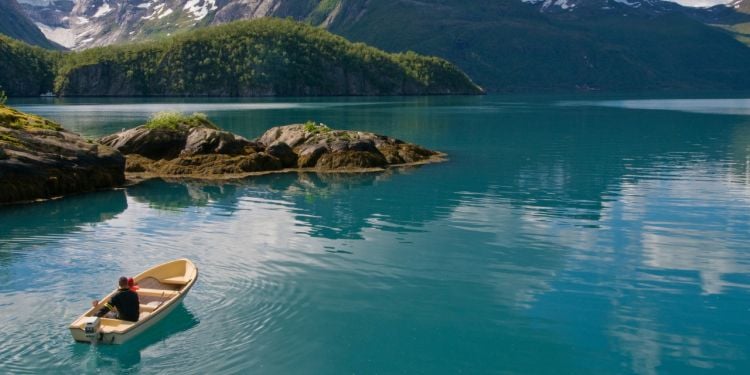
Norway is a paradise for outdoor enthusiasts. Hiking rugged mountains, skiing across endless trails, and exploring fjords and forests are all part of daily life. In summer, long days invite cycling, swimming, and kayaking, while winter brings snow sports and the chance to chase the Northern Lights. Nature is never far away, making adventure easy to fit into any weekend.
Norway also offers a lively cultural scene. Cities like Oslo and Bergen feature museums, music festivals, and contemporary art galleries, while smaller towns host local events celebrating Viking history and Norwegian traditions. Combined with a growing food and café culture, there are plenty of ways to relax, explore, and enjoy life outside of work.

13Outro
Living in Norway offers expats a unique blend of high-quality public services, stunning natural landscapes, and a safe, well-organized society. From world-class health care and free public education to excellent work-life balance and reliable infrastructure, Norway provides a comfortable and secure environment for individuals and families. Whether you're exploring vibrant cities, embracing outdoor adventures, or immersing yourself in Norwegian culture, everyday life here is both enriching and rewarding.
For those considering relocation, Norway is welcoming but requires careful planning. Understanding the housing market, navigating residency and visa requirements, budgeting for a higher cost of living, and choosing the right schools are all essential steps. With its booming job market, opportunities for startups, and a thriving cultural and leisure scene, Norway is not just a place to live—it's a place to thrive, offering expats both professional opportunities and a high standard of living in one of the world's most picturesque countries.
Join the Norway community
Get regular tips and advice to make the most of your expat life
Essential services for your expat journey






Forum topics on living in Norway
Discover forums topics on expat life in Norway: join the conversation, ask your questions, get advice and share your experience.
- Visit Norway while family residency application is pending?
- UDI family immigration waiting time
- Fiancé Visa- Once approved, how long do I have to enter Norway?
- Filipino Expats in Norway: How to get OEC
- Skilled Worker Visa
- Do Norwegian men date foreign women?
- Udi monthly emails
- Appeal - UDI for family denied. Anyone got same experience?
- Filipinos in Norway
- Living with my Norwegian boyfriend
- Desirable cities to live/work in Norway
- Description of Relationship For Fiance Visa
- How Common it is that a Norwegian girl date Asian Guys?
- Looking for work/jobs in norway for someone who mainly speaks English
- Psychology Jobs in Norway
- hello norwgians is nudity Is it really acceptable