Living in Utrecht: the ultimate expat guide
Everything you need to know for a successful life in Utrecht.
Utrecht stands as the fourth-largest city in the Netherlands, with a population of approximately 376,735 residents as of January 2025. Situated at the geographical heart of the country, this historic university town combines medieval charm with modern innovation. The city revolves around its iconic Dom Tower, the tallest church tower in the Netherlands at 112 metres, and features a unique canal system with wharf cellars converted into restaurants and cafés. Utrecht serves as a major transportation hub, with excellent rail connections to Amsterdam (30 minutes), Rotterdam, and The Hague. The city hosts Utrecht University, one of Europe's leading research institutions, creating a youthful, international atmosphere. With its compact size, cycling culture, and high quality of life, Utrecht offers an accessible alternative to Amsterdam while maintaining exceptional career and lifestyle opportunities.
Five Great Reasons to Move to Utrecht
- Central location – Utrecht sits at the heart of the Netherlands with the country's busiest railway station, offering quick access to all major Dutch cities and Schiphol Airport.
- Strong job market – The city boasts one of the fastest-growing regional economies in the Netherlands, with thriving sectors in technology, healthcare, and professional services.
- Historic charm meets modern living – Medieval architecture, picturesque canals, and a vibrant cultural scene blend seamlessly with sustainable urban development.
- Family-friendly environment – Excellent schools, safe neighbourhoods, and abundant green spaces make Utrecht ideal for families with children.
- High quality of life – Utrecht ranks among the top three most attractive cities to live in the Netherlands, with high wellbeing scores across economic, environmental, and social indicators.
Career Opportunities: Working in Utrecht
Utrecht offers a dynamic employment landscape characterised by a highly educated workforce and robust economic growth. The regional economy ranks among the fastest-growing in the Netherlands, with particularly strong demand in technology, healthcare, finance, and professional services sectors. Many international companies and research institutions have established their presence here, attracted by the city's central location and talent pool from Utrecht University and HU University of Applied Sciences.
Key Employment Sectors
The city hosts headquarters of major Dutch corporations including Rabobank and NS (Dutch Railways). The Utrecht Science Park, the largest in the Netherlands, houses numerous research facilities and biotech companies. Healthcare employment centres around the University Medical Centre Utrecht (UMCU), one of the country's leading academic hospitals. The technology sector continues to expand, with growing demand for software developers, data analysts, and cybersecurity professionals.
Employment Data and Work Permits
The following table provides key employment indicators for the Utrecht region.
Unemployment rate (Netherlands) | 4.0% (October 2025) |
Average annual salary | EUR 50,000–52,000 |
Highly Skilled Migrant salary (30+) | EUR 5,688/month minimum |
Highly Skilled Migrant salary (under 30) | EUR 4,171/month minimum |
Sources: Trading Economics, IND Netherlands
Non-EU/EEA nationals typically require a Highly Skilled Migrant residence permit (Kennismigrant) to work in the Netherlands. The employer must be a recognised sponsor with the IND (Immigration and Naturalisation Service). The application process is streamlined, with processing times of 2–4 weeks for recognised sponsors. Family members can accompany the permit holder and work without additional permits.
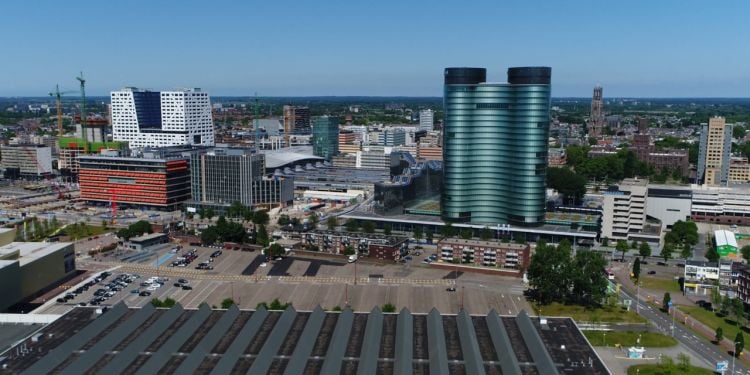
Working in Utrecht
Utrecht may be a smaller city than Amsterdam or Rotterdam, but it's one that many expats find themselves flocking to. It's a city located ...
Higher Education in Utrecht: World-Class Universities
Utrecht has a long academic tradition dating back to 1636, and today ranks among Europe's most prominent university cities. The presence of major educational institutions creates an international, intellectually stimulating environment that attracts students and researchers from around the world.
Utrecht University
Utrecht University is the largest university in the Netherlands and consistently ranks among the world's top 100 institutions. It offers 49 bachelor's programmes and 147 master's programmes across seven faculties, with particular strengths in life sciences, sustainability research, and humanities. The university is associated with 12 Nobel Prize laureates and maintains a strong focus on interdisciplinary research. Many programmes are taught entirely in English, making them accessible to international students.
HU University of Applied Sciences
HU University of Applied Sciences Utrecht provides practice-oriented education with strong industry connections. The institution offers several English-taught programmes in business, technology, and creative industries. Students benefit from internship opportunities and direct pathways to employment in the Dutch job market.
Tuition Fees and Admission
Tuition fees vary based on nationality and programme type. The table below summarises typical annual costs.
EU/EEA students (statutory fee) | EUR 2,601 per year (2025–2026) |
Non-EU/EEA students (institutional fee) | EUR 11,000–25,000+ per year |
Monthly living expenses | EUR 1,200–1,500 |
Sources: Utrecht University, HU University of Applied Sciences
Various scholarships are available for international students, including the Utrecht Excellence Scholarships covering tuition and living expenses for outstanding non-EU students. Applications typically close on February 1 for programmes starting in September.
Schools for Expat Children: Education Options in Utrecht
Families relocating to Utrecht will find a range of educational options to suit their children's needs. The Netherlands offers both free public education and fee-based international schools, allowing parents to choose the approach that best fits their family situation and future plans.
Dutch Public Schools
Dutch primary and secondary education is government-funded and free of charge. Schools may request a voluntary parental contribution (ouderbijdrage) of approximately EUR 250–865 per year for extracurricular activities. Many Dutch schools, particularly in Utrecht, are accustomed to international children and offer transition programmes. Children typically adapt quickly and become fluent in Dutch within one to two years. This option is ideal for families planning a long-term stay.
International Schools
For families seeking English-language education or curriculum continuity, International School Utrecht (ISU) offers programmes following the International Baccalaureate (IB) framework from Primary Years Programme through to the Diploma Programme. The school welcomes students aged 4–18 and provides a multicultural learning environment. ISU is currently located in Kanaleneiland, with plans to relocate to Utrecht Science Park in 2026.
School Fees Comparison
Dutch public school | Free (voluntary contribution EUR 250–865) |
International School Utrecht (primary) | EUR 5,500–6,500 per year |
International School Utrecht (secondary) | EUR 8,000–15,000+ per year |
Sources: International School Utrecht
Enrollment at international schools typically requires advance planning, as popular institutions may have waiting lists. Contact schools directly for application deadlines and available spaces.
Finding a Home: Housing and Neighbourhoods in Utrecht
The Utrecht housing market is competitive, with demand consistently outpacing supply. Property prices have risen significantly in recent years, making Utrecht one of the most expensive cities in the Netherlands after Amsterdam. Early planning and flexibility are essential when searching for accommodation.
Rental Market Overview
Rental prices in Utrecht average approximately EUR 28–32 per square metre in the private sector. A one-bedroom apartment in the city centre typically costs EUR 1,200–1,500 per month, while a three-bedroom apartment ranges from EUR 1,800–2,400. Properties outside the centre offer better value, with rents 15–25% lower. The rental market moves quickly; be prepared to act fast and have documentation ready.
Expat-Friendly Neighbourhoods
City Centre (Binnenstad) offers historic charm with canal-side living, excellent restaurants, and proximity to all amenities. Expect premium prices but unmatched convenience. Wittevrouwen and Oudwijk, northeast of the centre, feature leafy streets, village-like atmosphere, and family homes—highly popular with established expat families. Leidsche Rijn is Utrecht's largest new development, designed with modern families in mind. It offers affordable new-build housing, excellent schools, green spaces including Maxima Park, and good public transport links. Lombok provides a multicultural atmosphere with diverse shops, bakeries, and affordable studios and apartments—ideal for young professionals.
Rental Price Indicators
1-bedroom apartment (centre) | EUR 1,200–1,500/month |
3-bedroom apartment (centre) | EUR 1,800–2,400/month |
1-bedroom apartment (outside centre) | EUR 1,000–1,300/month |
Sources: Numbeo, RentHunter
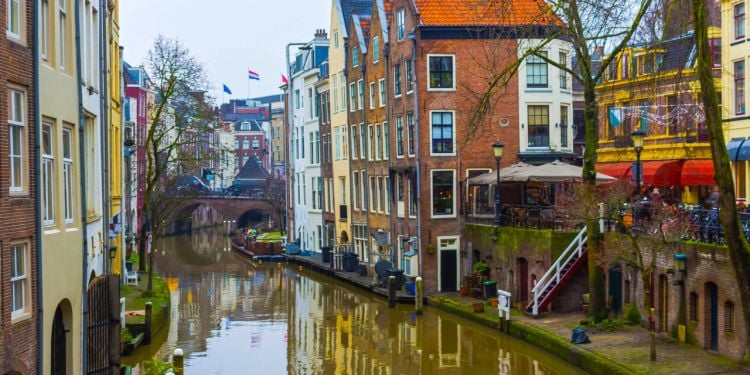
Accommodation in Utrecht
While most cities in the Randstad are located by or near the coast, Utrecht is an exception. Instead, it's located right in the middle of the ...
Culture and Leisure: What to Do in Utrecht
Utrecht offers a rich cultural scene that punches above its weight, with world-class museums, festivals, and a thriving arts community. The city's compact size means entertainment options are always within easy reach, whether you prefer history, music, sport, or simply enjoying life along the canals.
Museums and Cultural Attractions
The Dom Tower remains Utrecht's most iconic landmark. Guided tours take visitors up 465 steps for panoramic views stretching to Amsterdam on clear days. Below the tower, DOMunder offers an interactive archaeological experience exploring 2,000 years of history beneath Dom Square. The Centraal Museum houses the world's largest collection of works by De Stijl designer Gerrit Rietveld, alongside Old Masters and contemporary art. The Rietveld Schröder House, a UNESCO World Heritage Site, showcases revolutionary 1920s architecture. Museum Speelklok delights all ages with self-playing musical instruments housed in a medieval church. Train enthusiasts should not miss the Railway Museum (Spoorwegmuseum), set in a historic station with vintage locomotives and interactive exhibits. For families with young children, the Nijntje Museum (Miffy Museum) celebrates the beloved character created by Utrecht artist Dick Bruna.
Parks, Events and Nightlife
Green spaces abound, from the historic Wilhelminapark to the vast Maxima Park in Leidsche Rijn. Amelisweerd offers forest walks and Highland cattle grazing along the Kromme Rijn river. The Oudegracht canal, with its unique two-level structure, hosts restaurants and terraces perfect for summer evenings. TivoliVredenburg, the city's flagship music venue, hosts concerts ranging from classical to electronic. Annual events include the Festival Oude Muziek (early music), the Nederlands Film Festival, and Utrecht Pride. Winter brings U on Ice, a free ice rink at Jaarbeursplein, and atmospheric Christmas markets.
Attraction Entry Prices
Dom Tower climb | EUR 14.50 (adults) |
DOMunder | EUR 15 (adults) |
Museum Speelklok | EUR 17 (adults) |
Centraal Museum | EUR 15 (adults) |
Sources: DutchReview, museum websites
Everyday Life: Getting Around and Living in Utrecht
Utrecht is widely considered one of the most liveable cities in the Netherlands, offering an excellent balance of urban convenience and quality of life. The compact city centre, outstanding public transport, and cycling infrastructure make daily routines remarkably efficient.
Transportation
Cycling is the primary mode of transport for most Utrecht residents. The city features an extensive network of dedicated cycle paths, and the bicycle parking facility at Utrecht Centraal station is one of the world's largest, accommodating over 12,500 bikes. A quality second-hand bicycle costs approximately EUR 100–300.
Public transport is operated by U-OV, running buses and trams throughout the city and to surrounding areas. The OV-chipkaart (public transport chip card) costs EUR 7.50 and can be loaded with credit or subscriptions. A single bus/tram journey costs approximately EUR 3.20, while a day ticket for unlimited travel within Utrecht is EUR 7.20. Utrecht Centraal station is the busiest railway hub in the Netherlands, with frequent connections to all major cities.
Daily Practicalities
Supermarkets such as Albert Heijn, Jumbo, and Lidl are found throughout the city, with many open until 22:00. Weekly markets, including the popular Saturday flower market at Janskerkhof, offer fresh produce and local goods. The Dutch healthcare system requires all residents to have basic health insurance (basisverzekering), with monthly premiums averaging EUR 120–150. Most Dutch people speak excellent English, making integration easier for newcomers.
Transport Costs
OV-chipkaart | EUR 7.50 (one-time) |
Day ticket (bus/tram) | EUR 7.20 |
Monthly public transport pass | EUR 70–90 (estimated) |
Sources: OV-chipkaart, Public Transport Holland
Monthly Expenses: Cost of Living in Utrecht
Utrecht offers a high standard of living at costs slightly below Amsterdam but above the Dutch national average. Understanding typical expenses helps newcomers budget effectively and avoid financial surprises. The following estimates reflect 2025 prices from official sources and cost-of-living databases.
Budget for a Single Person
A single professional renting a one-bedroom apartment can expect the following monthly expenses.
Category | Monthly Cost (EUR) | Notes |
Rent (1-bedroom, centre) | 1,200–1,500 | Unfurnished |
Utilities | 150–200 | Electricity, gas, water |
Groceries | 250–350 | Home cooking |
Transport | 50–100 | Cycling + occasional transit |
Health insurance | 120–150 | Basic coverage mandatory |
Total (single) | 1,770–2,300 | Excluding leisure |
Budget for a Family of Four
A family with two children renting a three-bedroom apartment should budget as follows.
Category | Monthly Cost (EUR) | Notes |
Rent (3-bedroom) | 1,800–2,400 | Centre or suburban |
Utilities | 200–280 | Larger property |
Groceries | 600–800 | Family shopping |
Transport | 100–200 | Bikes + public transport |
Health insurance (2 adults) | 240–300 | Children covered free |
International school (2 children) | 900–1,500 | If applicable |
Total (family) | 3,840–5,480 | Excluding leisure |
Sources: Numbeo, Utrecht University
In Short
Utrecht combines medieval heritage with modern vitality, offering newcomers a high quality of life in a manageable, cycle-friendly city. Its central location provides easy access to anywhere in the Netherlands, while the strong job market—particularly in technology, healthcare, and research—creates genuine career opportunities. Families benefit from excellent schools, safe neighbourhoods, and abundant green spaces, while young professionals enjoy a lively cultural scene and welcoming international community. Housing remains competitive, so early preparation is key. Whether you're drawn by career prospects, academic excellence, or simply the charm of canal-side living, Utrecht rewards those who choose to call it home. Connect with fellow expatriates and get practical advice on the Expat.com Utrecht forum—your community awaits.
We do our best to provide accurate and up to date information. However, if you have noticed any inaccuracies in this content, please contact us.


Essential services for your expat journey