

Living in Montpellier: the ultimate expat guide
Everything you need to know for a successful life in Montpellier.
Montpellier is a dynamic Mediterranean city in the Occitanie region of southern France. With a population of approximately 487,000 in the urban area, it ranks as France's eighth-largest city and has been the country's fastest-growing metropolis for over 25 years. The city enjoys a warm climate with 300 days of sunshine per year, beautiful medieval architecture, and a youthful energy driven by its large student population.
Located just 10 kilometers from the Mediterranean coast, Montpellier offers the perfect balance between urban amenities and beach lifestyle. The city has reinvented itself as a hub for technology, healthcare, and research while preserving its rich historical heritage dating back to the 10th century.
5 Good Reasons to Move to Montpellier
- Mediterranean climate – Enjoy mild winters and warm, sunny summers with easy access to beaches.
- Affordable cost of living – Significantly lower expenses compared to Paris or Lyon while maintaining excellent quality of life.
- Free public transport – Residents benefit from free trams and buses throughout the metropolitan area since December 2023.
- World-class universities – Home to one of the world's oldest universities, founded in 1160, attracting students globally.
- Thriving job market – Growing sectors in health technology, IT, and research offer diverse career opportunities.
Working in Montpellier: Career Opportunities and Job Market
Montpellier has transformed into a major economic hub in southern France, with strong growth in several key industries. The city attracts professionals seeking opportunities in healthcare, technology, research, and tourism. Major employers include pharmaceutical companies like Sanofi, research institutions such as CNRS and INSERM, and numerous tech startups in the Port Marianne business district.
Key Employment Sectors
The healthcare and life sciences sector is particularly robust, with Montpellier hosting one of France's largest university hospitals (CHU Montpellier) and numerous biotech companies. The technology sector continues to expand, with many IT companies and startups establishing offices in the city. The tourism industry also provides significant employment, especially in hospitality and services during the summer season.
Work Permits and Employment Regulations
EU/EEA citizens can work freely in Montpellier without a permit. Non-EU nationals require a long-stay visa (VLS-TS) with work authorization. Employers must obtain a work permit (autorisation de travail) before hiring non-EU workers, unless the position qualifies for the Talent Passport visa for highly skilled professionals earning above €42,000 annually. The application process begins on the official France-Visas portal.
The following table provides key employment indicators for the Montpellier area:
Average annual salary | €40,500 |
Average monthly net salary | €2,400 |
National unemployment rate (Q4 2024) | 7.3% |
Sources: Numbeo 2025, INSEE
Higher Education and Universities in Montpellier
Montpellier boasts one of the oldest and most prestigious university systems in the world. The University of Montpellier, founded in 1160, is the sixth-largest university in France with approximately 50,000 students, including 7,000 international students. The city's academic excellence attracts scholars and researchers from across the globe.
Main Universities and Institutions
The University of Montpellier (UM) offers programs in science, technology, medicine, pharmacy, law, economics, and management. It has 16 schools and institutes with 78 research structures, receiving international recognition in biology, health, agri-environment, and information technologies. The Paul Valéry University (Montpellier 3) specializes in humanities, arts, and social sciences. Additionally, several prestigious grandes écoles operate in the city, including engineering and business schools.
Tuition Fees and Admission
Public university fees for EU students remain highly affordable: €170 per year for bachelor's programs, €243 for master's programs, and €380 for doctoral studies. Non-EU international students may face higher fees ranging from €2,770 to €3,770, though many institutions offer partial fee waivers. The CVEC (student life contribution) of approximately €103 annually is required for all students. Applications are processed through Parcoursup for undergraduates and MonMaster for graduate programs.
Sources: University of Montpellier
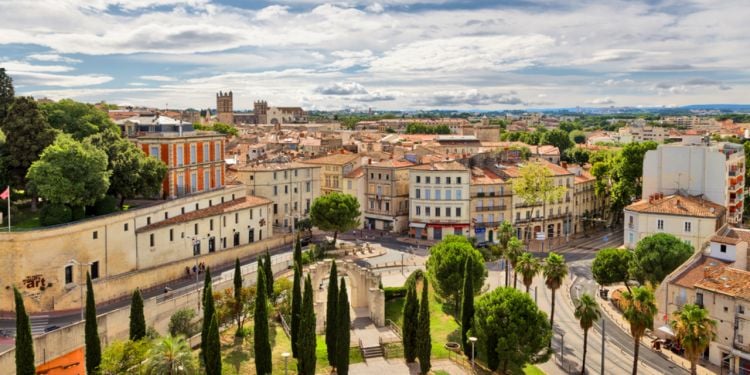
Study in Montpellier
Montpellier attracts many students thanks to its many assets, including its cathedral, medieval streets, pedestrianized historic center, 13th-century ...
Retiring in Montpellier: A Mediterranean Retirement Destination
Montpellier has become increasingly popular among international retirees seeking Mediterranean climate, excellent healthcare, and cultural richness at reasonable costs. The city offers a high quality of life with modern amenities while maintaining the charm and slower pace that appeals to those enjoying their retirement years.
Visa Requirements for Retirees
Non-EU retirees must apply for a long-stay visitor visa (VLS-TS) through the French consulate in their home country. Requirements include proof of stable income or pension (minimum approximately €1,500-€1,800 per month), comprehensive health insurance, and accommodation arrangements. The visa is initially valid for one year and renewable. After five years of continuous residence, retirees may apply for permanent residency.
Healthcare for Retirees
France's healthcare system consistently ranks among the world's best. Retirees can access the public healthcare system once registered. The CHU Montpellier is one of France's largest university hospitals, offering comprehensive medical services. Private health insurance (mutuelle) is recommended to cover costs not reimbursed by the public system. Montpellier's medical expertise is particularly strong in research and specialized treatments.
Popular Retirement Neighborhoods
Les Arceaux offers a village atmosphere with essential amenities within walking distance and excellent market access. Antigone provides modern, accessible apartment living near shops and tram lines. Nearby towns like Castelnau-le-Lez offer quieter settings with easy city access. Many retirees also explore surrounding villages in the Hérault department for larger properties with gardens.
Schools and Education for Expat Children in Montpellier
Montpellier offers diverse schooling options for expatriate families, ranging from French public schools to international and bilingual institutions. The French education system is compulsory from ages 3 to 16, with public schooling being free. For families seeking English-language or bilingual education, several excellent private international schools serve the area.
International and Bilingual Schools
The International School of Montpellier (ISM) in Saint-Clément-de-Rivière provides bilingual French-English education following both French and British curricula for children ages 2-14. The École Privée Bilingue Internationale (EPBI) in Baillargues, located in a 17th-century château, offers education from kindergarten through secondary level, including the International Baccalaureate Diploma Programme. The École Internationale Antonia provides bilingual education from kindergarten through high school with IB preparation.
French Public Schools with International Sections
For families preferring the French public system, Lycée International Georges Frêche offers international sections including English tracks, preparing students for the French Baccalaureate with International Option (OIB). The Section Internationale Anglophone de Montpellier (SIAM) provides enhanced English instruction within the French curriculum. Public schooling is free, while private international school fees typically range from €6,000 to €17,000 annually depending on the institution and grade level.
Sources: International School of Montpellier, EPBI Montpellier
Housing and Neighborhoods: Where to Live in Montpellier
Montpellier offers diverse housing options across its seven official neighborhoods, each with distinct character and amenities. The rental market is competitive but significantly more affordable than Paris or Lyon. Most expats initially rent before considering property purchase, with typical lease terms of one to three years for unfurnished apartments.
Popular Neighborhoods for Expats
L'Ecusson (the historic center) features charming medieval streets, boutiques, and cafés—ideal for those wanting urban vibrancy. Antigone offers modern neoclassical architecture, convenient shopping at Le Polygone mall, and excellent tram connections. Port Marianne is a contemporary waterfront district popular with tech professionals, featuring modern apartments and green spaces along the Lez River. Les Arceaux provides a village-like atmosphere with one of the city's best open-air markets and good transport links. For families, Castelnau-le-Lez and Lattes offer quieter suburban living with easy access to the city center.
Rental Prices and Procedures
Finding rental accommodation typically requires proof of income (usually three times the rent), employer guarantees, and a security deposit equivalent to one month's rent. The following table shows average monthly rental prices:
1-bedroom apartment (city center) | €600 – €900 |
1-bedroom apartment (outside center) | €500 – €850 |
3-bedroom apartment (city center) | €1,000 – €1,650 |
3-bedroom apartment (outside center) | €900 – €1,350 |
Sources: Numbeo 2025
Leisure, Culture, and Things to Do in Montpellier
Montpellier offers a rich cultural scene and diverse leisure activities year-round. From world-class museums to Mediterranean beaches, the city provides entertainment for all interests and ages. The combination of historic architecture, contemporary art spaces, and outdoor activities makes it an engaging place to live.
Museums and Cultural Attractions
The Musée Fabre, one of France's finest art museums, houses European masterpieces from the Renaissance to contemporary works, including an entire wing dedicated to Pierre Soulages. The MO.CO contemporary art center and Pavillon Populaire photography gallery offer rotating exhibitions. The city's historic center features the Place de la Comédie, a stunning 18th-century square that serves as Montpellier's social hub. The Jardin des Plantes, France's oldest botanical garden (1593), provides a peaceful retreat near the medical faculty.
Outdoor Activities and Beaches
The Mediterranean coast is just 15-20 minutes from the city center. Palavas-les-Flots offers family-friendly beaches and seafood restaurants, accessible by bike path along the Lez River. The charming fishing village of Sète is 30 minutes away by train. For nature lovers, the Parc de Lunaret is a free 80-hectare zoo and park in the northern part of the city. The nearby Pic Saint-Loup provides excellent hiking opportunities, and the Camargue wetlands offer wildlife watching including wild flamingos.
Nightlife and Entertainment
The Saint-Roch district and streets around Place de la Comédie pulse with bars, restaurants, and live music venues. Tropisme, a cultural complex in the Halles Castellane, hosts concerts, exhibitions, and events. Cinema options include multiplexes and the art-house Diagonal cinema showing international films. Major annual events include the Montpellier Dance Festival and Radio France Festival in summer.
Daily Life in Montpellier: Transport, Culture, and Lifestyle
Daily life in Montpellier combines Mediterranean relaxation with urban convenience. The city enjoys a walkable historic center, excellent public transport, and a strong café culture. Residents typically enjoy long lunch breaks, evening aperitifs on sunny terraces, and weekend trips to nearby beaches or the Cévennes mountains.
Getting Around: Public Transport
Montpellier's TaM network operates four tram lines covering 56 kilometers with 84 stations, plus an extensive bus network. Since December 2023, all public transport is free for metropolitan residents with a Pass Gratuité—a major benefit for expats. Non-residents pay €1.90 for a 90-minute ticket or €6.00 for a 24-hour pass. A fifth tram line opens in December 2025, further expanding coverage. The city also offers bike-sharing services and dedicated cycling paths, including routes to the beach.
Lifestyle and Local Customs
Markets play a central role in Montpellier life. The Les Arceaux market (Tuesdays and Saturdays) and Plan Cabanes market offer fresh local produce, regional specialties, and artisan goods. Shops typically close for lunch (12:30-14:00) and on Sundays. The city's large student population creates a vibrant nightlife scene, particularly around Place de la Comédie and the Saint-Roch district. The Mediterranean pace means dinners start late (20:00 or later) and social life often extends well into the evening.
Cost of Living in Montpellier: Monthly Budget Guide
Montpellier offers an attractive cost of living compared to other major French cities—approximately 27% lower than Paris when including rent. The city provides excellent value while maintaining high quality of life, making it particularly appealing for young professionals, students, and retirees.
Monthly Budget for a Single Person
The following table estimates monthly expenses for a single person living in Montpellier:
Category | Monthly Cost |
Rent (1-bedroom, city center) | €700 |
Utilities (electricity, water, heating) | €170 |
Groceries | €300 |
Transport (free for residents) | €0 |
Mobile phone + Internet | €45 |
Leisure and dining out | €200 |
Total (Single Person) | €1,415 |
Monthly Budget for a Family of Four
Category | Monthly Cost |
Rent (3-bedroom, city center) | €1,200 |
Utilities | €250 |
Groceries | €600 |
Transport (free for residents) | €0 |
Mobile phones + Internet | €75 |
International school (1 child) | €600 |
Leisure and dining out | €400 |
Health insurance (private) | €300 |
Total (Family of Four) | €3,425 |
Sources: Numbeo 2025
In Short
Montpellier combines Mediterranean sunshine, rich history, and modern urban living at an affordable cost. Whether you're pursuing career opportunities in its growing tech and healthcare sectors, studying at world-renowned universities, raising a family, or enjoying retirement, this vibrant southern French city delivers quality of life that rivals larger European destinations. Free public transport for residents, beaches within reach, excellent dining, and a welcoming international community make settling in easy. The city's youthful energy, cultural offerings, and strategic location near both mountains and sea create an enviable lifestyle.
Ready to start your Montpellier adventure? Join the Expat.com Montpellier forum to connect with expats already living there, ask questions, and get firsthand advice on making your move a success.
We do our best to provide accurate and up to date information. However, if you have noticed any inaccuracies in this content, please contact us.


Essential services for your expat journey