Living in Liverpool: the ultimate expat guide
Everything you need to know for a successful life in Liverpool.
Liverpool is a port city in North West England with a population of approximately 509,000 residents in the city proper and over 1.5 million in the wider metropolitan area. Situated on the eastern side of the Mersey Estuary, it stands as the administrative, cultural, and economic centre of the Liverpool City Region. Known globally as the birthplace of The Beatles and home to two Premier League football clubs, Liverpool offers a unique blend of rich maritime heritage, world-class cultural attractions, and a friendly, welcoming atmosphere that makes it popular among international residents.
Why Liverpool Stands Out for Expats
Liverpool consistently ranks among the UK's most affordable major cities while offering excellent quality of life. The city boasts more museums and galleries than any UK city outside London, a UNESCO World Heritage waterfront, and a thriving creative scene. Its compact size means most amenities are within easy reach, while excellent transport links connect residents to Manchester, London, and beyond.
5 Good Reasons to Move to Liverpool
- Affordable cost of living – Housing costs are significantly lower than London or Manchester, with average rents around 50% less than the capital.
- Rich cultural scene – Home to Tate Liverpool, the Museum of Liverpool, and world-famous music venues like the Cavern Club.
- Excellent universities – Three major universities including the Russell Group University of Liverpool attract students and academics worldwide.
- Strong job market in growth sectors – Health and life sciences, digital and creative industries, and financial services are expanding rapidly.
- Friendly community – Liverpudlians, known as Scousers, are renowned for their warmth and sense of humour.
Working in Liverpool: Opportunities and Employment
Liverpool's economy has undergone significant transformation, shifting from its industrial heritage to a diverse service-based economy. The city powers a £16.7 billion economy with over 14,000 businesses and approximately 230,000 people in employment. Key growth sectors include health and life sciences, digital and creative industries, advanced manufacturing, and financial services.
Key Employment Sectors
The health and social care sector represents the single largest industry, making up 7% of regional output and employing over 16% of the workforce. The city is home to major NHS trusts and the new Royal Liverpool Hospital. The digital and creative sector has flourished in the Baltic Triangle area, attracting tech startups and established companies. Financial services firms including Barclays, JPMorgan, and Bank of Ireland have significant operations here. The Port of Liverpool handles approximately 45% of UK-US trade, supporting maritime and logistics employment.
Work Permits and Visa Requirements
International workers from outside the UK typically require a Skilled Worker visa. As of 2025, this requires a job offer from a licensed UK employer, a role at RQF Level 6 (graduate-level) or above, and a minimum salary of £41,700 per year or the going rate for your occupation, whichever is higher. Employers must hold a valid sponsor licence from the Home Office. Application fees start at £719 for up to three years, plus the Immigration Health Surcharge of £1,035 per year.
Liverpool Employment Overview
Unemployment Rate | 5.8% (UK average: 3.9%) |
Median Annual Salary (Full-time) | £34,515 |
Top Employment Sector | Health and Social Care (16.7% of jobs) |
Sources: Office for National Statistics, Liverpool City Council

Work in Liverpool
Part of the metropolitan county of Merseyside in the Northwest of England, Liverpool is a popular destination for expats from around the world and ...
Higher Education and Universities in Liverpool
Liverpool is a major university city with a student population exceeding 60,000. The city hosts three main universities offering diverse academic programmes and attracting students from over 170 countries. With its affordable living costs and vibrant cultural scene, Liverpool has become an increasingly popular destination for international students.
University of Liverpool
A member of the prestigious Russell Group, the University of Liverpool is ranked #165 in the QS World University Rankings 2025. Founded in 1881, it offers programmes across medicine, engineering, sciences, humanities, and business. International undergraduate tuition fees range from £22,400 to £50,875 per year depending on the course. The university requires a £2,000 deposit for master's applicants and offers scholarships of up to £7,000 for eligible international students.
Liverpool John Moores University (LJMU)
LJMU is one of the largest universities in the UK, known for its career-focused programmes and strong industry connections. It offers courses in business, engineering, health sciences, and creative arts. The university maintains excellent graduate employment rates and provides extensive support services for international students.
Liverpool Hope University
Liverpool Hope University is the UK's only ecumenical university, offering undergraduate and postgraduate programmes in education, business, sciences, and arts. It provides a more intimate campus experience with smaller class sizes and personalised support.
Admission and Living Costs
International students must meet English language requirements, typically IELTS 6.0-7.0 depending on the programme. The UK Visas and Immigration (UKVI) requires international students to demonstrate access to approximately £1,136 per month for living expenses. Most universities offer accommodation services and dedicated international student support teams.
Sources: University of Liverpool, Liverpool John Moores University
Schools and Education for Expat Children
Liverpool offers a comprehensive range of educational options for expat families, from state-funded schools following the English National Curriculum to independent schools with international programmes. The city has several outstanding schools rated by Ofsted, the UK's education inspectorate, and provides options for families seeking specific curricula or language instruction.
State Schools
State schools in England are free for all residents and follow the National Curriculum. Children attend primary school from ages 4-11 and secondary school from ages 11-16, with optional sixth form (ages 16-18) for A-Levels. Top-performing state schools in Liverpool include the Liverpool Blue Coat School, a selective grammar school with exceptional GCSE results, and numerous well-regarded academies. Admission to state schools is typically based on catchment area, so your residential location affects school options.
Independent and International Schools
Liverpool and the wider Merseyside area offer several independent schools for families seeking private education. Schools like Merchant Taylors' Boys' School and Merchant Taylors' Girls' School in Crosby, Liverpool College, and The Belvedere Academy provide high-quality education with smaller class sizes. Independent school fees in Liverpool average £1,767 per term for day schools, significantly lower than the England average of £3,612. Some schools offer the International Baccalaureate (IB) programme alongside traditional A-Levels.
Enrolment and Practical Information
For state schools, applications are made through Liverpool City Council for primary schools and through the coordinated admissions process for secondary schools. Independent schools have their own application procedures, often including entrance examinations and interviews. Most schools require proof of address, immunisation records, and previous academic reports.
Sources: Liverpool City Council, Independent Schools Council
Housing and Neighbourhoods in Liverpool
Liverpool offers some of the most affordable housing among major UK cities, with average rents significantly lower than London, Manchester, or Birmingham. The rental market provides diverse options from modern city centre apartments to Victorian terraces in leafy suburbs. As of September 2025, the average monthly private rent in Liverpool was £869, representing a 9.4% annual increase.
Popular Neighbourhoods for Expats
City Centre and Baltic Triangle – Ideal for young professionals, these areas offer modern apartments, excellent nightlife, and walkable access to workplaces. The Baltic Triangle has emerged as Liverpool's creative hub with galleries, cafés, and tech startups. Expect to pay £900-£1,200 per month for a one-bedroom apartment.
Aigburth and Sefton Park – Popular with families, these south Liverpool suburbs feature beautiful Victorian homes, excellent schools, and access to the stunning Sefton Park. Named in The Sunday Times Best Places to Live 2024, Lark Lane offers bohemian cafés and independent shops. One-bedroom apartments start around £750.
Woolton and Mossley Hill – These affluent suburbs offer village charm, outstanding schools, and green spaces. Mossley Hill was voted Liverpool's happiest place to live in 2024. These areas suit families seeking quieter surroundings while maintaining good city connections.
Crosby – Located north of the city, Crosby offers award-winning beaches, excellent schools, and a family-friendly atmosphere. It combines coastal living with easy access to the city centre.
Rental Costs Overview
1-Bedroom Apartment (City Centre) | £750 – £1,200/month |
1-Bedroom Apartment (Outside Centre) | £500 – £800/month |
3-Bedroom Apartment (City Centre) | £1,200 – £2,200/month |
3-Bedroom Apartment (Outside Centre) | £650 – £1,400/month |
Sources: Numbeo, ONS Housing Prices Index
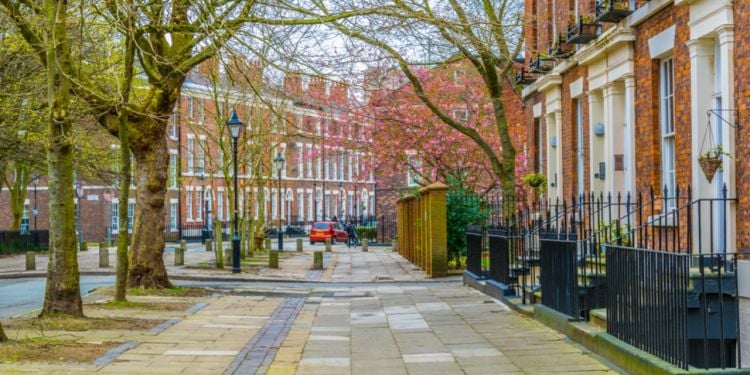
How to find accommodation in Liverpool
Liverpool is one of the liveliest cities in England, with a vibrant and eclectic lifestyle. Located in the North of England in the Merseyside region, ...
Leisure, Culture and Things to Do
Liverpool offers an extraordinary cultural scene, boasting more museums and galleries than any UK city outside London. As a former European Capital of Culture (2008) and UNESCO World Heritage Site, the city celebrates its artistic heritage while continuously embracing new creative expressions. From world-class football to legendary music venues, there's something for everyone.
Museums and Galleries
The Royal Albert Dock houses several major attractions including Tate Liverpool (temporarily at RIBA North during renovations), The Beatles Story, and the Merseyside Maritime Museum. The Museum of Liverpool is the largest museum dedicated to a city in the UK, exploring local history from prehistoric times to the present. The Walker Art Gallery holds one of England's finest art collections, while the World Museum offers everything from Egyptian mummies to a planetarium – all with free admission.
Music and Nightlife
Music runs through Liverpool's veins. The legendary Cavern Club, where The Beatles performed over 290 times, offers live music every night. The city hosts numerous music festivals and the M&S Bank Arena brings international acts. Concert Square and the Ropewalks district offer vibrant nightlife, while the Baltic Triangle features independent bars, clubs, and creative spaces.
Sports and Recreation
Football is a religion in Liverpool. Liverpool FC at Anfield and Everton FC (with their new waterfront stadium opening in 2025) offer stadium tours and match-day experiences. The city also hosts the Grand National horse race at Aintree and prestigious golf at Royal Birkdale. For outdoor activities, Sefton Park, Crosby Beach with its famous Iron Men sculptures, and miles of coastline provide excellent recreation.
Annual Events
Liverpool hosts the UK's largest free contemporary art festival, Liverpool Biennial, every two years. The Liverpool International Music Festival, River of Light trail, and various waterfront events fill the calendar throughout the year.
Sources: Visit Liverpool, Culture Liverpool
Daily Life in Liverpool
Daily life in Liverpool combines the convenience of a major city with a friendly, community-oriented atmosphere. The city is compact and walkable, with excellent public transport linking neighbourhoods to the centre. Liverpudlians are known for their warmth, humour, and strong sense of local identity, making it easy for newcomers to feel welcome.
Getting Around
Merseytravel operates Liverpool's integrated public transport network, including buses, trains, and the famous Mersey Ferries. The Liverpool City Region Mayor has maintained a £2 bus fare cap until September 2025, making bus travel highly affordable. A monthly public transport pass costs approximately £67. The Merseyrail train network connects the city centre to suburbs and neighbouring towns efficiently. Liverpool Lime Street station provides direct trains to Manchester (45 minutes), London (2 hours 15 minutes), and other UK cities. Liverpool John Lennon Airport offers flights to European destinations.
Shopping and Services
Liverpool ONE is the city's main shopping district, featuring over 170 stores, restaurants, and a cinema complex. For groceries, major supermarkets including Tesco, Sainsbury's, Asda, and Aldi are widespread. The Bold Street area offers independent shops, vintage stores, and international food shops reflecting the city's diversity. Liverpool has a thriving Chinatown, Europe's oldest Chinese community, with authentic restaurants and the iconic Chinese Arch.
Healthcare
The UK's National Health Service (NHS) provides healthcare to residents. You should register with a local GP (general practitioner) upon arrival. The new Royal Liverpool University Hospital, opened in 2023, is the city's main hospital. Private healthcare options are also available through providers like Spire and Nuffield Health.
Sources: Merseytravel, NHS
Cost of Living in Liverpool
Liverpool is one of the most affordable major cities in the UK, offering excellent value compared to London or southern England. The average monthly net salary after tax is approximately £2,214. While housing and everyday expenses are lower than the national average, quality of life remains high with access to excellent cultural amenities, restaurants, and services.
Monthly Budget: Single Person
The following table estimates monthly expenses for a single person living in Liverpool:
Expense | City Centre | Outside Centre |
Rent (1-bedroom) | £900 | £575 |
Utilities | £233 | £233 |
Transport (monthly pass) | £67 | £67 |
Groceries | £250 | £250 |
Internet & Mobile | £49 | £49 |
Total | £1,499 | £1,174 |
Monthly Budget: Family of Four
Estimated monthly expenses for a family of four with two children:
Expense | City Centre | Outside Centre |
Rent (3-bedroom) | £1,767 | £914 |
Utilities | £300 | £300 |
Transport | £134 | £134 |
Groceries | £550 | £550 |
Childcare/School (private, 1 child) | £1,200 | £1,200 |
Internet & Mobile | £65 | £65 |
Total | £4,016 | £3,163 |
Sources: Numbeo Liverpool, Merseytravel
In Short
Liverpool offers an exceptional combination of affordability, culture, and opportunity that makes it increasingly attractive to international residents. With housing costs well below the UK average, world-class universities, a growing economy in sectors like health sciences and digital technology, and an unmatched cultural heritage, the city provides genuine quality of life. The warmth of the local community, the stunning waterfront, and the city's creative energy create an environment where newcomers can quickly feel at home. Whether you're drawn by career opportunities, academic pursuits, or simply the desire for a dynamic yet affordable urban life, Liverpool deserves serious consideration.
Ready to start your Liverpool adventure? Connect with other expats, ask questions, and get insider tips on the Liverpool Expat.com forum.
We do our best to provide accurate and up to date information. However, if you have noticed any inaccuracies in this content, please contact us.


Essential services for your expat journey