

Living in Birmingham: the ultimate expat guide
Everything you need to know for a successful life in Birmingham.
Birmingham stands as England's second-largest city, a dynamic metropolis at the heart of the West Midlands with a population exceeding 1.1 million residents. Once the powerhouse of the Industrial Revolution, Birmingham has transformed into a modern, multicultural hub known for its thriving business scene, world-class universities, and rich cultural heritage. The city offers an appealing blend of urban energy and green spaces, with over 591 parks earning it recognition as one of Europe's greenest cities.
Why Choose Birmingham?
Birmingham provides an excellent quality of life at a considerably lower cost than London, with rents approximately 40% cheaper and overall living expenses around 35% lower. The city's central location offers outstanding connectivity—London is just 90 minutes by train, and Birmingham Airport provides direct flights to over 150 destinations worldwide.
5 Good Reasons to Move to Birmingham
- Affordable living: Significantly lower housing and living costs compared to London while maintaining excellent career opportunities.
- Career prospects: Major employers across finance, healthcare, technology, and manufacturing sectors.
- Education excellence: Home to five universities and numerous outstanding schools, including internationally recognized institutions.
- Cultural diversity: A vibrant, multicultural city with cuisines from around the world and more Michelin-starred restaurants than any UK city outside London.
- Strategic location: Central England position with excellent rail, road, and air connections across the UK and Europe.
Working in Birmingham: Career Opportunities and Employment
Birmingham's economy is the second-largest in the UK, with a GDP representing approximately 1.6% of England's total output. The city has evolved from its industrial roots to become a major service-sector hub, particularly strong in finance, professional services, healthcare, and technology. Major employers include Jaguar Land Rover, HSBC, PwC, and the National Health Service, which is the region's largest employer.
Employment Landscape
The city offers approximately 589,000 jobs across diverse sectors. The largest industry is human health and social work, followed by professional services and retail. Birmingham is also the UK's leading center for public administration, education, and health employment outside London. The HS2 high-speed rail project is creating thousands of construction and engineering jobs, with the new Curzon Street station set to transform the city's connectivity.
Work Permits and Visas
Non-UK nationals typically require a Skilled Worker visa to work in Birmingham. This requires a job offer from a licensed sponsor, a minimum salary of £41,700 per year (or the going rate for your occupation), and English language proficiency at B1 level. The visa allows stays of up to five years, with a pathway to permanent residency. Healthcare and education roles may qualify for reduced salary thresholds under the Health and Care Worker visa.
The following table provides key employment indicators for Birmingham:
Unemployment Rate | 6.2% (Q2 2024) |
Average Annual Salary | £34,289 |
Top Employment Sectors | Healthcare, Professional Services, Manufacturing |
Sources: Office for National Statistics, Statista

Work in Birmingham
Located in the West Midlands, Birmingham is England's second-largest city after London, with approximately 1.15 million people living in the city and ...
Higher Education and Universities in Birmingham
Birmingham is the UK's largest higher education center outside London, home to over 80,000 students across five universities. The city offers world-class academic programs, state-of-the-art facilities, and a vibrant student community. International students benefit from excellent support services and a multicultural environment that makes settling in straightforward.
Leading Universities
The University of Birmingham is a prestigious Russell Group institution, consistently ranked among the world's top 100 universities. Founded in 1900, it offers over 480 programs across arts, sciences, engineering, and medicine. The campus in Edgbaston features stunning red-brick architecture and extensive research facilities. Birmingham City University focuses on practical, career-oriented education with strong links to local industries, while Aston University is renowned for business and engineering programs.
Tuition Fees and Admissions
International undergraduate tuition fees typically range from £22,850 to £50,360 per year, depending on the program. Postgraduate taught courses range from £24,130 to £37,800 annually. Most universities require applications through UCAS for undergraduate programs, with deadlines typically in January for autumn entry. International students must demonstrate English proficiency through IELTS (usually 6.0–7.0) or equivalent tests.
The following table summarizes key information about Birmingham's main universities:
University | Int'l UG Fees (Annual) | Notable Programs |
University of Birmingham | £22,850–£50,360 | Medicine, Engineering, Business |
Birmingham City University | £16,300–£18,500 | Art & Design, Media, Computing |
Aston University | £19,600–£23,500 | Business, Optometry, Engineering |
Sources: University of Birmingham, Birmingham City University, Aston University
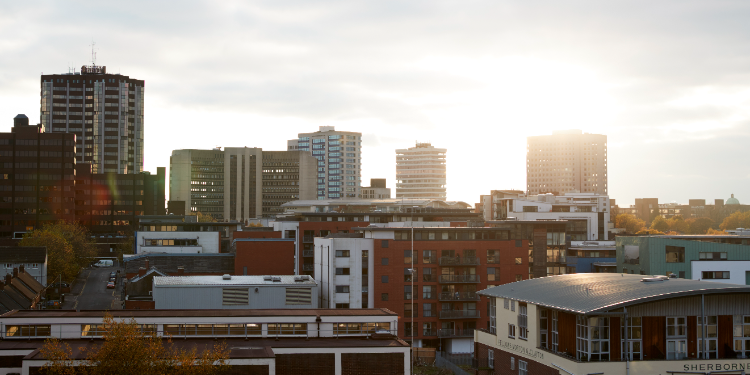
Study in Birmingham
Birmingham ranks among the 50 best student cities worldwide according to QS Top Universities, and there's a good reason for that. Located in ...
Schools and Education for Children in Birmingham
Birmingham is England's largest local education authority, offering over 400 schools ranging from state-funded institutions to prestigious independent schools. The city provides excellent educational options for expatriate families, including international schools, bilingual programs, and highly-rated grammar schools. The academic year runs from September to July, with three terms separated by holidays.
State and Grammar Schools
State schools in Birmingham are free for all residents, including children of visa holders. The city has several outstanding grammar schools that select students based on academic ability through the 11+ examination. Notable grammar schools include King Edward VI Camp Hill and Sutton Coldfield Grammar School. State school admissions are coordinated by Birmingham City Council, with applications typically due by mid-January for September entry.
Independent and International Schools
For families seeking British curriculum education with smaller class sizes, Birmingham offers excellent independent schools. King Edward's School (boys) and King Edward VI High School for Girls are among the UK's top-performing schools, offering the International Baccalaureate. Fees at leading independent schools range from £5,954 to £7,330 per term (approximately £18,000–£22,000 annually). Edgbaston High School for Girls and The Blue Coat School are also highly regarded options.
School | Type | Annual Fees (Approx.) |
King Edward's School | Independent (Boys 11–18) | £21,990 (inc. VAT) |
King Edward VI High School for Girls | Independent (Girls 11–18) | £21,435 (inc. VAT) |
Edgbaston High School | Independent (Girls 2–18) | £15,000–£18,000 |
Sources: King Edward's School, King Edward VI High School for Girls
Housing and Neighbourhoods in Birmingham
Birmingham offers diverse housing options across distinct neighbourhoods, each with its own character. Rental prices are significantly more affordable than London, making it possible to find quality accommodation in desirable areas. Most rentals are unfurnished, and tenants typically sign 12-month assured shorthold tenancy agreements. Landlords usually require a deposit equal to five weeks' rent, references, and proof of income or employment.
Popular Neighbourhoods for Expats
Edgbaston is one of Birmingham's most prestigious areas, known for its Victorian architecture, the famous cricket ground, and Birmingham Botanical Gardens. It's popular with professionals and families due to excellent schools and proximity to the University of Birmingham. Harborne offers a village atmosphere with independent shops, restaurants, and outstanding schools—perfect for families seeking a community feel. Moseley attracts creative professionals with its bohemian vibe, Victorian houses, and lively arts scene. Solihull, technically a separate borough, combines suburban tranquility with excellent schools and easy airport access.
Rental Prices
The following table shows average monthly rental costs across Birmingham:
1-Bedroom Apartment (City Centre) | £1,000–£1,200/month |
1-Bedroom Apartment (Outside Centre) | £650–£900/month |
3-Bedroom Apartment (City Centre) | £1,400–£2,000/month |
3-Bedroom House (Suburbs) | £1,200–£1,600/month |
Sources: Numbeo, Office for National Statistics
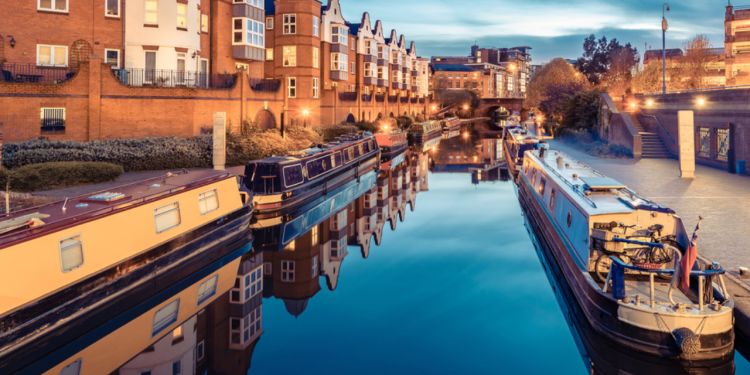
Accommodation in Birmingham
Birmingham is one of England's largest and most important cities. With an estimated population of approximately 2.2 million, it is one of the ...
Leisure, Culture and Things to Do in Birmingham
Birmingham offers a wealth of cultural, sporting, and leisure activities that cater to all interests and ages. From world-class museums and theatres to beautiful parks and a renowned food scene, the city provides endless opportunities for entertainment and enrichment. The diverse population has created a cultural tapestry that makes Birmingham one of England's most exciting cities to explore.
Museums and Cultural Attractions
Birmingham Museum & Art Gallery houses one of the world's finest collections of Pre-Raphaelite paintings and is free to visit. The Library of Birmingham is an architectural landmark with a stunning rooftop garden and extensive archives. Thinktank, the city's science museum, offers interactive exhibits perfect for families. For chocolate lovers, Cadbury World in Bournville reveals the story behind Britain's favourite confectionery. The Black Country Living Museum, a short drive away, brings industrial heritage to life and served as a filming location for the TV series Peaky Blinders.
Parks and Recreation
With 591 parks, Birmingham offers abundant green space. Cannon Hill Park features boating lakes, mini-golf, and the MAC (Midlands Arts Centre). Sutton Park, one of Europe's largest urban parks at 2,400 acres, offers woodland walks and wildlife spotting. The Birmingham Botanical Gardens in Edgbaston showcases tropical plants and a beautiful butterfly house.
Sports and Nightlife
Football fans can support Aston Villa or Birmingham City, while cricket enthusiasts enjoy international matches at Edgbaston Cricket Ground. The city's nightlife centers around Broad Street and the Jewellery Quarter, with everything from sophisticated cocktail bars to live music venues. The Birmingham Hippodrome is the UK's busiest theatre, hosting West End shows and the renowned Birmingham Royal Ballet.
Sources: Visit Birmingham, Birmingham City Council
Daily Life in Birmingham: Transport and Lifestyle
Birmingham combines the conveniences of a major city with a friendly, welcoming atmosphere. Daily life is made easy by excellent public transport, abundant shopping options, and a diverse culinary scene. The city's compact center means many attractions, restaurants, and services are within walking distance, while the extensive canal network—longer than Venice's—provides scenic walking and cycling routes.
Getting Around
Birmingham's public transport network is operated by Transport for West Midlands and includes buses, trams, and trains. The West Midlands Metro tram system connects key areas including the city centre, Jewellery Quarter, and extends to Wolverhampton. Birmingham New Street is one of the UK's busiest railway stations, providing connections across Britain. A monthly transport pass costs approximately £65, while single bus tickets are around £2.60. The Swift card offers convenient contactless payment across all transport modes.
Lifestyle and Culture
Birmingham has a rich multicultural heritage reflected in its neighborhoods and cuisine. The Balti Triangle in Sparkbrook is famous for this Birmingham-invented curry dish, while the city boasts more Michelin-starred restaurants than any UK city outside London. Shopping ranges from the modern Bullring centre to independent boutiques in Digbeth's Custard Factory. The climate is temperate, with average temperatures of 4°C in winter and 17°C in summer. Rainfall is spread throughout the year, so an umbrella is a useful accessory.
Monthly Transport Pass | £65 |
Single Bus Ticket | £2.60 |
Taxi (per mile) | £1.92 |
Sources: Transport for West Midlands, Numbeo
Cost of Living in Birmingham: Budgeting for Your Move
Birmingham offers excellent value compared to London and many other major European cities. Living costs are approximately 35–40% lower than London, making it an attractive option for expatriates seeking quality of life without excessive expenses. The city combines affordable housing with reasonable prices for groceries, dining, and entertainment, allowing residents to enjoy a comfortable lifestyle on moderate incomes.
Monthly Budget: Single Person
A single person can expect to spend approximately £1,350–£1,700 per month (including rent) for a comfortable lifestyle in Birmingham. The following table provides a detailed breakdown:
Expense Category | Monthly Cost (GBP) |
Rent (1-bed outside centre) | £800 |
Utilities (electricity, water, internet) | £190 |
Groceries | £200 |
Transport | £65 |
Dining & Leisure | £150 |
Total (Single Person) | £1,405 |
Monthly Budget: Family of Four
A family of four should budget approximately £3,500–£4,200 per month depending on housing choices and lifestyle. Private school fees would be additional.
Expense Category | Monthly Cost (GBP) |
Rent (3-bed house, suburbs) | £1,400 |
Utilities (electricity, water, internet) | £280 |
Groceries | £500 |
Transport (2 passes) | £130 |
Dining & Leisure | £300 |
Childcare/After-school activities | £400 |
Health Insurance (private, optional) | £200 |
Total (Family of Four) | £3,210 |
Sources: Numbeo, Transport for West Midlands
In Short
Birmingham offers an exceptional combination of career opportunities, affordable living, and cultural richness that makes it an ideal destination for expatriates. With housing costs significantly lower than London, excellent universities, outstanding schools, and a thriving job market, the city provides real value without compromising on quality of life. The multicultural atmosphere, award-winning restaurants, and abundance of green spaces create a welcoming environment where newcomers quickly feel at home. Whether you're relocating for work, studies, or a fresh start, Birmingham's central location and excellent connectivity make it easy to explore the rest of the UK while building a fulfilling life in England's second city. To connect with fellow expatriates, share experiences, and get practical advice from those who've made the move, join the Birmingham forum on Expat.com.
We do our best to provide accurate and up to date information. However, if you have noticed any inaccuracies in this content, please contact us.


Essential services for your expat journey