

Living in Plovdiv: the ultimate expat guide
Everything you need to know for a successful life in Plovdiv.
Plovdiv, Bulgaria's second-largest city with a population of approximately 330,000 residents, offers expatriates a unique blend of ancient history and modern European living. Often called the City of the Seven Hills, Plovdiv is one of the oldest continuously inhabited cities in Europe, with evidence of settlement dating back over 8,000 years. The city earned the prestigious title of European Capital of Culture in 2019, cementing its reputation as a thriving cultural destination. Located in the fertile Thracian Plain along the Maritsa River, Plovdiv provides an affordable cost of living, a growing economy, and a welcoming atmosphere for international residents.
5 Good Reasons to Move to Plovdiv
- Exceptional affordability – Living costs are significantly lower than in Western Europe, with a single person able to live comfortably on approximately EUR 900–1,100 per month including rent.
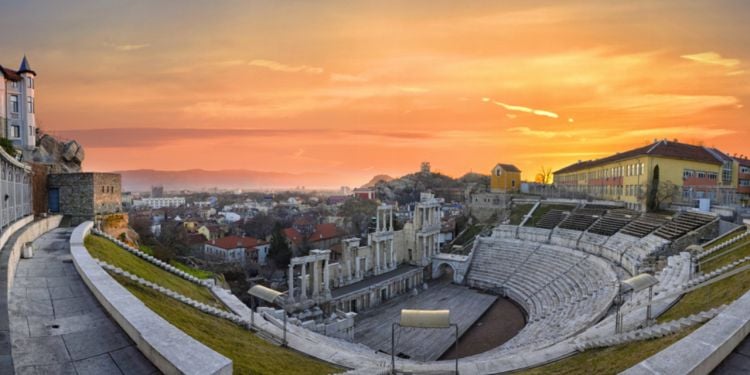
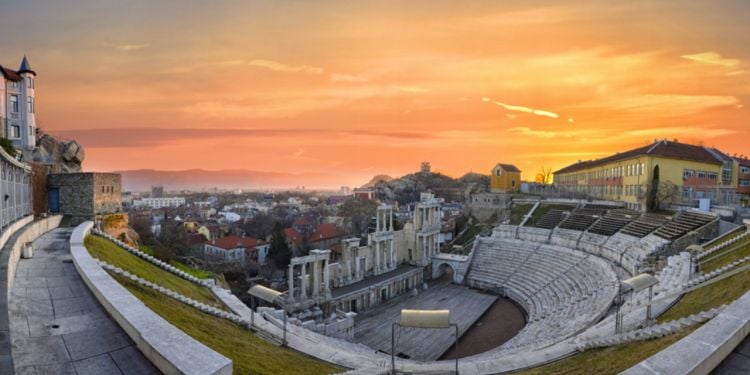
- Rich cultural heritage – From the remarkably preserved Ancient Roman Theatre to the charming Old Town with its Renaissance-era houses, history surrounds you.
- Thriving creative scene – The Kapana district is a hub for artists, entrepreneurs, and digital nomads, filled with cafés, galleries, and co-working spaces.
- Growing tech sector – Plovdiv is emerging as a technology and outsourcing hub, attracting international companies and remote workers.
- Strategic location – Just 1.5 hours from Sofia by car and close to Greece and Turkey, Plovdiv offers excellent connectivity for travel and business.
Working in Plovdiv: Career Opportunities and Employment
Plovdiv has developed into a significant economic center in Bulgaria, offering diverse employment opportunities across multiple sectors. The city benefits from a growing technology industry, established manufacturing base, and expanding service sector. For expatriates, understanding the local labor market and work permit requirements is essential before relocating.
Key Industries and Job Market
The IT and technology sector represents one of the fastest-growing employment areas in Plovdiv, with numerous international companies establishing offices in the city. Manufacturing, particularly in food processing, textiles, and machinery, remains a major employer. The city also hosts a strong outsourcing and business services industry, attracting companies seeking cost-effective operations with skilled workers. Healthcare and education are expanding sectors due to the presence of major universities and medical facilities. Co-working spaces like Networking and Cat and Mouse Coworking cater to the growing community of remote workers and digital nomads.
Work Permits and Visas
EU, EEA, and Swiss nationals can work freely in Bulgaria without a work permit. Non-EU citizens require a Type D long-stay visa and a work permit obtained through the Bulgarian National Employment Agency. The most common routes are the Single Work and Residence Permit (valid up to 3 years) or the EU Blue Card for highly skilled workers with a university degree and minimum gross salary of BGN 2,400 per month. In June 2025, Bulgaria introduced a Digital Nomad Visa allowing remote workers earning income from abroad to reside legally in the country.
Employment Overview
National unemployment rate (2025) | 5.1% |
Average gross monthly salary in Plovdiv | BGN 2,000–2,400 (EUR 1,020–1,230) |
Minimum wage (2025) | BGN 1,077 (EUR 550) |
Top sectors | IT, manufacturing, healthcare, education |
Sources: Trading Economics, EURES, Regional Profiles Bulgaria
Work in Plovdiv
Being Bulgaria's second biggest city, Plovdiv also provides many career prospects. Find out more about these in this article.
Higher Education and Universities in Plovdiv
Plovdiv is one of Bulgaria's most important educational centers, home to several respected universities offering programs to both local and international students. The city attracts thousands of foreign students annually, particularly in medicine, dentistry, and pharmacy programs taught in English.
Major Universities
The Paisii Hilendarski University of Plovdiv, founded in 1961, is one of Bulgaria's leading comprehensive universities. It offers degree programs across nine faculties, including humanities, natural sciences, economics, and law. The university employs over 550 full-time academic staff and hosts more than 13,000 students. International students can take a one-year Bulgarian language preparatory course for EUR 3,000 before beginning their studies.
The Medical University of Plovdiv, established in 1945, is recognized internationally and attracts students from the UK, Germany, and beyond. Programs in Medicine, Dental Medicine, and Pharmacy are available in English. Annual tuition fees are approximately EUR 8,000 for Medicine and Dentistry, and EUR 6,000 for Pharmacy. Degrees are recognized by the UK General Medical Council and listed in the WHO World Directory of Medical Schools.
Admission and Practical Information
International students from EU member states apply directly to universities and are ranked by documents without entrance exams. Non-EU students must apply through the respective university's international admissions office and may need to pass entrance examinations. The academic year typically begins in October. Universities offer student dormitories at affordable rates, though many students opt for private rentals in neighborhoods close to campus. Erasmus+ exchange programs are available at most institutions.
Sources: Paisii Hilendarski University of Plovdiv, Medical University of Plovdiv
Retiring in Plovdiv: A Peaceful European Destination
Plovdiv is increasingly popular among retirees seeking an affordable, culturally rich European destination. The combination of low living costs, pleasant climate, quality healthcare, and a relaxed lifestyle makes it an attractive option for those looking to stretch their retirement income.
Visa and Residency for Retirees
Non-EU retirees can obtain a Type D long-stay visa based on financial independence. Applicants must demonstrate sufficient income or savings to support themselves without working in Bulgaria—typically proven through pension statements or bank balances. After obtaining the initial visa, retirees apply for an extended residence permit (valid for one year, renewable). After five years of continuous residence, permanent residency becomes available. Bulgaria's residency requirements include maintaining valid health insurance and a registered address.
Healthcare and Quality of Life
Bulgaria offers both public and private healthcare. Retirees typically opt for private health insurance, costing approximately EUR 50–100 per month depending on age and coverage. Plovdiv hosts several quality medical facilities, and the city is actively investing in healthcare infrastructure. The calm neighborhoods of Kyuchuk Parizh and the areas near the Rowing Canal are particularly popular with retirees, offering green spaces and a peaceful atmosphere. The city's walkability, cultural offerings, and café culture provide ample opportunities for an active, engaged retirement.
Sources: Lawyers Bulgaria, Visa for Bulgaria
Schools and Education for Expatriate Children
Families relocating to Plovdiv will find a range of educational options, from Bulgarian public schools to private international institutions. The city offers quality schooling with curricula that prepare students for higher education both locally and abroad.
International and Private Schools
The British School of Plovdiv (BSP) is the primary international school in the city, offering a British curriculum from nursery through secondary education. The school follows the Cambridge International pathway and prepares students for IGCSE and A-Level examinations. Annual tuition fees range from EUR 9,100 for nursery to EUR 9,800 for reception, with additional fees for meals and transportation. The school offers family discounts of 5% for a second child and 8% for a third child.
The British International School Classic also operates in Plovdiv, offering both Bulgarian and British curricula alongside the International Baccalaureate Diploma Programme. Tuition for the standard program is EUR 5,410 per year, while the IB Programme costs EUR 7,000 annually.
Bulgarian Public Schools
Public education in Bulgaria is free and compulsory from ages 7 to 16. The system includes primary school (grades 1–4), lower secondary (grades 5–7), and upper secondary (grades 8–12). While instruction is in Bulgarian, some schools offer intensive foreign language programs. Expatriate children may need language support initially. The enrollment process requires proof of residence and previous academic records translated into Bulgarian.
Sources: British School of Plovdiv, British International School Classic
Housing and Neighborhoods in Plovdiv
Finding accommodation in Plovdiv is straightforward, with a variety of options from modern apartments to traditional Bulgarian houses. Rental prices remain significantly lower than in Western European cities, making the city attractive for expatriates on various budgets.
Popular Neighborhoods for Expats
Kapana (The Trap) is the creative heart of Plovdiv, a pedestrianized area filled with cafés, galleries, and boutique shops. It appeals particularly to younger expats, artists, and digital nomads seeking a vibrant atmosphere. The Old Town offers historic charm with its cobblestone streets and beautifully preserved Renaissance houses, though rentals here tend to be pricier. Kyuchuk Parizh (Little Paris) is a calm, residential neighborhood popular with families and retirees, offering modern amenities and green spaces. The Center district provides easy access to shops, restaurants, and public transport, making it convenient for daily life.
Rental Prices and Process
The rental market in Plovdiv offers good value. A one-bedroom apartment in the city center typically costs between EUR 350–450 per month, while a three-bedroom apartment ranges from EUR 500–650. Outside the center, prices drop by approximately 20–30%. Most landlords require a one-month deposit and one month's rent in advance. Rental agreements are usually signed for one year. Popular platforms for finding accommodation include local real estate agencies and websites such as imot.bg and homes.bg.
One-bedroom apartment (city center) | EUR 350–450/month |
Three-bedroom apartment (city center) | EUR 500–650/month |
Studio apartment | EUR 250–320/month |
Sources: Realistimo, Numbeo
Accommodation in Plovdiv
Plovdiv is a very popular city with expatriates, more particularly with students. Find out how to find accommodation there.
Leisure, Culture, and Things to Do in Plovdiv
Plovdiv offers an exceptional range of cultural, recreational, and entertainment options. As the European Capital of Culture 2019, the city has invested heavily in its cultural infrastructure, creating a vibrant scene that rivals larger European cities.
Historical and Cultural Attractions
The Ancient Roman Theatre of Philippopolis, built in the 1st century AD, is one of the best-preserved Roman theatres in the world and still hosts concerts and performances for up to 7,000 spectators. Entry costs BGN 5 (EUR 2.50). The Roman Stadium, integrated into the main pedestrian street, dates back 2,000 years and features an underground exhibition. The Old Town showcases stunning Bulgarian National Revival architecture, with house-museums like the Ethnographic Museum and Hindliyan House offering glimpses into 19th-century life. The Regional Archaeological Museum houses over 100,000 artifacts spanning millennia.
Nightlife and Entertainment
The Kapana district is the epicenter of Plovdiv's nightlife, with dozens of bars, cafés, and clubs. Popular spots include Fargo, Pavaj, and the Planet Club for those seeking livelier entertainment. The annual Night/Plovdiv festival each September transforms the city into an all-night art gallery, with free access to museums, galleries, and performances. Plovdiv was named Best Wine Capital in Europe 2025, and local wine bars offer tastings of excellent Bulgarian wines from nearby vineyards including Dragomir and Villa Yustine.
Outdoor Activities
The Rowing Canal, the largest in the Balkans, provides opportunities for rowing, cycling, and leisurely walks. The surrounding Rhodope Mountains offer hiking trails and day-trip opportunities. Parks such as Tsar Simeon Garden and the riverside promenades are popular for relaxation and family outings.
Sources: Visit Plovdiv, Wikipedia
Daily Life in Plovdiv: Transport, Culture, and Lifestyle
Plovdiv offers a relaxed pace of life combined with excellent urban amenities. The city is compact enough to navigate easily, yet large enough to provide all essential services. Expatriates often appreciate the blend of traditional Bulgarian culture with modern conveniences.
Getting Around
Public transport in Plovdiv consists of an extensive bus network covering the entire city and suburbs. A single ticket costs BGN 1 (approximately EUR 0.50), purchased directly from the conductor on board. Monthly passes are available for around BGN 39 (EUR 20). Following Bulgaria's transition to the euro (expected 2025–2026), ticket prices may be rounded to EUR 0.50. The city center is highly walkable, and a well-developed cycling network connects major areas including the riverbank and Rowing Canal. Taxis are affordable, with fares typically BGN 3–7 for trips within the city. Popular taxi companies include those reachable at 032 6155 and 032 9199.
Lifestyle and Practicalities
Plovdiv enjoys a continental climate with warm summers (temperatures reaching 30°C+) and cold winters with occasional snow. The city has excellent internet connectivity, with major providers including A1, Yettel, and Vivacom offering affordable mobile and home broadband plans. Supermarkets such as Billa, Lidl, and Kaufland provide familiar products, while local markets offer fresh produce at lower prices. Banking is straightforward for residents, though non-residents may find opening accounts more challenging. Bulgaria's flat 10% income tax rate is one of the lowest in Europe, making the country attractive for professionals and entrepreneurs.
Sources: Plovdiv City Card, Novinite
Cost of Living in Plovdiv: Monthly Budgets
Plovdiv stands out as one of Europe's most affordable cities, with living costs significantly below those of Western Europe. This affordability, combined with a high quality of life, makes the city attractive to expatriates, retirees, and digital nomads seeking value without sacrificing comfort.
Monthly Budget for a Single Person
The following table provides an estimated monthly budget for a single person living in Plovdiv, based on a moderate lifestyle.
Rent (1-bedroom, city center) | EUR 380 |
Utilities (electricity, heating, water) | EUR 80 |
Groceries | EUR 200 |
Public transport (monthly pass) | EUR 20 |
Dining out and entertainment | EUR 150 |
Mobile phone and internet | EUR 25 |
Health insurance (private) | EUR 50 |
Total | EUR 905 |
Monthly Budget for a Family of Four
Families with children should budget for larger accommodation and additional expenses such as schooling.
Rent (3-bedroom, city center) | EUR 580 |
Utilities | EUR 130 |
Groceries | EUR 450 |
Transport | EUR 60 |
International school fees (1 child, monthly) | EUR 820 |
Leisure and activities | EUR 250 |
Health insurance (family) | EUR 150 |
Total | EUR 2,440 |
Sources: Numbeo, Expatistan
In Short
Plovdiv offers expatriates an exceptional quality of life at a fraction of the cost found elsewhere in Europe. With its 8,000-year history, thriving creative scene, and growing economy, the city provides the perfect balance between ancient charm and modern convenience. Whether you're drawn by career opportunities in the tech sector, pursuing studies at its renowned universities, or seeking a peaceful retirement destination, Plovdiv welcomes newcomers with open arms. The city's compact size means everything is within easy reach, while its cultural calendar ensures there's always something to explore. Ready to learn more? Join the Expat.com Plovdiv forum to connect with fellow expatriates, ask questions, and share your experiences with a supportive international community.
We do our best to provide accurate and up to date information. However, if you have noticed any inaccuracies in this content, please contact us.


Essential services for your expat journey



