

 Guide updated by Maria Zubareva on 28 October 2025
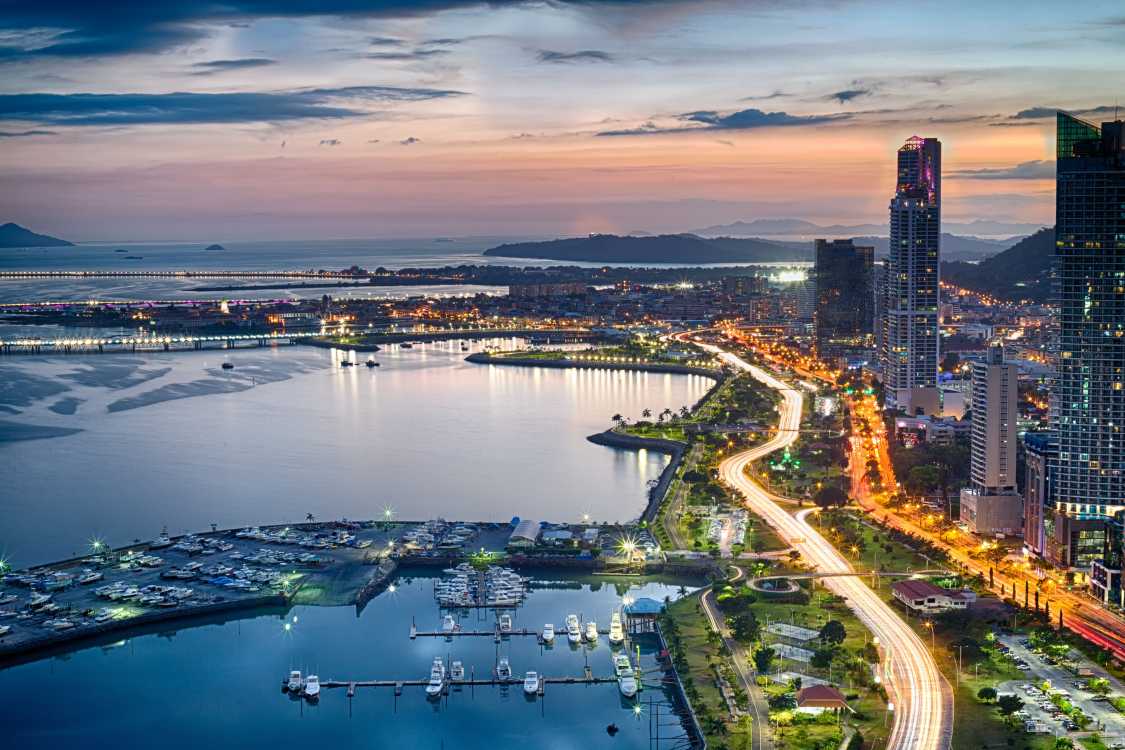
Panama is a dynamic country in Central America, renowned for its famous canal, lush tropical landscapes, and increasing popularity among expatriates. Its strategic location, modern infrastructure, and welcoming residency programs make it a top choice for retirees, remote workers, and entrepreneurs.
5 good reasons to move to Panama
Panama is attracting expats from around the world thanks to its unique lifestyle and opportunities.
- Dollarized economy: simplifies finances for foreigners, with the US dollar widely used.
- Strategic location: Panama City serves as a regional hub for travel, commerce, and logistics.
- Residency programs: special visas make relocating easy for retirees, investors, and remote workers.
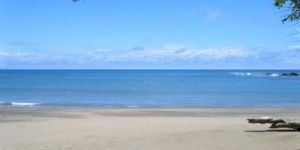
- Diverse landscapes: from tropical beaches to cool highlands, there’s a climate and lifestyle for everyone.
- Modern urban amenities: international schools, high-quality healthcare, shopping, and reliable internet.
Your setup journey
Guide in 13 steps. Click any step below to jump directly to the section you need.
01Where to live in Panama
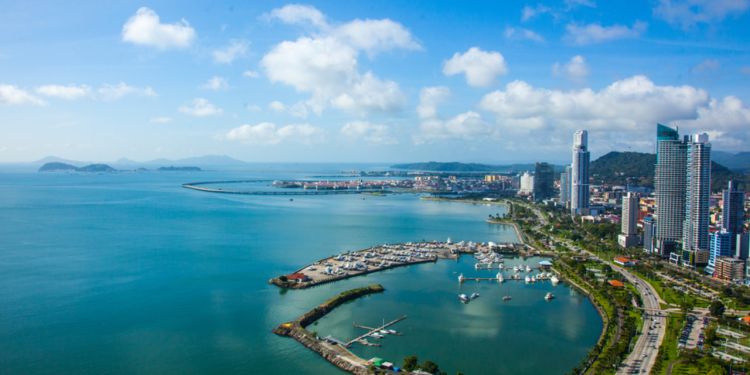
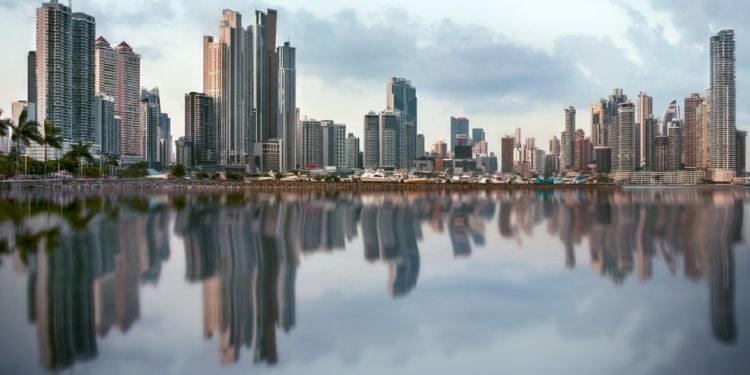
Selecting a location to settle in Panama involves balancing climate, cost, and lifestyle. Panama City and its metropolitan area offer the widest access to services, employment, and international schools, though these come with higher costs and traffic congestion. Coastal towns along the Pacific or Caribbean provide a slower pace and lower living costs, while highland towns such as Boquete and Volcán attract retirees seeking cooler climates and tranquility.
When choosing a destination in Panama to settle in, make sure you consider:
- Access to health care services
- Transportation options
- Safety
- Regional climate conditions
02Formalities and visas in Panama
Visa requirements for Panama depend on your nationality and the reason for your visit. Citizens of countries such as Australia, the UK, EU member states, Canada, and the US can stay as tourists for up to 90 days without a visa.
Panama’s longer-stay visa options for expats include:
- Pensionado (Retiree) visa: for retirees with a guaranteed pension of at least USD 1,000 per month.
- Friendly Nations visa: allows citizens of eligible countries with professional or economic ties to Panama to apply for permanent residency.
- Investor visa: for foreigners making a qualifying investment in real estate, business, or government-approved projects.
- Professional/Work visa: for foreigners employed in Panama or transferring with an international company. Requires a job offer and a work permit.
- Family Reunification visa: for spouses, children, or dependents of Panamanian citizens or permanent residents.




Join the discussion on the forum
03Working in Panama
Panama’s economy is dominated by financial services, logistics, trade, and construction, with growth in the tourism and IT sectors. There are work opportunities for skilled expats, although the market is competitive and fluency in Spanish is a significant advantage. Specific sectors actively seek foreign talent, particularly in areas where specialized skills are in short supply locally.
Demand for expats in the following sectors:
- Finance and banking: Panama City is a major banking and financial hub in Central America. Roles in investment, compliance, accounting, and consulting are often available.
- Technology and IT: software development, cybersecurity, digital marketing, and IT management positions are increasingly in demand.
- Tourism and hospitality: hotels, resorts, and travel services seek bilingual staff, especially in managerial and guest services roles.
- Education: international schools and universities hire teachers and administrators, particularly those with experience in bilingual education.
- Logistics and trade: Panama’s canal, ports, and free-trade zones create opportunities in shipping, supply chain management, and international trade.
Key employment facts and figures
Unemployment rate: | 6.5% (2024) |
Labor force participation rate: | 65.04% (2024) |
Work culture: | Relaxed with a focus on personal relationships and community engagement. |
Data correct as of October 2025
Sources: World Bank, Global Economy.


04Accommodation in Panama
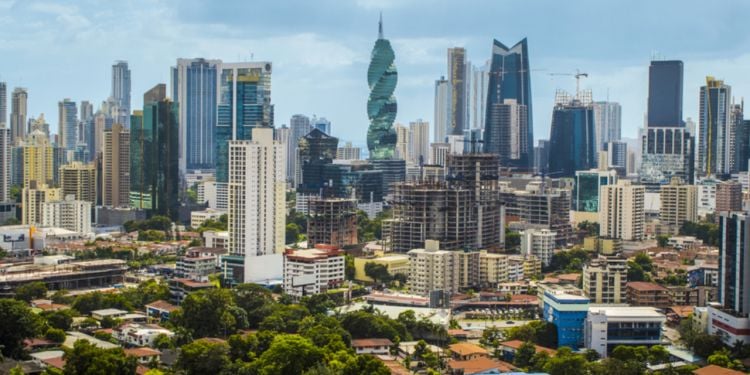
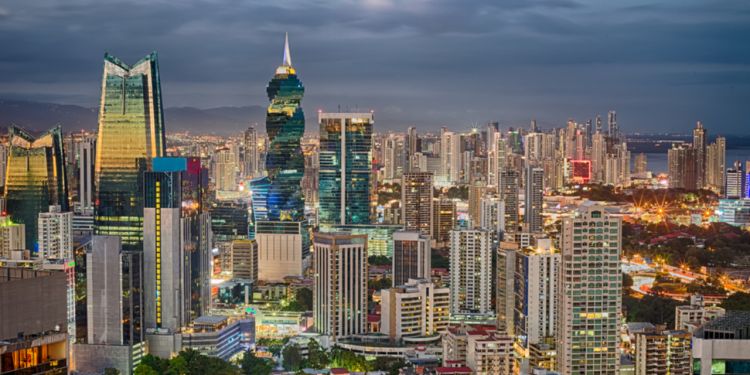
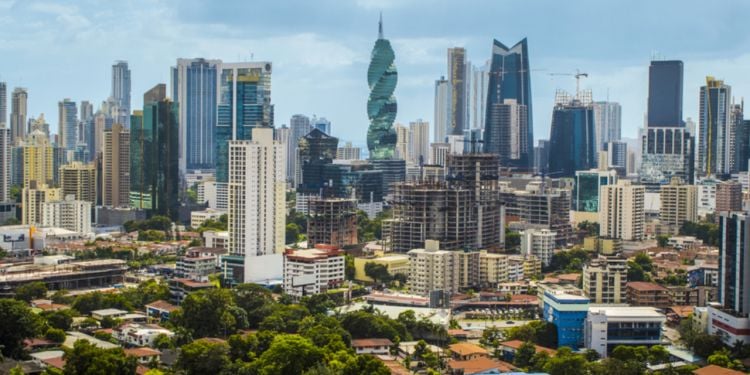
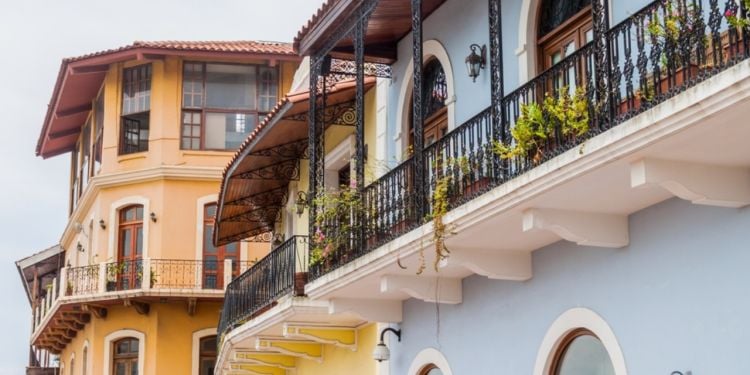
Housing options in Panama range from apartments and condos in city centers to houses in coastal or highland regions. Urban areas and popular expat towns are more expensive, while smaller cities tend to be more affordable. Local real estate agents and expat networks are valuable resources for first-time renters, and leases are usually for 12 months.
Panama City (urban/metro area):
- High-rise apartments and condos with modern amenities, often in gated communities.
- Townhouses in residential neighborhoods.
- Short-term rentals and fully furnished units for expats or professionals.
Coastal towns (Pacific & Caribbean):
- Beachfront villas and condos, popular with retirees and vacationers.
- Smaller houses and bungalows in seaside communities.
- Gated residential developments with shared facilities.
Highland towns (Boquete, Cerro Punta, Volcán):
- Single-family homes with gardens, often on larger plots of land.
- Small cottages or cabins for a more rural lifestyle.
- Eco-friendly or farm-style houses in scenic areas.
Secondary cities (David, Chitré, Santiago):
- Apartments and condos in town centers or suburban neighborhoods.
- Traditional houses in residential areas.
- Affordable rentals suitable for families or long-term residents.
Join the discussion on the forum
05Cost of living in Panama
The cost of living in Panama depends on your location and lifestyle. Panama City is the most expensive, while smaller towns, coastal areas, and highland regions like Boquete are more affordable. Daily expenses such as groceries, transportation, and utilities are generally lower than in North America or Western Europe, and many expats appreciate Panama’s relatively low housing and healthcare costs, as well as the stability of a dollarized economy.
Monthly expenses | Single expat | Family of four |
Rent (city center) | 1 bedroom: PAB 1,900 – 2,300 (USD 1,900 – 2,300) | 3 bedroom: PAB 3,200 – 4,000 (USD 3,200 – 4,000) |
Rent (suburbs) | 1 bedroom: PAB 1,200 – 1,800 (USD 1,200 – 1,800) | 3 bedroom: PAB 2,200 – 3,000 (USD 2,200 – 3,000) |
Utilities (electricity, water, gas, Internet) | PAB 120 – 180 (USD 120 – 180) | PAB 300 – 400 (USD 300 – 400) |
Groceries | PAB 350 – 500 (USD 350 – 500) | PAB 900 – 1,200 (USD 900 – 1,200) |
Transportation (car, fuel, public transport) | PAB 60 – 150 (USD 60 – 150) | PAB 180 – 300 (USD 180 – 300) |
Dining out and entertainment | PAB 150 – 250 (USD 150 – 250) | PAB 400 – 650 (USD 400 – 650) |
Data correct as of October 2025
Source: Numbeo
Join the discussion on the forum
06Health care in Panama
Panama’s health care system combines a public network that provides affordable basic care with a private sector that offers high-quality services, making it generally reliable for both residents and expats. To access Panama’s public health care system, expats must hold legal residency. Those on work visas are covered through payroll contributions, while permanent residents and retirees can make voluntary contributions to gain access. Tourist visa holders are not eligible, and many expats supplement public coverage with private insurance to access specialized treatment. Preventive care, vaccinations, and routine checkups are widely available in urban areas.
Discover more

Join the discussion on the forum
07Finance and banks in Panama
Opening a bank account as a foreigner in Panama is generally straightforward. Accounts are available in USD or Balboa, with online banking and international transfers available. The process usually requires an in-person visit, and approval can take a few days to a couple of weeks.
To open a bank account in Panama, you will need:
- A valid passport
- Proof of address
- Proof of income
- Reference from your home bank
And when it comes to tax, expats in Panama are generally only taxed on income earned within the country, thanks to Panama’s territorial tax system. Local income from work, business, or investments is subject to progressive rates up to 25 %, while foreign income, such as salaries, pensions, or investments, is usually tax-free. Residents with local income must file an annual tax return, and businesses are taxed only on profits generated in Panama, making the country particularly tax-friendly for retirees and remote workers.
Discover more


Join the discussion on the forum
08Studying in Panama
Panama offers international students a unique combination of modern education and cultural immersion. The country has a range of public and private universities, as well as technical institutes, many of which offer programs in English or bilingual formats. Major cities like Panama City provide easy access to housing, transportation, and student services, while smaller towns offer a quieter, more immersive environment. Student visas are generally straightforward to obtain, and the cost of living is relatively affordable compared with other countries in the region.
Popular universities in Panama
- The Technological University of Panama (UTP) — Panama City
- The University of Panama — Panama City
- Santa María La Antigua Catholic University — Panama City
- Interamerican University of Panamá — Panama City
Discover more
09Education and schools in Panama
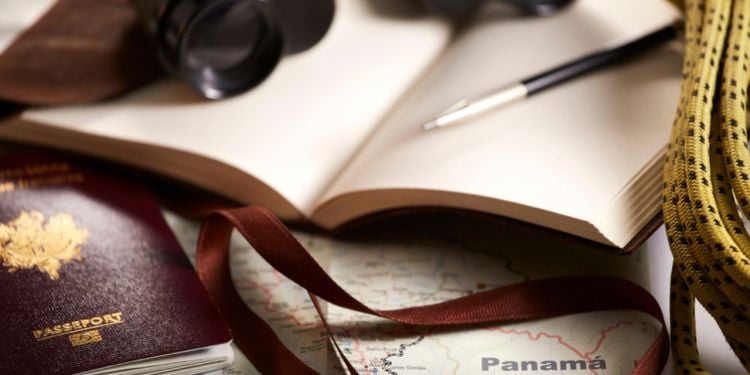
If you’re moving to Panama with a young family, you’ll have access to a wide range of schooling options, with international schools concentrated in urban areas and bilingual or private options available in smaller towns.
Key points about schools in Panama
- Public schools: free for residents and permanent residents, with instruction in Spanish. These schools follow the national curriculum, but many expat families prefer alternatives due to language and curriculum differences.
- Private schools: offer bilingual or Spanish-language instruction with varying curricula. They are often smaller and may provide more individualized attention than public schools.
- International schools: cater specifically to expat families and follow foreign curricula, such as US, British, French, or IB programs. Most are located in Panama City, with some smaller international schools found in other popular expat regions.
- School year: generally runs from March to December.
- Enrolment requirements: typically include academic transcripts, a passport, proof of residency, vaccination records, and sometimes entrance assessments.
10Planning your move to Panama
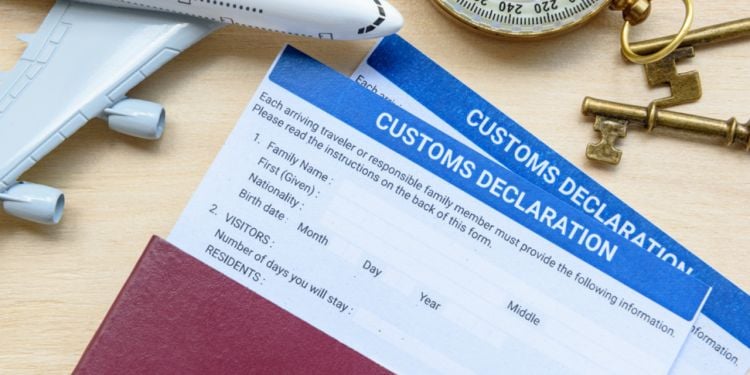
Relocating to Panama as an expat requires careful planning, especially when moving personal belongings. Many choose to ship essential items or furniture, while others bring only what they need for the first weeks. Using reputable international movers can simplify customs clearance, but it’s still important to prepare detailed inventories, understand shipping routes, and comply with Panamanian regulations, including rules on banned items and customs inspections.
Settling in Panama also involves navigating residency, visas, and import rules, particularly for those planning to work or start a business. Legal residents can access a variety of visa programs, and understanding local transportation, housing, and professional services makes the transition smoother. With proper preparation, expats can quickly enjoy Panama’s vibrant culture, tropical landscapes, and welcoming communities.


11Everyday life in Panama
Daily life in Panama blends modern conveniences with vibrant local culture, offering a unique experience across the country. Spanish is the official language, but English is standard in business and tourist areas. Urban places like Panama City provide a high standard of living, international services, and relative safety, though petty crime can occur, and the usual precautions are recommended.
Getting around the country is also straightforward: public buses cover most routes, taxis and ride-share apps are widely available, and many expats prefer using private vehicles for convenience. Life in Panama often revolves around social connections, as the locals place strong emphasis on family, friendship, and community. Cultural festivals, outdoor activities, and local markets are integral to the lifestyle, offering expats opportunities to experience traditions while integrating into the community.
Discover more



12Leisure in Panama
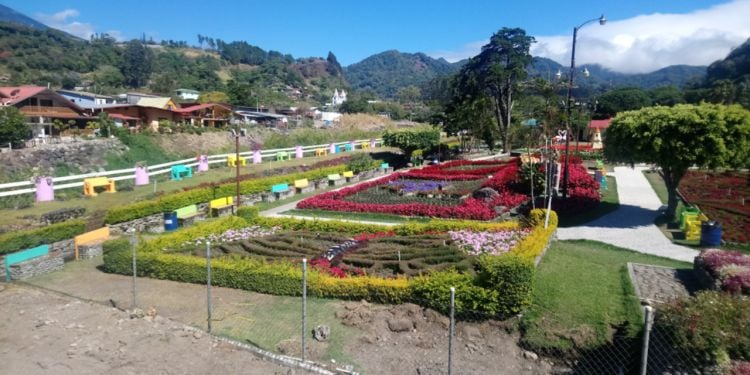
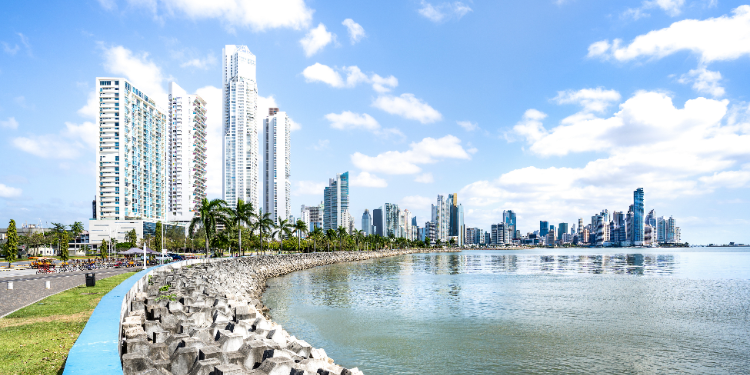
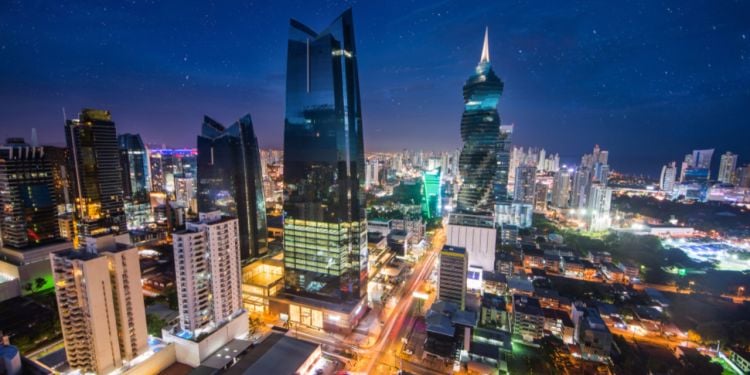
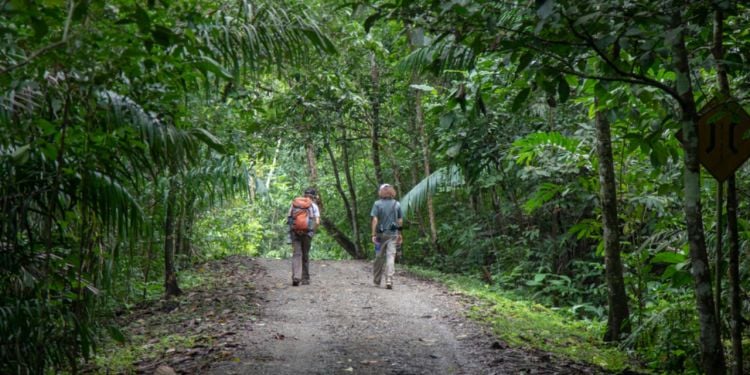
Panama offers a rich variety of leisure and sports opportunities, making it easy for expats to stay active and explore the country. Its tropical climate, diverse landscapes, and vibrant culture mean there is always something to do, whether you enjoy the outdoors, cultural events, or social activities. From relaxing on pristine beaches to hiking in the highlands or exploring the rainforests, Panama’s natural beauty is a playground for adventure and recreation. Destinations like Panama City provide entertainment options such as cinemas, restaurants, music venues, and festivals, while smaller towns and coastal communities offer a slower pace and outdoor-focused lifestyles.
Popular sports and recreational activities in Panama
- Football (soccer): the nation’s most popular sport, with local leagues, stadiums, and active fan communities.
- Baseball: strong national league and youth programs, with famous Panamanian players celebrated internationally.
- Boxing: popular gyms and training centers.
- Water sports: surfing, kayaking, paddleboarding, and rafting, especially along the Pacific and Caribbean coasts.
- Cycling and mountain biking: scenic routes in cities, countryside, and highland regions.
- Golf and tennis: numerous courses and courts catering to both locals and expats.
Discover more
Join the discussion on the forum
13Outro
Living in Panama offers expats a blend of modern conveniences, natural beauty, and a welcoming culture. From the vibrant urban life of Panama City to the relaxed pace of coastal towns and highland retreats, newcomers can find a lifestyle that suits their needs. The country’s friendly residency programs, affordable cost of living, and access to quality healthcare and education make settling in smooth and manageable. Daily life is enriched by a strong sense of community, cultural festivals, outdoor activities, and opportunities to explore both the Pacific and Caribbean coasts.
For those seeking work, adventure, or leisure, Panama provides ample opportunities. Expats can pursue careers in finance, technology, tourism, or education, while enjoying a variety of sports, cultural events, and natural attractions. Whether it’s hiking in the highlands, surfing on tropical beaches, or joining local social and sporting communities, Panama makes it easy to combine a comfortable lifestyle with an active, engaging daily routine. With careful planning and an open mind, life in Panama offers both practicality and the excitement of a new, enriching chapter abroad.
Join the Panama community
Get regular tips and advice to make the most of your expat life
Essential services for your expat journey






Forum topics on living in Panama
Discover forums topics on expat life in Panama: join the conversation, ask your questions, get advice and share your experience.