

Living in Belize: the ultimate expat guide
Everything you need to know for a successful life in Belize.
Belize is a small, English-speaking country on the Caribbean coast of Central America that attracts expatriates and retirees looking for a slower pace of life abroad. Its tropical climate, beaches, rainforests, and barrier reef support an outdoor-focused lifestyle that appeals to people relocating for quality of life rather than career progression alone.
English is the official language, which simplifies administration, healthcare access, and daily interactions for foreign residents. Belize is particularly popular with retirees due to its relatively affordable cost of living, proximity to North America, and long-established retirement residency programs designed for foreign nationals on fixed incomes. Short travel distances, small population size, and established expat communities make settling in easier for newcomers considering a long-term move.
Five compelling reasons to live in Belize
1. English is the official language
Belize is the only English-speaking nation in Central America, which reduces language barriers for many expatriates.
2. Warm climate and natural beauty
Tropical weather, beaches, coral reefs, rainforests, and wildlife provide year-round outdoor activity and scenic living.
3. Popular retirement destination
Belize has become a well-known choice for retirees because of its QRP retirement program, tax incentives, and affordable lifestyle compared with North America.
4. Expat-friendly policies and community
Residency programs, a stable political climate, and well-established expat communities support newcomers settling in Belize.
5. Proximity to North America
Short flights to and from major U.S. and Canadian cities make it convenient for visits home, medical travel, and maintaining ties with family.
Facts and figures
Population (2025) | 425,689 |
Expat population | 45,644 |
Common expat nationalities | Guatemala, El Salvador, and Honduras |
Typical temperatures | Dry season (roughly November–May): 23°C – 29°C (73°F – 84°F), Wet season (roughly June–October): 25°C – 31°C (77°F – 88°F) |
Data correct as of December 2025.
Sources:
Worldometer — population, and Belize Census — expat population and nationalities.
Formalities and visas in Belize
Belize has a straightforward visa system that is generally easy to navigate. Many nationalities, including U.S., Canadian, and EU citizens, can enter Belize without a visa for up to 30 or 90 days (depending on nationality). For more extended stays, retirees, workers, and other long-term residents can apply for temporary or permanent residency. The application process is handled mainly in person through the Belize Immigration and Nationality Department, rather than entirely online. Processing times are typically reasonable, but it is recommended to start applications well before arrival.
What you need to know
• Visa-free entry: Citizens of many countries can enter Belize without a visa for short stays (typically 30–90 days).
• Temporary residency: Available for work, retirement, or family reasons; usually requires proof of income and background checks. Apply at Immigration offices.
• Permanent residency: Eligible after one year of temporary residency, with further financial and background documentation required.
• QRP Retirement Program: Retirees over 45 can apply for the Qualified Retirement Program, which allows tax-free imports and indefinite residence.
• Work permits: Required for most employment; must be sponsored by a Belizean employer.
Useful links:
🔍To learn more
Visas for Belize
Belize is a developing country, so it can be challenging to find accurate information on travel ...
Permanent residency in Belize
How can I obtain permanent residency in Belize? Finding accurate information about permanent ...

Retirement visa for Belize
Many expats have chosen Belize for retirement. The many benefits of Belize include: year-round warm ...
Working in Belize
The job market in Belize is relatively small and competitive, particularly for expatriates. Belizeans fill many local jobs due to labor laws favoring citizens. Expats often choose Belize for work in sectors where their skills are in short supply, such as tourism management, education, healthcare, or IT, or for positions within international organizations and NGOs. Remote work and entrepreneurship are also popular among foreign residents seeking to live in Belize while working globally.
Employers in Belize value relevant experience, professional qualifications, and strong English communication skills. For jobs requiring local licensing or certification (such as teaching, healthcare, or law), expats must obtain recognition from Belizean authorities. Success often depends on networking, local knowledge, and cultural awareness. Being adaptable, patient, and respectful of local business practices can significantly improve employment prospects.
In-demand jobs
• Tourism and hospitality: Hotels, resorts, tour operators, and restaurants constantly need skilled staff.
• Education: English-speaking teachers, especially for international schools.
• Healthcare: Doctors, nurses, and other medical professionals with recognized qualifications.
• IT and tech: Remote work and local tech companies seek qualified IT professionals.
• Construction and skilled trades: Workers with specialized skills for residential and commercial projects.
Tips:
- Leverage your skills where locals are scarce — focus on sectors such as tourism, education, healthcare, IT, or specialized trades where foreign expertise is in demand.
- Network and connect locally — building relationships with employers, expat communities, and professional organizations can open doors and provide insider knowledge.
- Understand work permit requirements — secure a sponsored work permit before starting employment to stay compliant with Belizean law.
Facts and figures
Unemployment rate (September 2025) | 1.9% |
Youth employment (14-24) | 41.3% |
Largest employers by sector | Wholesale and retail trade 15.6%, tourism 15.2%, and community, social, and personal services 14.3% |
Informal economy (September 2025) | 35.9% of employed population |
Data correct as of December 2025.
Sources:
Statistical Institute of Belize — unemployment, and Labour Force Survey — youth unemployment, informal economy, and employers by sector.
🔍To learn more
Finding work in Belize
It may be harder to find work in Belize than you imagine. With high unemployment and a low minimum ...
Setting up a business in Belize
Setting up a physical business or an offshore company in Belize offers many advantages, ...
Getting a work permit in Belize
You must have a work permit in order to work or operate a business in Belize unless you are a ...
Studying in Belize
Belize is increasingly attracting international students seeking quality higher education in an English-speaking, tropical environment. The country’s universities offer a mix of academic programs, professional training, and practical courses, with some institutions recognized regionally for law, business, and teacher education. While Belize’s higher education system is smaller than those of larger Central American nations, it offers personalized learning experiences and smaller class sizes that appeal to students seeking close faculty interaction and hands-on training.
Students from neighboring Central American countries, the Caribbean, and the United States are also drawn to Belize for relatively low tuition fees. Student visas are generally available to students who have been accepted at a local institution, with visa applications submitted to the Belize Immigration Department upon enrollment confirmation.
Top universities in Belize
University of Belize (UB) — the largest and most well-known public university, offering undergraduate and graduate programs across arts, sciences, business, and education.
Galen University — known for its environmental studies, sustainable development, and business programs — attracts students interested in applied sciences.
University of the West Indies (UWI) Open Campus — part of the respected regional UWI network, offering accredited distance and blended-learning degrees popular with working professionals and international students.
Useful link:
Ministry of Education, Science and Technology — higher education
🔍To learn more

Study in Belize
Belize can be an ideal destination to pursue your higher education. The ecological, anthropological, and archaeological richness here is hard to ...
Retiring in Belize
Belize has become a prime destination for retirees seeking a relaxed, tropical lifestyle with English as the official language. The country’s Qualified Retirement Program (QRP) makes it easy for retirees over 45 to settle, offering tax incentives, duty-free import of personal goods, and a straightforward path to long-term residency.
Most retirees in Belize come from the United States and Canada, with smaller numbers from the UK and other countries. The country’s warm climate, friendly local communities, and vibrant expat networks make it an attractive, low-stress place to enjoy retirement. Buying land or property is accessible to foreigners, with no restrictions on ownership, so retirees can rent initially and purchase a home or beachfront property once they’re settled.
Popular retirement locations in Belize
Many retirees in Belize choose locations that balance comfort, access to services, and lifestyle. Hopkins appeals to those seeking a quiet coastal village with strong cultural character, while the suburbs of Belize City suit retirees who prioritize hospitals, government services, and international flight access. San Pedro, on Ambergris Caye, attracts those who enjoy a livelier atmosphere with shops, dining, and social life. For a more affordable and relaxed pace, Corozal is popular thanks to its proximity to Mexico. Placencia offers a mix of beach living and modern conveniences, and Caye Caulker remains a favourite for retirees drawn to a simple, laid-back island lifestyle.
Finance and banks in Belize
Belize has a modern, accessible banking system with a mix of local and international banks. Most banks provide digital services, including online banking and mobile apps, making day-to-day transactions straightforward.
Opening a bank account as an expat is generally possible, though banks typically require valid identification, proof of residence, and sometimes a reference from your home bank. While the system is efficient, some processes—especially for non-residents—may require in-person visits to a branch. Cash is still widely used in Belize, especially in markets, small shops, and rural areas, as well as for tips, so it’s advisable to always have some Belize dollars on hand.
Tips:
- Opening accounts from abroad — some banks allow initial paperwork to be completed online or by email, but final verification usually requires visiting a branch in Belize.
- Documentation required — passport, proof of Belize address (rental agreement or utility bill), and in some cases a bank reference or employment letter.
- Account restrictions — Non-resident accounts may have minimum balance requirements or limited transaction options.
- ATM availability — ATMs are common in Belize City, popular tourist areas, and major towns, but may be scarce in rural regions.
- Digital services — most major banks offer online and mobile banking for bill payments, transfers, and account management; smaller banks may have limited digital options.
- Cash usage — cash is still widely used, especially in smaller businesses and rural areas, so keep some Belize dollars on hand for convenience.
Useful link:
🔍To learn more


Health care in Belize
Belize’s healthcare system offers basic services through public hospitals and clinics, but quality and access can vary widely. Public healthcare is free or low-cost for residents, but long wait times and limited resources mean many expats prefer private facilities for faster, more reliable care. The country performs well in primary care and emergency treatment relative to the region, but for specialized procedures or complex surgeries, travel to Mexico, Guatemala, or the United States is often recommended.
Finding a general practitioner is usually straightforward in larger centers such as Belize City, San Pedro, and Placencia, while access is more limited in rural areas. Expats are not automatically entitled to free public healthcare unless they hold permanent residency, so many rely on private health insurance for doctor visits, hospital care, and prescriptions. Private clinics and hospitals, with English-speaking staff and modern facilities, are therefore the preferred choice for many retirees and foreign residents.
What you need to know
• Emergency number — dial 911 for ambulance or police services.
• Pharmacies — widely available in towns and cities; opening hours typically 9 am–6 pm, Monday–Saturday. Some offer delivery or can order specific medications.
• Health insurance — recommended for all expats; covers private consultations, hospital stays, and medical evacuation if needed.
• Medical travel — for specialized treatment, nearby countries like Mexico and Guatemala offer more advanced medical care at accessible costs.
• Language — English-speaking healthcare staff make communication easier for expats compared with other regional countries.
Useful link:
UK Gov — Belize health facilities
🔍To learn more

The healthcare system in Belize
Belize has a multiple layer healthcare system, including public and private hospitals, as well as regional and rural clinics. Before traveling to ...
Education and schools in Belize
Education in Belize is free and compulsory for children aged 6 to 14. The system is primarily English-language, making it easier for expatriate families to integrate their children into classrooms. Belizean schools offer a mix of core subjects, with an emphasis on literacy, mathematics, and social studies, though resources and quality can vary between urban and rural areas.
Expat children are generally eligible to attend public schools, but many families opt for private or international schools to ensure smaller class sizes, extra-curricular activities, and curricula aligned with foreign education systems. Belize has a growing number of international schools, particularly in Belize City, offering American, British, and IB programs that appeal to expat families.
The school year in Belize typically runs from early September to late June, with a mid-year break in December/January and shorter breaks for Easter and national holidays. School days are generally Monday to Friday, with school hours varying slightly by institution.
Tips:
• Start early — international and private schools have limited spaces; apply well in advance to secure a place.
• Prepare documentation — passport, proof of residency, vaccination records, and previous school transcripts are usually required.
• Visit schools in person — touring campuses and meeting staff helps ensure the school’s teaching style and environment suit your child.
Useful links:
Accommodation in Belize
The housing market in Belize offers a wide range of options, and affordability varies depending on location. Coastal areas and popular islands are more expensive and competitive due to high demand from tourists and expats. Inland towns and smaller villages often provide more affordable housing with less competition. Overall, Belize remains relatively inexpensive compared to North America or Western Europe, making it attractive for retirees and long-term expatriates.
Expats can both rent and buy property in Belize with relative ease. Housing options range from modern condos, beachfront villas, and townhouses to traditional wooden homes and jungle lodges. Many expats choose to rent first to get a feel for the area before committing to a purchase. Belize does not restrict foreign ownership of property, so once settled, buying a home or land is straightforward, though legal guidance is recommended.
Tips:
- Research locations carefully — coastal vs. inland areas vary in cost, amenities, and lifestyle.
- Rent before you buy — test the area for climate, community, and access to services.
- Hire a local real estate agent — they can help navigate the property market and legal requirements.
- Check legal title and survey — ensure clear ownership and boundaries before purchasing property.
- Consider utilities and services — verify electricity, water, and internet availability, particularly in rural or remote areas.
🔍To learn more
Planning your move to Belize
Moving to Belize requires careful preparation, especially when shipping personal belongings and navigating customs. Belize has a functional customs system, but processing times can vary, and shipments may take several weeks to clear depending on the port of entry.
While major ports and the international airport handle shipments efficiently, expats should be aware of paperwork requirements and duties on imported goods. Belize has modern banking, transport, and communication systems, but some aspects of customs and shipping still require patience and attention to detail. Planning ahead ensures a smoother transition and helps avoid delays or extra fees.
Tips:
• Understand import duties: Duty-free import is available for personal effects, especially under the Qualified Retirement Program (QRP).
• Prepare documentation: Include a detailed inventory, passport copy, proof of residency or QRP status, and any required import permits.
• Ship in advance: Sea freight can take several weeks; plan for delays and ensure essential items are packed in carry-on luggage if needed.
• Avoid prohibited items: Belize restricts certain plants, animals, firearms, and chemicals.
• Hire a customs broker: Experienced brokers can help navigate paperwork, duties, and regulations, reducing the risk of delays.
Useful link:
🔍To learn more

Relocating to Belize
Most expats moving to Belize use international relocation companies offering services like packing, ...

Moving with your pet to Belize
If you have pets and are planning to move to Belize or make an extended visit, you will almost ...
Customs in Belize
Every country regulates what can and cannot cross its borders to prevent the spread of disease, ...
Leisure in Belize
Belize is a paradise for those who love outdoor activities, adventure, and vibrant local culture. Its Caribbean coastline, islands, and barrier reef make it famous for world-class snorkeling and diving, including the renowned Blue Hole. Inland, the lush rainforests, rivers, and caves offer opportunities for hiking, birdwatching, cave tubing, and zip-lining.
Belize also has a rich Mayan heritage, with ancient ruins drawing history enthusiasts. The country’s vibrant local festivals, Garifuna music, and cultural events provide a lively social scene. So, whether you enjoy tranquil beaches, eco-adventures, or exploring charming villages and markets, Belize offers endless options for leisure and recreation.
Popular activities in Belize
- Snorkeling and diving at the Belize Barrier Reef and Blue Hole
- Visiting Mayan ruins and archaeological sites
- Jungle treks, wildlife spotting, and birdwatching
- Cave tubing and zip-lining adventures
- Sailing, kayaking, and other water sports
- Attending local festivals, music events, and cultural celebrations
- Exploring local markets, craft villages, and coastal towns
🔍To learn more
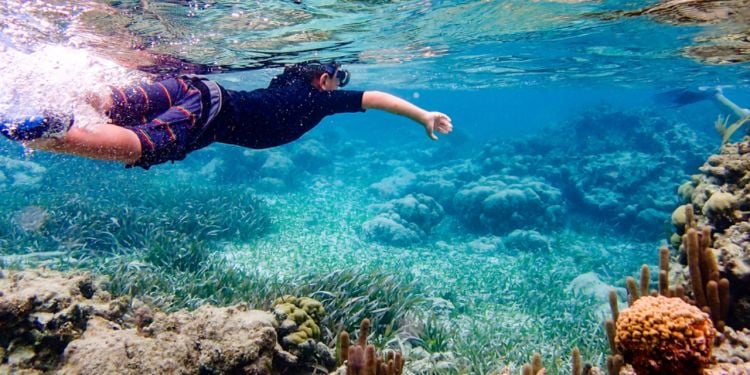
Everyday life in Belize
Daily life in Belize is relaxed and centered around community, family, and the outdoors. The pace is slower than in North America or Europe, with a focus on enjoying the natural environment and local culture. Most towns have markets, small shops, and local eateries, while coastal areas feature beaches, marinas, and recreational facilities.
Public transport is available, but limited in rural areas, so many expats rely on personal vehicles. Internet and mobile services are widely available in cities and popular tourist areas, making it easy to stay connected. Belizeans are generally friendly and welcoming too, creating a supportive atmosphere for newcomers.
Local habits and customs
Greet people politely — handshakes and friendly greetings are common; using “Good morning” or “Good afternoon” shows respect.
Dress casually but respectfully — beachwear is acceptable at the coast, but modest clothing is expected in towns and public offices.
Be patient with services — things often move more slowly than what expats may be used to; a relaxed attitude goes a long way.
Respect local festivals and traditions — participate in or observe cultural and religious events respectfully.
Cash is King — while cards are accepted in many places, small shops, markets, and rural areas often require cash (Belize dollars).
Community engagement — building relationships with neighbors and local businesses helps integrate into daily life.
🔍To learn more
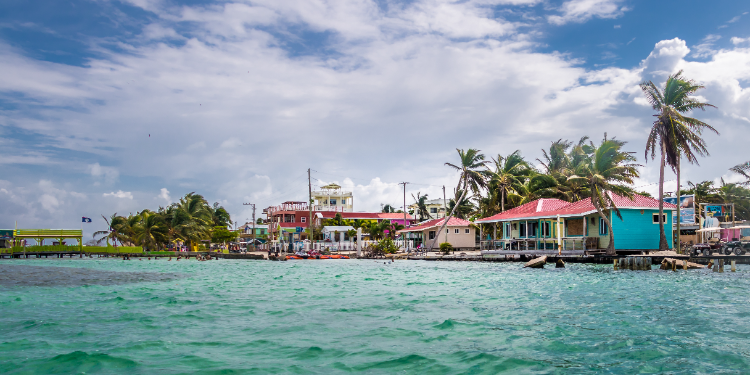
Living in Belize
Belize, nestled along the eastern edge of Central America, is bordered by Mexico to the north, Guatemala to the west and south, and the Caribbean Sea ...
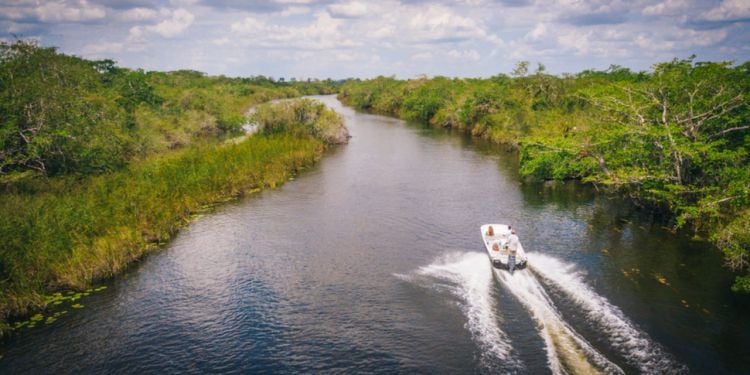
Travelling around Belize
Getting around Belize involves a mix of travel methods, each suited to the country's varied terrain, infrastructure, and relaxed pace of life. ...

Using phones in Belize
Belize has a national telecommunications company, Belize Telemedia, Limited, and several mobile ...
Cost of living in Belize
Belize offers a cost of living that is generally lower than in North America and Europe, but slightly higher than in some neighboring Central American countries. Housing in popular coastal and island areas can be pricey, while housing in inland towns and rural regions remains much more affordable.
Imported goods, electronics, and certain luxury items tend to cost more than in the region due to shipping and taxes. On the other hand, fresh local produce, public markets, and local services are very reasonably priced, making everyday life comfortable and accessible for expats and retirees who plan carefully.
Here is a general breakdown of average monthly expenses for different household types in Belize.
Monthly expenses
Single expat (per month) | Family of four (per month) | |
Rent (city center) | 1 bedroom: BZD 1,500 (USD 750) | 3 bedroom: BZD 3,500–5,000 (USD 1,750–2,500) |
Rent (suburbs) | 1 bedroom: BZD 1,000–1,200 (USD 500–600) | 3 bedroom: BZD 2,500–3,500 (USD 1,250–1,750) |
Utilities (electricity, water, gas, Internet) | BZD 300–400 (USD 150–200) | BZD 800–1,200 (USD 400–600) |
Groceries | BZD 800 (USD 400) | BZD 2,500–3,500 (USD 1,250–1,750) |
Public transport | BZD 100–150 (USD 50–75) | BZD 300–500 (USD 150–250) |
Dining out and entertainment | BZD 500 (USD 250) | BZD 1,500–2,500 (USD 750–1,250) |
Data correct as of December 2025.
Source:
Outro
Moving to Belize is an exciting opportunity to enjoy a relaxed lifestyle in a tropical, English-speaking country. With its welcoming expat communities, beautiful beaches, lush jungles, and rich cultural heritage, Belize offers something for retirees, families, and professionals alike. From accessible healthcare and diverse education options to varied housing, work opportunities, and endless leisure activities, the country provides a well-rounded environment for expatriates.
Planning your move carefully is key—consider where to live, how to manage finances, navigate visas, and understand the local customs. Our guides and articles cover all these essential topics, and our Belize forum is a great place to ask questions and connect with fellow expats. With the proper preparation, all that’s left is to settle in and enjoy your incredible new life in Belize.
We do our best to provide accurate and up to date information. However, if you have noticed any inaccuracies in this content, please contact us.


News & testimonies

An enthusiastic expat in Belize
Kristin (also known as the Solar Super Mama) is an American expat in Belize — a country that she fell in love with at first sight, back in her college days. Kristin speaks to Expat.com about expat life with four kids in the picturesque Belize village of Monkey River and her wide range of passions — from nature and food to entrepreneurship, alternative ways of educating your children, and positive attitude towards life!
Les and Colette in Big Falls: "We love the tranquility of the small village"
Les and Colette come from Oregon, US, where they had their own business. They first traveled to Belize in 1986. Following their retirement, they moved permanently to Big Falls three years ago.

San Pedro Scoop!
Hi, my name is Rebecca Coutant and that's me in the blue headed out to swim with whale sharks. I've lived on the Caribbean island of Ambergris Caye, Belize for 6 years. SIX YEARS! I can hardly believe it. At the age of 32, I moved here (solo) leaving Manhattan.
Essential services for your expat journey



