

 Guide updated by Chelsea Gallagher on 15 October 2025
Vietnam captivates with its unique blend of ancient traditions and rapid modernization. With a population of approximately 101.6 million in 2025, it ranks among the world's most populous nations. Its fast-paced economic growth, thriving cities like Ho Chi Minh City, Hanoi, and Da Nang, combined with its strategic position in Southeast Asia, make it an increasingly popular destination for expats worldwide.
5 compelling reasons to live in Vietnam
- Affordable cost of living: the country offers excellent value for money, particularly for daily expenses,
- Strong economic growth: Vietnam's economy is one of the most dynamic in Asia,
- Rich and diverse culture: Vietnamese heritage offers deep cultural experiences,
- Welcoming environment for expats: Vietnam increasingly attracts foreign residents and authorities are gradually adapting,
- Favorable conditions for young professionals and digital nomads
Your setup journey
Guide in 13 steps. Click any step below to jump directly to the section you need.
01Where to live in Vietnam?
Vietnam offers highly diverse living environments, with each city attracting different expat profiles.
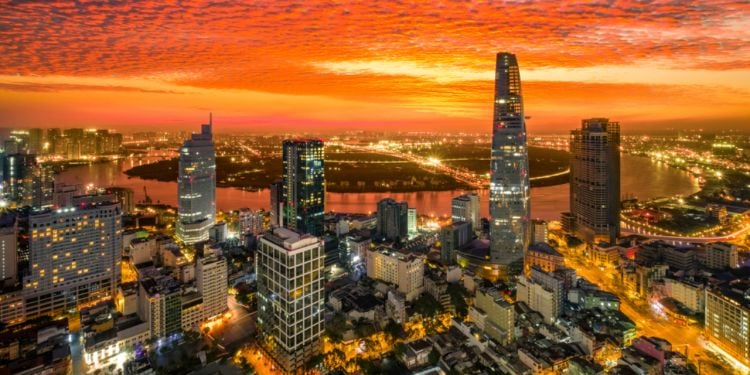
- The economic capital Ho Chi Minh City is dynamic, cosmopolitan, and ideal for professional opportunities. It has a large expat presence, intense urban life, and costs above the national average.
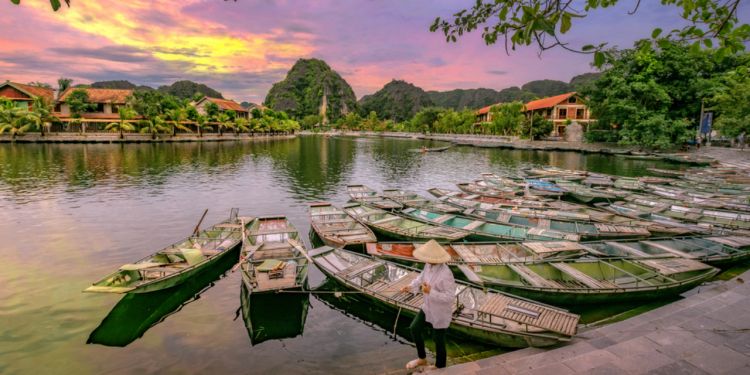
- Hanoi is the political and cultural capital, more traditional and historically significant. Life is calmer than in HCMC, increasingly attracting international professionals.
- Da Nang is a large coastal city, modern and known for its quality of life, beaches, and rapid development. Highly popular with young professionals and digital nomads.
- Hoi An and Nha Trang are coastal destinations appreciated for their pleasant living environment, relatively low cost of living, and relaxed atmosphere.
Explore our city guides
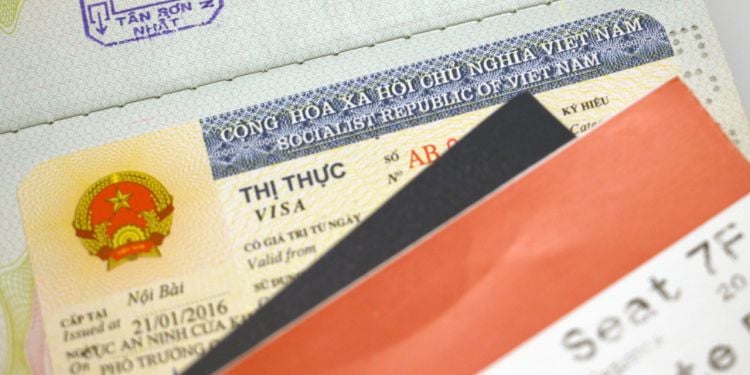
02Visas and permits for Vietnam
Relocating to Vietnam requires careful preparation of entry and residence formalities. Requirements vary depending on your nationality and purpose of stay (employment, studies, retirement, or business).
Key information
For short stays, a tourist visa is typically sufficient and can sometimes be extended locally.
To work in Vietnam, you'll need a work visa. This requires a local employment contract, with procedures usually handled by your employer.
Business visas are designed for short to medium-term professional assignments.
A Temporary Residence Card (TRC) is often granted after obtaining a work visa, allowing you to stay for several years.
Various other visa types exist, including student, investor, and family reunification visas, depending on your circumstances.
Regulations change regularly. It's recommended to verify the latest requirements with the Vietnamese embassy before departure.


03Working in Vietnam
Vietnam attracts many expats thanks to its dynamic job market and rapidly growing economy. Finding employment or starting your own business requires proper preparation.
Growing sectors: numerous opportunities exist in language teaching (particularly English), information technology, tourism, logistics, finance, and construction. English proficiency is a significant advantage.
If you're considering starting your own business, foreign investment is encouraged in services, e-commerce, industrial production, and hospitality. Procedures have been simplified but still require legal guidance.
Salaries are generally lower than in Western countries but offset by a lower cost of living. Qualified expats often receive additional benefits such as housing allowances or health insurance.
Key employment figures for Vietnam
- The unemployment rate stands at approximately 2.2% in 2024, one of the lowest in Southeast Asia.
- The workforce comprises around 52 million people.
- Key sectors: services (38% of workforce), manufacturing (35%), agriculture (27%).
- Over USD 36 billion in foreign investment was recorded in 2023, primarily in industry and high-tech sectors.


04Finding accommodation in Vietnam
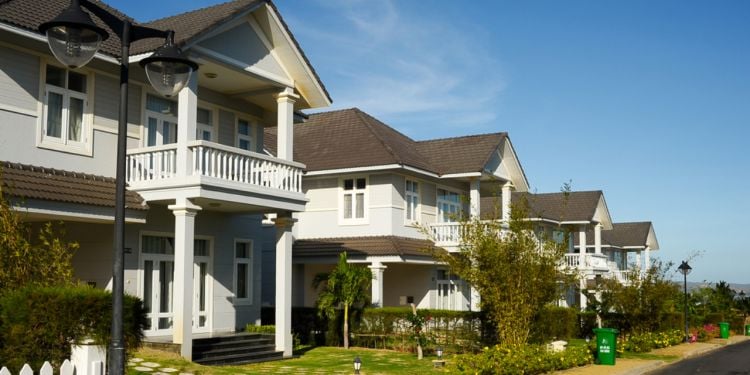
Finding housing in Vietnam is generally straightforward, especially in major cities and tourist areas. Rental costs vary significantly by city and neighborhood. Ho Chi Minh City and Hanoi are the most expensive, while Da Nang or Nha Trang offer more affordable options.
What you should know
Urban expats typically choose apartments in modern serviced residences with amenities like security, swimming pools, and gyms.
Families often rent standalone houses in residential neighborhoods or suburbs.
Shared housing is popular among young expats and students to reduce costs.
Upon arrival, consider short-term rentals through agencies or specialized platforms.
Discover more

Join the discussion on the forum
05Cost of living in Vietnam
For a single expat in a major city
Common expense | Average cost (Hanoi / Ho Chi Minh City) |
Rent (1-bedroom apartment, city center) | USD 400 to 700 / month |
Rent (1-bedroom apartment, outskirts) | USD 250 to 450 / month |
Meal at local restaurant | USD 2 to 5 |
Meal at mid-range restaurant | USD 10 to 20 |
High-speed Internet subscription | USD 10 to 15 / month |
Mobile plan with data | USD 5 to 10 / month |
Urban transport (Grab/moto-taxi ride) | USD 1 to 3 |
Domestic help (full-time) | USD 150 to 300 / month |
On average, a single expat spends between USD 800 and 1,200 per month for a comfortable lifestyle in a major city.
For a family of 4
Common expense | Average cost (Hanoi / Ho Chi Minh City) |
Rent (3-bedroom apartment, city center) | USD 900 to 1,800 / month |
Rent (family house in outskirts) | USD 700 to 1,200 / month |
Monthly groceries (supermarkets + local markets) | USD 400 to 700 |
Restaurant meal for family | USD 25 to 60 |
International school (per child) | USD 8,000 to 20,000 / year |
International health insurance (family) | USD 3,000 to 6,000 / year |
Transport | USD 150 to 300 / month |
Domestic help / nanny | USD 250 to 400 / month |
A family of 4 expats should budget between USD 2,500 and 4,500 per month, depending on housing type and children's schooling.
Sources: Numbeo (August 2025) for base costs excluding rent; Livingcost.org for total estimates in Hanoi; Asia Expat Hub for comfortable family budget.
Join the discussion on the forum
06Healthcare in Vietnam
Vietnam's healthcare system is improving but remains uneven across regions.
The public system is accessible but often limited in resources, especially outside major cities.
Major cities have well-equipped private hospitals and clinics with English-speaking doctors and higher quality care. Costs can be substantial, making comprehensive health insurance essential.
Exercise caution with tap water (bottled water recommended), tropical diseases (dengue, malaria in rural areas), and basic food safety precautions.
Recommended vaccinations include hepatitis A and B, typhoid, and Japanese encephalitis.
Discover more

Join the discussion on the forum
07Banking and finances in Vietnam
Vietnam offers accessible banking solutions for foreigners, though certain procedures are essential.
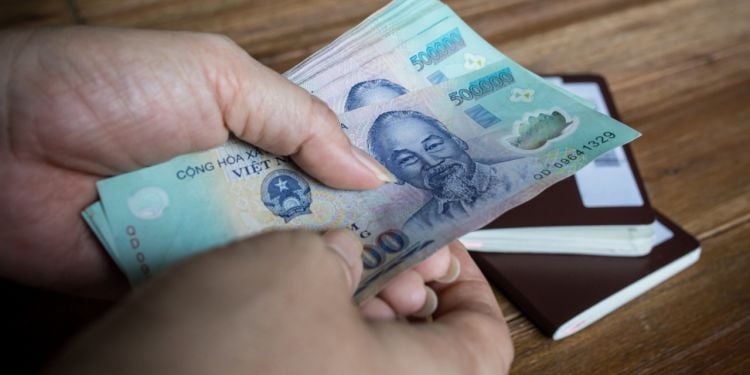
To open a bank account, you'll need a valid visa and a local address. Major Vietnamese banks and some international banks (HSBC, Standard Chartered) welcome foreign residents.
Payments are primarily made in cash or by card.
Access to mortgages or personal loans remains limited for foreigners unless you have solid guarantees or work through a local company.
Tax considerations for expats
A tax resident is defined as someone spending more than 183 days per year in Vietnam.
Residents are taxed on their worldwide income.
Non-residents only pay taxes on Vietnam-sourced income.
Income tax is often withheld at source by employers, with annual reconciliation.
Before relocating, check tax treaties between Vietnam and your home country to avoid double taxation.
08Studying in Vietnam
Vietnam is rapidly developing its university offerings to attract both local and international students. The country combines recognized public universities, modern private institutions, and partnerships with foreign schools.
What to know
Hanoi and Ho Chi Minh City host the most reputable universities, such as Vietnam National University. Fees are affordable, with instruction primarily in Vietnamese.
An increasing number of universities offer English-language programs, particularly in business, technology, engineering, and medicine.
Foreign schools (British, Australian, American) have campuses in Vietnam, with higher fees than public universities.
Discover more

09Schooling options in Vietnam
You have several options for your children's education. Your choice will depend on your child's age, your budget, and preferred language of instruction.
Vietnamese public schools are accessible to foreigners but instruction is in Vietnamese. Academic standards are good, but integration can be challenging for children.
Local private schools often offer classes in English or bilingual Vietnamese-English programs, with moderate fees compared to international schools.
International schools, mainly in Hanoi and Ho Chi Minh City, follow British, American, Australian curricula, or the International Baccalaureate (IB). Tuition fees are high but educational quality and facilities are recognized.
Important notes
Private and international schools generally offer better conditions for expat children.
The school year runs from September to May-June, with a significant break for Tet (Lunar New Year), typically in January or February.
Major international schools
In Hanoi
- United Nations International School of Hanoi (IB programme).
- British International School Hanoi.
- Hanoi International School.
In Ho Chi Minh City
- British International School HCMC (British curriculum and IB).
- American International School Vietnam (American curriculum).
- International School Ho Chi Minh City (IB programme).
- Australian International School.
These institutions are in high demand. Starting the enrollment process several months in advance is advisable.
Discover more

10Moving to Vietnam
Find all the essential information and practical advice for organizing your move to Vietnam: selecting a moving service, tips for preparing your relocation, sorting and packing belongings, and handling customs procedures.



11Daily life in Vietnam
Daily life in Vietnam combines modernity and traditions, offering expats a rich cultural immersion and often appreciated quality of life.
Key points to remember
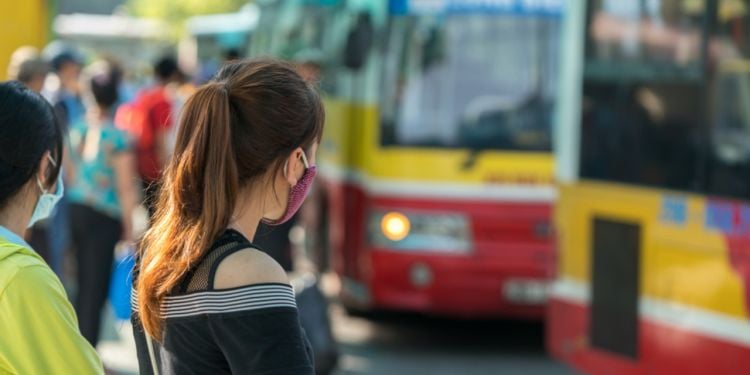
Major cities like Hanoi and Ho Chi Minh City buzz with activity day and night. Street markets, local cuisine, and cafes are at the heart of social life.
The country is generally safe, with low crime rates. However, watch for pickpockets in tourist areas and be cautious of traffic.
Motorbikes are the most common means of transportation.
The importance of family, respect for elders, and Buddhist traditions strongly influence daily life.
Life remains affordable, with many accessible services (delivery, domestic help, healthcare).
The tropical climate, varying by region, shapes the organization of daily routines.






12Leisure and activities in Vietnam
Vietnam offers a wide variety of activities for expats, from cultural discoveries to nature experiences and urban life. The country combines traditions, modernity, and unique landscapes.
Culture enthusiasts will appreciate the numerous museums and pagodas, as well as traditional performances and festivals held throughout the year.
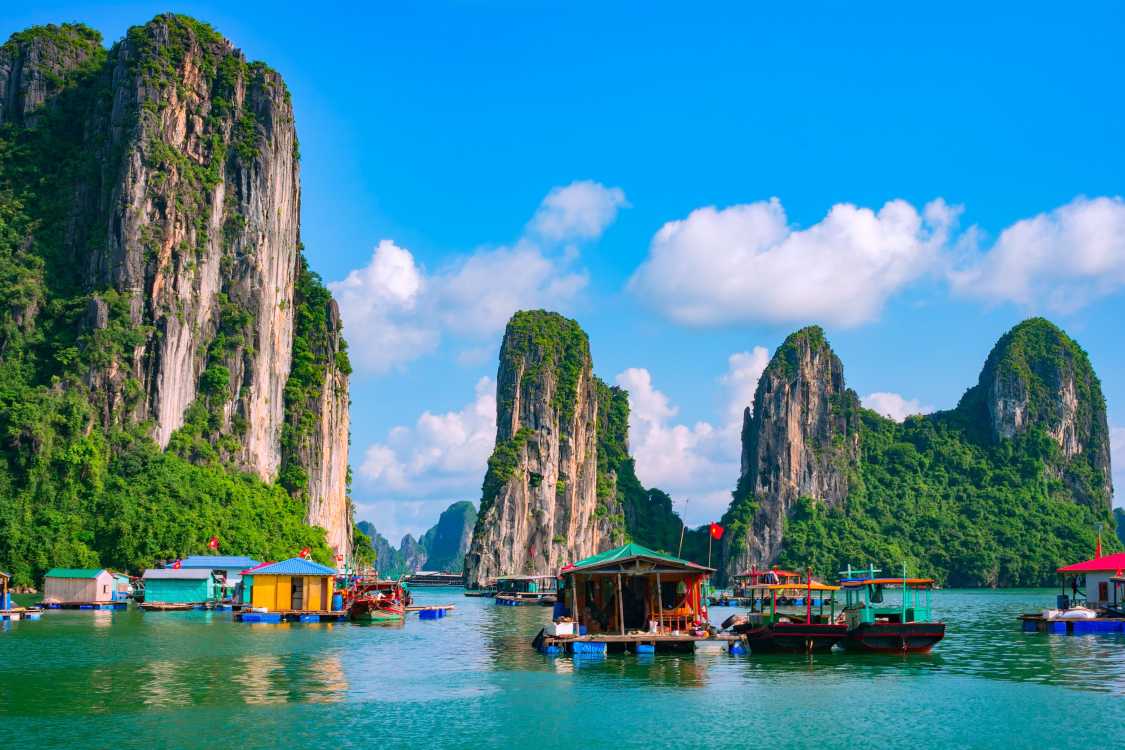
For nature and outdoor lovers, we recommend the beaches of Nha Trang or Phu Quoc, the rice terraces of Sapa, cruises in Ha Long Bay, and trekking in the northern mountains.
Whether you're interested in culture, cuisine, or sports activities, Vietnam offers countless possibilities to fill your free time!
Must-see festivals and events
Event | Period | Highlights |
Tet, Lunar New Year | January/February | The most important celebration of the year. Family reunions, offerings, fireworks. |
Mid-Autumn Festival | September/October | Dedicated to children, featuring colorful lanterns and mooncakes. |
National Day | September 2 | Parades, concerts, and fireworks in major cities. |
Hoi An Lantern Festival | Every full moon | Old town illuminated with lanterns, traditional entertainment. |
Hue Festival | Every 2 years (April/May) | Celebration of imperial culture with performances and exhibitions. |



Join the discussion on the forum
13In brief
Relocating to Vietnam means choosing a country in full transformation, where traditions and modernity coexist. Whether for work, entrepreneurship, studies, or simply enjoying a different lifestyle, the country offers numerous opportunities. The cost of living remains affordable, the expat community is active, and major cities like Hanoi, Ho Chi Minh City, or Da Nang facilitate settlement.
Want to connect with those already living in Vietnam?
Join the expat community on Expat.com to ask questions, share experiences, and find support tailored to every stage of your move abroad!
Join the Vietnam community
Get regular tips and advice to make the most of your expat life
Essential services for your expat journey








Forum topics on living in Vietnam
Discover forums topics on expat life in Vietnam: join the conversation, ask your questions, get advice and share your experience.
- Tag script in photo while applying for a visa
- Where to watch the Football World Cup 2026 in Vietnam
- Bringing Guests to your Hotel or Airbnb
- Understanding Vietnamese girls
- Any way for an expat to own a boat?
- Where to find ADHD medications
- ICAO line doesn't contain my full name
- Denied Reason: please provide a detailed address in Vietnam