Living in Phuket: the ultimate expat guide
Everything you need to know for a successful life in Phuket.
Phuket, Thailand's largest island, offers an exceptional blend of tropical beauty, modern amenities, and cultural richness that attracts expatriates from around the world. Located in the Andaman Sea, approximately 850 km southwest of Bangkok, this island spans 48 km north to south and 21 km east to west, making it compact enough to explore yet spacious enough to find your own corner of paradise. The island hosts a diverse international community, with residents from Europe, Australia, North America, and Asia drawn by its year-round warm climate, affordable cost of living, and relaxed lifestyle.
Why Choose Phuket?
Phuket seamlessly combines the conveniences of modern living with the charm of traditional Thai culture. The island boasts JCI-accredited hospitals, international schools following British and American curricula, world-class dining, and a thriving expat community that makes settling in remarkably smooth.
5 Good Reasons to Move to Phuket
- Affordable tropical lifestyle – Enjoy beach living, quality healthcare, and excellent dining at a fraction of Western costs.
- Established expat infrastructure – Access international schools, English-speaking medical staff, and a welcoming foreign community.
- Strategic location – Use Phuket as a base to explore Southeast Asia, with direct flights to major regional hubs.
- Year-round warm weather – Enjoy tropical temperatures averaging 28-32°C throughout the year.
- Diverse lifestyle options – From bustling Patong to tranquil Rawai, find neighborhoods that match your preferred pace of life.
Working in Phuket: Employment Opportunities and Careers
Phuket's economy revolves primarily around tourism and hospitality, creating numerous opportunities for skilled expatriates. The island welcomes between 17,000 to 18,000 international tourists daily, supporting a vast network of hotels, restaurants, tour operators, and related services. While employment options exist, foreign workers must navigate Thailand's work permit requirements and visa regulations.
Key Industries and Job Sectors
The hospitality sector dominates Phuket's job market, with positions ranging from hotel management to dive instruction. Real estate and property development have expanded significantly, creating roles in sales, marketing, and property management. The education sector offers teaching positions at international schools and language centers for qualified candidates with degrees and TEFL/CELTA certifications. Additionally, IT and digital services are growing as Phuket attracts remote workers and tech professionals.
Work Permits and Visa Requirements
Foreign nationals require a valid work permit and Non-Immigrant B visa to work legally in Thailand. The new Long-Term Resident (LTR) Visa offers a 10-year residence permit with work authorization for qualified professionals, investors, and remote workers. The LTR visa fee is THB 50,000 (approximately USD 1,500), with annual digital work permit fees of THB 3,000. Highly skilled professionals benefit from a reduced 17% flat personal income tax rate under the LTR program.
The following table summarizes key employment indicators for Phuket:
Average Monthly Salary (Local) | THB 21,430 (USD 620) |
Key Sectors | Tourism, Hospitality, Real Estate, Education |
LTR Visa Work Permit Fee | THB 3,000/year |
Sources: Numbeo 2025, Thailand Board of Investment

Working in Phuket
The tropical island of Phuket is very popular among foreigners who are looking to integrate Thai culture and the beach into their everyday lives. As ...
Higher Education and Universities in Phuket
Phuket offers higher education opportunities through established Thai universities with international programs. While the island's academic landscape is smaller than Bangkok's, quality institutions provide pathways for degree programs and professional development, particularly in fields aligned with the local economy such as hospitality, tourism, and international business.
Prince of Songkla University – Phuket Campus
Prince of Songkla University (PSU), one of Thailand's top five universities, operates a dedicated campus in Phuket established in 1977. The Phuket campus comprises three faculties: the Faculty of Hospitality and Tourism, the Faculty of International Studies, and the Faculty of Technology and Environment, plus the College of Computing. PSU Phuket currently offers 14 international programs taught in English, including 8 bachelor's degree programs, 4 master's degree programs, and 2 doctoral programs.
International Study Programs
The International Study Program in Phuket (ISPP) attracts students from over 20 countries, offering multidisciplinary courses in social sciences, intercultural communications, tourism management, human resources, and international finance. PSU Phuket has adopted a Green, International and Smart (GIS) campus identity, positioning itself as a regional hub for innovation and sustainable development. Program fees through exchange partners typically run around USD 2,880 per semester, including tuition and orientation activities.
Additional Education Resources
For those seeking professional certifications, Phuket offers numerous PADI diving instructor courses, Thai language schools, and hospitality training programs. Many expats also pursue online degrees from international universities while residing on the island.
Sources: Prince of Songkla University, Asia Exchange
Retiring in Phuket: A Tropical Retirement Destination
Phuket has established itself as one of Southeast Asia's premier retirement destinations, attracting retirees with its excellent healthcare, affordable lifestyle, and welcoming expat community. Thailand offers specific visa pathways for retirees aged 50 and above, enabling long-term residence with proper documentation and financial requirements. The island's infrastructure, English-speaking medical staff, and diverse social activities make it particularly suitable for active retirees.
Retirement Visa Options
The Non-Immigrant O-A Visa (Retirement Visa) permits a one-year stay with unlimited renewals. Applicants must demonstrate financial stability through either a Thai bank deposit of THB 800,000 (approximately USD 23,000), monthly pension income of at least THB 65,000 (approximately USD 1,880), or a combination totaling THB 800,000 annually. Health insurance with minimum coverage of THB 400,000 for inpatient care is mandatory.
For wealthier retirees, the Non-Immigrant O-X Visa offers 5-year stays (renewable once for 10 years total) with higher financial requirements: THB 3 million bank deposit or THB 1.8 million deposit plus annual income of THB 1.2 million. The newer LTR Visa for Wealthy Pensioners provides similar 10-year residence with additional benefits including annual reporting instead of 90-day check-ins.
Healthcare for Retirees
Phuket's JCI-accredited hospitals deliver international-standard care at costs far below Western countries. Routine check-ups, specialist consultations, and even complex procedures are readily available. Many retirees establish relationships with general practitioners who coordinate ongoing care. Private health insurance tailored for expatriates typically costs THB 50,000 to THB 150,000 annually depending on age and coverage level.
O-A Visa Bank Requirement | THB 800,000 (USD 23,000) |
Monthly Pension Requirement | THB 65,000 (USD 1,880) |
O-X Visa Bank Requirement | THB 3,000,000 (USD 87,000) |
Minimum Age Requirement | 50 years |
Sources: Thai Embassy, Royal Thai Consulate Los Angeles
International Schools and Education for Children in Phuket
Phuket hosts several reputable international schools offering British, American, and International Baccalaureate (IB) curricula. These institutions cater to the island's diverse expatriate community, providing quality education that enables smooth transitions for globally mobile families. Admission to top schools can be competitive, so early application is recommended.
Leading International Schools
British International School, Phuket (BISP) stands as the island's premier educational institution, established in 1996 on a purpose-built 44-acre campus. BISP serves approximately 1,150 students representing over 66 nationalities, with more than 75% being foreign nationals. The school offers Early Years through Secondary education, with external examinations including IB Diploma, IGCSE, and BTEC. Annual tuition ranges from THB 452,100 to THB 899,900 (approximately USD 13,000 to USD 26,000) depending on grade level.
Other Educational Options
Berda Claude International School (BCIS) offers the enhanced Cambridge International Curriculum leading to IGCSE and A-Level qualifications. The International School of Phuket provides British curriculum education for ages 5 to 14. For younger children, private kindergartens charge approximately THB 12,000 to THB 35,000 monthly, with full-day options available.
Enrollment Considerations
Most international schools follow the Northern Hemisphere academic calendar, beginning in August. Registration fees, building funds, and one-time enrollment charges add to first-year costs. Sibling discounts of 5% to 20% are commonly offered. Schools cluster around Kathu, Chalong, and Koh Kaew areas, factors to consider when choosing accommodation.
BISP Annual Fees (Secondary) | THB 865,300 (USD 25,000) |
Average International Primary School | THB 350,000-481,000/year |
Private Kindergarten (Monthly) | THB 12,000-35,000 |
Housing and Neighborhoods: Where to Live in Phuket
Phuket offers diverse housing options ranging from modern condominiums to spacious villas, with prices varying significantly by location and proximity to beaches. Most long-term expatriates prefer renting rather than purchasing, given Thailand's foreign ownership restrictions on land and the flexibility renting provides. The island's neighborhoods each have distinct characters suited to different lifestyles.
Popular Expat Neighborhoods
Rawai and Nai Harn in southern Phuket attract families and retirees seeking a relaxed atmosphere with strong expat communities. Rawai has been home to foreign residents for over four decades. Chalong offers central location, proximity to schools and hospitals, plus excellent value—a favorite among families and fitness enthusiasts with numerous Muay Thai gyms and yoga studios. Kathu provides a balance between affordability and convenience, situated close to Patong nightlife yet peaceful. Bang Tao and Laguna represent upscale living with golf courses, beach clubs, and luxury resorts. Patong suits those who thrive on nightlife and tourist energy.
Rental Prices and Options
Long-term rental agreements typically run 6 to 12 months, with better rates for longer commitments. Furnished apartments and houses dominate the market. A one-bedroom apartment in central areas averages THB 15,000 to THB 21,600 monthly (approximately USD 430 to USD 625). A three-bedroom house ranges from THB 30,000 to THB 58,000 (approximately USD 870 to USD 1,680) in residential areas, with pool villas commanding higher prices.
1-Bedroom Apartment (City Center) | THB 21,625/month (USD 625) |
1-Bedroom Apartment (Outside Center) | THB 15,250/month (USD 440) |
3-Bedroom Apartment (City Center) | THB 58,333/month (USD 1,690) |
3-Bedroom Apartment (Outside Center) | THB 43,750/month (USD 1,270) |
Sources: Numbeo 2025
Accommodation in Phuket
Phuket is a popular destination for expatriates working or retiring on the island. Its expat community is also arguably one of the richest in the ...
Leisure, Culture and Things to Do in Phuket
Phuket delivers an exceptional range of leisure activities, from pristine beaches and world-class diving to cultural temples and legendary nightlife. The island's 40+ beaches offer everything from party atmospheres to secluded coves, while cultural attractions reveal the depth of Thai and Sino-Portuguese heritage. Weekends can be spent exploring neighboring islands, training in Muay Thai, or simply enjoying sunset cocktails at beach clubs.
Beaches and Water Activities
Patong Beach remains the island's most famous stretch, offering water sports, nightlife, and endless entertainment. Kata and Karon beaches suit families with calmer waters and laid-back vibes. Nai Harn in the south is favored by locals and long-term residents for its beauty without mass tourism. For diving enthusiasts, Phuket serves as a gateway to world-renowned sites around Racha Island, Phi Phi Islands, and the Similan Islands. PADI certification courses are widely available.
Cultural Attractions
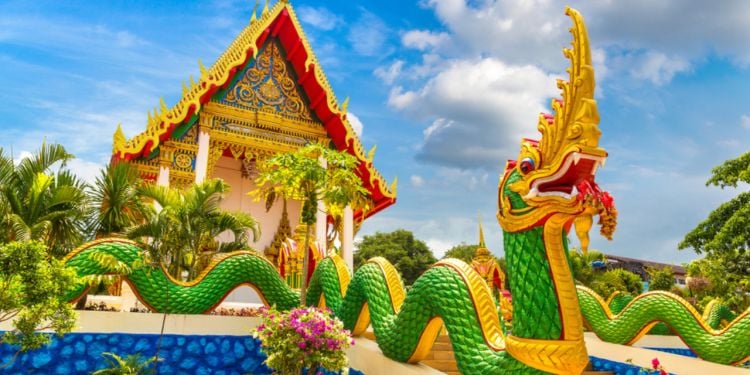
The Big Buddha statue stands 45 meters tall atop Nakkerd Hill, offering panoramic views across Chalong Bay and the surrounding islands. Wat Chalong, Phuket's most revered Buddhist temple, features ornate architecture and provides insight into local spiritual life. Old Phuket Town showcases beautifully preserved Sino-Portuguese architecture, colorful shophouses, charming cafes, and street art—perfect for afternoon exploration.
Nightlife and Entertainment
Bangla Road in Patong transforms nightly into a neon-lit strip of bars, clubs, and entertainment venues. Beach clubs like Catch Beach Club in Surin and Xana Beach Club in Bang Tao offer sophisticated day-to-night experiences. Night markets including Chillva Market and Phuket Weekend Market provide shopping, street food, and local ambiance. For sports enthusiasts, Muay Thai stadiums host weekly fights, while numerous gyms offer training for all levels.
Sources: Phuket 101, TripAdvisor Phuket
Daily Life in Phuket: Transportation and Lifestyle
Daily life in Phuket operates at a relaxed tropical pace, though getting around the island requires some planning as public transportation remains limited compared to major cities. Most expatriates rent motorbikes or cars for independence, while ride-hailing apps have improved transport options significantly. The island's infrastructure continues to develop, with shopping centers, supermarkets, and services catering to international residents.
Getting Around Phuket
Motorbike rental remains the most popular transport choice, starting at THB 200 per day or approximately THB 3,000 monthly for long-term rentals. An international driving license is essential for insurance validity. Grab, Southeast Asia's leading ride-hailing app, operates throughout Phuket, offering both car and motorbike taxi options with upfront pricing. Songthaews (blue open-air buses) run between Phuket Town and beaches for THB 25-50, while the Phuket Smart Bus connects the airport to southern beaches for THB 50-170. Tuk-tuks are ubiquitous but require price negotiation before boarding.
Everyday Conveniences
Major shopping centers include Central Phuket and Jungceylon in Patong, offering international brands, supermarkets, and cinemas. Makro, Tesco Lotus (now Lotus's), and Big C provide Western groceries alongside Thai products. Banking services from Bangkok Bank, Kasikorn, and SCB offer expat-friendly accounts. Mobile connectivity is excellent, with plans from AIS, True, and DTAC starting around THB 200-400 monthly for unlimited data.
Healthcare Access
Phuket boasts excellent private healthcare at Bangkok Hospital Phuket and Bangkok Hospital Siriroj, both JCI-accredited facilities with multilingual staff covering over a dozen languages. Routine medical consultations cost THB 500-1,500, significantly lower than Western prices. International health insurance is strongly recommended for comprehensive coverage.
Sources: Bangkok Hospital Phuket, Phuket 101
Cost of Living in Phuket: Budgeting Your Island Life
Phuket offers an attractive cost of living compared to Western countries and even some Asian cities like Singapore or Hong Kong—approximately 40% lower than major US cities, excluding rent. However, as a tourist destination, certain areas and services can be pricier than elsewhere in Thailand. Lifestyle choices significantly impact monthly expenses, from budget-conscious living at THB 30,000 monthly to comfortable expat life around THB 80,000-150,000.
Monthly Budget for a Single Person
The following table outlines typical monthly expenses for a single expatriate living comfortably in Phuket:
Category | Monthly Cost (THB) | Monthly Cost (USD) |
Rent (1-bedroom, city center) | 21,625 | 625 |
Utilities (electricity, water, internet) | 4,600 | 133 |
Groceries | 8,000 | 230 |
Dining out (moderate) | 6,000 | 175 |
Transportation (motorbike rental + fuel) | 4,500 | 130 |
Health insurance | 5,000 | 145 |
Entertainment and leisure | 5,000 | 145 |
Total | 54,725 | 1,583 |
Monthly Budget for a Family of Four
Families should budget more substantially, particularly accounting for international school fees and larger accommodation:
Category | Monthly Cost (THB) | Monthly Cost (USD) |
Rent (3-bedroom house) | 55,000 | 1,590 |
Utilities | 8,000 | 230 |
Groceries | 25,000 | 725 |
International school (2 children) | 120,000 | 3,475 |
Transportation (car rental) | 18,000 | 520 |
Health insurance (family) | 20,000 | 580 |
Dining and entertainment | 15,000 | 435 |
Total | 261,000 | 7,555 |
In Short
Phuket offers a compelling package for expatriates seeking tropical island living without sacrificing modern conveniences. Whether you're drawn by career opportunities in hospitality, quality education for your children, an active retirement lifestyle, or simply the allure of beach life, this Thai island delivers. The established expat community ensures newcomers find support and friendship, while world-class healthcare provides peace of mind. From the cultural charm of Old Phuket Town to the pristine waters of Nai Harn, every corner of the island holds something special. Ready to explore life in Phuket? Join the conversation with fellow expatriates and those planning their move on the Expat.com Phuket Forum — your community awaits.
We do our best to provide accurate and up to date information. However, if you have noticed any inaccuracies in this content, please contact us.