

 Guide updated by Natallia Slimani-Mercier on 15 December 2025
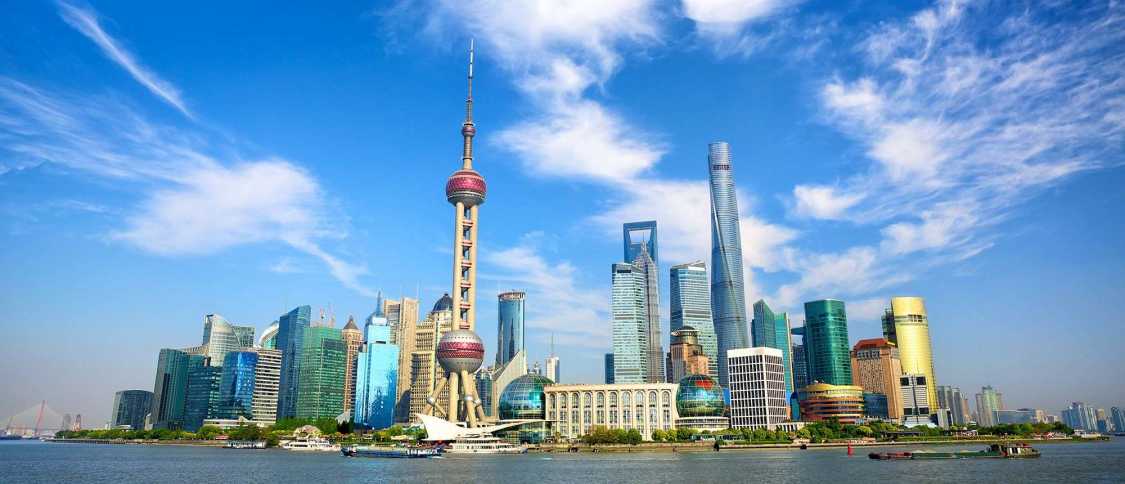
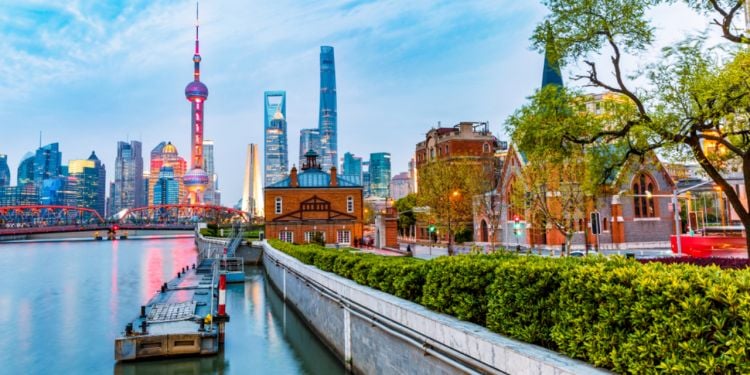
Shanghai pulses with energy as China's most cosmopolitan city, where gleaming skyscrapers meet historic neighborhoods and East meets West in daily life. With approximately 30 million residents, this global financial hub on the Yangtze River Delta combines economic opportunity, cultural richness, and modern infrastructure. The city welcomes international professionals and families seeking dynamic careers while immersing themselves in Chinese culture. English signage in some places, efficient public services, and established expat communities make integration manageable, while the city's blend of traditional markets, cutting-edge technology, and international dining scenes creates an environment unlike any other in China.
5 good reasons to move to Shanghai
- Global career opportunities in finance, technology, manufacturing, and professional services with competitive compensation packages.
- World-class infrastructure, including an extensive metro system, international airports, and high-speed rail connections throughout China.
- Rich cultural experiences from ancient temples and museums to contemporary art galleries and international events.
- International education options with established schools offering curricula from multiple countries for expat families.
- Dynamic lifestyle combining traditional Chinese culture with international restaurants, entertainment venues, and shopping districts.
Source: World Population Review
Your setup journey
Guide in 14 steps. Click any step below to jump directly to the section you need.
01Where to live in Shanghai
02Formalities and visas in Shanghai
All you need to know to enter Shanghai and settle in. Learn entry requirements, the documents you need, how to apply for a visa or residency, and tips to navigate the bureaucracy smoothly.
Join the discussion on the forum
03Working in Shanghai
Shanghai is an economic powerhouse, hosting regional headquarters for multinational corporations and leading domestic companies across several industries.
Key employment sectors
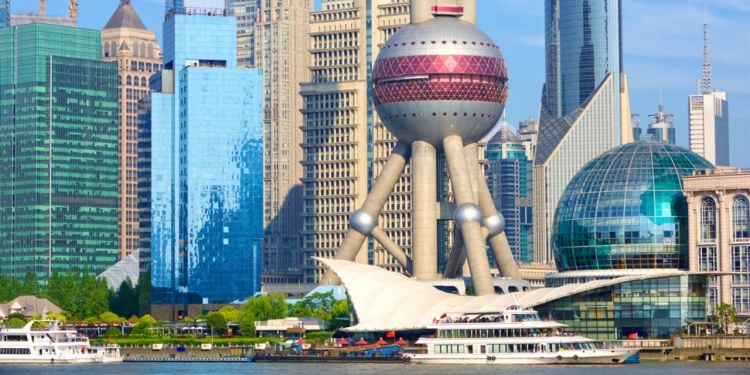
Finance and banking are the main pillars of Shanghai's economy, with the Pudong district home to Chinese and foreign financial institutions. Technology companies are concentrated in areas like Zhangjiang Hi-Tech Park, creating demand for software engineers, data scientists, and product managers. Manufacturing sectors including automotive, electronics, and shipbuilding operate through Shanghai's port, one of the world's busiest. International schools and language centers provide teaching opportunities for foreign educators, while healthcare facilities seek specialists for expatriate-focused clinics.
Work culture and requirements
Shanghai's work environment places importance on hierarchy, formal business relationships, and concepts like guanxi (connections) and mianzi (face-saving). Workweeks often extend longer than Western standards. Most foreign professionals arrive through intra-company transfers or recruitment agencies that handle visa processing. Building connections through industry events is essential for success. Mandarin proficiency strengthens both career prospects and workplace relationships, while chambers of commerce and expat professional organizations offer valuable support networks.
Unemployment rate (China) | 5.1% |
Average monthly salary (net) | CNY 11,133 |
Top sectors | Finance, technology, manufacturing |
Data correct as of December 2025.
Sources: Trading Economics, Numbeo


Join the discussion on the forum
04Housing & neighborhoods
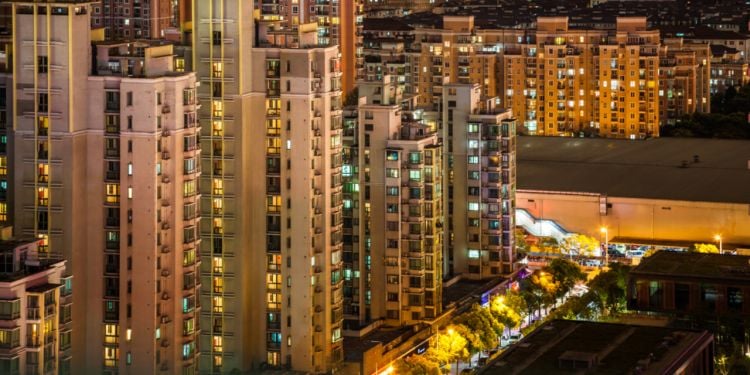
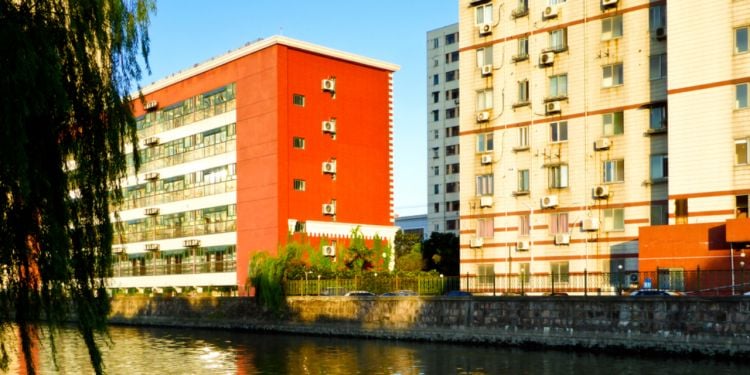
Shanghai's housing market includes everything from sleek high-rise apartments to traditional lane houses and older walk-up buildings.
Where expats live
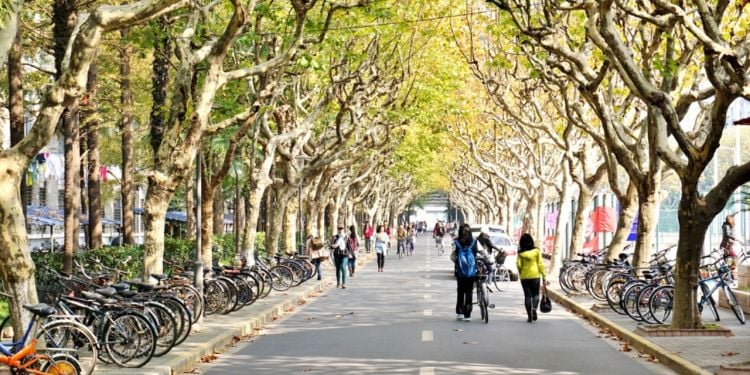
Pudong, east of the Huangpu River, features contemporary developments near Lujiazui Financial District with modern towers, shopping malls, and dining options. Jing'an District combines a central location with tree-lined streets, international restaurants, and premium shopping centers. Changning attracts families with its concentration of international schools, spacious apartments, and proximity to the Hongqiao business district. French Concession areas retain historic charm with their art deco buildings, boutique shops, and café culture. Minhang District offers housing options further from the city center, popular with families prioritizing space and school access.
Rental process and rental costs
If you rent a property, you will typically have to pay a security deposit and the first month's rent upfront. Furnished apartments include appliances, furniture, and sometimes utilities. Landlords may require passport copies, employment verification, and reference letters. Tenants must register their residence with the local police within one day of moving in, by presenting the lease agreement and housing certificate.
Rent of a 1-bedroom apartment in the city center | CNY 4,500 - 9,000/month |
Rent of a 3-bedroom apartment in the city center | CNY 10,000 - 24,000/month |
Data correct as of December 2025.
Source: Numbeo
Join the discussion on the forum
05Cost of living in Shanghai
The cost of living in Shanghai ranks among China's highest, though overall expenses remain substantially lower than major Western metropolises like London or New York.
Monthly expenses for a single person
Rent of a 1-bedroom apartment in the city center | CNY 4,500 - 9,000 |
Utilities | CNY 200 - 637 |
Groceries | CNY 600 - 1,500 |
Data correct as of December 2025.
Monthly expenses for a family of four
Rent of a 1-bedroom apartment in the city center | CNY 10,000 - 24,000 |
Utilities | CNY 800 - 1,500 |
Groceries | CNY 1,000 - 2,000 |
Data correct as of December 2025.
06Health care in Shanghai
Understand the healthcare system in Shanghai: public and private health system, health insurance options, how to access medical care...
07Finance and banks in Shanghai
Tips to manage your money in Shanghai: from opening a bank account, transferring funds to filling your tax and understanding the fiscal system.
08Retiring in Shanghai
Get the essential information to retire in Shanghai: the best regions for retirees, cost of living, lifestyle, healthcare options, and everything you need to enjoy your retirement as an expat.
09Higher education & universities
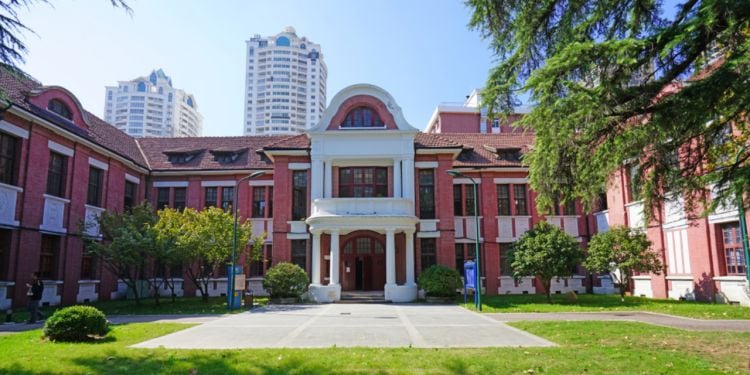
Shanghai hosts prestigious universities that rank among China's top educational establishments and attract students from around the world.
Universities
There are several major universities in Shanghai offering courses for international students including Shanghai University, which has comprehensive programs across various disciplines, such as business, engineering, fine arts, and Chinese language studies. Shanghai International Studies University (SISU) specializes in languages and international relations, with China Studies programs taught in English. At East China Normal University, degrees range from undergraduate through doctoral levels, with support services for international students including orientation, language assistance, and cultural activities.
Application process and student life
To apply to a university in Shanghai, you will need to provide copies of your passport, academic transcripts, degree certificates and language proficiency scores. Sometimes, recommendation letters are required. Universities provide dormitory housing, though many students rent apartments independently. To obtain a student visa, you will need an admission letter from your university. International student offices assist with registration, residence permits, and campus integration.
Discover more
10Education and schools in Shanghai
Expat children in Shanghai access high-quality education through three pathways: international schools for foreign passport holders, international or bilingual divisions within local schools, and, in more limited cases, public or private Chinese schools. The city is home to a large number of well-established institutions serving international families, with curricula representing multiple countries and education systems.
International schools
Among the options are Shanghai American School (SAS), which was founded in 1912, and operates two campuses offering education from PreK through Grade 12, making it one of China's largest and most established international schools. Shanghai Community International School (SCIS) serves families representing over 60 nationalities across its Hongqiao and Pudong campuses. Dulwich College Shanghai Puxi enrolls students from Early Years through Year 13, following the British curriculum.
Across the city, schools offer American curricula with Advanced Placement (AP) courses, International Baccalaureate (IB) programs, British IGCSE and A-Level systems, as well as French and German options.
Enrollment process
Families typically submit an application along with developmental assessments for younger children or academic testing and school records for older students. Placement is based on age, academic history, and developmental readiness. The academic year generally runs from mid-August to mid-June across two semesters.
Join the discussion on the forum
11Planning your move to Shanghai
Moving to Shanghai? Get advice and tips to planning your relocation, choosing the best company, packing your belongings and managing customs procedures.
12Daily life
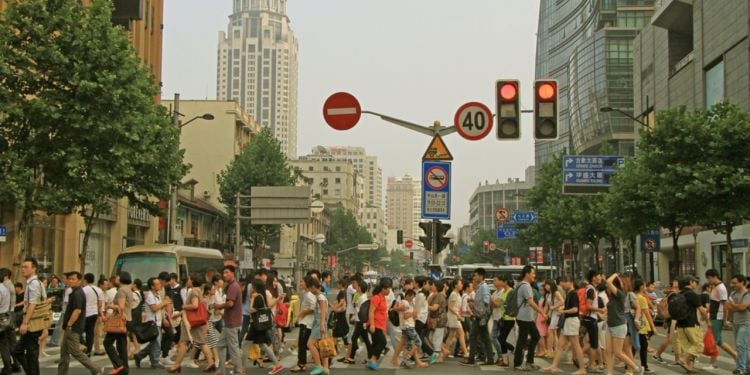
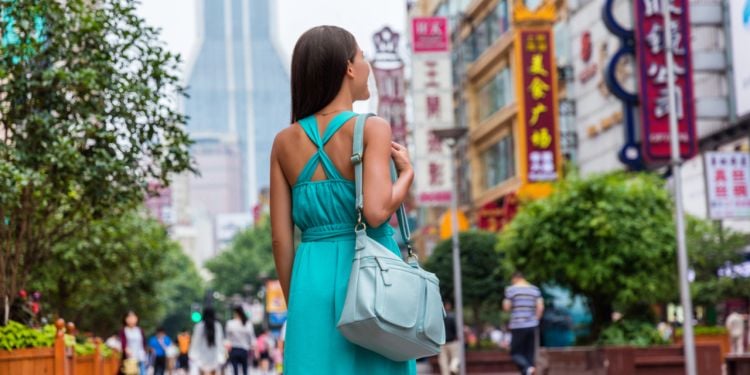
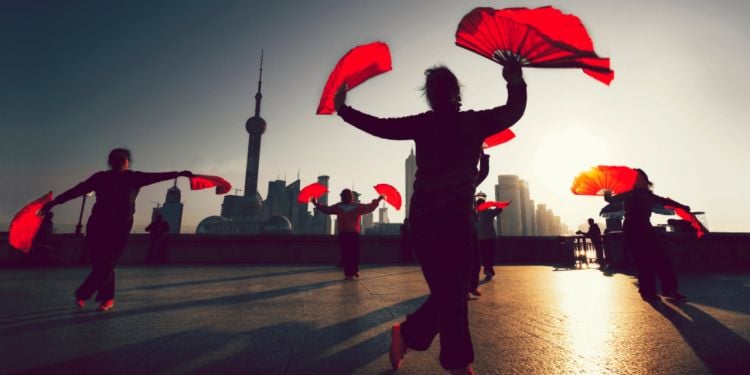
Shanghai’s streets are alive with constant motion—delivery drivers navigating traffic, street vendors grilling skewers, and locals shopping at bustling morning markets. Sidewalks fill with commuters heading to work, elderly residents practicing tai chi in parks, and groups gathered around mahjong tables. Neighborhoods vary dramatically: modern shopping districts transition to traditional lane houses where laundry hangs overhead and neighbors chat outside. Convenience stores operate 24/7, while food delivery drivers bring everything from noodles to upscale meals directly to apartment doors..
Getting around
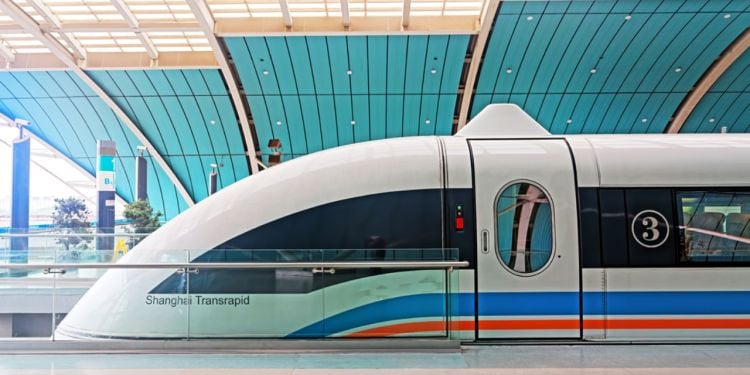
Beyond the extensive metro system, Shanghai has a broad bus network connecting areas the subway doesn’t reach. The Maglev train links Pudong International Airport to Longyang Road station in under ten minutes. Taxis are widely available and affordable through ride-hailing apps like Didi, though rush-hour traffic can be heavy. Bike-sharing companies such as Hellobike, Meituan, and Qingju offer eco-friendly transport for short trips. Ferries crossing the Huangpu River provide scenic connections between eastern and western districts.
Cultural habits and practicalities
Basic Mandarin helps in interactions, though English signage appears in the metro, international restaurants, and major shopping areas. Dining ranges from casual noodle shops to Michelin-starred restaurants, with delivery apps widely used. Air quality varies seasonally, and international clinics offer English-speaking healthcare, while public hospitals often require patience and translation assistance if you do not speak Mandarin.
Discover more


Join the discussion on the forum
13Leisure, culture & things to do
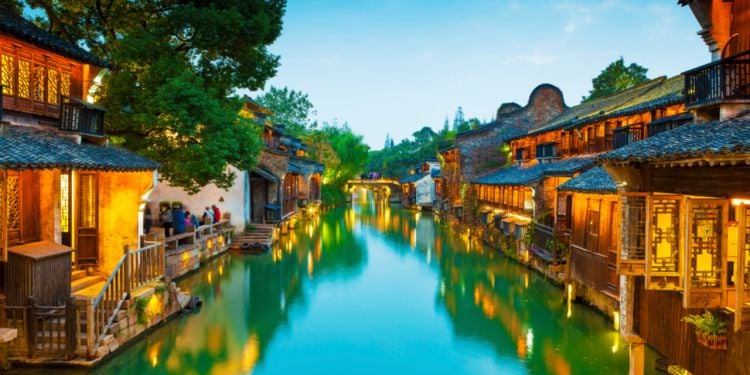
Shanghai delivers endless cultural experiences spanning 5,000 years of Chinese history alongside contemporary international offerings. The Shanghai Museum, with locations at People's Square and Shanghai Museum East, houses cultural relics including bronzes, ceramics, calligraphy, and paintings. China Art Museum, housed in the distinctive China Pavilion from Expo 2010, showcases modern Chinese art collections and recreations of the legendary painting "Along the River During the Qingming Festival."
Parks, entertainment and nightlife
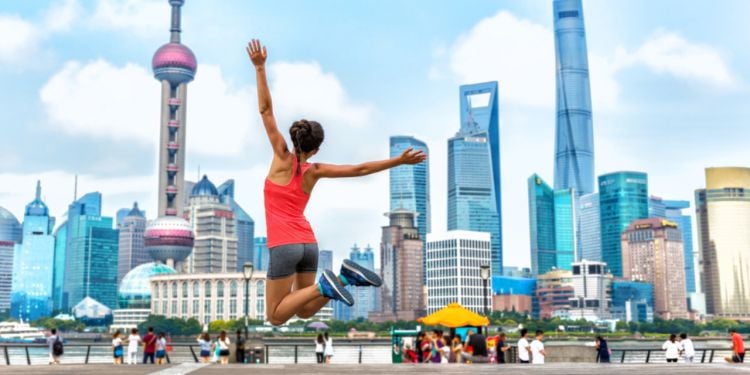
Green spaces provide respite from the urban hustle and bustle, with Shanghai Expo Culture Park in Pudong offering landscaped gardens and cultural facilities. Guilin Park draws locals who practice opera, play mahjong, and hold bird singing contests each morning. Shanghai Disneyland incorporates Chinese cultural elements throughout its themed areas. The Oriental Pearl Tower and Shanghai World Financial Center feature observation decks with sweeping city views, while the historic Bund waterfront showcases colonial-era architecture along the Huangpu River.
Arts, dining and shopping
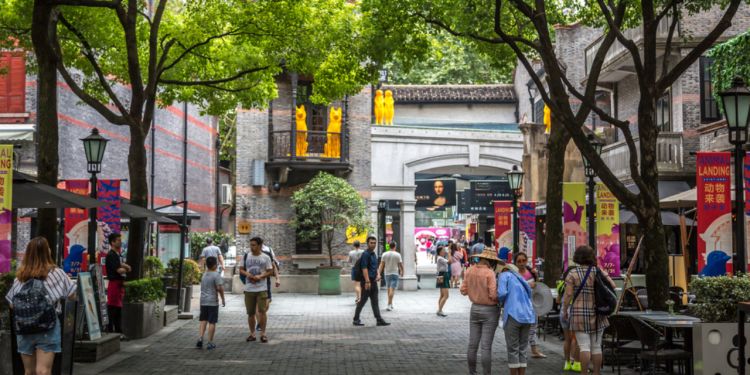
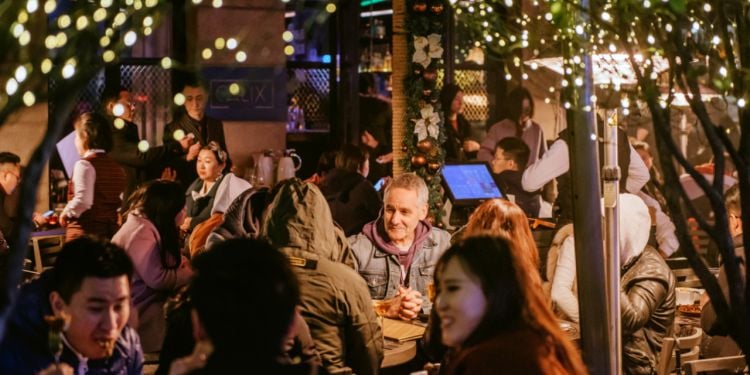
Tianzifang neighborhood features narrow alleyways lined with Shikumen-style architecture, boutique shops, art galleries, cafés, and restaurants. M50 Creative Park houses contemporary art galleries in former industrial buildings. Museums like the Shanghai Natural History Museum and Shanghai Urban Planning Exhibition Center offer insights into the city's evolution. Nightlife ranges from rooftop bars overlooking Pudong's skyline to underground music venues.
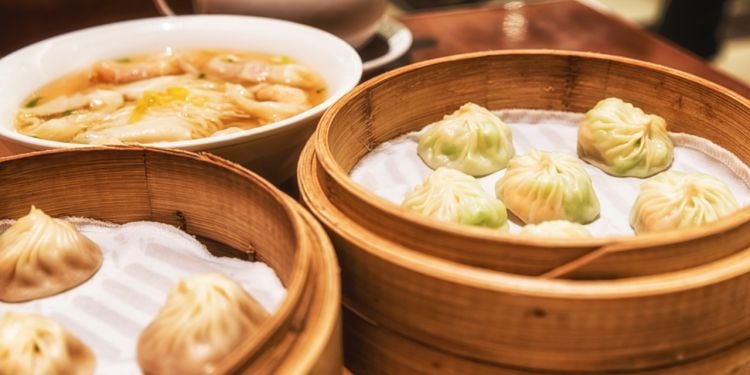
Dining options span street food stalls to Michelin-starred restaurants. Markets, shopping districts, and artisan workshops in neighborhoods like Xintiandi and Jing'an blend commerce with culture.
Discover more
14In short
Shanghai offers expatriates a unique mix of economic opportunity, cultural richness, and modern living in one of Asia’s most dynamic cities. The city supports both career growth and family life, with thriving job markets in finance, technology, and professional services, alongside world-class universities and a wide range of international schools. Efficient public transportation, diverse neighborhoods, and a spectrum of entertainment—from traditional Chinese culture to international arts and dining—ensure daily experiences are always engaging. For newcomers, online communities like the Expat.com Shanghai forum provide practical advice, local insights, and a space to connect with others navigating life in this vibrant metropolis.
Join the Shanghai community
Get regular tips and advice to make the most of your expat life
Essential services for your expat journey








Forum topics on living in Shanghai
Discover forums topics on expat life in Shanghai: join the conversation, ask your questions, get advice and share your experience.
- VPN for use in various areas of China
- Decent dental clinic with English speaking doctors in Wenzhou
- Planning to Return to China After Retirement – Looking to Connect
- HAVING SYPHILLIS AND GETTING A JOB IN CHINA, IS IT POSSIBLE?,
- Will I pass the health check upon arrival? Treated and cured syphilis
- Is 100,000rmb a good salary for shanghai?
- Studying in China with Hiv
- Email services blocked by China's Great Wall? Gmail, hotmail. etc.
- Which is better : Guangzhou or Xiamen ?
- Where to get Cialis / Viagra without prescription
- Beware of SF Express for Shipping
- Dealing with loneliness in China
- Sad valentine story: dating a Chinese girl as foreigner
- Massage therapist/ spa therapist
- Be very careful when applying for a teaching job in China!
- What do most people charge per hour for private English lessons?