

Living in Quito: the ultimate expat guide
Everything you need to know for a successful life in Quito.
Quito, Ecuador's capital, sits at 2,850 meters above sea level in a dramatic Andean valley, making it one of the world's highest capital cities. Home to 2.5 million residents, this UNESCO World Heritage city blends colonial architecture with modern infrastructure, offering expats a unique urban experience. The city uses the US dollar as its currency, eliminating exchange rate concerns for many international residents. Quito's year-round temperate climate ranges from 40°F to 75°F, with a brief rainy season from February to May.
5 Good Reasons to Move to Quito
- Affordable Cost of Living: Living costs are approximately 50% lower than in major US cities, with rent for a one-bedroom apartment starting at $450 per month.
- Quality International Education: The city hosts numerous accredited international schools offering American, British, and IB programs, including Academia Cotopaxi and British School Quito.
- Modern Transportation: The new Quito Metro, operational since December 2023, connects the city from north to south in just 34 minutes, complementing an extensive bus rapid transit network.
- Gateway to Natural Wonders: Located at the equator, Quito provides easy access to the Amazon rainforest, cloud forests, the Galapagos Islands, and numerous volcanoes within hours.
- Straightforward Visa Process: Ecuador offers accessible residency options with minimum income requirements as low as $1,410 per month for retirees, making relocation practical for many expats.
Working in Quito
Quito serves as Ecuador's economic and political center, hosting the headquarters of major national and international corporations. The city has developed a reputation as a startup hub in Latin America, with numerous coworking spaces, tech incubators, and entrepreneurship conferences. Key employment sectors include technology, finance, education, healthcare, and tourism. The city's nine universities produce a skilled workforce, with Universidad San Francisco de Quito ranking as Ecuador's top institution.
Employment Landscape
Ecuador's economy has shown resilience with recent growth. The unemployment rate in Quito and Ecuador overall remained relatively low at approximately 3.7% to 4.9% as of 2024. The capital city offers the highest average salaries in Ecuador, with professionals earning approximately $1,380 per month. Technology and financial services sectors offer above-average compensation, with specialized roles in science and technical services averaging $1,780 monthly. International corporations such as HP have established offices in Quito, creating opportunities for skilled professionals.
Employment Data
Unemployment Rate | 3.7-4.9% |
Average Monthly Salary (Quito) | $1,380 |
Minimum Wage | $470/month |
Key Sectors | Technology, Finance, Education, Tourism |
Sources: Trading Economics, DevsData
Work Permits and Requirements
Foreign nationals planning to work in Quito must obtain a work visa before starting employment. The Professional Work Visa requires a job offer from an Ecuadorian employer and proof of professional qualifications. Employers must demonstrate that the position cannot be filled by a local candidate. The visa application process typically takes 2-3 months and requires apostilled documents including background checks, diplomas, and employment contracts. Digital nomads can now apply for Ecuador's new Digital Nomad Visa, designed specifically for remote workers who maintain employment with companies outside Ecuador.
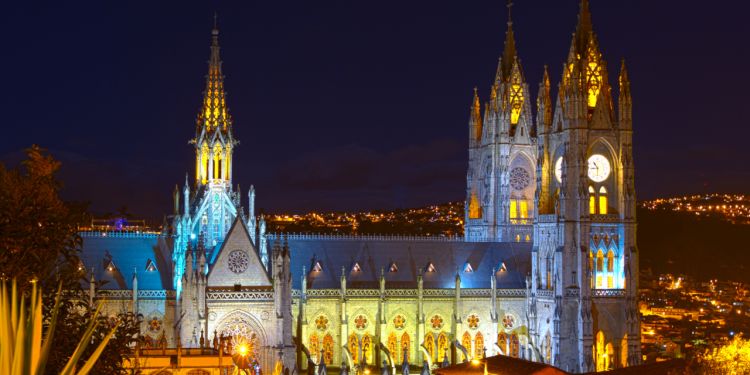
Work in Quito
‘I quit! Quito here I come!' How tempting it might be to say those words to your boss and answer the siren call of this Unesco World Heritage ...
Higher Education & Universities
Quito hosts nine universities, including several institutions recognized for academic excellence and international programs. Universidad San Francisco de Quito (USFQ) leads as Ecuador's top-ranked university and the only institution worldwide with campuses in both the Galapagos Islands and the Amazon rainforest. The city's higher education institutions offer programs in Spanish and English, attracting over 1,000 international students annually to USFQ alone.
Universidad San Francisco de Quito (USFQ)
Founded in 1988, USFQ is Ecuador's premier private university, following the American liberal arts model. The institution enrolls 5,500 students and maintains over 200 international exchange agreements with universities in 24 countries. USFQ offers 51 bachelor's degrees, 15+ master's programs, and PhD programs primarily taught in Spanish, with numerous English-language options available. The university's faculty includes nearly half of Ecuador's PhDs, and it ranks as the country's only Category A university (highest designation). The main campus in Cumbayá features state-of-the-art facilities including a hospital, specialized dentistry clinic, eight restaurants, and Ecuador's largest academic library with 1 million titles. International students can enroll directly or through exchange programs, with tuition fees varying by program. Study abroad programs through partner institutions typically cost $22,000-$25,000 per academic year including housing and meals.
Pontifical Catholic University of Ecuador (PUCE)
PUCE offers comprehensive undergraduate and graduate programs with strong emphasis on research and community engagement. The university's Cultural Center houses the Weilbauer Archaeological Museum and Jacinto Jijón y Caamaño Museum, providing students with unique access to Ecuador's archaeological heritage.
Admission Process
International applicants must submit apostilled high school diplomas or bachelor's degrees (for graduate programs), official transcripts, passport copies, and proof of Spanish proficiency for Spanish-taught programs. TOEFL or IELTS scores are required for English-taught programs. Application deadlines typically fall in May for programs starting in August-September. Universities provide support services including international student offices, Spanish language courses, and homestay placement assistance.
Sources: Universidad San Francisco de Quito, QS Top Universities
Retirement in Quito
Ecuador has become one of Latin America's premier retirement destinations, attracting thousands of retirees with its affordable cost of living, quality healthcare, favorable climate, and straightforward visa process. Quito offers urban amenities, cultural richness, and modern infrastructure while maintaining living costs well below those of North America and Europe. The country uses the US dollar as its official currency, eliminating exchange rate concerns for American retirees.
Retirement Visa (Pensionado/Jubilado)
Ecuador's Pensionado Visa provides accessible residency for retirees with guaranteed pension income. Applicants must demonstrate minimum monthly income of $1,410 (equivalent to three times Ecuador's basic salary), plus $250 per dependent. Qualifying income sources include Social Security, private pensions, 401(k) distributions, IRA withdrawals, annuities, and military pensions. The visa is initially granted for two years and can be renewed indefinitely or converted to permanent residency after 21 months of continuous residence (maximum 90 days outside Ecuador during this period). Application costs include a $50 visa fee, $270 approval fee, and approximately $15 for the cédula (national ID card). Required documents include apostilled background checks from your home country and any country where you've lived for five+ years, pension verification letters, passport copies, and application forms. Processing typically takes 2-3 months.
Tax Benefits
Ecuador taxes only income sourced within the country, making it highly favorable for retirees. US Social Security benefits and foreign pensions remain exempt from Ecuadorian taxation, though US citizens must still file annual US tax returns reporting worldwide income. Ecuador-sourced income faces progressive tax rates from 0% to 37%. Retirees over 65 qualify for tercera edad (senior citizen) benefits including discounts on utilities, transportation, entertainment, and exemptions from certain municipal taxes.
Healthcare
Quito offers quality healthcare at significantly lower costs than Western countries. The city hosts modern hospitals including Hospital Metropolitano and Hospital de los Valles, staffed by US and European-trained physicians. Many doctors speak English. Private health insurance costs $50-$150 monthly, while routine doctor visits run $25-$50 without insurance. Retirees can access Ecuador's public healthcare system (IESS) by paying monthly premiums based on income. Prescription medications cost a fraction of US prices, with many common drugs available over the counter.
Quality of Life
Quito's year-round spring-like weather, elevation-moderated temperatures, and proximity to mountains, Amazon, and coast create an appealing retirement lifestyle. The city's public metro system, extensive bus network, and affordable taxis provide excellent mobility. Cultural offerings including museums, theaters, concerts, and festivals ensure active social lives. Large expat communities in neighborhoods like Cumbayá and González Suárez facilitate social connections and provide support networks for new arrivals.
Sources: Taxes for Expats, Bright!Tax, Kiplinger
Schooling for Children
Quito offers approximately 10 international schools providing education in English, Spanish, German, and French. These institutions follow various curricula including the International Baccalaureate (IB), American, British, and German educational systems. Most international schools accommodate children from preschool through 12th grade, with many located in the northern neighborhoods of La Carolina, Cumbayá, and Monteserrín.
International School Options
Academia Cotopaxi American International School, founded in 1959, is the most popular choice among expat families, particularly those from the US Embassy. The school offers education from 12 months through 12th grade following an American curriculum with Advanced Placement (AP) courses. Academia Cotopaxi is accredited by the New England Association of Schools and Colleges and offers the International Baccalaureate program. Located in Monteserrín, the school serves approximately 600 students from diverse international backgrounds. Tuition fees are not publicly disclosed but typically range from $8,000-$15,000 annually depending on grade level.
British School Quito (BSQ), located in Tumbaco, is Ecuador's only fully British international school following the English National Curriculum. Students prepare for Cambridge IGCSE examinations in Years 10-11 and the International Baccalaureate Diploma in Years 12-13. BSQ welcomes students from over 30 countries while maintaining strong connections to Ecuadorian culture through bilingual Spanish instruction from early years.
Colegio Menor San Francisco de Quito offers bilingual education in English and Spanish, combining Ecuadorian and American curricula. The school provides either an IB diploma or US high school diploma. Located in Cumbayá, Colegio Menor features technology-integrated classrooms, extensive library resources, and comprehensive sports facilities.
Enrollment Requirements
Most international schools require previous school records, standardized test results, birth certificates, passport copies, and immunization records. Many schools conduct entrance assessments to determine appropriate grade placement. Applications should be submitted 6-12 months in advance, as spaces fill quickly, particularly for middle and high school grades. Schools typically operate on an August-June academic calendar, with enrollment periods opening in January-February.
Sources: US Department of State, British School Quito, International Schools Database
Housing & Neighbourhoods
Quito's housing market offers diverse options from modern apartments in high-rise buildings to colonial homes and suburban villas. The city stretches approximately 40 kilometers north to south along a narrow valley, with most expat-friendly neighborhoods located in the northern sectors and eastern valley areas. Rental properties typically require a one-year lease commitment, security deposits, and guarantor agreements.
Prime Neighborhoods for Expats
Cumbayá and Tumbaco have become the preferred areas for wealthy Ecuadorian families and expat communities. Located east of central Quito in the Tumbaco Valley, these suburbs enjoy a warmer microclimate and modern infrastructure. Cumbayá hosts the Universidad San Francisco de Quito campus and numerous international schools. The area features gated communities, golf courses, shopping centers, and a vibrant dining scene around Central Plaza. Housing options range from modern apartments to large villas with yards, often including amenities such as pools, gyms, and 24-hour security.
La Carolina represents upscale urban living in northern Quito, centered around Parque La Carolina, the city's largest urban park. This family-friendly neighborhood offers modern high-rise apartments, excellent shopping including Quicentro Mall, and convenient metro access. The area attracts young professionals and families seeking walkability and urban amenities.
González Suárez provides prestigious residential living with spectacular views of the city and Pichincha volcano. This neighborhood features upscale apartments, boutique restaurants, and cafes. Its quiet atmosphere appeals to professionals and families seeking a refined urban lifestyle with easy access to the financial district.
La Floresta attracts artists, young professionals, and creatives with its bohemian atmosphere. Tree-lined streets host cafes, galleries, international restaurants, and mid-century villas. The neighborhood offers more affordable housing options while maintaining a vibrant cultural scene.
Rental Costs
1-Bedroom Apartment (City Center) | $450-$700 |
3-Bedroom Apartment (City Center) | $800-$1,200 |
1-Bedroom Apartment (Cumbayá) | $500-$800 |
House with Yard (Cumbayá/Tumbaco) | $1,000-$2,000 |
Sources: Numbeo
Rental Process
Securing rental housing in Quito typically requires proof of income, references, and a local guarantor (garante) who assumes financial responsibility if rent remains unpaid. Some landlords accept additional security deposits in lieu of guarantors for expats. Lease contracts are legally binding for the full term, with early termination potentially resulting in forfeiture of deposits. Properties in gated communities and apartment buildings typically include maintenance fees covering security, common areas, and amenities.
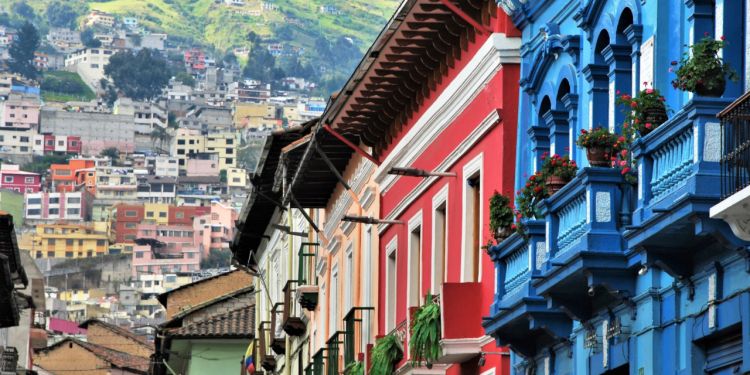
Accommodation in Quito
The capital of Ecuador beckons to you, understandably so: with contrasts between old and new creating a culture of its own, Quito spells out a rich, ...
Leisure, Culture & Things To Do
Quito offers remarkable cultural depth as Ecuador's first UNESCO World Heritage Site, designated in 1978 for its exceptionally preserved colonial historic center. The city hosts world-class museums, vibrant markets, diverse dining scenes, and serves as a gateway to some of South America's most spectacular natural landscapes. Weekend activities range from exploring baroque churches to hiking active volcanoes visible from the city.
Museums and Cultural Attractions
The Museo Nacional del Banco Central del Ecuador houses over 15,000 artifacts spanning pre-Columbian times to the present, including extensive gold, silver, ceramic, and textile collections. The Casa del Alabado Museum of Pre-Columbian Art showcases 5,000+ artifacts in a beautifully restored colonial mansion, with particularly strong representation of the Quitu-Cara culture. The Capilla del Hombre displays the powerful works of Ecuador's most famous artist, Oswaldo Guayasamín, focusing on human suffering and Latin American identity. The Fundación Iglesia de la Compañía represents one of South America's most ornate baroque churches, with lavish gold-leaf interiors and intricate Quiteño-colonial artwork. The Museo de la Ciudad chronicles Quito's evolution from founding to present day in a converted 16th-century hospital.
Parks and Outdoor Activities
Parque La Carolina spans over 160 acres in northern Quito, offering walking trails, sports fields, botanical gardens, and a vivarium. The park hosts weekend markets and provides space for cycling, jogging, and picnicking. Parque Metropolitano Guangüiltagua is South America's largest urban park, featuring extensive hiking trails with spectacular city views. TelefériQo cable car ascends Pichincha volcano to 4,050 meters, providing breathtaking vistas and access to high-altitude hiking trails. The Mitad del Mundo monument complex marks the equator line, featuring interactive science museums and cultural exhibits. Day trips to Cotopaxi National Park and Quilotoa Crater Lake offer dramatic volcanic landscapes and hiking opportunities within 2-3 hours of the city.
Dining and Nightlife
Quito's culinary scene reflects its multicultural population. La Floresta and La Carolina neighborhoods host diverse international restaurants serving Italian, Asian, Mediterranean, and fusion cuisine. The historic center features traditional Ecuadorian restaurants serving locro de papa (potato soup), ceviche, and hornado (roasted pork). La Mariscal, known as "Gringolandia," centers nightlife around Plaza Foch with numerous bars, clubs, and live music venues. González Suárez offers upscale dining with volcano views. Craft breweries and contemporary cocktail bars have emerged throughout northern neighborhoods. Weekend markets including Otavalo Market (2 hours north) provide shopping for textiles, handicrafts, and local products.
Events and Festivals
Fiestas de Quito in early December celebrates the city's founding with bullfights, concerts, street parties, and traditional dances. Inti Raymi in June marks the winter solstice with indigenous celebrations. The city hosts regular cultural events, concerts, and exhibitions at venues including the Centro Cultural Metropolitano and Teatro Nacional Sucre.
Sources: TripAdvisor, Quito Tour Bus
Daily Life
Daily life in Quito combines urban conveniences with Andean culture. The city operates at a slower pace than major North American or European capitals, with businesses typically closing for lunch between 1-3 PM. Quito's altitude requires an adjustment period of several days to a week, during which visitors should stay hydrated and avoid strenuous activity. The local currency is the US dollar, simplifying financial transactions for Americans while other nationalities benefit from stable exchange rates.
Transportation
The Quito Metro began commercial operations in December 2023, transforming urban mobility. Line 1 spans 22.6 kilometers with 15 stations connecting Quitumbe terminal in the south to El Labrador in the north. The metro transports up to 400,000 passengers daily, completing the full journey in approximately 34 minutes. Fares cost approximately $0.45 per trip. Five metro stations integrate with the existing Bus Rapid Transit (BRT) system, including the Trolebús, Ecovía, and Metrobús-Q corridors. These BRT lines charge $0.25 per ride and cover extensive routes throughout the city.
Taxis are yellow and metered, with typical fares ranging from $1.50 to $10 for trips within the city. Uber operates extensively in Quito, offering competitive rates and added safety features, though the service operates in a legal gray area. Most rides cost between $3-$8 for cross-town journeys. The city also maintains a bicycle-sharing program called Bici Q, and certain streets close to vehicle traffic on alternate Sundays for cycling and walking.
Lifestyle and Culture
Quito's residents are generally welcoming to expats, though learning Spanish significantly enhances daily interactions and cultural integration. The city's high altitude location at 2,850 meters means year-round spring-like weather, though mornings and evenings can be cool. The rainy season from February to May brings afternoon showers, but precipitation rarely disrupts daily activities. Markets throughout the city offer fresh local produce at very low costs, with weekly shopping easily accomplished for $20-$30. The almuerzo (set lunch) tradition provides soup, main course, juice, and sometimes dessert for $2.50-$4 at local restaurants. Safety precautions include avoiding displays of expensive electronics or jewelry, staying in well-populated areas after dark, and keeping copies of important documents rather than originals.
Sources: CAF Development Bank, Quito Metro
Cost of Living
Quito ranks among Latin America's most affordable capitals for expats, with living costs approximately 50-64% lower than major US cities. The city uses the US dollar, eliminating currency exchange concerns and providing financial predictability. Monthly expenses vary based on lifestyle choices, neighborhood selection, and family size, but most expats find they can maintain a comfortable standard of living on significantly less than they would spend in North America or Europe.
Monthly Expenses: Single Person
Expense Category | Monthly Cost (USD) |
Rent (1-bedroom, city center) | $450-$700 |
Utilities (electricity, water, gas, internet) | $60-$100 |
Groceries | $200-$300 |
Transportation (metro, buses, taxis) | $40-$80 |
Dining out (occasional) | $100-$200 |
Healthcare/insurance | $50-$100 |
Total | $900-$1,480 |
Monthly Expenses: Family of Four
Expense Category | Monthly Cost (USD) |
Rent (3-bedroom, city center/Cumbayá) | $900-$1,500 |
Utilities | $120-$180 |
Groceries | $500-$700 |
Transportation (vehicle or taxis/Uber) | $150-$300 |
International school fees (2 children) | $1,300-$2,500 |
Healthcare/insurance | $150-$300 |
Entertainment/activities | $200-$400 |
Total | $3,320-$5,880 |
Sources: Numbeo, Travel Pander
Additional Cost Notes
Restaurant meals at mid-range establishments cost $15-$30 for two people. Local markets offer significantly lower prices than supermarkets, with fresh produce, meats, and dairy products available at a fraction of Western costs. A full-time housekeeper costs approximately $280 per month. Gym memberships range from $30-$60 monthly. Cinema tickets cost around $5-$7. International school fees represent the largest expense for families with children, varying significantly by institution and grade level.
In short
Quito presents an exceptional opportunity for expats seeking urban sophistication combined with affordability and natural beauty. The city's modern metro system, quality international schools, accessible healthcare, and straightforward visa processes make relocation practical and appealing. Living costs remain 50-60% below major Western cities, while the US dollar currency eliminates exchange rate complications. The UNESCO World Heritage historic center, world-class museums, and gateway location to the Amazon, Galapagos, and Andean highlands provide endless exploration opportunities. Whether pursuing career opportunities, raising families, or retiring comfortably, Quito offers the infrastructure and lifestyle that international residents seek. Connect with others who've made the move and share experiences on the Expat.com Quito forum to make your transition as smooth as possible.
We do our best to provide accurate and up to date information. However, if you have noticed any inaccuracies in this content, please contact us.


Essential services for your expat journey