Living in Tenerife: the ultimate expat guide
Everything you need to know for a successful life in Tenerife.
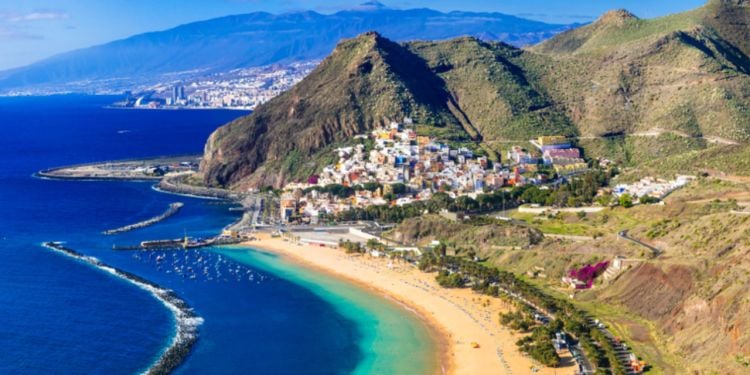
Tenerife is the largest of Spain's Canary Islands, located off the coast of northwestern Africa. With a population of approximately 955,000 residents, it offers a unique blend of European lifestyle and subtropical climate. The island spans 2,034 square kilometers and features dramatic landscapes ranging from volcanic peaks to lush forests and black sand beaches. As an autonomous Spanish territory, Tenerife operates under Spanish law while enjoying certain fiscal benefits, including a reduced IGIC tax rate of 7% instead of the mainland's 21% VAT.
Why Tenerife Attracts Newcomers
The island's appeal extends beyond its natural beauty. Tenerife hosts two international airports, modern healthcare facilities, and a well-developed infrastructure. The presence of the Universidad de La Laguna, founded in 1792, adds an academic dimension to island life. Santa Cruz de Tenerife serves as the capital, while historic San Cristóbal de La Laguna holds UNESCO World Heritage status.
5 Good Reasons to Move to Tenerife
- Year-round mild climate with average temperatures between 18°C and 25°C, earning it the nickname "Island of Eternal Spring."
- Lower cost of living compared to mainland Spain and most Western European countries, with reduced local taxes.
- Access to world-class natural sites including Teide National Park, a UNESCO World Heritage Site with Spain's highest peak at 3,718 meters.
- Strong international community with established support networks, international schools, and multilingual services.
- Excellent connectivity via two airports with direct flights to major European cities, North Africa, and beyond.
Working in Tenerife: Employment Opportunities and Regulations
Tenerife's economy revolves primarily around tourism and hospitality, which contributes approximately 75% of the island's gross domestic product. The sector employs tens of thousands across hotels, restaurants, entertainment venues, and tour operations. Beyond tourism, opportunities exist in healthcare, education, construction, retail, and agriculture, particularly in the cultivation of bananas and tomatoes.
Job Market Overview
The employment landscape in Tenerife has improved significantly. According to the Active Population Survey (EPA) from the National Institute of Statistics (INE), Tenerife recorded an unemployment rate of 12.61% in Q1 2025, the lowest in the Canary Islands archipelago. The island now has over 436,000 employed individuals, with 12,750 new jobs created in the past year. Youth unemployment has also decreased, standing at 18.56% for those under 25, well below the regional average.
Work Permits and Regulations
EU citizens can work in Tenerife freely but must register for a Certificado de Registro de Ciudadano de la UE (green NIE certificate) if staying beyond 90 days. Non-EU citizens require a residence and work permit, which must be sponsored by an employer. The employer must first obtain work authorization from the Provincial Aliens Affairs Office, typically by demonstrating the position is on the Shortage Occupations List or that no suitable local candidate exists. Remote workers may apply for Spain's Digital Nomad Visa, introduced in 2023, which allows non-EU citizens to work remotely from Spain.
The following table summarizes key employment indicators for Tenerife:
Unemployment Rate (Q1 2025) | 12.61% |
Average Annual Salary (Canary Islands) | EUR 23,097 |
Key Employment Sectors | Tourism, Hospitality, Healthcare, Retail, Construction |
Sources: INE (Instituto Nacional de Estadística), ISTAC (Instituto Canario de Estadística)
Working in Tenerife
Are you looking for a job in Tenerife? While there are certainly opportunities, especially for fluent Spanish speakers, the island's job market ...
Higher Education in Tenerife: Universities and Programs
Tenerife hosts the Universidad de La Laguna (ULL), the oldest and most prestigious university in the Canary Islands. Founded in 1792 by royal decree of King Charles IV, ULL has over 200 years of academic tradition and currently enrolls approximately 20,000 students, including around 400 international students from 20 countries.
Academic Programs and Campuses
ULL offers 45 undergraduate degrees, 30 official master's programs, and 52 doctoral programs across various disciplines including sciences, humanities, law, engineering, and health sciences. The university operates across multiple campuses in San Cristóbal de La Laguna (Central, Anchieta, Guajara, and Ofra) and has additional centers in Santa Cruz de Tenerife. Instruction is primarily in Spanish, though some programs offer courses in English. Students can prove their Spanish proficiency through recognized certificates; a minimum of B1 level is typically required for non-native speakers.
Admission and Fees
EU and non-EU students follow different admission procedures. Local and EU students must pass the Spanish university entrance exam (EBAU or Selectividad). International students from outside the EU must have their high school diploma validated as equivalent to the Spanish Bachillerato. Applications typically open between May and July. Tuition fees at Spanish public universities are among the lowest in Europe. At ULL, undergraduate fees range from approximately EUR 700 to EUR 1,200 per year for EU students, while non-EU students may pay higher rates depending on the program. Scholarships and financial aid are available based on academic merit and financial need.
Sources: Universidad de La Laguna Official Website, Spanish Ministry of Education
Retiring in Tenerife: A Warm Welcome Awaits
Tenerife has long been a favored retirement destination, thanks to its mild year-round climate, affordable living costs, and excellent healthcare. The island hosts a well-established community of retirees from across Europe, North America, and beyond, supported by English-speaking services and social networks.
Visa Options for Retirees
Non-EU retirees typically use Spain's Non-Lucrative Visa (NLV), which permits residence without employment. For 2025, applicants must demonstrate passive income of at least EUR 2,400/month (EUR 28,800/year) for the main applicant, plus EUR 600/month (EUR 7,200/year) for each dependent. These figures are based on 400% of Spain's IPREM indicator. Acceptable income sources include pensions, rental income, dividends, annuities, and savings. Applicants must also provide proof of comprehensive health insurance covering Spain, a clean criminal record, and a medical certificate. The initial visa is valid for one year, renewable for two additional two-year periods, after which permanent residency can be applied for.
Healthcare for Retirees
Spain's public healthcare system is highly rated and accessible to legal residents who contribute to Social Security. Retirees from the UK with a state pension can use their S1 form to access Spanish public healthcare. Others must obtain private health insurance for the visa application; policies specifically designed for NLV applicants typically cost EUR 50 to EUR 200/month depending on age and coverage. Tenerife has well-equipped hospitals including Hospital Universitario de Canarias in La Laguna and Hospital del Sur in Arona, plus private options like Hospiten Rambla with English-speaking staff.
Lifestyle and Community
Popular retirement areas include Los Cristianos (known for accessibility and services), Puerto de la Cruz (peaceful northern charm), and Costa Adeje (upscale beach living). Many retirees appreciate the low crime rate, outdoor lifestyle, and the ability to enjoy golf, walking, and water activities year-round. Social clubs, English-language churches, and volunteer organizations help newcomers integrate.
Sources: Spanish Ministry of Foreign Affairs, Spanish Social Security
Schools for Children: Education Options in Tenerife
Families moving to Tenerife can choose from public, semi-private (concertado), and private schools. Spain has a well-structured education system with compulsory schooling from ages 6 to 16, covering Primary Education (Educación Primaria, ages 6-12) and Compulsory Secondary Education (ESO, ages 12-16). Pre-school (Educación Infantil) for ages 3-6 is free and widely available but not mandatory.
Public and Semi-Private Schools
Public schools in Tenerife are free for residents and follow the Spanish national curriculum, with instruction in Spanish. Enrollment is based on catchment areas, so your address determines which school your child attends. Concertado schools are semi-private institutions, often run by religious organizations, that receive government funding while charging monthly fees of approximately EUR 250 to EUR 300. These schools follow the Spanish curriculum but may offer additional resources. Places at popular concertados fill quickly, so early application is recommended.
International and British Schools
Tenerife has several international schools offering British, German, French, and American curricula. Key options include:
- British School of Tenerife (BST) – Campuses in La Orotava and Los Realejos, offering British curriculum from ages 2-18. Annual fees range from approximately EUR 4,000 to EUR 7,200 depending on age group.
- Wingate School – Located in the south (Cabo Blanco), rated "Outstanding" by British school inspectors. Fees start around EUR 5,500 annually for primary students.
- Costa Adeje International School – Offers American and Spanish curricula with fees ranging from EUR 3,130 to EUR 6,190 per year.
- Deutsche Schule Santa Cruz de Tenerife – German international school preparing students for both German Abitur and Spanish university entrance.
Sources: International Schools Database, Canary Islands Education Department
Housing in Tenerife: Neighborhoods and Rental Market
Finding accommodation in Tenerife requires understanding the island's distinct regions. The north tends to be greener, slightly cooler, and more traditionally Canarian, while the south is sunnier, drier, and more tourist-oriented. Rental prices vary significantly based on location, with tourist hotspots commanding premium rates.
Popular Areas for Newcomers
Santa Cruz de Tenerife, the island's capital, offers an urban lifestyle with museums, theaters, shopping, and the famous annual Carnival. It appeals to professionals seeking city amenities. San Cristóbal de La Laguna, a UNESCO World Heritage Site, attracts academics and families with its colonial architecture, university atmosphere, and slightly lower rents than the capital. Puerto de la Cruz on the north coast combines historical charm with botanical gardens and a laid-back vibe, popular among long-term residents. In the south, Costa Adeje and Los Cristianos cater to those preferring beach access and a more international environment, though prices are higher due to tourism demand.
Rental Prices and Procedures
Rental contracts in Spain typically require a one-month deposit (fianza) plus the first month's rent. Long-term leases offer better rates than short-term tourist rentals. The following table shows average monthly rents based on Numbeo data for Santa Cruz de Tenerife:
1-bedroom apartment (city center) | EUR 986/month |
1-bedroom apartment (outside center) | EUR 833/month |
3-bedroom apartment (city center) | EUR 1,400/month |
3-bedroom apartment (outside center) | EUR 1,133/month |

Accommodation in Tenerife
Tenerife is the largest and most populous of the seven Canary Islands, a Spanish archipelago in the Atlantic Ocean that is geographically closer to ...
Leisure and Culture: Things to Do in Tenerife
Tenerife offers an exceptional range of cultural, outdoor, and entertainment activities year-round. The island's diverse geography and rich heritage create opportunities for everyone, from nature enthusiasts to history buffs and families seeking fun.
Nature and Outdoor Activities
Teide National Park, a UNESCO World Heritage Site, dominates the island's center. Spain's highest peak at 3,718 meters offers hiking trails, cable car rides, and stargazing experiences. The park attracts over 4 million visitors annually. Beyond Teide, the Anaga Rural Park features ancient laurel forests and dramatic coastal views, while Los Gigantes cliffs rise 600 meters from the sea. Water activities abound, including whale and dolphin watching (the waters between Tenerife and La Gomera host resident populations), surfing at El Médano, and swimming in the natural volcanic pools of Garachico.
Culture, Museums, and Events
The Carnival of Santa Cruz de Tenerife, held each February, ranks among the world's largest and has been declared a UNESCO Intangible Cultural Heritage event. The 2025 edition runs from January 31 to March 9 under the theme "Secrets of Africa." Beyond Carnival, cultural highlights include the Auditorio de Tenerife (a striking concert hall designed by Santiago Calatrava), the Museum of Nature and Man showcasing Guanche mummies and artifacts, and the TEA Tenerife Espacio de las Artes contemporary art center. Historic La Laguna offers colonial architecture and the Casa de los Capitanes Generales.
Family Entertainment and Nightlife
Loro Parque in Puerto de la Cruz and Siam Park in Costa Adeje consistently rank among Europe's best theme and water parks. Wine enthusiasts can explore the Tacoronte-Acentejo wine region with its volcanic terroir. Nightlife centers on Playa de las Américas in the south and the university town of La Laguna in the north, while local guachinches (traditional taverns) offer authentic Canarian food and wine at modest prices.
Sources: Tenerife Tourism, Teide National Park, UNESCO
Daily Life in Tenerife: Transportation and Lifestyle
Adjusting to daily life in Tenerife involves understanding local rhythms, transportation options, and cultural habits. The island operates on a relaxed pace, with shops often closing for siesta between 2:00 PM and 5:00 PM. Dinner is typically served late, from 8:00 PM onwards, reflecting broader Spanish customs.
Getting Around: Public Transport
Tenerife has an efficient public transportation network operated by TITSA (Transportes Interurbanos de Tenerife). The island's green buses, locally called "guaguas" (pronounced "wah-wahs"), connect all major towns, resorts, and airports. Bus fares range from EUR 1.50 to EUR 10 depending on distance. The Ten+ rechargeable card (EUR 2 for the card, then load credit) offers discounts of 30-50% and works on both buses and the tram. A modern tramway (Tranvía) links Santa Cruz de Tenerife with La Laguna, running every 5-15 minutes with fares starting at EUR 1.05 using Ten+ or EUR 1.35 cash. Notably, Canary Islands residents can access free public transport in 2025, thanks to a national subsidy program for frequent users.
Driving and Other Options
Many residents find a car useful for exploring the island's diverse landscapes. International driving licenses are valid for tourists, while residents should exchange their license for a Spanish one within six months. Taxis are available with flag fall around EUR 3.15 (daytime) and EUR 1.10-1.26 per kilometer. Ride-hailing apps are limited; phone booking remains common. Cycling infrastructure is developing, particularly in urban areas and along the coast.
Practical Considerations
Utilities in Tenerife cost approximately EUR 86/month for a standard apartment (electricity, water, garbage). Internet (fiber optic, 60+ Mbps) averages EUR 25/month, and mobile plans with 10GB+ data cost around EUR 20/month. Supermarket chains like Mercadona, Lidl, and HiperDino offer affordable groceries, while local markets provide fresh produce.
Sources: TITSA Official Website, Metro Tenerife, Numbeo
Cost of Living in Tenerife: Budget Planning
Tenerife offers a lower cost of living compared to mainland Spain and most Western European countries. The island benefits from IGIC (Impuesto General Indirecto Canario) at 7% instead of the standard Spanish VAT of 21%, making many goods and services more affordable. Monthly expenses depend largely on lifestyle, accommodation location, and family size.
Single Person Monthly Budget
A single person can expect to spend between EUR 1,200 and EUR 1,800 per month excluding rent for a comfortable lifestyle. The table below provides a detailed breakdown:
Expense Category | Monthly Cost (EUR) | Notes |
Rent (1-bed, city center) | EUR 986 | Lower outside center |
Utilities | EUR 86 | Electricity, water, garbage |
Groceries | EUR 200-300 | Supermarket shopping |
Transport (monthly pass) | EUR 19-30 | Free for residents (2025) |
Internet + Mobile | EUR 45 | Fiber + 10GB data plan |
Dining out (occasional) | EUR 100-150 | Mid-range restaurants |
Health insurance | EUR 50-150 | Private; public free for workers |
Family of Four Monthly Budget
A family of four will need approximately EUR 2,500 to EUR 3,500 per month excluding rent. Key additional costs include:
Expense Category | Monthly Cost (EUR) | Notes |
Rent (3-bed, city center) | EUR 1,400 | EUR 1,133 outside center |
Utilities | EUR 100-120 | Larger apartment |
Groceries | EUR 500-700 | Family shopping |
International school (2 children) | EUR 800-1,200 | Public schools free |
Childcare/Preschool | EUR 300 | Private; public free from age 3 |
Family health insurance | EUR 150-300 | Private coverage |
Leisure/Entertainment | EUR 200-300 | Activities, outings |
Sources: Numbeo (2025), INE
In Short
Tenerife offers a compelling combination of year-round sunshine, affordable living, and diverse opportunities for professionals, families, and retirees alike. The island's infrastructure has matured significantly, with modern healthcare, international schools, and reliable public transport. Whether you're drawn by the majestic Teide volcano, the UNESCO-listed streets of La Laguna, or simply the prospect of a more relaxed pace of life, Tenerife delivers on its promise. The welcoming local community and established network of fellow newcomers make the transition smoother. Spanish remains essential for deeper integration, but English is widely spoken in key areas. Ready to take the next step? Join the Expat.com Tenerife forum to connect with others who have made the move, ask questions, and share experiences with your future neighbors.
We do our best to provide accurate and up to date information. However, if you have noticed any inaccuracies in this content, please contact us.


Essential services for your expat journey