

Living in Esbjerg: the ultimate expat guide
Everything you need to know for a successful life in Esbjerg.
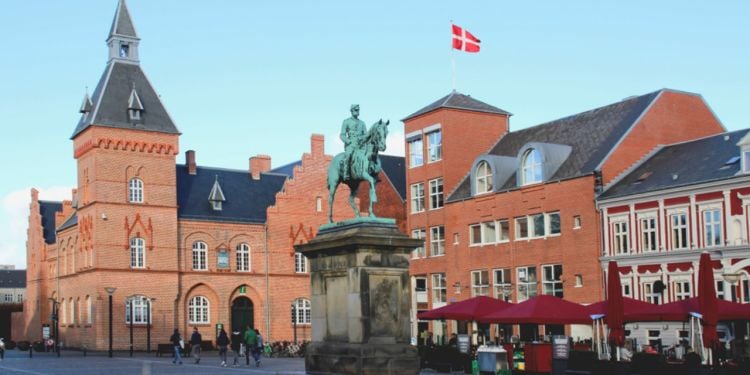
Esbjerg is Denmark's fifth-largest city and the maritime gateway to the North Sea, located on the western coast of Jutland. With a population of approximately 73,000 residents, this modern port city has transformed from a humble fishing village established in 1868 into Denmark's energy capital. Today, Esbjerg serves as the main hub for the country's offshore oil, gas, and wind energy operations, attracting international companies like Maersk, Schlumberger, and Halliburton. The city's strategic location by the Wadden Sea National Park, a UNESCO World Heritage Site, offers residents a unique blend of industrial dynamism and natural beauty, making it an attractive destination for expats seeking career opportunities in the energy sector while enjoying a high quality of life.
5 Good Reasons to Move to Esbjerg
- Thriving Energy Sector: Esbjerg is Denmark's offshore energy capital, home to over 200 companies in oil, gas, and renewable energy, offering excellent career prospects in a growing industry.
- Affordable Living Costs: Compared to Copenhagen and other major Danish cities, Esbjerg offers significantly lower housing costs and a more affordable cost of living while maintaining high Danish standards.
- International Community: With a well-established international school and a diverse expat population working in the energy sector, newcomers find it easy to integrate and build social networks.
- Natural Environment: Direct access to the North Sea, pristine beaches, and the Wadden Sea National Park provides endless opportunities for outdoor activities, from coastal walks to bird watching.
- Strategic Location: Excellent transport connections to major Danish cities, with direct trains to Copenhagen, Aarhus, and Aalborg, plus ferry services to international destinations make travel convenient.
Working in Esbjerg
Esbjerg's economy is deeply rooted in its maritime heritage and offshore energy sector, making it one of Denmark's most important industrial hubs. The city has successfully transitioned from a traditional fishing port to become the epicenter of Denmark's offshore industry, handling approximately 65% of all Danish wind turbines and serving as a logistics hub for North Sea operations. This transformation has created diverse employment opportunities for both skilled and highly qualified professionals, particularly in engineering, logistics, maritime operations, and renewable energy technologies.
Key Industries and Employment Opportunities
The dominant sectors in Esbjerg include offshore wind energy, oil and gas services, maritime logistics, shipping, and port operations. Major employers include international energy companies such as Maersk, Ramboll, Schlumberger, Halliburton, ABB, and COWI, all maintaining significant operations in the city. The recent expansion of port facilities in May 2025, adding 570,000 square meters of new capacity, demonstrates the continued growth potential in the sector. Beyond energy, the city also offers opportunities in public administration, healthcare, education, and retail services. The local labor market benefits from Denmark's flexicurity model, which combines flexible hiring practices with strong social security nets, making it relatively easy for employers to recruit international talent while providing workers with comprehensive protection.
Work Permits and Requirements
Citizens of Nordic countries (Finland, Iceland, Norway, Sweden) can work in Denmark without any permit or visa and enjoy full freedom of movement. EU, EEA, and Swiss citizens can also start working immediately but must apply for an EU registration certificate through the Danish Agency for International Recruitment and Integration (SIRI) within three months of arrival. Non-EU/EEA citizens require a residence and work permit before starting employment. The most common schemes include the Pay Limit Scheme (requiring a minimum annual salary of approximately DKK 465,000 in 2025), the Positive List Scheme (for occupations with skill shortages), and the Fast-Track Scheme (for certified companies). Processing times typically range from 30 to 90 days, with application fees around DKK 4,405. Detailed information and applications can be submitted through New to Denmark.
Employment Market Overview
Denmark maintains one of Europe's lowest unemployment rates, currently at approximately 2.6% nationally, with similar figures in the Esbjerg region. The employment rate stands at 69.4%, reflecting a highly active workforce. For expats, English proficiency is generally sufficient in the energy sector and international companies, though learning Danish significantly enhances career prospects and social integration. Average working hours in Denmark are 37 hours per week, with a strong emphasis on work-life balance. The country's comprehensive welfare system includes five weeks of annual paid vacation, generous parental leave, unemployment insurance, and free healthcare, making it one of the world's most employee-friendly environments.
Indicator | Value | Source/Year |
Unemployment Rate (National) | 2.6% | Statistics Denmark, 2025 |
Average Gross Monthly Salary (National) | DKK 51,675 | Statistics Denmark, 2025 |
Average Net Monthly Salary (Esbjerg) | DKK 33,667 | Numbeo, 2025 |
Key Sectors | Offshore Energy, Maritime, Logistics, Port Operations | Business Esbjerg, 2025 |
Sources: Statistics Denmark, Numbeo

Working in Esbjerg
The city of Esbjerg is located on the southwest coast of Denmark. It is a flourishing port city and the second largest after Aarhus. Expats looking ...
Higher Education & Universities
Esbjerg offers quality higher education through several well-established institutions, making it an attractive destination for both international students and professionals seeking to advance their qualifications. The city hosts a campus of the University of Southern Denmark (SDU), one of Denmark's leading universities ranked among the world's top 50 young universities. With approximately 27,000 students across all campuses and nearly 20% international enrollment, SDU provides a truly global learning environment. Esbjerg's academic institutions are closely integrated with the local energy industry, offering practical, industry-relevant programs that enhance graduate employability in the thriving offshore sector.
University of Southern Denmark - Esbjerg Campus
The SDU Esbjerg Campus is located in a modern facility in the Guldager area, approximately 10 minutes north of the city center. The campus specializes in programs aligned with the region's maritime and energy economy, offering both bachelor's and master's degrees in fields such as Maritime Archaeology, Cultural Sociology, Economics and Business Administration (with specializations in Marketing, Social Media, and Digitalization), and Global Logistics and Supply Chain Management. Many programs are taught entirely in English, facilitating access for international students. The campus features modern classrooms, laboratories, study spaces, and shares facilities with other higher education institutions, creating a vibrant and diverse student community. Tuition fees for non-EU/EEA students range from approximately EUR 4,250 per semester (around DKK 31,700), while EU/EEA citizens study for free. More information can be found at SDU official website.
University College South Denmark (UC SYD)
UC SYD operates from its Esbjerg campus, offering professionally oriented bachelor's degree programs spanning Educational Sciences, Health Sciences, Social Sciences, and Communication Sciences. The institution emphasizes practical application through integrated internships and close collaboration with local industries. Programs include two-year academy profession degrees in automation, maritime logistics, and process technology, incorporating Global Wind Organisation (GWO) safety certifications essential for offshore work. With over 6,500 students and partnerships with regional energy companies, UC SYD provides pathways directly into Esbjerg's key industries. The institution welcomes international students and offers comprehensive support services. Detailed program information is available at UC SYD website.
Research and Innovation
Esbjerg's higher education institutions actively contribute to regional development through applied research. The Centre for Fisheries and Aquaculture Management and Economics (FAME), affiliated with SDU, conducts research on sustainable fisheries management in collaboration with the University of Copenhagen and Technical University of Denmark. The Esbjerg Energy Section at Aalborg University focuses on offshore wind turbine technologies, automation, and renewable energy integration. Port Esbjerg's Innovation Hub, launched in October 2025, serves as a collaborative platform connecting academia, industry, and technology developers. Collectively, Esbjerg's six higher education providers offer approximately 60 programs, supporting an estimated 15,000 regional energy jobs. These institutions' emphasis on industry partnerships ensures graduates are well-prepared for the specialized requirements of the offshore sector, making Esbjerg an excellent location for career-focused higher education.
Schooling for Children
Families moving to Esbjerg have access to quality education options that cater to both local and international communities. Denmark's education system is renowned for its high standards, innovative teaching methods, and strong focus on student well-being and development. The city offers both Danish public schools and international alternatives, ensuring expatriate families can choose the option that best suits their children's needs and future educational plans. All children residing in Denmark have the right to free education, and the system is designed to prepare students for active citizenship in a democratic society while fostering individual talents and abilities.
Esbjerg International School
The Esbjerg International School (EIS) is the primary option for expatriate families seeking English-language education. Located at Guldager Skolevej 4 in Esbjerg West, EIS serves over 290 students aged 3 to 17 representing more than 50 nationalities. The school is an authorized International Baccalaureate (IB) World School, offering the Primary Years Programme (PYP) for ages 5-10, the Middle Years Programme (MYP) for ages 11-16, and preparing students for the IB Diploma Programme. The school follows a student-centered approach based on three core principles: Engage, Learn, and Reflect. With a student-teacher ratio of 1:15 in lower primary and 1:20 in upper primary and secondary, EIS provides personalized attention in a multicultural environment. The campus features modern facilities including well-equipped classrooms, a gymnasium, science laboratories, computer lab, library, sports fields, and extensive green spaces totaling 33,200 square meters. Annual tuition fees are approximately DKK 48,348 per year, which is relatively affordable compared to international schools in other major cities.
Danish Public Schools (Folkeskole)
The Folkeskole system provides free, comprehensive education for all children in Denmark from ages 6 to 16, covering both primary and lower secondary levels. The system consists of one year of pre-school class (kindergarten), nine compulsory years of schooling, and an optional 10th form. Education emphasizes not only academic knowledge but also social skills, creativity, and democratic participation. Class sizes are generally small, with strong teacher-student relationships. Subjects include Danish, mathematics, English (from grade 1), science, social studies, physical education, arts, and music. Schools offer Danish as a Second Language (DSL) support for children who don't speak Danish at home, helping them integrate linguistically and academically. While instruction is in Danish, many Esbjerg schools have experience with international families due to the city's energy sector. The Bohr Fourfeldtskolen offers an international line for grades 7-9 with enhanced English instruction and an international outlook. Public schools also provide after-school programs (SFO) for younger children, typically until 17:00, which many working families find essential. More information about Esbjerg's public schools can be obtained through the municipality website at esbjerg.eu.
Childcare and Early Years
Childcare in Denmark is well-organized and highly accessible. Private preschool or kindergarten fees in Esbjerg average around DKK 3,167 per month according to Numbeo data. However, public daycare is heavily subsidized, with families typically paying around 25-30% of the actual cost, making it very affordable. Options include family daycare for infants (6 months to 3 years), nurseries (vuggestuer) for ages 0-3, kindergartens (børnehaver) for ages 3-6, and age-integrated institutions serving children from 6 months to 6 years. All children with parents legally residing in Denmark are guaranteed a childcare place, and the quality of care is consistently high with trained staff and strong pedagogical approaches. The Danish childcare system emphasizes outdoor activities, social development, and play-based learning, reflecting the country's values of equality, independence, and child-centered development. New residents should register for childcare as early as possible through the local municipality to secure their preferred placement.
Housing & Neighbourhoods
Finding suitable housing in Esbjerg is generally more straightforward and affordable than in Denmark's larger cities, though the process still requires some planning and familiarity with the Danish rental market. The city offers a variety of housing options, from modern apartments in the city center to spacious family homes in suburban neighborhoods. Esbjerg's housing market benefits from its smaller size and lower demand compared to Copenhagen or Aarhus, resulting in more reasonable prices and greater availability. Most expats working in the energy sector find accommodation within a few weeks, especially when utilizing the resources provided by their employers or the municipality.
Rental Market and Average Costs
The rental market in Esbjerg is active and relatively accessible. According to Numbeo data (2025), a one-bedroom apartment in the city center costs approximately DKK 6,689 per month, though prices can range from DKK 4,000 to DKK 12,000 depending on quality and exact location. A one-bedroom apartment outside the center averages around DKK 3,333 per month (range: DKK 2,500-4,500). For families, a three-bedroom apartment in the city center costs approximately DKK 7,833 monthly (range: DKK 6,500-9,000), while outside the center it averages DKK 6,167 (range: DKK 5,500-7,000). These figures are significantly lower than Copenhagen, where a one-bedroom in the center exceeds DKK 10,000. Most rental properties are unfurnished, though furnished options exist at a premium. Rental contracts typically require a three-month deposit plus the first month's rent upfront. It's important to note that Denmark has strong tenant protection laws, and rental agreements should be reviewed carefully. Utilities (electricity, heating, water, garbage) for an 85-square-meter apartment average around DKK 1,630 per month, with internet costing approximately DKK 300 monthly.
Popular Neighborhoods for Expats
Guldager is particularly popular among international families, being home to the Esbjerg International School and offering a quiet, semi-rural environment with good facilities. The area features modern housing developments and is approximately 10 minutes north of the city center by car. Esbjerg City Center provides convenient access to shops, restaurants, cultural venues, and public transport, making it ideal for singles or couples who prefer an urban lifestyle. Hjerting, located along the coast north of the city, offers beautiful seaside views and beach access, attracting those who value proximity to nature and outdoor recreation. The neighborhood is connected to downtown by bus and features a mix of traditional Danish homes and newer constructions. Sædding Beach area, where the famous "Man Meets the Sea" sculpture stands, provides coastal living with relatively affordable housing and easy access to recreational areas. For those seeking maximum convenience, neighborhoods within walking or cycling distance of the Port of Esbjerg are practical for professionals working in maritime or energy companies. Each area offers excellent access to schools, shopping, and healthcare, reflecting Denmark's commitment to equitable urban planning.
Finding Accommodation
The most effective platforms for finding rental housing in Denmark include BoligPortal, Lejebolig, and Akutbolig. These require registration and small fees but provide comprehensive listings. Facebook groups dedicated to housing in Esbjerg can also be helpful. Many international companies assist with temporary housing during the relocation period. New arrivals to Esbjerg Municipality can benefit from practical support programs; for instance, newcomers receive a free two-month travel card for public transport, helping them explore different neighborhoods before making final housing decisions. Once accommodation is secured, residents must register their address with the Civil Registration System (CPR) to obtain a CPR number, which is essential for accessing healthcare, banking, and other services. The municipality's International Citizen Service provides assistance with paperwork and registration processes. Purchasing property is also an option for long-term residents, with prices per square foot ranging from DKK 1,672 in the city center to DKK 1,239 outside, making homeownership relatively accessible compared to other Danish cities.
Accommodation in Esbjerg
Located on Denmark's southwest coast, Esbjerg is a hub of activity for international oil, offshore, and energy activities. The city has ...
Leisure, Culture & Things To Do
Despite its industrial character, Esbjerg offers a rich cultural scene and abundant recreational opportunities that reflect both its maritime heritage and its commitment to quality of life. The city's location on the North Sea coast provides exceptional access to natural beauty, while its museums, theaters, and cultural institutions offer year-round entertainment. Esbjerg's proximity to the Wadden Sea National Park, a UNESCO World Heritage Site, makes it a paradise for nature enthusiasts, while its growing arts scene and modern amenities ensure there's always something to discover, regardless of season or personal interests.
Museums and Cultural Attractions
The Fisheries and Maritime Museum (Fiskeri- og Søfartsmuseet) is Esbjerg's flagship cultural institution, opened in 1968. It features comprehensive exhibits on Denmark's fishing industry, maritime history, and the evolution of Esbjerg from a small fishing village to an energy metropolis. The museum houses an impressive aquarium with local marine life, including seals, with daily feeding shows that are popular with families. The outdoor area displays historic vessels and maritime equipment. Located at Tarphagevej 2, admission costs approximately DKK 165 for adults. Website: fimus.dk. The Esbjerg Art Museum, situated in the city park next to the iconic water tower, showcases modern and contemporary art with a focus on Danish artists. The museum is known for its experimental approach and houses works by Svend Wiig Hansen, creator of Esbjerg's famous "Man Meets the Sea" sculpture. The museum offers interactive installations and rotating exhibitions. Esbjerg Museum presents the city's social history through reconstructed streets and buildings from 1900-1950, providing insight into daily life during Esbjerg's rapid growth period. A special exhibition covers the German occupation during World War II. The Wadden Sea Centre (Vadehavscentret), located about 40 km south in Ribe, features spectacular architecture and exhibits explaining the unique ecosystem of the Wadden Sea, with opportunities to join guided tours to observe seals, birds, and mudflat life. Entry costs approximately DKK 135.
Iconic Landmarks and Outdoor Activities
The "Man Meets the Sea" (Mennesket ved Havet) sculpture by Svend Wiig Hansen is Esbjerg's most recognizable landmark. These four massive 9-meter-tall white concrete figures stand at Sædding Beach, gazing out over the North Sea. Erected in 1995 for the city's 100th anniversary, they're visible from up to 10 km away and have become a symbol of Esbjerg. The surrounding beach area is perfect for walks, and parking is available nearby. The Wadden Sea National Park, Denmark's largest nature reserve and a UNESCO World Heritage Site, offers unparalleled opportunities for nature experiences. The vast tidal flats attract millions of migratory birds, and guided oyster safaris, seal watching tours, and mudflat hiking are popular activities. The unique landscape changes dramatically with the tides, creating an ever-shifting environment. Fanø Island, accessible by a 12-minute ferry ride from Esbjerg, is a beloved destination for weekend getaways. The island features long, wide beaches perfect for kitesurfing, picturesque villages with traditional thatched-roof houses, and excellent cycling routes. The annual Fanø Kite Festival attracts international participants. Marbæk Plantation offers hiking and mountain biking trails through scenic forests and heathlands, while Esbjerg Golf Club operates two 18-hole courses in the national park setting.
Performing Arts and Entertainment
Musikhuset Esbjerg (Esbjerg Performing Arts Centre) is the region's main cultural venue, hosting over 150 events annually including theater performances, concerts, opera, ballet, musicals, and comedy shows. The building also houses the Esbjerg Art Museum. Esbjerg Ensemble, founded in 1967 as Denmark's first professional chamber music ensemble, performs classical and contemporary works throughout the year. The group consists of 10 skilled musicians from around the world. Esbjerg Theatre (Esbjerg Teater) presents both Danish and international productions, while Esbjerg Children and Youth Theatre offers two major productions annually. For cinema, mainstream and art-house films are shown at local theaters. The city center features a variety of bars, cafes, and restaurants around Torvet (the main square), offering both Danish and international cuisine. Popular spots include traditional Danish restaurants serving fresh seafood, Italian bistros, and modern fusion establishments. Bramming, a nearby town, is home to Kosmorama, one of Denmark's oldest cinemas housed in a historic building, which also hosts concerts and cultural events. Esbjerg's cultural calendar includes various festivals throughout the year, celebrating everything from music and food to maritime heritage. The city's commitment to arts and culture, combined with its natural surroundings, ensures that residents and visitors always have engaging ways to spend their leisure time, whether seeking quiet contemplation by the sea or vibrant cultural experiences in the heart of the city.
Daily Life
Daily life in Esbjerg offers a distinctly Danish experience characterized by efficient public services, a strong sense of community, and excellent work-life balance. The city's manageable size means that most amenities are easily accessible, whether by bicycle, public transport, or car. Esbjerg's coastal location and proximity to natural areas provide residents with ample opportunities for outdoor activities year-round, while the city's industrial heritage and modern development create a practical, no-nonsense atmosphere. The climate is oceanic with mild winters (averaging 2-4°C) and moderate summers (around 20°C), with frequent winds from the North Sea and considerable rainfall throughout the year, making waterproof clothing essential.
Transportation and Getting Around
Esbjerg's public transportation is managed by Sydtrafik, which operates an extensive network of city and regional bus routes connecting all major neighborhoods and surrounding municipalities. A single bus ticket costs DKK 25 (approximately 2 zones), while a monthly pass costs around DKK 1,250, providing unlimited travel within the Esbjerg area. The Rejseplanen app and website is essential for planning journeys and purchasing digital tickets. Newcomers to Esbjerg Municipality receive a complimentary Rejsekort (travel card) valid for two months of free bus and local train travel within Southern Denmark, including the Esbjerg-Varde and Esbjerg-Ribe lines. Train services operated by DSB and GoCollective connect Esbjerg to major cities: Copenhagen (3 hours), Aarhus (2.5 hours), and Aalborg (3 hours). Ferry services from Esbjerg Port provide access to Fanø Island (12 minutes) and international destinations. Cycling is extremely popular, with dedicated bike lanes throughout the city making it safe and convenient. Many residents bike year-round, regardless of weather. Taxis are available but expensive, with a starting fare of DKK 60 and approximately DKK 27 per mile. Esbjerg Airport, located south of the city, offers limited domestic flights and connections to Norway. For international travel, Billund Airport (1 hour away) provides extensive European connections.
Lifestyle and Cultural Habits
Danish culture emphasizes equality, informality, and work-life balance. Punctuality is highly valued, and most Danes prefer direct, honest communication. The concept of "hygge" (coziness and togetherness) is central to social life, especially during darker winter months when people gather in warm, candlelit environments. Esbjerg residents are generally friendly but reserved, and it may take time to develop close friendships. Joining clubs, associations, or sports teams is an excellent way to meet locals and integrate into the community. The city has an active cultural scene with theaters, concerts, and community events throughout the year. Grocery shopping is convenient with major supermarket chains including Føtex, Bilka, Netto, Rema 1000, and Lidl located throughout the city. Most shops close by 18:00-20:00 on weekdays and have limited Sunday hours. Healthcare is excellent and free for residents with a CPR number; everyone is assigned a general practitioner (GP) and must contact them for non-emergency medical issues before accessing specialists. The main library (Esbjerg Bibliotek) serves as a community hub offering not just books but also events, workshops, language cafes, and children's activities. Banking is largely digital, with services from Danske Bank, Jyske Bank, and Sydbank available both online and in-person. English is widely spoken in official contexts, shops, and restaurants, though learning Danish greatly enhances daily life and shows respect for local culture. Free Danish language courses are often available through municipal programs for newcomers, and taking advantage of these is highly recommended for long-term integration.
Cost of Living
Esbjerg offers a more affordable cost of living compared to Copenhagen and other major Danish cities, while still maintaining the high quality of life Denmark is known for. Although prices are higher than many other European countries, salaries are correspondingly robust, and the comprehensive social services (free healthcare, education, generous parental leave) mean that disposable income often stretches further than raw numbers might suggest. The following tables present realistic monthly budget estimates based on Numbeo data (2025) and local sources, helping prospective residents understand the financial requirements of living in Esbjerg.
Monthly Budget for a Single Person
Expense Category | Estimated Monthly Cost (DKK) |
Rent (1-bedroom apartment outside center) | 3,333 |
Utilities (electricity, heating, water, garbage) | 1,630 |
Internet and mobile phone | 407 |
Groceries and food | 2,500 |
Public transportation (monthly pass) | 1,250 |
Dining out and entertainment (moderate) | 1,500 |
Fitness club membership | 250 |
Personal care and miscellaneous | 800 |
Total Monthly Cost | 11,670 |
Note: This excludes income taxes. With average net salary of DKK 33,667 in Esbjerg, a single person can live comfortably with savings potential.
Monthly Budget for a Family of Four
Expense Category | Estimated Monthly Cost (DKK) |
Rent (3-bedroom apartment outside center) | 6,167 |
Utilities (electricity, heating, water, garbage) | 2,200 |
Internet and mobile phones (family plan) | 550 |
Groceries and food | 6,000 |
Transportation (car expenses, insurance, fuel) | 3,500 |
Childcare/preschool (1 child, subsidized) | 3,167 |
International school (1 child, annual DKK 48,348 ÷ 12) | 4,029 |
Dining out and family entertainment | 2,500 |
Health insurance (supplementary, optional) | 800 |
Personal care, clothing, and miscellaneous | 1,500 |
Total Monthly Cost | 30,413 |
Note: This assumes one child in international school and one in subsidized preschool. Public Folkeskole is free, which would reduce costs significantly. With two working adults earning average salaries, families can live comfortably.
Additional Cost Considerations
Some everyday prices to keep in mind: a meal at an inexpensive restaurant costs around DKK 150, while a three-course meal for two at a mid-range restaurant runs approximately DKK 700. A cappuccino costs DKK 33, and a domestic beer at a bar is DKK 48. Groceries are reasonably priced with milk at DKK 13 per liter, bread around DKK 14 per loaf, and eggs at DKK 33 for a dozen. A cinema ticket costs DKK 145. Gasoline is expensive at approximately DKK 14 per liter. Denmark's tax system is progressive, with rates ranging from 37% to 52% depending on income level, including national income tax, municipal tax, and additional taxes for higher earners. However, these taxes fund comprehensive social services including free healthcare, education, generous unemployment benefits, and extensive family support programs. Many expats find that the high quality of public services and the overall safety and quality of life more than compensate for the higher tax burden. Salaries in Denmark are generally negotiated as gross amounts, with employers handling all tax deductions automatically.
Sources: Numbeo - Esbjerg, Statistics Denmark
In short
Esbjerg offers an exceptional opportunity for expats seeking a unique blend of career advancement and quality of life in Denmark's offshore energy capital. With its thriving maritime and renewable energy sector, affordable housing compared to major Danish cities, excellent international school, and stunning natural surroundings including the UNESCO-listed Wadden Sea, the city provides everything needed for a fulfilling expatriate experience. The strong emphasis on work-life balance, comprehensive social services, and welcoming international community make integration smooth, while the manageable city size ensures that all amenities are easily accessible. Whether you're drawn by professional opportunities in the booming offshore industry or attracted by the prospect of raising a family in a safe, nature-rich environment with world-class education, Esbjerg delivers on all fronts. The city's ongoing development and strategic importance to Denmark's energy transition promise continued growth and opportunities for years to come. Ready to start your new life in Esbjerg? Join the Esbjerg expat forum on Expat.com to connect with fellow expats, ask questions, and get insider advice from those who've already made the move. Welcome to Esbjerg – where the wind, waves, and opportunities converge!
We do our best to provide accurate and up to date information. However, if you have noticed any inaccuracies in this content, please contact us.


Essential services for your expat journey