Living in Rio de Janeiro: the ultimate expat guide
Everything you need to know for a successful life in Rio de Janeiro.
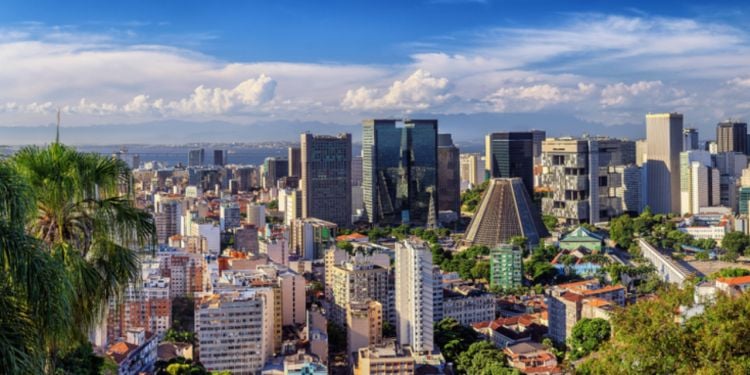
Rio de Janeiro stands as one of South America's most captivating cities, where dramatic mountains meet golden beaches and a rich cultural heritage blends with modern urban life. With a population of approximately 6.7 million people in the city proper and over 13 million in the metropolitan area, Rio offers expatriates a unique combination of natural beauty, economic opportunity, and vibrant lifestyle. The city served as Brazil's capital until 1960 and remains the country's second-largest economic hub after São Paulo.
Why Choose Rio de Janeiro?
Rio attracts expatriates from around the world with its exceptional quality of life, diverse economy, and welcoming atmosphere. The city's iconic landmarks, from Sugarloaf Mountain to Christ the Redeemer, provide a stunning backdrop for daily life. Cariocas, as locals are known, embrace a relaxed yet dynamic lifestyle that balances work with leisure.
5 Good Reasons to Move to Rio de Janeiro
- World-class beaches and outdoor lifestyle – Copacabana, Ipanema, and Leblon offer year-round beach access, while Tijuca National Park provides hiking trails within city limits.
- Thriving job market in key sectors – The oil and gas industry, tourism, finance, and technology sectors provide diverse employment opportunities for skilled professionals.
- Lower cost of living compared to major global cities – Housing, dining, and entertainment remain significantly more affordable than in cities like London, Sydney, or New York.
- Rich cultural scene – From the world-famous Carnival to year-round music festivals, museums, and theaters, Rio offers endless cultural experiences.
- Welcoming international community – A well-established expat network and friendly local population make integration smoother for newcomers.
Working in Rio de Janeiro: Careers and Opportunities
Rio de Janeiro's economy ranks as the second-largest in Brazil, generating approximately 7% of the country's GDP. The city functions as a major hub for several industries, offering diverse employment opportunities for qualified expatriates. Understanding the job market, key sectors, and visa requirements is essential for anyone planning to work in Rio.
Key Industries and Employers
The oil and gas sector dominates Rio's economy, with the city serving as Brazil's primary energy hub. Major companies including Petrobras, Shell, Chevron, and TotalEnergies maintain headquarters or significant operations here. The State of Rio de Janeiro produces approximately 71% of Brazil's oil and 45% of its natural gas, creating substantial employment in extraction, refining, and related services.
The services sector accounts for roughly 84% of Rio's GDP, encompassing finance, banking, tourism, and professional services. Major employers include Banco do Brasil, Itaú Unibanco, Grupo Globo (media and entertainment), and numerous multinational corporations. The technology sector is growing rapidly, with companies like TOTVS and StoneCo expanding their presence.
Tourism and hospitality remain vital employers, supported by Rio's status as Brazil's top tourist destination. The fashion industry, with brands like Osklen, Farm, and Havaianas, also contributes significantly to employment.
Work Permits and Visas
Foreign nationals require both a work visa and a residence permit to work legally in Brazil. The most common option is the VITEM V (temporary work visa), valid for up to two years and renewable. Applicants must demonstrate relevant qualifications: either two years of professional experience plus nine years of education, or a university degree with one year of experience, or a postgraduate degree.
Employers must sponsor work visa applications through the Ministry of Labor and Employment. Processing typically takes 30 to 60 days for permit approval, followed by 5 to 10 days for visa issuance. Brazil also offers a digital nomad visa for remote workers employed by companies outside Brazil, valid for up to two years.
Employment Overview
The following table provides key employment indicators for Rio de Janeiro and Brazil.
Unemployment rate (Rio de Janeiro state, Q4 2024) | 8.2% |
National unemployment rate (Q2 2025) | 5.8% |
Average monthly salary (Rio metropolitan area) | BRL 4,200 (~USD 700) |
Minimum wage (2025) | BRL 1,518/month |
Sources: IBGE - Brazilian Institute of Geography and Statistics
Working in Rio de Janeiro
Rio de Janeiro is Brazil's largest commercial center after São Paulo. With a diversified economy, it offers jobs for those with the ...
Higher Education and Universities in Rio de Janeiro
Rio de Janeiro hosts some of Latin America's most prestigious universities, offering diverse academic programs across all disciplines. The city's higher education landscape includes both tuition-free public institutions and respected private universities, providing options for international students seeking undergraduate, graduate, or research opportunities.
Top Universities
The Federal University of Rio de Janeiro (UFRJ) ranks among the best universities in Latin America, consistently placing in global rankings. Founded in 1920, UFRJ offers 194 undergraduate programs, 117 master's programs, and 91 doctoral programs. As a federal public university, UFRJ charges no tuition fees for regular undergraduate and graduate programs, including for international students. The university's COPPEAD Graduate School of Business is renowned for its MBA program, which is also tuition-free.
The Pontifical Catholic University of Rio de Janeiro (PUC-Rio) is a leading private institution known for excellence in engineering, law, and business. International students pay approximately BRL 41,931 per semester (around USD 7,000) for full-time enrollment. PUC-Rio offers exchange programs, English-taught courses, and strong industry connections.
Other notable institutions include UNIRIO (Federal University of the State of Rio de Janeiro), UERJ (State University of Rio de Janeiro), and Fundação Getulio Vargas (FGV), which offers prestigious business and economics programs.
Admission and Language Requirements
Public universities like UFRJ require international students to apply through partnership agreements with their home institutions, as they do not accept "free movers." Students must contact their home university's international office to initiate the exchange process. Portuguese proficiency is generally required for most programs, with some graduate courses offered in English.
Private universities typically accept direct applications from international students. Minimum English proficiency requirements include TOEFL scores of 90+ for English-taught programs. The academic year runs from March to December, with a summer break in January-February and a winter break in July.
For detailed information on programs and applications, visit the official university websites: UFRJ International and PUC-Rio.
Schools for Expat Children in Rio de Janeiro
Rio de Janeiro offers a range of educational options for expatriate families, from internationally accredited schools following British, American, or IB curricula to bilingual Portuguese-English institutions. Choosing the right school depends on your child's age, language abilities, expected length of stay, and preferred curriculum.
International Schools
The British School of Rio de Janeiro, founded in 1924, is one of the oldest and most established international schools in Brazil. With three campuses (Botafogo, Urca, and Barra da Tijuca), it serves over 2,000 students from more than 60 nationalities. The school follows the UK National Curriculum, offers Cambridge IGCSE examinations, and provides the International Baccalaureate (IB) Diploma. Students receive both Brazilian and international qualifications. Contact the school directly for current fee information.
Our Lady of Mercy School (OLM), located in Botafogo, offers an American Catholic curriculum from preschool through 12th grade. Founded in 1919, OLM provides instruction in English and awards both American and Brazilian diplomas. The school emphasizes a supportive learning environment with strong values.
The Escola Suíço-Brasileira (Swiss International School) offers multilingual education following Swiss and Brazilian curricula. Other options include Rio International School in Barra da Tijuca, which follows an American curriculum, and the Deutsche Schule Rio de Janeiro for German-speaking families.
Enrollment and Fees
International school fees in Rio de Janeiro vary significantly. Annual tuition typically ranges from BRL 80,000 to BRL 140,000 (approximately USD 13,000 to USD 23,000) depending on the school and grade level. Additional costs include enrollment fees, uniforms, transportation, and extracurricular activities.
Most schools require advance registration, with applications typically opening 6 to 12 months before the academic year begins. Required documents usually include previous school records, passport copies, immunization records, and proof of residence. Many schools offer sibling discounts of 5% to 15% on tuition fees.
Sources: The British School Rio de Janeiro, International Schools Database
Housing and Neighborhoods in Rio de Janeiro
Finding the right neighborhood is crucial when relocating to Rio de Janeiro. The city offers diverse housing options, from beachfront apartments in the upscale South Zone to family-friendly gated communities in Barra da Tijuca. Rental prices vary significantly by location, with premium areas commanding substantially higher rates.
Popular Neighborhoods for Expatriates
Ipanema and Leblon represent Rio's most prestigious residential areas, known for excellent beaches, upscale restaurants, and safe streets. These neighborhoods attract affluent expats and professionals willing to pay premium rents for convenience and quality of life. Expect to pay BRL 5,000 to BRL 7,000 monthly for a two-bedroom apartment in Ipanema, and BRL 6,000 to BRL 8,000 in Leblon.
Copacabana offers a more diverse, cosmopolitan atmosphere with slightly lower rents than Ipanema. The neighborhood provides excellent public transport connections and abundant amenities. One-bedroom apartments typically rent for BRL 2,500 to BRL 3,500 monthly in the city center area.
Barra da Tijuca appeals to families seeking modern infrastructure, shopping malls, and gated communities. Located in the West Zone, Barra offers larger apartments and houses at more competitive prices, though with longer commutes to the city center. Three-bedroom apartments average BRL 4,000 to BRL 5,500 monthly.
Botafogo and Flamengo provide excellent value with good metro access, cultural attractions, and a mix of residential and commercial areas. These neighborhoods suit young professionals and couples seeking central locations at moderate prices.
Rental Costs and Procedures
The table below shows average monthly rents for different apartment types across Rio de Janeiro.
1-bedroom apartment (city center) | BRL 2,500 – 3,500 |
1-bedroom apartment (outside center) | BRL 1,500 – 2,500 |
3-bedroom apartment (city center) | BRL 5,000 – 7,000 |
3-bedroom apartment (outside center) | BRL 3,500 – 5,000 |
Rental agreements typically require a guarantor (fiador) who owns property in Rio, or alternatively a security deposit of 2-3 months' rent, or a fiança locatícia (rental insurance). Lease terms are usually 30 months, though shorter terms can be negotiated. Tenants are responsible for condomínio (building maintenance fees) and IPTU (property tax), which can add BRL 500 to BRL 1,500 monthly depending on the property.
Sources: Numbeo, TheLatinvestor

Accommodation in Rio de Janeiro
With an official population of about seven million people, and almost twice that number in the metro area, Rio de Janeiro is the second-largest ...
Leisure, Culture and Things To Do in Rio de Janeiro
Rio de Janeiro offers an unparalleled combination of natural beauty, cultural richness, and vibrant entertainment. From iconic landmarks to hidden local gems, the city provides endless opportunities for exploration, relaxation, and social connection.
Landmarks and Outdoor Activities
Christ the Redeemer (Cristo Redentor) atop Corcovado Mountain stands as Rio's most iconic symbol and one of the New Seven Wonders of the World. Take the historic cogwheel train through Tijuca Forest to reach the summit for panoramic city views. Sugarloaf Mountain (Pão de Açúcar) offers equally stunning vistas via cable car, particularly spectacular at sunset.
Tijuca National Park, one of the world's largest urban forests, provides hiking trails ranging from easy walks to challenging climbs, including the famous Pedra da Gávea. The park offers a refreshing escape from city heat with waterfalls and diverse wildlife.
Rio's beaches define local lifestyle. Ipanema and Copacabana attract crowds for volleyball, football, surfing, and socializing. Prainha and Grumari, located further west, offer quieter, more natural beach experiences favored by surfers and those seeking tranquility.
Museums and Cultural Venues
The Museum of Tomorrow (Museu do Amanhã) in the revitalized Porto Maravilha area presents innovative exhibitions on sustainability and the future of humanity. Designed by architect Santiago Calatrava, the building itself is a masterpiece. Nearby, the Rio Art Museum (MAR) showcases Brazilian art and hosts engaging temporary exhibitions.
The National Museum of Fine Arts (MNBA) houses Brazil's most important collection of 19th-century art, while the Theatro Municipal offers world-class opera, ballet, and classical music performances in a stunning Beaux-Arts setting.
Nightlife and Entertainment
Lapa is Rio's nightlife epicenter, famous for its historic arches, live samba venues, and vibrant street parties on weekends. Clubs and bars line the neighborhood's colonial streets, offering everything from traditional forró dancing to electronic music.
The Carnival, typically held in February or March, represents the world's largest celebration, with samba school parades at the Sambódromo and hundreds of street parties (blocos) throughout the city. Year-round, Rio hosts major events including Rock in Rio, Réveillon (New Year's Eve) at Copacabana, and numerous food and music festivals.

Discovering Rio de Janeiro
Rio de Janeiro may conjure up images of golden beaches populated by unimaginably beautiful people or of streets filled with Carnival revelers. While ...
Daily Life in Rio de Janeiro
Daily life in Rio de Janeiro blends urban convenience with an outdoor-oriented lifestyle that takes full advantage of the city's natural setting. From efficient public transport to the famous beach culture, understanding how Cariocas live will help you adapt quickly to your new home.
Getting Around
Rio de Janeiro offers multiple public transportation options. The MetrôRio system operates three air-conditioned lines covering the South Zone, Centro, and extending to Barra da Tijuca. A single metro fare costs BRL 7.90 (approximately USD 1.30). The metro runs Monday to Saturday from 5 AM to midnight, and Sundays from 7 AM to 11 PM.
The VLT (Light Rail) serves the downtown and port areas, connecting key locations including the Rodoviária (central bus station) and Santos Dumont Airport. The BRT (Bus Rapid Transit) system provides express routes to Barra da Tijuca, the Olympic Park area, and Galeão International Airport.
For daily commuting, the RioCard smartcard (minimum top-up BRL 5) provides integrated access across metro, buses, VLT, and ferries. The Bilhete Único offers discounted integrated fares of BRL 5.25 for using two different transport modes within three hours. Ride-sharing apps like Uber and 99 are widely used and often recommended for areas not well-served by public transport.
Lifestyle and Culture
Rio's tropical climate encourages an outdoor lifestyle year-round. Average temperatures range from 25°C to 35°C in summer (December to March) and 20°C to 25°C in winter (June to September). Beaches are central to social life, with locals gathering for volleyball, football, running, and socializing at any time of day.
Portuguese is essential for daily life, as English proficiency remains limited outside tourist areas and international business settings. Learning basic Portuguese significantly improves your experience and integration. Most shops and services operate from 9 AM to 6 PM on weekdays, with shopping malls open until 10 PM.
Safety awareness is important in Rio. Expatriates are advised to avoid displaying expensive items, use recommended neighborhoods for accommodation, and rely on trusted transportation. Most residents report positive experiences when following common-sense precautions.
Cost of Living in Rio de Janeiro
Rio de Janeiro offers a significantly lower cost of living compared to major cities in North America, Europe, or Australia, making it an attractive destination for expatriates seeking quality of life at reasonable expense. However, costs vary considerably depending on lifestyle choices and neighborhood selection.
Monthly Budget for a Single Person
The following table estimates monthly expenses for a single expatriate living in Rio de Janeiro with a moderate lifestyle.
Category | Monthly Cost (BRL) | Monthly Cost (USD) |
Rent (1-bedroom, city center) | 3,000 | 500 |
Utilities (electricity, water, gas) | 350 | 60 |
Groceries | 1,200 | 200 |
Transportation (metro/bus) | 400 | 65 |
Health insurance (private) | 600 | 100 |
Dining and entertainment | 1,000 | 165 |
Total (single person) | 6,550 | ~1,100 |
Monthly Budget for a Family of Four
The following table estimates monthly expenses for a family of four (two adults, two children) living in Rio de Janeiro.
Category | Monthly Cost (BRL) | Monthly Cost (USD) |
Rent (3-bedroom apartment) | 6,000 | 1,000 |
Utilities | 550 | 90 |
Groceries | 2,800 | 465 |
Transportation | 800 | 135 |
International school (1 child) | 9,000 | 1,500 |
Health insurance (family) | 2,000 | 335 |
Dining and entertainment | 1,800 | 300 |
Total (family of four) | 22,950 | ~3,825 |
Note: Costs exclude additional children's school fees. Exchange rate: approximately USD 1 = BRL 6.
Sources: Numbeo, Nomads.com
In Short
Rio de Janeiro welcomes expatriates with open arms, offering a lifestyle that balances professional opportunity with exceptional quality of life. The city's diverse economy, anchored by oil and gas, tourism, and services, provides employment across many sectors. World-class beaches, a rich cultural calendar, and a welcoming international community make integration smoother than in many other destinations.
With housing options ranging from beachfront apartments to family-friendly suburbs, excellent international schools, and a cost of living significantly lower than comparable cities worldwide, Rio presents genuine value for those seeking adventure in South America's most vibrant metropolis.
Ready to start your Rio journey? Connect with fellow expatriates, ask questions, and share experiences on the Rio de Janeiro forum on Expat.com. Our community is here to help you make your move a success!
We do our best to provide accurate and up to date information. However, if you have noticed any inaccuracies in this content, please contact us.


Essential services for your expat journey