

Living in Recife: the ultimate expat guide
Everything you need to know for a successful life in Recife.
Recife, the vibrant capital of Pernambuco state, stands as the largest city in northeastern Brazil with a metropolitan population of over 4.3 million people. Known as the "Brazilian Venice" due to its intricate network of rivers, canals, and more than 50 bridges, Recife offers a unique blend of colonial history, modern development, and rich cultural traditions. The city serves as the economic, cultural, and educational hub for the entire North-Northeast region of Brazil.
Founded in 1537, Recife has evolved from a Portuguese colonial port into a dynamic metropolis with a thriving technology sector, world-class healthcare facilities, and a growing international community. The city enjoys a tropical climate with warm temperatures year-round, moderated by steady Atlantic breezes, making it an attractive destination for those seeking sunshine and a relaxed coastal lifestyle.
5 good reasons to move to Recife
- Affordable cost of living – Recife offers significantly lower living costs compared to São Paulo or Rio de Janeiro, with housing and daily expenses approximately 30% cheaper.
- Thriving tech ecosystem – Porto Digital, one of Brazil's largest technology parks, hosts over 370 companies and creates thousands of high-skilled jobs annually.
- Rich cultural heritage – From the UNESCO-recognized frevo dance to world-famous Carnival celebrations, Recife offers an authentic Brazilian cultural experience.
- Strategic location – As the closest major Brazilian city to Europe, Recife serves as a key international hub with direct flights to multiple continents.
- Beautiful beaches – The city boasts stunning urban beaches like Boa Viagem, plus easy access to world-renowned destinations such as Porto de Galinhas.
Working in Recife
Recife has transformed into one of Brazil's most dynamic employment markets, particularly in the technology and services sectors. The city's economy benefits from a diverse mix of industries including IT, healthcare, tourism, manufacturing, and trade, offering opportunities for both skilled professionals and entrepreneurs.
Key industries and employment sectors
The technology sector has become Recife's standout success story. Porto Digital, located in the historic Recife Antigo district, employs over 18,000 people across more than 370 companies, including startups, multinationals, and research laboratories. Major companies such as Stellantis, EY, and C.E.S.A.R have established significant operations in the city, creating demand for software developers, engineers, and IT specialists.
The healthcare sector represents another major employer, with Recife serving as Brazil's second-largest medical hub after São Paulo. Modern hospitals attract patients from neighboring states, generating employment in medical, administrative, and support roles. Tourism, trade, and services also provide substantial employment, particularly in the Boa Viagem area and historic center.
Work permits and requirements
Foreign nationals require a VITEM V (Temporary Work Visa) to work legally in Brazil. This visa requires sponsorship from a Brazilian employer and is valid for up to two years, with the possibility of renewal or conversion to permanent residency. Applicants must demonstrate either a relevant university degree plus one year of experience, or two years of professional experience with at least nine years of education. Brazil also offers a Digital Nomad Visa (VITEM XIV) for remote workers employed by foreign companies, requiring proof of minimum monthly income of USD 1,500.
The table below presents key employment indicators for the Recife metropolitan region:
Unemployment rate (Pernambuco, Q4 2024) | 10.2% |
Average monthly salary (Northeast region) | BRL 2,500 – 3,500 (USD 450 – 630) |
Main employment sectors | Technology, healthcare, services, tourism |
Sources: IBGE – Brazilian Institute of Geography and Statistics
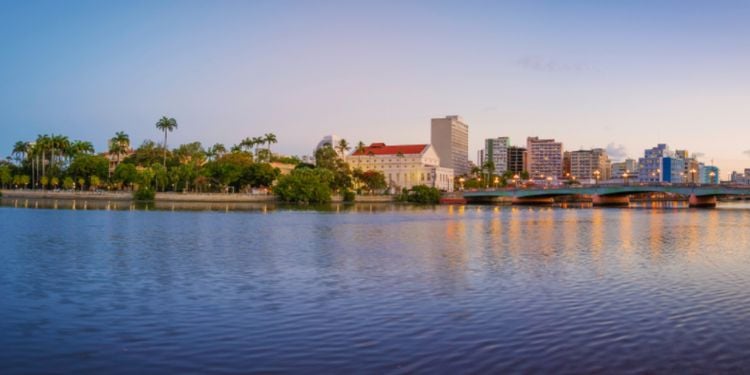
Working in Recife
Recife is the capital of the northeastern state of Pernambuco. With a population of 1.6 million (more than double that of in the metropolitan area), ...
Higher Education and Universities
Recife hosts some of Brazil's most respected universities, making it a significant academic center in the Northeast region. The city attracts thousands of students annually to its diverse range of undergraduate, postgraduate, and research programs.
Major universities
The Federal University of Pernambuco (UFPE) is the region's flagship institution, ranked among the top 15 universities in Brazil and consistently rated the best in the North-Northeast region by the Ministry of Education. Founded in 1946, UFPE offers 70 undergraduate courses and 175 postgraduate programs across three campuses, with approximately 35,000 students and 2,000 professors. The main campus, spanning 149 hectares in the Cidade Universitária neighborhood, houses ten academic centers covering fields from engineering and medicine to law and the arts.
UFPE's Center for Informatics is particularly notable, holding a rating of 6/7 from CAPES (the government's higher education evaluation body) and producing many of the skilled professionals who power Porto Digital. The university actively welcomes international students through its International Mobility Program, offering exchange opportunities and dedicated support services.
International programs and admission
UFPE and other local institutions provide programs accessible to international students. Instruction is primarily in Portuguese, though some graduate programs and research opportunities may be conducted in English. Foreign students typically need to demonstrate Portuguese proficiency and complete the university's entrance examination or transfer process. Public universities in Brazil, including UFPE, do not charge tuition fees for undergraduate programs, though living expenses must be covered by students.
Private universities such as Universidade Católica de Pernambuco and various technical institutions offer additional options, with tuition fees typically ranging from BRL 800 to BRL 3,000 (USD 145 to USD 545) per month depending on the program.
Sources: Federal University of Pernambuco (UFPE), QS World University Rankings
Schooling for Children
Families relocating to Recife will find a range of educational options, from Brazilian public and private schools to international institutions offering curricula recognized worldwide. Understanding the local education system is essential for making the right choice for your children.
Brazilian education system
Education in Brazil is divided into three levels: Fundamental Education I (ages 6-10), Fundamental Education II (ages 11-14), and Secondary Education (ages 15-17). Public education is free and mandatory for children aged 6-14. While public schools vary in quality, many expatriate families opt for private Brazilian schools or international institutions that offer instruction in English or bilingual programs.
International schools
The American School of Recife (Escola Americana do Recife – EAR) is the primary international school serving the expatriate community. Founded in 1957, EAR offers a U.S. standards-based, college-preparatory curriculum from Nursery through Grade 12, with students representing approximately 17 nationalities. The school is accredited by Cognia in the United States and by the State of Pernambuco Ministry of Education.
EAR's campus covers 8.5 acres in the desirable Boa Viagem neighborhood, featuring 56 classrooms, science laboratories, sports facilities, and a modern media center. Instruction is primarily in English, with mandatory Portuguese language study beginning in pre-kindergarten. The school offers Advanced Placement (AP) courses and extracurricular activities including sports, drama, robotics, and Model United Nations.
Monthly tuition for the 2023-2024 school year is as follows:
Nursery, PK3, PK4 | BRL 4,401 (USD 795) |
Kindergarten | BRL 4,678 (USD 845) |
Grades 1-5 | BRL 5,586 (USD 1,010) |
Grades 6-12 | BRL 5,942 (USD 1,075) |
A one-time Development Fund contribution of approximately BRL 14,355 (USD 2,595) per student is required upon enrollment. Other options include Escola Eleva Recife, a bilingual school inaugurated in 2022 offering modern facilities and a focus on socio-emotional development.
Sources: U.S. Department of State, American School of Recife
Housing and Neighborhoods
Recife offers diverse housing options across distinct neighborhoods, each with its own character and amenities. Rental prices are considerably lower than in Brazil's southern cities, making quality housing accessible to most expatriates.
Expat-friendly neighborhoods
Boa Viagem is the most popular area for expatriates, located in the South Zone along a 7-kilometer stretch of beach. This upscale neighborhood features modern high-rise apartments, excellent restaurants, shopping centers, and a vibrant nightlife. Most international amenities, including the American School of Recife, are located here. Expect to pay premium prices by local standards, but still significantly less than comparable areas in Rio or São Paulo.
Casa Forte and Graças in the North Zone offer a quieter, more residential atmosphere with tree-lined streets, parks (including the popular Jaqueira Park), and easy access to the city center. These neighborhoods appeal to families seeking a tranquil environment while remaining close to urban amenities.
Espinheiro and Aflitos provide excellent options for those preferring a central location without beach proximity. These established residential areas offer good value, local shops, and convenient transportation links.
Rental prices and procedures
Most expatriates rent apartments in gated high-rise buildings that offer amenities such as pools, gyms, and 24-hour security. Rental contracts typically run for 30 months, though shorter terms may be negotiated. Landlords usually require a guarantor (fiador) or upfront payment of several months' rent as security.
1-bedroom apartment (Boa Viagem) | BRL 1,500 – 2,500 (USD 270 – 450) |
3-bedroom apartment (Boa Viagem) | BRL 2,500 – 4,000 (USD 450 – 725) |
1-bedroom apartment (Casa Forte/Graças) | BRL 1,300 – 1,700 (USD 235 – 310) |
3-bedroom apartment (Madalena/Torre) | BRL 2,000 – 3,000 (USD 360 – 545) |
Prices above typically include condominium fees (condomínio) and property taxes (IPTU). Utilities and internet are usually paid separately.
Sources: Numbeo
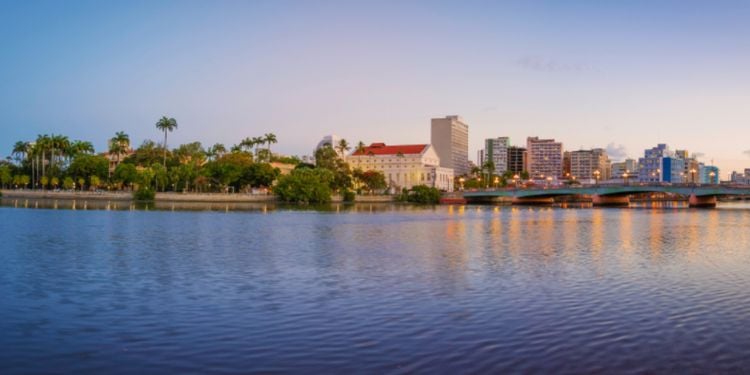
Accommodation in Recife
Recife, located on the northeast coast of Brazil, on the tip jutting out into the South Atlantic, is one of Brazil's oldest cities. But today, ...
Leisure, Culture and Things To Do
Recife pulsates with cultural energy, offering a rich tapestry of music, dance, festivals, and outdoor activities. The city's unique Afro-Brazilian heritage, combined with Portuguese and Dutch colonial influences, creates an experience unlike anywhere else in Brazil.
Museums and cultural attractions
The Ricardo Brennand Institute houses one of Latin America's most impressive private art collections, featuring medieval armor, colonial-era paintings by Frans Post, and beautiful gardens surrounding a castle-like building. The Cais do Sertão Museum in Recife Antigo offers interactive exhibits celebrating the culture of northeastern Brazil and the legacy of musician Luiz Gonzaga.
The Paço do Frevo museum is dedicated to frevo, the high-energy dance and music style recognized by UNESCO as Intangible Cultural Heritage of Humanity. Visitors can explore exhibits, watch performances, and even take dance classes. Nearby, Rua do Bom Jesus features the Kahal Zur Israel Synagogue, the first synagogue in the Americas, dating from the 17th century Dutch occupation.
Carnival and festivals
Recife's Carnival rivals Rio's in scale and surpasses it in authenticity. The Galo da Madrugada parade, recognized by the Guinness Book as the world's largest carnival block, attracts over two million revelers. Unlike Rio's ticketed events, most of Recife's street parties are free and open to everyone, featuring frevo, maracatu (Afro-Brazilian drumming processions), and countless blocos parading through the city.
The neighboring town of Olinda, a UNESCO World Heritage Site just 10 kilometers north, hosts its own beloved Carnival featuring giant puppets (Bonecos Gigantes) and a more intimate, traditional atmosphere. Throughout the year, the São João festival in June celebrates northeastern culture with forró music, traditional foods, and quadrilha dances.
Beaches and outdoor activities
Boa Viagem Beach stretches 7 kilometers along the city, offering warm waters, coconut vendors, and beachside restaurants. Natural reef barriers create calm swimming areas, though shark warnings exist in some sections. For pristine beaches, Porto de Galinhas (60 km south) is consistently rated among Brazil's best, with crystal-clear natural pools teeming with colorful fish.
Sources: Visit Brasil, TripAdvisor
Daily Life
Daily life in Recife combines the warmth of Brazilian culture with practical considerations that newcomers should understand. From navigating the city to adapting to local customs, preparation will help ensure a smooth transition.
Getting around
The Recife Metro (Metrorec) is the third-largest metro system in Brazil, operated by the federal CBTU. The network spans 39.5 kilometers with 29 stations across three lines (Center-1, Center-2, and South), plus two light rail lines serving surrounding municipalities. A single metro ticket costs approximately BRL 4.25 (USD 0.77), making it an affordable option for daily commuting. The South Line conveniently connects to Guararapes International Airport.
The bus network is extensive, with over 4,800 buses operated by multiple companies under the Grande Recife Consórcio de Transporte. Air-conditioned "Opcional" buses offer more comfort at slightly higher fares. A BRT (Bus Rapid Transit) system inaugurated in 2014 provides faster connections along dedicated corridors.
Many residents rely on ride-sharing apps (Uber, 99) and taxis, particularly for areas not well-served by public transit. Owning a car is common but involves dealing with heavy traffic, especially during rush hours.
Lifestyle and cultural particularities
Recifenses (as locals are called) are known for their warmth and hospitality. Social life centers around family, beaches, and food, with weekends often spent at Boa Viagem beach or visiting the historic neighboring city of Olinda, a UNESCO World Heritage Site.
The climate is tropical, with temperatures averaging 25-30°C (77-86°F) year-round. The rainy season runs from March to August, with brief but intense afternoon showers. Casual, lightweight clothing is appropriate for most situations, though business settings may require more formal attire.
Safety requires sensible precautions: avoid displaying expensive items, stay aware of your surroundings, and choose well-lit areas at night. The expatriate-friendly neighborhoods mentioned earlier offer good security, particularly high-rise buildings with 24-hour doormen.
Sources: Recife Metro, Moovit
Cost of Living
Recife offers one of the most affordable costs of living among major Brazilian cities. According to Numbeo data, the city is approximately 71% less expensive than New York (excluding rent), with housing costs around 91% lower. This affordability allows expatriates to enjoy a comfortable lifestyle without the financial pressures common in larger metropolitan areas.
Monthly budget for a single person
The following table outlines estimated monthly expenses for a single professional living in Recife:
Category | BRL | USD |
Rent (1-bedroom, Boa Viagem) | 2,000 | 360 |
Utilities (electricity, water, internet) | 450 | 80 |
Groceries | 1,200 | 215 |
Transportation (public + occasional taxi) | 350 | 65 |
Health insurance (private) | 500 | 90 |
Dining and entertainment | 800 | 145 |
Total | 5,300 | 955 |
Monthly budget for a family of four
Families should budget for larger accommodation, school fees, and increased daily expenses:
Category | BRL | USD |
Rent (3-bedroom, Boa Viagem) | 3,500 | 635 |
Utilities | 700 | 125 |
Groceries | 2,500 | 450 |
Transportation | 600 | 110 |
International school (2 children) | 11,000 | 1,990 |
Health insurance (family) | 1,800 | 325 |
Dining and entertainment | 1,500 | 270 |
Total | 21,600 | 3,905 |
Sources: Numbeo, U.S. Department of State
In short
Recife offers a compelling proposition for expatriates: an affordable cost of living, a thriving technology sector, rich cultural traditions, and stunning natural beauty, all wrapped in the warmth of northeastern Brazilian hospitality. The city balances modern development with deep historical roots, from the renovated colonial buildings of Porto Digital to the UNESCO-recognized frevo music echoing through Carnival streets.
Whether you're drawn by career opportunities in one of Brazil's most dynamic tech ecosystems, seeking an authentic cultural experience away from the tourist crowds of Rio and São Paulo, or simply looking for beautiful beaches and year-round sunshine, Recife delivers on multiple fronts. The city's challenges – including safety considerations and bureaucratic complexities – are manageable with proper preparation and local knowledge.
Ready to connect with others who have made Recife their home? Join the Expat.com Recife forum to ask questions, share experiences, and build your network before and after your move.
We do our best to provide accurate and up to date information. However, if you have noticed any inaccuracies in this content, please contact us.


Essential services for your expat journey



