

Living in Belo Horizonte: the ultimate expat guide
Everything you need to know for a successful life in Belo Horizonte.
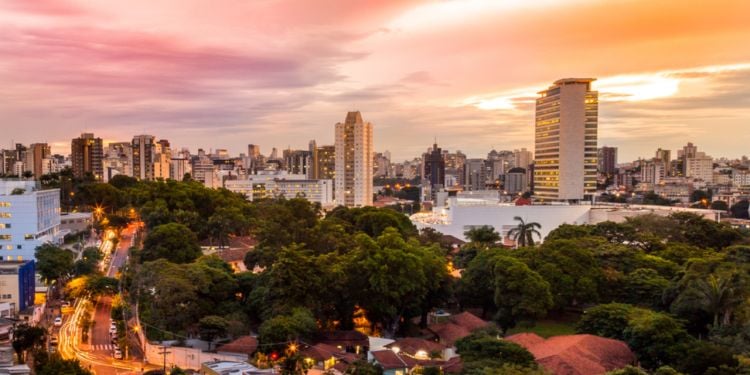
Belo Horizonte, affectionately known as BH, is the capital of Minas Gerais state and Brazil's sixth-largest city with a population of approximately 2.4 million. Founded in 1897 as Brazil's first planned city, its layout was inspired by Washington, D.C., featuring wide avenues and a grid pattern that facilitates navigation. The city sits in the southeastern region of Brazil, surrounded by mountains that give it its name—"Beautiful Horizon." BH offers a unique blend of urban sophistication and traditional Brazilian charm, with a cost of living significantly lower than São Paulo or Rio de Janeiro while maintaining excellent infrastructure and quality of life.
A Welcoming Metropolitan Hub
The metropolitan area of Belo Horizonte encompasses approximately 6 million residents, making it Brazil's third-largest metropolitan region. The city enjoys a tropical savanna climate with warm temperatures year-round, averaging 21°C (70°F). Unlike coastal cities, BH provides a more authentic Brazilian experience with fewer tourists and a strong sense of community. The city has earned recognition as a UNESCO Creative City of Gastronomy, celebrating its renowned Minas Gerais cuisine.
5 Good Reasons to Move to Belo Horizonte
- Affordable cost of living – Housing and daily expenses are 30-40% lower than in São Paulo or Rio de Janeiro.
- Rich cultural scene – Home to the Pampulha Modern Ensemble, a UNESCO World Heritage Site designed by Oscar Niemeyer.
- Excellent gastronomy – Famous for traditional Minas Gerais cuisine, artisan cheeses, and cachaça.
- Strong job market – Major economic hub with growing tech sector and low unemployment rate of 5.0%.
- Gateway to historic towns – Easy access to colonial gems like Ouro Preto, Tiradentes, and Diamantina.
Working in Belo Horizonte: Opportunities and Requirements
Belo Horizonte serves as the economic powerhouse of Minas Gerais, contributing significantly to Brazil's GDP. The city offers diverse employment opportunities across multiple sectors, from traditional industries to emerging technology hubs. For foreign workers, understanding the visa requirements and local job market is essential for a successful relocation.
Key Industries and Sectors
The metropolitan region is a major industrial center, with Betim hosting the Fiat manufacturing plant and surrounding areas supporting automotive supply chains. Key sectors include mining and metallurgy, with iron ore exports accounting for over 65% of regional exports to destinations like China and the United States. The services sector dominates employment, with public administration, office support services, and education being the top employers. The city has also emerged as a growing technology hub, with companies like Google maintaining offices in BH and a thriving startup ecosystem.
Work Permits and Visa Requirements
Foreign nationals require a VITEM V visa (temporary work visa) to work legally in Brazil. This visa is valid for up to 2 years and can be renewed or converted to permanent residency. Requirements include: a job offer from a Brazilian company, proof of relevant qualifications (university degree plus one year of experience, or two years of experience plus nine years of education), and documentation translated into Portuguese. Employers must sponsor the application through the Ministry of Labor and Employment. Processing typically takes 1.5 to 3 months. Brazil also offers a Digital Nomad Visa (VITEM XIV) for remote workers, requiring proof of income of at least USD 1,500/month.
Employment Overview
The table below summarizes key employment indicators for the Belo Horizonte region:
Unemployment Rate (Minas Gerais, 2024) | 5.0% (annual average) |
Average Monthly Net Salary | BRL 2,259 (~USD 450) |
Top Employment Sectors | Public Administration, Services, Education, Mining |
Sources: IBGE, Numbeo 2025
Working in Belo Horizonte
Belo Horizonte (“Beautiful Horizon” in Portuguese) is the capital of the state of Minas Gerais. “BH,” as the locals call it, ...
Higher Education in Belo Horizonte: Universities and Programs
Belo Horizonte is a major academic center in Brazil, home to some of the country's most prestigious universities. The city attracts students from across Latin America and offers opportunities for international students through exchange programs and specialized courses, though Portuguese proficiency is generally required for most programs.
Federal University of Minas Gerais (UFMG)
UFMG is the flagship institution, consistently ranked among Brazil's top three universities and fifth in Latin America according to Times Higher Education. Founded in 1927, it offers 91 undergraduate programs and 90 graduate programs, serving over 34,000 undergraduate and 12,000 graduate students. The main campus in Pampulha spans nearly 9 million square meters, featuring 20 academic units, 2 hospitals, and 25 libraries. UFMG is a tuition-free public institution, with admission through the national ENEM exam (Exame Nacional do Ensino Médio). International students can participate through exchange agreements with partner universities or the PEC-G program for students from developing countries. Portuguese proficiency certification (Celpe-Bras) is required.
Other Notable Institutions
The Pontifical Catholic University of Minas Gerais (PUC Minas) is one of Brazil's largest private universities, offering programs in law, business, and social sciences. FUMEC and UNA provide additional private higher education options with flexible programs. For specialized studies, the Federal Center for Technological Education (CEFET-MG) offers engineering and technology programs. Several institutions provide Portuguese for Foreigners courses to help international students prepare for academic studies.
Admission and Costs
Public universities like UFMG are tuition-free but highly competitive—UFMG receives over 111,000 applications for approximately 6,700 spots annually. Private universities charge tuition ranging from BRL 800 to BRL 3,500/month depending on the program. International students should contact the International Relations Office (DRI) at their chosen institution for guidance on recognition of foreign credentials and specific admission requirements.
Sources: UFMG International, Times Higher Education
Schools for Expat Children in Belo Horizonte
Families relocating to Belo Horizonte will find a range of schooling options, from international schools following American or British curricula to quality local private schools. While public education in Brazil faces challenges, the city offers excellent private alternatives that cater to expatriate families with children of all ages.
The American School of Belo Horizonte (EABH)
The Escola Americana de Belo Horizonte (EABH) is the premier international school in Minas Gerais, founded in 1956. Located in the Buritis neighborhood, it serves students from Pre-K through Grade 12 with both American and Brazilian curricula. EABH is accredited by Cognia and the Brazilian Ministry of Education, and authorized by the International Baccalaureate Organization for PYP and MYP programs, as well as the College Board. The school offers a bilingual environment with instruction primarily in English, preparing students for American university admission. Annual tuition ranges from approximately USD 9,400 to USD 13,600 depending on grade level, plus a one-time registration fee.
Brazilian Private Schools
For families seeking Portuguese-language education, several highly-rated private schools offer excellent academics at lower costs than international options. Colégio Santo Antônio, Colégio Sagrado Coração, and Colégio Marista are well-established Catholic schools in the Savassi and Funcionários areas. Escola da Serra is popular among expat families for its welcoming approach to non-Portuguese speakers. Monthly tuition at quality private schools typically ranges from BRL 1,500 to BRL 4,000. International preschool options include Maple Bear, which follows a Canadian bilingual curriculum for early childhood education.
School Costs Overview
International School (Annual) | BRL 37,600 (~USD 7,500) |
Private Preschool (Monthly) | BRL 1,000–4,000 |
Private Primary/Secondary (Monthly) | BRL 1,500–3,500 |
Sources: U.S. Department of State, Numbeo 2025
Housing and Neighborhoods in Belo Horizonte
Belo Horizonte offers a variety of housing options across distinct neighborhoods, from modern high-rise apartments in central areas to quieter residential districts. Rents are considerably more affordable than in São Paulo or Rio de Janeiro, making it possible to live comfortably in upscale areas on a moderate budget.
Best Neighborhoods for Expats
Savassi is the heart of BH's cultural and nightlife scene, featuring numerous bars, restaurants, and shopping options. This trendy neighborhood is ideal for young professionals seeking an urban lifestyle with everything within walking distance. Lourdes, adjacent to Savassi, is the city's most upscale residential district, known for elegant apartments, safety, and refined dining options—perfect for families seeking comfort and security. Funcionários offers a blend of residential tranquility and proximity to central amenities, with tree-lined streets and excellent private schools nearby. For those preferring more space, Pampulha near the UNESCO World Heritage lake provides a quieter environment with modern architecture and green spaces, though it requires a car for daily activities. Buritis and Belvedere are newer developments popular with upper-middle-class families seeking modern apartments and proximity to shopping centers.
Rental Market and Prices
Most expats rent furnished or unfurnished apartments, with leases typically lasting 30 months under Brazilian law. A deposit equivalent to 1–3 months' rent is standard, and a guarantor (fiador) may be required, though some landlords accept a seguro fiança (rental insurance) instead. Utilities are generally paid separately. Real estate agents can assist with the rental process, which involves significant documentation.
1-Bedroom Apartment (City Center) | BRL 2,168/month (~USD 430) |
1-Bedroom Apartment (Outside Center) | BRL 1,416/month (~USD 280) |
3-Bedroom Apartment (City Center) | BRL 3,779/month (~USD 750) |
3-Bedroom Apartment (Outside Center) | BRL 2,563/month (~USD 510) |
Sources: Numbeo 2025
Leisure, Culture and Things to Do in Belo Horizonte
Belo Horizonte offers a rich cultural scene combining world-class architecture, vibrant nightlife, and access to stunning natural landscapes. From Oscar Niemeyer's modernist masterpieces to traditional markets and soccer stadiums, the city provides diverse entertainment options for all interests.
Must-See Attractions
The Pampulha Modern Ensemble is a UNESCO World Heritage Site designed by Oscar Niemeyer in 1940, featuring the iconic Church of Saint Francis of Assisi with its distinctive curved lines and Portinari mosaics, the Pampulha Art Museum (former casino), Casa do Baile, and the Yacht Tennis Club. The lakeside setting is perfect for cycling, walking, or picnicking while admiring the architecture. Praça da Liberdade serves as the cultural heart of the city, surrounded by the Circuito Liberdade—a network of museums including the Memorial Minas Gerais Vale, Centro Cultural Banco do Brasil, and Museu das Minas e do Metal. The Mercado Central is essential for experiencing local culture, offering traditional cheeses, cachaça tastings, crafts, and the famous pastel de angu.
Sports and Outdoor Activities
Football fans should visit Mineirão Stadium, one of Brazil's most iconic venues that hosted the 2014 World Cup. Catching a match between local rivals Atlético Mineiro and Cruzeiro is an unforgettable experience. The Museu Brasileiro do Futebol inside the stadium explores the sport's history. For nature lovers, Parque das Mangabeiras at the base of Serra do Curral offers hiking trails with panoramic city views. Parque Municipal Américo Renné Giannetti in the city center provides a green escape for jogging or relaxation. Day trips to Serra do Cipó National Park (100 km away) offer waterfalls, caves, and exceptional hiking.
Nightlife and Entertainment
Savassi is the epicenter of nightlife, with upscale bars, clubs, and live music venues lining the streets. The neighborhood around Praça da Savassi comes alive after dark with crowds spilling onto sidewalks. For a more alternative scene, Santa Tereza neighborhood hosts bohemian bars and cultural events. Annual highlights include the Comida di Buteco festival celebrating bar food, the International Short Film Festival, and the Carnaval street parties that rival those of larger cities.
Sources: UNESCO World Heritage Centre, Visit Brasil
Daily Life in Belo Horizonte: Getting Around and Local Culture
Adapting to daily life in Belo Horizonte means embracing the relaxed mineiro culture, learning to navigate the city's public transport system, and discovering the local routines that make BH unique. The city operates at a slower pace than São Paulo or Rio, with a strong emphasis on family, food, and social gatherings.
Public Transportation
Belo Horizonte's public transport network is managed by BHTrans and includes buses, a metro line, and the MOVE bus rapid transit (BRT) system introduced in 2013. The metro operates a single line connecting 19 stations from Eldorado to Vilarinho, running from 5:15 AM to 11:00 PM. While useful for certain routes, the metro has limited coverage. The extensive bus network comprises over 300 lines connecting the entire metropolitan area, with a single ticket costing BRL 5.25. A monthly pass costs approximately BRL 250. The BHBUS electronic card allows fare integration, where a second trip within 90 minutes costs half the fare. Rideshare apps like Uber and 99 are widely used and affordable, often preferred for convenience. Taxi starting fare is around BRL 5.30.
Local Lifestyle and Culture
Belo Horizonte is known as the "Capital of Bars" with the highest concentration of bars per capita in Brazil—nearly 14,000 establishments. The boteco culture is central to social life, where friends gather at sidewalk tables for beer and snacks. Weekends often revolve around family lunches featuring traditional feijão tropeiro, pão de queijo, and doce de leite. Portuguese is essential for daily interactions, as English is not widely spoken outside business settings. Banking, healthcare, and government services typically require Portuguese documentation and communication. The city follows standard Brazilian business hours, with lunch breaks often lasting 1–2 hours. Shopping malls are popular gathering spots and remain open until 10 PM on weekdays.
Cost of Living in Belo Horizonte: Budget Breakdown
Belo Horizonte offers an attractive cost of living compared to other major Brazilian cities. Expats can expect to spend 30-40% less than in São Paulo for comparable lifestyles. The following tables provide detailed monthly expense estimates based on current market data.
Monthly Budget for a Single Person
A single professional renting in a central neighborhood can live comfortably on a moderate budget. This estimate assumes a 1-bedroom apartment in a good area like Savassi or Lourdes, eating out occasionally, and using public transport.
Expense Category | Monthly Cost (BRL) | Monthly Cost (USD) |
Rent (1-bedroom, city center) | 2,168 | ~430 |
Utilities (electricity, water, internet) | 480 | ~95 |
Groceries | 800 | ~160 |
Public Transport | 250 | ~50 |
Dining Out & Entertainment | 600 | ~120 |
Health Insurance | 400 | ~80 |
Total | 4,698 | ~935 |
Monthly Budget for a Family of Four
A family with two children attending a private school will need a larger budget, particularly for housing and education. This estimate assumes a 3-bedroom apartment in a family-friendly neighborhood.
Expense Category | Monthly Cost (BRL) | Monthly Cost (USD) |
Rent (3-bedroom, city center) | 3,779 | ~750 |
Utilities (electricity, water, internet) | 650 | ~130 |
Groceries | 2,000 | ~400 |
School Fees (2 children, private) | 5,000 | ~1,000 |
Transportation (car expenses/Uber) | 1,200 | ~240 |
Dining Out & Entertainment | 1,000 | ~200 |
Health Insurance (family plan) | 1,500 | ~300 |
Total | 15,129 | ~3,020 |
Sources: Numbeo 2025, IBGE
In Short
Belo Horizonte combines the best of Brazilian urban life—excellent gastronomy, rich culture, and warm community—with a cost of living that makes comfortable expat life accessible. The city's planned layout, safe neighborhoods like Lourdes and Savassi, and quality international school options make it particularly appealing for families. With UFMG ranking among Latin America's top universities and a growing job market with low unemployment, BH offers genuine opportunities for professionals. The UNESCO-listed Pampulha ensemble, thriving bar culture, and easy access to historic colonial towns add to its appeal. While Portuguese is essential for integration, the mineiro hospitality makes newcomers feel welcome.
Ready to start your adventure in Belo Horizonte? Join the Expat.com Belo Horizonte forum to connect with fellow expats, ask questions, and share experiences with others who have made this beautiful city their home.
We do our best to provide accurate and up to date information. However, if you have noticed any inaccuracies in this content, please contact us.


Essential services for your expat journey



