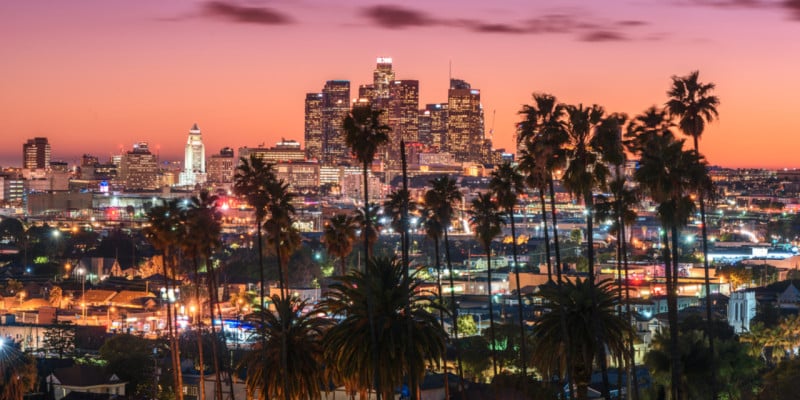
Home to one of the most diverse populations in the US, Los Angeles brims with opportunities and resources to help new residents settle in. Incredible weather, a diverse population, and a thriving arts and entertainment industry all help create an exciting, sun-drenched atmosphere. The cityscape itself is quite dynamic, featuring mountain ranges, golden beach fronts, green areas and parks, high-rise buildings, and bustling metro areas. This article provides a quick checklist for how to go about making the most of this amazing city.
One of the first things newcomers notice about life in Los Angeles is the heat and light of its famously good weather. The next thing you may become aware of is less positive: the traffic. As a quintessential car-centric city, LA's freeways and streets are busy at almost any hour, weekends included. Just as striking is the city's cultural mix: more than half of residents speak a language other than English at home, and you'll find vibrant communities in neighborhoods like Chinatown, Little Tokyo, Koreatown, Thai Town, and Boyle Heights. Diversity shows up in every part of life here, from housing and jobs to leisure and food. In fact, LA is often ranked among the best food cities in the world, with such an abundance of cuisines and markets that the LA Times maintains its own searchable database.
As well as the traffic and the people, another arresting part of the city is its sheer size; LA sprawls over a huge area, and it can take a long time to get between neighborhoods. This area is geographically diverse, from dry mountainsides and canyons to beautiful beaches, palm-tree-studded boulevards, and lush green spaces.
One persistent myth is that nobody walks in LA. While the city is undeniably vast and car culture is strong, many neighborhoods are surprisingly walkable. With shops, cafés, food markets, and everyday services clustered together, it's easy to take care of daily errands on foot. However, though you may be able to get around on foot within your own neighborhood, a car is often a necessity for getting between neighborhoods.
Another misconception is that you need a celebrity lifestyle to enjoy the city. In reality, most Angelenos live on average incomes and embrace a much more down-to-earth way of life. The glamour exists, but it's only one side of LA. There are everyday neighborhoods, community events, and affordable dining options, too.
A third myth is that everyone in Los Angeles works in Hollywood or the entertainment industry. While film and television are important here, the city's economy is much broader, with major sectors in trade, tech, aerospace, health care, and education. Most residents are far more likely to be working in these industries than rubbing shoulders with movie stars.
Get regular tips and advice to make the most of your expat life
Preparing for the cost of living in Los Angeles
The cost of living in LA leaves many residents with little room for savings. Rent typically consumes more than 50% of income, and competition for affordable housing is intense. Utilities and groceries also run higher than the national average, especially if you shop at smaller stores instead of larger markets.
Public transportation can be frustrating and expensive; driving is more convenient but comes with high insurance, parking fees, and gas costs that are above the national average.
Education costs range widely: private high schools average around $26,000 per year, and raising children can also be costly, with support estimated at around $19,000 per year for two kids.
If you already have a job before arriving, adjusting will be smoother. Otherwise, you should bring savings of at least $20,000. This is enough to cover three to four months of average expenses, not six.
Newcomers should aso be aware of California's high state income tax (up to 13.3% for top earners), which can significantly affect take-home pay. Healthcare and insurance costs are also higher than in many other US cities.
LA's sprawl means driving and public transport both have pros and cons. The Metro Rail now has 7 lines and more than 90 stations, but ridership has declined to about 270,000 daily commuters, and many suburbs remain unconnected. Buses cover more ground, yet long travel times and delays can make them unreliable for cross-city trips.
For most residents, driving is still the default. Traffic can be severe, especially during rush hours when freeways almost turn into parking lots. Getting comfortable with major routes like the 101, 405, and 10 is essential, along with knowing surface-street shortcuts for bypassing congestion. Parking can also be expensive and hard to find in central areas, so factor that into daily life.
Navigation apps like Google Maps or Waze are indispensable, not just for directions, but for real-time traffic updates. Many Angelenos rely on them every day to shave minutes (or hours) off their commute.
Life in Los Angeles is shaped as much by its lifestyle as by its geography and weather. Beyond the traffic and neighborhoods, what often stands out to newcomers is the city's heady mixture of leisure, creativity, and health-conscious living. From food and fitness to sports and the arts, LA's culture offers endless ways to get involved in your new city.
Food and wellness
Food culture is central to LA life. You'll find everything from vegan to paleo to international delicacies, alongside casual taco stands and high-end dining. Wellness is equally important: yoga, Pilates,bouldering, martial arts, and hiking are all widely available. Spas and wellness centers seem to be on every corner, reflecting the city's focus on health and appearance.
LA is a major sports hub. The Lakers (NBA), Dodgers (MLB), Rams and Chargers (NFL), Galaxy and LAFC (MLS), and Kings and Ducks (NHL) anchor a passionate sporting culture. Outdoor activities like hiking, surfing, and cycling are also popular, offering ways to enjoy LA's climate and landscapes.
Arts and entertainment in Los Angeles
As the heart of the entertainment industry, LA is naturally rich in arts and culture. Film festivals, concerts, theatre, and art exhibitions take place year-round. Hollywood landmarks like the Walk of Fame remain iconic, but beyond these tourist destinations, there are also lots of smaller arts, music and comedy events and spaces to explore.
ℹ️
We do our best to provide accurate and up to date information. However, if you have noticed any inaccuracies in this article, please let us know in the comments section below.