Living in Madrid: the ultimate expat guide
Everything you need to know for a successful life in Madrid.
Madrid has long been a sought-after destination for those looking to relocate. As Spain’s political, economic, and cultural center with over three million residents, it continues to be a top choice for professionals and families seeking new lifestyle opportunities. According to the Mori Global Power City Index 2023, it is the second most liveable city in the world. From the excellent public transportation network and top-quality healthcare to the diverse educational institutions and rich cultural scene, there’s a place for everyone within this dynamic capital.
5 good reasons to move to Madrid
- Extensive metro, bus, and suburban rail network for easy commuting.
- High-quality public and private healthcare system.
- Plenty of cultural and leisure activities, from museums to theaters and festivals.
- Diverse job market with opportunities in finance, IT, tourism, and creative industries.
- Central location for domestic and European travel.
Source: We Madrid
Working in Madrid
As Spain's economic powerhouse, Madrid is city that is ripe with opportunities in numerous fields, including finance, technology, tourism and education. While many jobs are accessible to newcomers, eligibility depends on citizenship: EU/EEA citizens have the right to work in Spain with minimal additional permits, whereas non‑EU nationals must secure a residence and work permit before employment.
Key industries
Madrid’s strongest sectors include finance and banking, information technology, tourism/hospitality, creative industries and logistics/transport. The city is also home to startup incubators, the headquarters of global firms and thriving innovation hubs.
Work permits and procedures
EU/EEA citizens can work without a separate Spanish work permit, though if they stay longer than three months they must register as residents locally. Non‑EU nationals must obtain both a residence visa and a work authorization before starting employment. Once an employee hired, the employer must register the worker with Spain’s Social Security system.
Unemployment rate | 10.45% |
Average annual salary | €35,000 - €40,000 |
Top sectors | Administrative and support services, professional, scientific and technical services |
Data correct as of November 2025.
Sources: INE - Institute of National Statistics, Horizons, Harvard Growth Lab

Finding a job in Madrid
Madrid, la emocionante capital de España, es un destino fantástico para los ...

The Madrid labor market
As the capital of Spain, cosmopolitan Madrid is more than a tourist destination. It is one of the ...

Work culture in Madrid
Although many aspects of life in Madrid are comparable to other parts of Europe, it ...
Higher education & universities
Madrid is home to several prestigious universities that attract students from across Spain and many other parts of the world. It provides a highly diverse academic environment ranging from large public institutions to specialized private schools. A variety of programs are available in English, especially at the postgraduate level.
Universities and programs
Leading public universities in Madrid, such as the Complutense University of Madrid and Universidad Politécnica de Madrid, offer degrees across sciences, engineering, humanities, business, and social sciences. Meanwhile, private institutions like IE University and Universidad Europea provide numerous specialized programs, often taught entirely in English or as part of a bilingual curriculum.
Tuition fees
Tuition costs vary significantly by institution type and citizenship. At public universities in the Madrid region, EU students may pay from around €800–€3,000+ per year (depending on credits, field, etc.), with non‑EU students often paying €3,000–€6,000+ or more per year. Private universities tend to charge substantially higher fees (for example, ~€26,500/year for some undergraduate programmes at IE University), and they vary widely by programme, level and language of instruction.
Sources: Complutense University of Madrid, Universidad Politécnica de Madrid
🔍To learn more

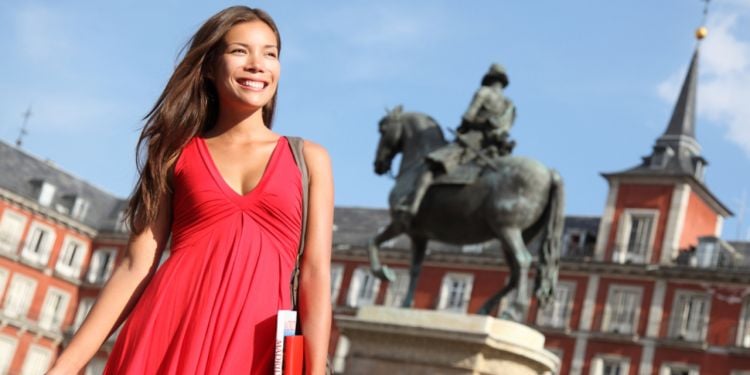
Retiring in Madrid
Madrid is a popular destination for retirees because of its high-quality healthcare system, large international expat community, and excellent public transit connections with the rest of the country. Expats with sufficient means can apply for the Non-Lucrative Visa (NLV), which allows residence in Spain but does not permit any gainful employment or business activity.
Healthcare and insurance
To access the public SNS, new residents must secure residency, register with Social Security, and obtain a Tarjeta Sanitaria Individual from their local health center. Many retirees also invest in private insurance for immediate access to specialists and English-speaking doctors, typically paying between €50 - €150 per month (but older age groups may pay €120–€250+ depending on plan and health status).
Living costs and community
Expats seeking convenient access to central amenities yet comfortable living often look at residential districts like Chamberí, Retiro or Salamanca — each well connected and sought‑after. However these are among the more premium zones in Madrid, meaning higher rents or property prices compared with more peripheral neighbourhoods.
Education and schools in Madrid
Families in Madrid can choose between public, semi-private (concertados), or private schools. Public schools follow the Spanish curriculum, while international schools offer British, American, or bilingual programs. Education is compulsory for children aged 6 to 16. Teaching is usually in Spanish, though some schools also provide bilingual programs in Spanish and English.
International schools
Madrid has a wide range of international schools, including the American School of Madrid, King’s College, and Hastings School. Some follow the International Baccalaureate, while others offer British or American programs. Fees vary considerably — for example, many fall in the range €8,000–€20,000 per year, and some high‑end schools may charge more.
Popular options include:
- King’s College Madrid
- American School of Madrid
- International College Spain
Enrollment process
To enroll in a public or semi-private school, families must register with their local town hall (ayuntamiento) and provide proof of address. For international schools in Madrid, applications can usually be made directly through the school’s admissions office. Spaces are often limited, so applying early is advised.
Sources: Ayuntamiento de Madrid, Ministerio de Educación y Formación Profesional

International schools in Madrid
With its sunny climate, world-class healthcare, recreational activities, job opportunities and family-friendly atmosphere, it's no surprise that ...
Accommodation in Madrid
Madrid’s housing market offers a mix of classic and contemporary options, from elegant apartments in historic districts to modern flats in newer residential areas. Demand is steady across the city, with prices typically influenced by location and proximity to public transport.
Where expats live
Popular neighborhoods include:
Salamanca – luxury apartments, designer shopping, and restaurants.
Chamberí – family-friendly, residential, traditional architecture.
Chamartín – modern apartments, business centers, green spaces.
Retiro – parks, culture, and a central location.
Rental prices and rental process
Rental costs for accommodation in Madrid vary by neighborhood, property size and condition. Central areas and well-connected zones are generally more expensive, while outer districts offer better value. Many leases are for at least one year (and often set up for automatic renewal). A standard security deposit in Madrid is one month’s rent for a permanent contract, though furnished or shorter‑term rentals may ask for two months or additional guarantees. Many renters use real‑estate agents to manage viewings, contracts and paperwork.
1-bedroom city center apartment | €1,050 - €1,800 |
3-bedroom city center apartment | €1,800 - €3,400 |
Data correct as of November 2025.
Source: Numbeo
🔍To learn more
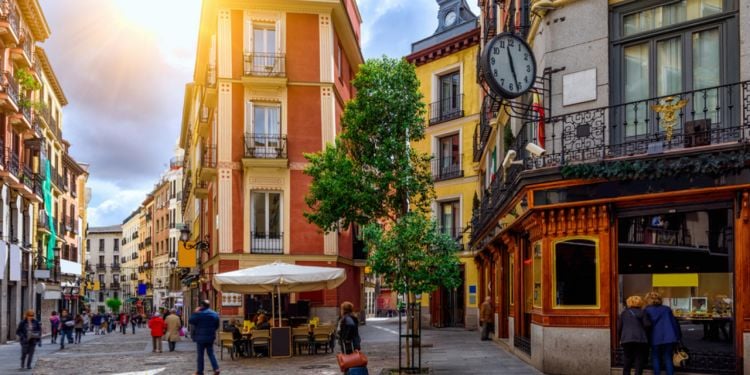
Accommodation in Madrid
Madrid, the bustling capital of Spain, is a popular destination for thousands of expatriates each ...
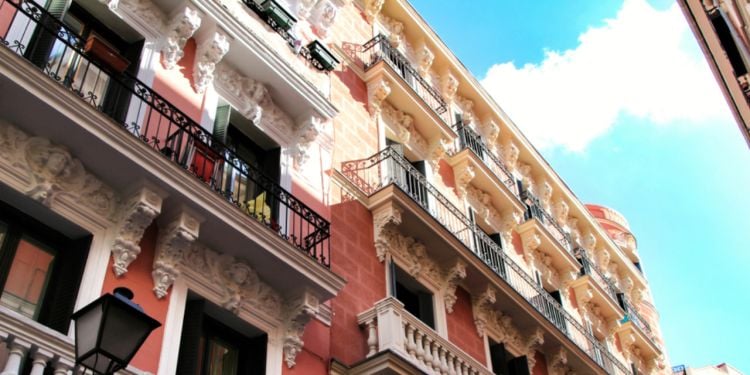
Buying property in Madrid
Madrid, Spain's vibrant and bustling capital, has become a popular destination for expats ...
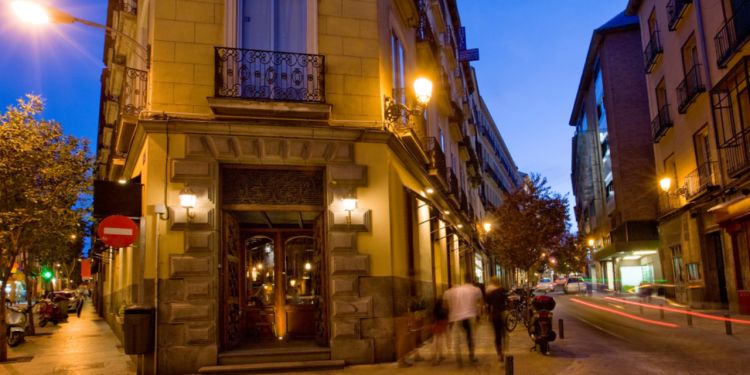
Choosing your neighbourhood in Madrid
Location is probably the most important determining factor when purchasing a home. You see, no ...
Leisure in Madrid
There is plenty to see and do in Madrid to keep you entertained. From world-class museums to open-air cafés, the city has something for everyone year-round.
Cultural attractions
Highlights include the Prado Museum, Reina Sofía, and the Royal Palace of Madrid. The city also hosts major events such as the San Isidro Festival and Madrid Pride, which fill the streets with music and celebration. Madrid’s theaters, live music venues, and art galleries have rich and varied programs throughout the year.
Outdoor and social life
Parks like El Retiro and Casa de Campo are popular for walking, cycling, picnics and family outings. The park along the Manzanares River offers running tracks and green spaces too. Tapas terraces, bustling plazas, and cozy cafés provide plenty of opportunities to socialize. Football is a major pastime, with Real Madrid and Atlético Madrid drawing passionate support across the city.
🔍To learn more
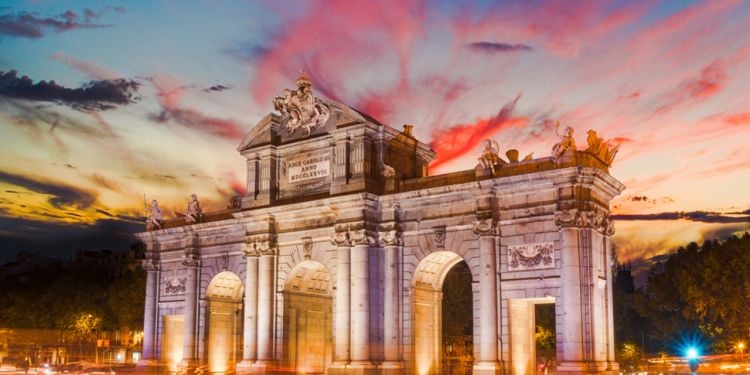
Leisure activities in Madrid
As the country's dynamic capital, there is always something going on in Madrid. Boasting some ...

Things to do alone or with people in Madrid
When it comes to finding ways of enjoying your free time, Madrid doesn't disappoint. The ...
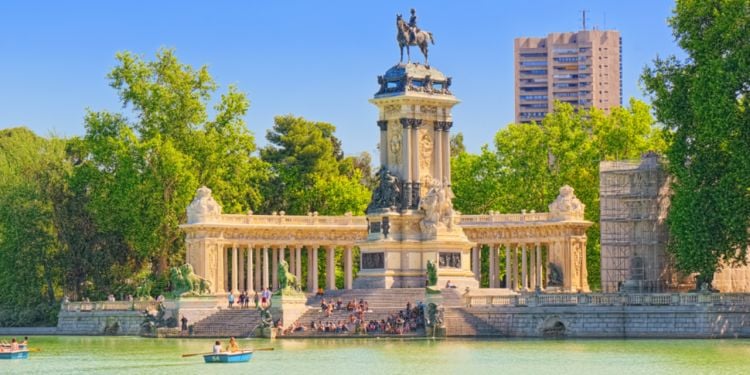
Indoor and outdoor sports activities in Madrid
Football may be the first thing that comes to mind when you think of Madrid. While locals are ...
Everyday life in Madrid
Madrid is a city of contrasts: formal at work, spontaneous after hours. The days are busy, but people take time to enjoy the small rituals that define life here—an early café con leche (coffee with milk), a quick lunch menu del día, or a late dinner that stretches past midnight. The capital mixes a professional atmosphere with an easy sociability that keeps its streets lively well into the night.
Living like a local
Madrileños prize conversation and community. Social life often centers around local bars, cultural centers, and neighborhood fiestas. Sundays are for relaxing—strolling through a market like El Rastro, reading the paper in a park, or gathering for a long family meal.
Everyday essentials
Daily life in Madrid follows a rhythm all its own. Most shops and supermarkets stay open throughout the day, though small family-run stores in residential neighborhoods may close briefly in the afternoon for lunch/siesta. Meals happen later than in many countries, with lunch around 2–3 p.m. and dinner often after 9 p.m. While supermarkets are convenient, many residents still prefer their neighborhood panadería (bakery) or frutería (greengrocer) for fresh produce and to see familiar faces.
🔍To learn more

Discovering Madrid
Madrid offers expats a great mix of cosmopolitan city and classic European charm. Daily life in ...
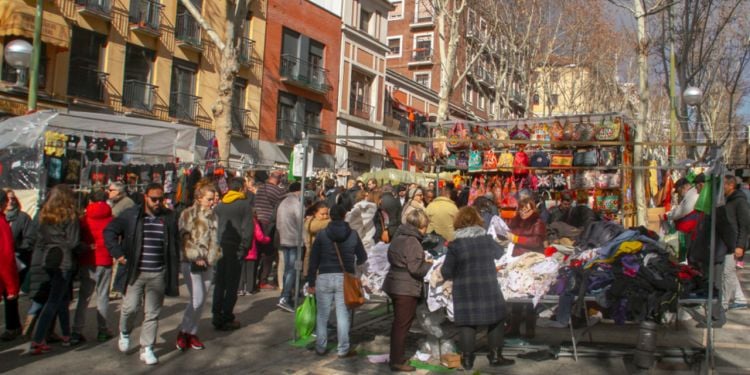
Local culture in Madrid
Madrid is the capital of Spain, a lively and welcoming city in the middle of the country with ...

Developing a social circle in Madrid
Having a support system of friends, acquaintances and colleagues is important for navigating ...
Cost of living in Madrid
Madrid offers the convenience of a major European city while keeping everyday costs relatively moderate compared to some northern European capitals. Groceries, transport, and leisure are generally cheaper than in northern Europe, though salaries tend to be slightly lower.
Monthly expenses for a single person
Rent (1-bedroom city center apartment) | €1,050 - €1,800 |
Groceries | €180 -€300 |
Utilities | €100 - €250 |
Data correct as of November 2025.
Monthly expenses for a family of four
Rent (3-bedroom city center apartment) | €1,800 - €3,400 |
Groceries | €700 - €800 |
Utilities | €200 - €300 |
Data correct as of November 2025.
Sources: Numbeo, LifeCost, RelocateMe
In short
As one of Europe’s liveliest capitals, Madrid attracts people from across Spain and around the world. Excellent transport, healthcare, education, and leisure options make it an attractive choice for professionals, families, and retirees alike. Its diverse neighborhoods cater to a wide range of lifestyles, from lively urban hubs to quieter, family-friendly areas. With abundant cultural events, green spaces, and opportunities for socializing, there is something for everyone. If you have any questions about what life is like in the city, join the Expat.com Madrid forum to connect with fellow expats, share experiences, and get practical advice from those who have already made the move.
We do our best to provide accurate and up to date information. However, if you have noticed any inaccuracies in this content, please contact us.


News & testimonies
Finding happiness in Spain
Born in Rome, Valeria is an Italian teacher who has been looking for professional experience abroad. Her passion about the Spanish language and culture lead her to Madrid where she set up her own language school with students from all around the world. Valeria talks about her exciting expat experience to Expat.com and everything that makes her feel at home.
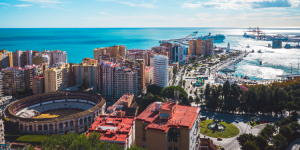
AI, healthcare and construction lead hiring in Spain
Thinking about moving to Spain for work? With economic growth projected at +2.5% in 2025 (according to the OECD), the country is positioning itself as an attractive destination for international talent. Here is a closer look at the sectors and professions expected to offer the strongest opportunities this year.

Building a life in Mallorca: Doug Underwood's story of work, community, and home
For many, moving abroad is a leap into the unknown. For Doug Underwood, arriving in Mallorca in 2019 turned into a journey of building community, adapting to island life, and finding a true sense of home. What started as a work opportunity grew into something much bigger, from professional projects to co-hosting Curiosity Night, a monthly gathering for expats and locals alike. In this interview, Doug shares the rewards and challenges of expat life in Mallorca, his advice for newcomers, and what makes the island such a unique place to live.
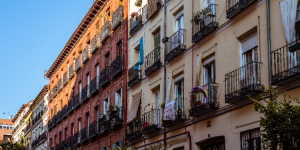
Is Spain's housing shortage forcing expats to leave?
Spain's housing crisis shows little sign of improvement. With rents soaring, both locals and expats are being priced out of their homes. Some are forced to move further from city centers in search of affordable options, while others face the difficult decision to leave the country altogether. For many expats, the Spain they experience today feels far removed from the one they once embraced.
Essential services for your expat journey