

Living in the Basque Country: the ultimate expat guide
Everything you need to know for a successful life in the Basque Country.
The Basque Country (Euskadi in Basque, País Vasco in Spanish) is an autonomous community in northern Spain that combines industrial strength with exceptional quality of life. With a population of 2.24 million spread across three provinces—Bizkaia, Gipuzkoa, and Araba—the region offers a distinctive blend of ancient culture, modern cities, and stunning landscapes along the Bay of Biscay. The Basque people maintain Europe's oldest surviving language (Euskara), world-renowned gastronomy, and a thriving economy that consistently outperforms the rest of Spain.
Why Choose the Basque Country?
This region stands apart from other Spanish destinations due to its unique cultural identity, economic prosperity, and balanced lifestyle. Unlike the tourist-heavy Mediterranean coast, the Basque Country offers a more authentic experience with strong local traditions while remaining thoroughly modern and internationally connected.
5 Good Reasons to Move to the Basque Country
- Lowest unemployment in Spain – At around 6-7%, the Basque unemployment rate is roughly half the national average, with strong demand for skilled professionals.
- Highest salaries in the country – Average gross monthly salaries of €2,308 lead all Spanish regions, reflecting the robust industrial economy.
- World-class gastronomy – More Michelin stars per capita than almost anywhere on Earth, plus the legendary pintxos bar culture.
- Outstanding quality of life – Clean cities, excellent healthcare, efficient public transport, and easy access to beaches, mountains, and countryside.
- Rich cultural scene – From the Guggenheim Museum Bilbao to the San Sebastián International Film Festival, cultural offerings rival major European capitals.
Working in the Basque Country: Careers and Opportunities
The Basque Country is Spain's industrial powerhouse, accounting for over 10% of the nation's manufacturing output despite having just 4.6% of the population. The region has successfully transformed from traditional heavy industry into a hub for advanced manufacturing, renewable energy, and innovation. This economic strength translates into abundant job opportunities and competitive salaries for qualified professionals.
Key Industries and Employers
The economy is built on advanced manufacturing, with strong clusters in automotive (Mercedes-Benz, Irizar), aeronautics (ITP/Rolls-Royce, Aernnova, Sener), energy (Iberdrola, Siemens Gamesa, Petronor), and machine tools. The region is home to global players like Mondragon Corporation, one of the world's largest worker cooperatives. Emerging sectors include biotechnology, supported by the Basque BioRegion initiative, and the growing tech startup ecosystem through programs like BIND 4.0. Tourism and hospitality have expanded significantly since the Guggenheim effect transformed Bilbao's image internationally.
Work Permits and Employment
EU/EEA citizens can work freely without permits and need only register with Social Security once employed. Non-EU nationals require a work authorization before applying for a visa. Employers must first advertise positions through the public employment service; if no suitable EU candidate is found, they may sponsor a foreign worker. Initial work permits are valid for one year and are renewable up to four times under the 2025 regulations. Highly qualified professionals may qualify for the EU Blue Card, and Spain's Digital Nomad Visa (requiring income of at least €2,762/month) offers another pathway for remote workers.
The following table summarizes key employment indicators for the Basque Country:
Unemployment Rate (2024) | 6-7% (vs. 10.45% national average) |
Average Gross Monthly Salary | €2,308 (highest in Spain) |
Key Sectors | Manufacturing, Energy, Automotive, Aeronautics, Biotech |
Sources: INE (National Statistics Institute), Eustat (Basque Statistics Institute)
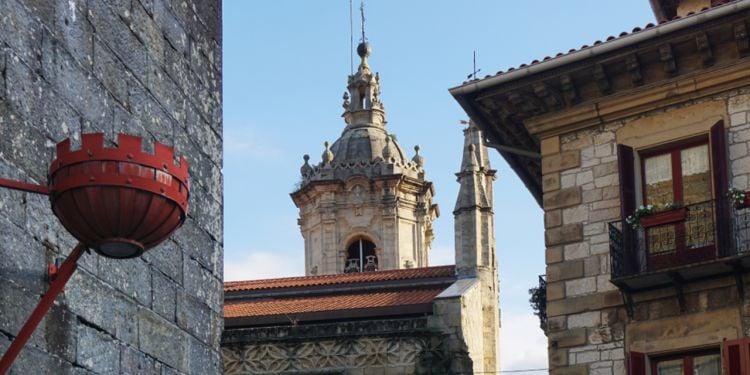
Working in the Basque Country
The Basque Country is one of Spain's 17 autonomous regions, an attractive and diverse area covering 7,234 square kilometers in the northern part ...
Higher Education and Universities in the Basque Country
The Basque Country offers excellent higher education opportunities anchored by the University of the Basque Country (UPV/EHU), a major public research institution designated as an International Campus of Excellence by Spain's Ministry of Education. With over 50,000 students and 5,000 academic staff, UPV/EHU provides comprehensive programs across all disciplines in a bilingual environment (Spanish and Basque, with some English-taught courses).
Main Universities and Campuses
The UPV/EHU operates across three campuses: Bizkaia Campus (Leioa, Bilbao, Portugalete), Gipuzkoa Campus (San Sebastián, Eibar), and Araba Campus (Vitoria-Gasteiz). The university offers 82 undergraduate degrees, over 100 master's programs, and 71 doctoral programs. Research is a major strength, with the university conducting 90% of basic research in the Basque Country. Private institutions include the University of Deusto in Bilbao (founded 1886), known for law, business, and humanities, and Mondragon University, specializing in engineering and cooperative enterprise. The prestigious Basque Culinary Center in San Sebastián offers world-class gastronomy and culinary innovation programs.
International Students and Admissions
International students benefit from over 900 exchange agreements with universities worldwide, including Erasmus+ and Latin American partnerships. Tuition fees at public universities are relatively affordable compared to the UK or US, typically ranging from €1,500 to €2,500 per year for EU students, with higher rates for non-EU nationals depending on the program. Admission requires credential verification through UNED (for undergraduate) or direct application to the university (for postgraduate). Most programs require Spanish proficiency, though some master's degrees are taught in English.
Sources: University of the Basque Country (UPV/EHU), University of Deusto
Schooling for Children: Education Options for Families
The Basque education system is administered regionally, with instruction available in Spanish, Basque (Euskara), or a combination of both. Public schools are free and of good quality, though the unique linguistic environment means most state schools teach primarily in Basque—something to consider if you're relocating temporarily. For families seeking English-language instruction, several international schools serve the expatriate community, predominantly located in the Bilbao metropolitan area.
Public and Private School Options
The Basque public school system uses three models: Model A (mainly Spanish with Basque as a subject), Model B (mixed Spanish and Basque), and Model D (primarily Basque). Children generally adapt well to language immersion, though the dual-language context requires consideration. Semi-private (concertado) schools offer subsidized alternatives with varied approaches. For temporary relocations, international schools provide curriculum continuity. In Bilbao, the American School of Bilbao (ASB) offers a US-style education from pre-K through 12th grade leading to an American High School Diploma. St. George's British International School follows the English National Curriculum from age 2 to 18. The Deutsche Schule Bilbao provides German-Spanish bilingual education leading to the Abitur, while the Lycée Français de Bilbao follows French national programs recognized by both French and Spanish authorities.
Enrollment and Fees
Public school enrollment is managed through the Basque Department of Education portal, typically opening in February for the following academic year. International school fees vary: St. George's British International School charges approximately €6,500-8,000 per year depending on grade level, with first-year fees slightly higher due to enrollment costs. Waiting lists at popular international schools can extend several years, so early application is essential.
Sources: Basque Government Department of Education, St. George's British International School
Housing and Neighborhoods: Where to Live
The Basque housing market is more affordable than Madrid or Barcelona while offering high-quality urban living. Bilbao, the largest city, provides the widest choice of apartments and the most active rental market. San Sebastián commands a premium for its beaches and gastronomy scene—expect prices 15-20% higher than Bilbao. Vitoria-Gasteiz, the political capital, offers the best value and is regularly ranked among Spain's most livable cities.
Expat-Friendly Neighborhoods
In Bilbao, the Abando and Indautxu districts are central, upscale, and close to the Guggenheim—ideal for professionals but pricier. Deusto offers a student-friendly atmosphere near the university. Santutxu and Basurto provide more affordable options while remaining well-connected by metro. Across the river, Getxo is a wealthy suburb popular with families, offering beaches and excellent schools. In San Sebastián, the Centro and Gros neighborhoods are popular with expats for their proximity to beaches and pintxos bars. Antiguo is quieter and more residential. In Vitoria-Gasteiz, the medieval old town (Casco Viejo) and Ensanche offer the most character.
Rental Prices and Process
Renting typically requires a deposit of 2 months' rent plus the first month upfront. Agency fees, where applicable, add one month's rent. Landlords may request proof of income (often 3x monthly rent) and references. Popular rental platforms include Idealista, Fotocasa, and Pisos.com. Be cautious of scams—up to 20% of online listings may be fraudulent. Working with a local agent is advisable for non-Spanish speakers.
1-Bedroom (Bilbao city center) | €900-1,000/month |
1-Bedroom (Bilbao suburbs) | €700-850/month |
3-Bedroom (Bilbao city center) | €1,400-1,800/month |
1-Bedroom (San Sebastián center) | €1,100-1,300/month |
Sources: Numbeo (2025), Idealista
Leisure, Culture, and Things to Do
The Basque Country punches far above its weight culturally, with world-class museums, internationally acclaimed festivals, and a gastronomy scene that draws food lovers from across the globe. Whether you prefer contemporary art, outdoor adventures, or simply wandering through atmospheric old towns sampling pintxos, there's something to match every interest.
Museums and Cultural Highlights
The Guggenheim Museum Bilbao needs no introduction—Frank Gehry's titanium masterpiece transformed the city and remains one of the world's most celebrated contemporary art museums. The Museo de Bellas Artes de Bilbao houses an excellent collection spanning the 12th century to today. In San Sebastián, the San Telmo Museoa explores Basque society and history in a converted 16th-century convent. The annual San Sebastián International Film Festival (held every September) is Spain's most prestigious, regularly attracting Hollywood stars and global cinema talent—ranked among the top cultural events in the country.
Outdoor Activities and Sports
The Basque coast offers some of Europe's best surfing, with Mundaka famous for its left-hand river-mouth wave. The beaches of La Concha in San Sebastián and Sopelana near Bilbao are excellent for swimming and watersports. Inland, the Basque Mountains provide year-round hiking, and winter skiing at Aralar and nearby Pyrenean resorts. Football fans can experience passionate match days at San Mamés (Athletic Club Bilbao) or Anoeta (Real Sociedad). Traditional Basque sports like pelota (similar to handball) and rural sports festivals showcase the region's unique heritage.
Gastronomy and Nightlife
With more Michelin stars per capita than almost anywhere on Earth, the Basque Country is a culinary pilgrimage site. Beyond fine dining, the pintxos bar-hopping culture is essential—particularly in San Sebastián's Parte Vieja and Bilbao's Casco Viejo. Cider houses (sagardotegiak) offer traditional menus and the txotx ritual of tasting cider directly from massive barrels. Nightlife centers on the old towns, with bars open late and clubs getting started well after midnight.
Sources: Guggenheim Bilbao Museum, San Sebastián Film Festival
Daily Life in the Basque Country
Daily life in the Basque Country follows a distinctly Spanish rhythm—late lunches, even later dinners—but with a more temperate climate and a strong sense of regional identity. The oceanic climate means mild temperatures year-round (average 14°C), frequent rain (especially October-April), and lush green landscapes. Summers are warm but rarely hot, making it a refreshing alternative to Spain's scorching south. The strong Basque identity is visible everywhere, from bilingual street signs to the prevalence of Euskara in everyday life.
Public Transportation
Public transport is excellent, especially in Bilbao. The Metro Bilbao (designed by Norman Foster) is clean, efficient, and covers the greater metropolitan area with three lines. The Euskotren commuter rail connects Bilbao with San Sebastián and towns throughout the region. Local buses (Bilbobus for city routes, Bizkaibus for provincial coverage) complement the network, along with the modern tramway. The Barik card (€3 to purchase) is a rechargeable smart card valid on all transport modes in Bizkaia, with single trips costing approximately €0.65-1.60 depending on zones. A monthly unlimited pass costs around €40. San Sebastián has its own efficient bus network (Dbus) and the Basque regional government is extending the Euskotren network.
Lifestyle and Culture
The famous pintxos culture—hopping between bars sampling small bites with drinks—is central to social life. Expect to dine around 2pm for lunch and 9-10pm for dinner. Sundays are traditionally family days with many shops closed. The region is ideal for outdoor enthusiasts: the Costa Vasca offers beaches and surfing (Mundaka is legendary), while the Pyrenean foothills provide excellent hiking and skiing. Football loyalties run deep—Athletic Club Bilbao and Real Sociedad are sources of fierce local pride.
Cost of Living: What to Expect
The Basque Country is moderately expensive by Spanish standards but affordable compared to major Northern European cities. Bilbao offers the best balance of urban amenities and reasonable costs, while San Sebastián commands a premium. Overall, expect to spend 15-25% less than in London, Paris, or Munich for a comparable lifestyle. Salaries in the region are the highest in Spain, which helps offset the slightly elevated costs.
Monthly Budget: Single Person
The following table provides estimated monthly costs for a single person living in Bilbao:
Rent (1-bedroom, city center) | €950 |
Utilities (electricity, water, gas, internet) | €95 |
Groceries | €250 |
Public Transport (monthly pass) | €40 |
Dining/Entertainment | €200 |
Private Health Insurance | €60 |
Total Estimated | €1,595/month |
Monthly Budget: Family of Four
The following table shows estimated costs for a family of four with two school-age children:
Rent (3-bedroom apartment) | €1,500 |
Utilities | €150 |
Groceries | €600 |
Transport | €80 |
International School Fees (x2) | €1,200 |
Health Insurance (family) | €200 |
Leisure/Extras | €400 |
Total Estimated | €4,130/month |
Sources: Numbeo (2025), Eustat
In Short
The Basque Country offers a rare combination: economic prosperity, cultural richness, and exceptional quality of life in one of Europe's most distinctive regions. With Spain's lowest unemployment, highest salaries, world-famous cuisine, and a unique identity stretching back millennia, it's no surprise that more expatriates are discovering this corner of the Iberian Peninsula. Whether you're drawn by career opportunities in advanced manufacturing, seeking a better work-life balance, or simply captivated by the landscape and culture, the Basque Country delivers on its promises. The welcoming local community and growing international population make integration smoother than you might expect.
Ready to start your Basque adventure? Connect with fellow expats, ask questions, and share experiences on the Expat.com Basque Country forum—your gateway to practical advice from those who've already made the move.
We do our best to provide accurate and up to date information. However, if you have noticed any inaccuracies in this content, please contact us.


Essential services for your expat journey