Living in Malta: the ultimate expat guide
Everything you need to know for a successful life in Malta.
Located in the heart of the Mediterranean, Malta is a prime destination for living abroad. The archipelago enjoys over 300 days of sunshine per year and a mild Mediterranean climate, perfect for an outdoor lifestyle. English and Maltese are the two official languages, making professional and social integration straightforward.
The country attracts people for its favorable tax regime, employment opportunities, and strategic position between Europe and Africa. Living costs vary by location: Valletta, Sliema, and St Julian's are highly sought after, while Gozo offers a quieter setting.
Malta also appeals for its rich historical heritage, Mediterranean culture, and year-round access to the sea.
Key facts
Area | 316 km² |
Population | approximately 542,000 inhabitants |
Foreign population | ~158,000 or 28% of the population, in 2023 |
Capital | Valletta |
Official languages | Maltese and English |
Currency | The euro |
Climate | Mediterranean, average annual temperature 19°C |
Administrative requirements in Malta
Relocating to Malta involves completing certain formalities to live and work legally on the archipelago. Procedures vary depending on your nationality and length of stay.
💡 Main steps:
- Residence registration: mandatory for stays exceeding 3 months, through Identity Malta.
- Work permit: required for non-EU nationals; often arranged by the employer.
- Tax Identification Number (TIN): necessary for any paid activity and tax obligations.
- Social security registration: enroll with the Department of Social Security to access local benefits.
- Bank account opening: useful for receiving salary and managing local expenses.
Some procedures can be completed online, but it's recommended to prepare your documents before arrival to save time.
📍 Learn more
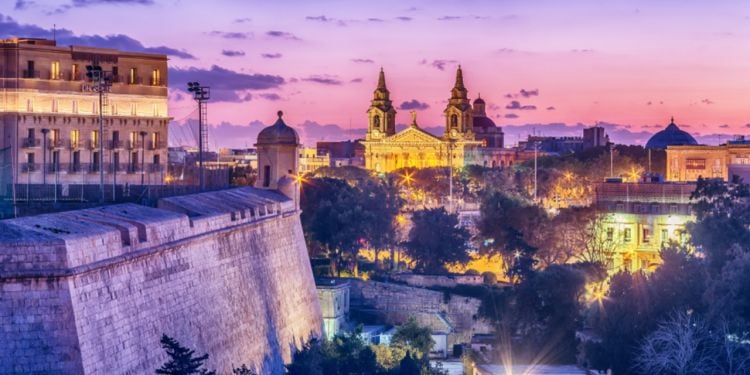
How to obtain a visa for Malta
For a successful move to Malta, it's essential to know the travel conditions and whether ...
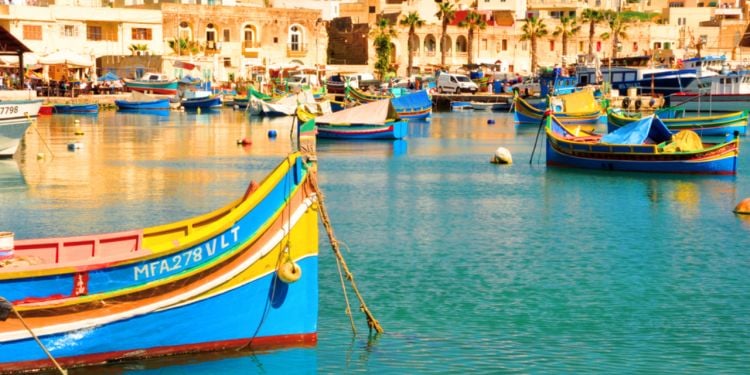
Obtaining a residence and work permit in Malta
Obtaining a resident card and work permit is an essential step for any expatriate in Malta. ...
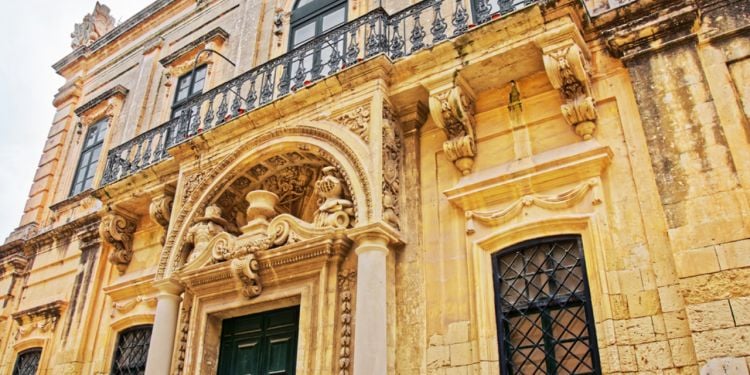
How to obtain Maltese Citizenship by Investment
Many foreigners choose to settle in Malta to take advantage of its thriving economy, stable ...
Working in Malta
Malta offers a dynamic job market driven by growing sectors and a business-friendly environment. English as an official language facilitates professional integration.
Main hiring sectors
- iGaming and information technology
- Finance and business services
- Tourism, hospitality, and catering
- English language teaching (EFL)
- Construction and real estate
Starting a business: key points
- Quick registration procedures through Malta Business Registry
- Attractive corporate tax system
- Favorable ecosystem for startups and foreign investors
Employment figures in Malta
Unemployment rate | 3% in 2023 |
Average gross monthly salary | ~EUR 1,850 |
Share of foreigners in employment | 32% of the workforce |
Legal working hours | 40 h/week |
📍 Learn more
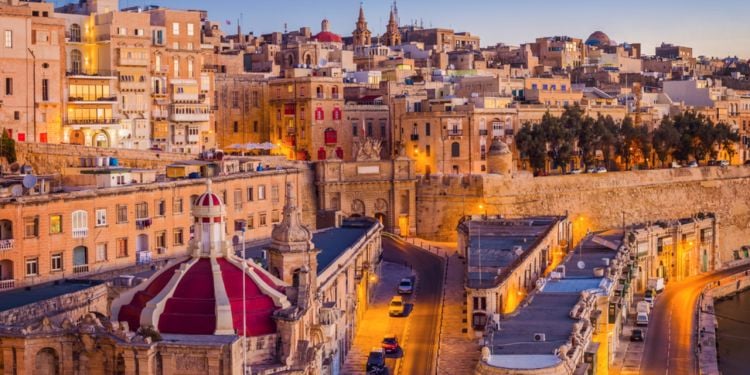
Finding a job and working in Malta
Malta is world-famous for its postcard-worthy beaches and stunning landscapes. Indeed, this small ...
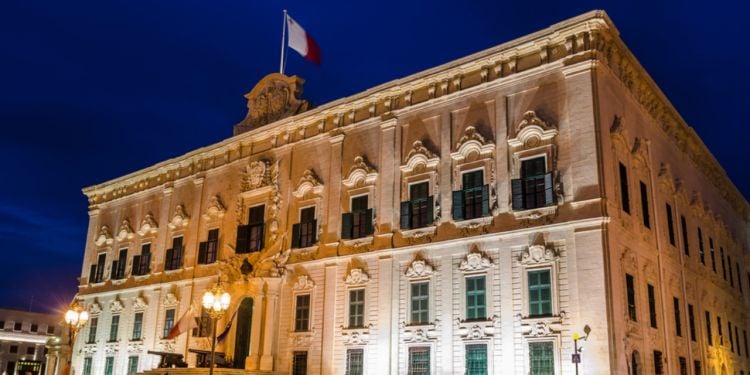
How to create a business in Malta
Starting a business in Malta is quite straightforward. In recent years, the various incentives ...
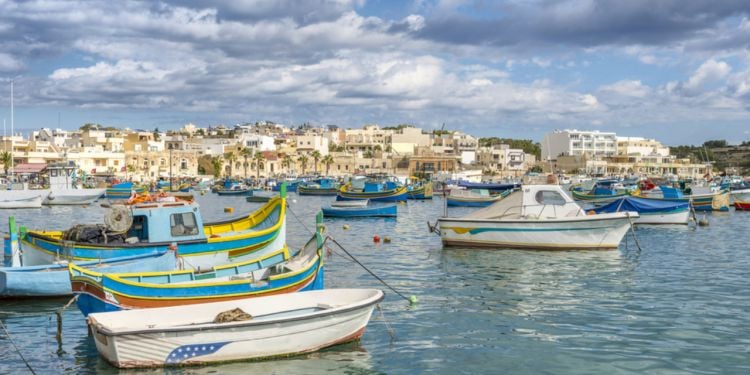
How to find an internship in Malta
By undertaking an internship in Malta, you'll gain an enriching and formative experience. For ...
Studying in Malta
Malta offers quality higher education, recognized across Europe, and attracts students from around the world each year. English as an official language facilitates integration and access to programs.
💡 Good to know:
- The University of Malta is the main public institution, offering courses in arts, sciences, law, health, engineering, and more.
- Presence of specialized institutes: hospitality, tourism, business, or IT schools.
- Teaching is predominantly in English, with some courses in Maltese.
- Degrees are internationally recognized as they're aligned with the European Bologna process.
- Tuition fees are free for Maltese and EU citizens in public programs, paid for non-EU students.
- Student life is very enjoyable: active campuses with numerous associations organizing cultural and sports events.
📍 Learn more

Higher education in Malta
Many young foreigners choose Malta for their higher education. The Republic enjoys a strong reputation for its quality academic system. Whether ...
Retiring in Malta
Malta attracts many retirees thanks to its sunny climate, quality healthcare system, and advantageous tax treatment for certain pensions. Safety, proximity to Europe, and widespread use of English facilitate settlement.
💡 What to remember:
- Mild climate year-round, conducive to an active lifestyle
- Access to public and private healthcare, with possible coverage via EU or private insurance
- Mediterranean living environment, rich in culture and activities
- Specific tax programs for eligible foreign retirees
- Choice of living in lively areas or quieter settings, depending on preferences
Key figures
Legal retirement age | 65 years |
Life expectancy | 82.9 years |
Share of 65 and over | 20.3% of the population |
Average cost of 1-bedroom accommodation | ~EUR 900/month in urban areas |
📍 Learn more

Retiring in Malta
As retirement approaches, many people choose to spend their golden years in a country with a more pleasant climate, making the most of their free ...
Finance and banking in Malta
Malta has a modern and stable banking sector, with services accessible to residents and expatriates. With the euro as the local currency, transactions within the eurozone are simplified.

Healthcare in Malta
Malta has a public and private healthcare system renowned for its quality. Public healthcare is free for residents registered with social security, while the private sector offers shorter waiting times.
💡 Good to know:
- Residents and contributing workers have access to public healthcare
- The European Health Insurance Card (EHIC) is valid for temporary stays of EU citizens
- Malta has numerous private hospitals and clinics, especially in urban areas
- Pharmacies are well distributed, some open for on-call service
- The country's sunny climate is beneficial to health, but caution is needed during summer heat
- Private health insurance is recommended for faster access to specialists
📍 Learn more


Schooling your children in Malta
Malta offers an education system inspired by the British model, accessible to children from age 5. Classes are taught in Maltese and English, depending on the institution, and education is free in public schools. There are about ten private establishments, mainly around Valletta and Sliema, where programs are in English and class sizes are limited.

Education in Malta
Are you thinking about relocating to Malta with your family but concerned about schooling? This guide outlines everything you need to know about the ...
Finding accommodation in Malta
The Maltese property market is dynamic, with strong demand in urban and tourist areas. Rents vary according to location, property size, and proximity to services.
💡 What to remember:
- High concentration of properties in Sliema, St Julian's, Valletta, and Gżira
- More affordable rents in southern Malta or on Gozo island
- Rental contracts are generally signed for 6 to 12 months
- Typical security deposit represents 1 month's rent
- Buying property in Malta is possible for foreigners, subject to certain conditions
- Real estate agencies and online platforms are widely used for finding accommodation
- Average property search takes 2 to 4 weeks
📍 Learn more
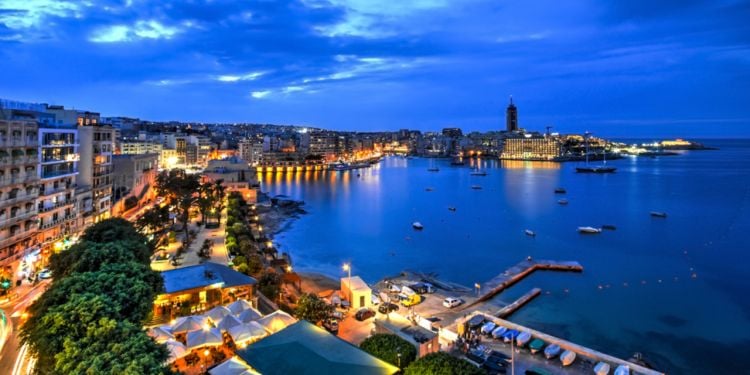
How to find housing and rentals in Malta
If you're planning to relocate to Malta, one of your top priorities will be securing ...
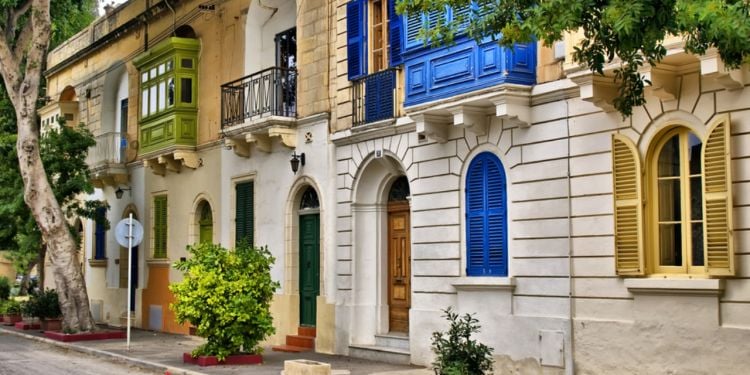
Buying property in Malta
Maltese real estate market has been thriving in recent years. This is largely due to the increasing ...

Accommodation in Valetta
When moving to a new country, it may be easier to connect and meet new people in an urban ...
Moving to Malta
Preparing a move to Malta requires anticipating formalities, transporting your belongings, and settling in. As the archipelago is an EU member, procedures are simplified for European citizens.
💡 What to remember:
- Most personal effects arrive by container or shared maritime shipping.
- No customs duties for EU citizens; specific procedures for non-EU nationals.
- For your pets, EU health regulations must be followed, a veterinary certificate will be required.
- Local registration of your personal vehicle is mandatory if staying more than 6 months.
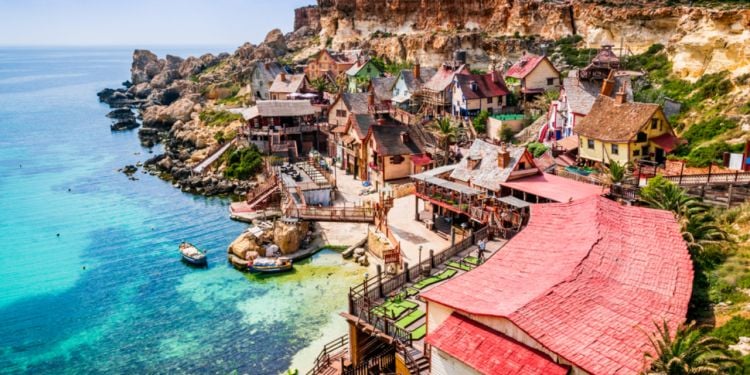
Leisure activities in Malta
Malta offers a wide range of activities for all tastes, thanks to its sunny climate and rich heritage. The archipelago combines outdoor pursuits, cultural discoveries, and vibrant nightlife.
💡 Our recommendations
- Water sports enthusiasts will be delighted: diving, snorkeling, sailing, and boat excursions to Comino and Gozo.
- Malta's historical heritage is rich: megalithic sites, UNESCO-listed Valletta, fortresses, and museums.
- Don't miss the festas (traditional festivals), music festivals, and exhibitions.
- For nightlife, visit bars, clubs, and restaurants in St Julian's, Paceville, and Sliema.
- For nature and hiking lovers, we recommend the Dingli Cliffs and Gozo's coastal trails.
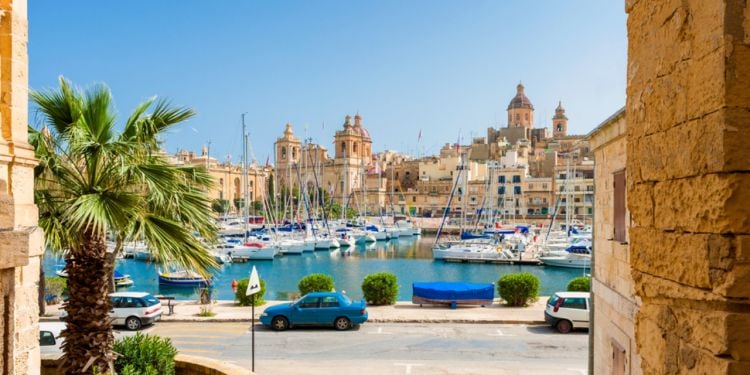
Leisure activities in Malta
Malta enjoys a beautiful Mediterranean climate with warm summers and cool and sunny winters, which allows for year-round outdoor activities. Indeed, ...
Daily life in Malta
Living in Malta combines the comfort of a European lifestyle with the relaxed Mediterranean atmosphere. Daily life is marked by pleasant weather, a strong international community, and a slower pace than continental Europe.
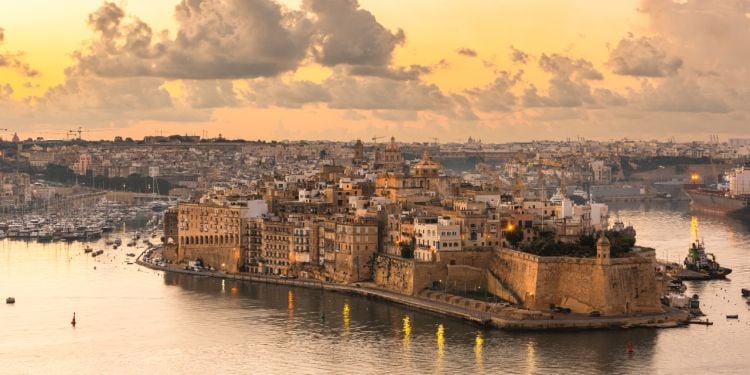
Discover Malta
Nestled in the heart of the Mediterranean, Malta captivates with its year-round sunshine, deep historical roots, and vibrant economy. As a natural ...
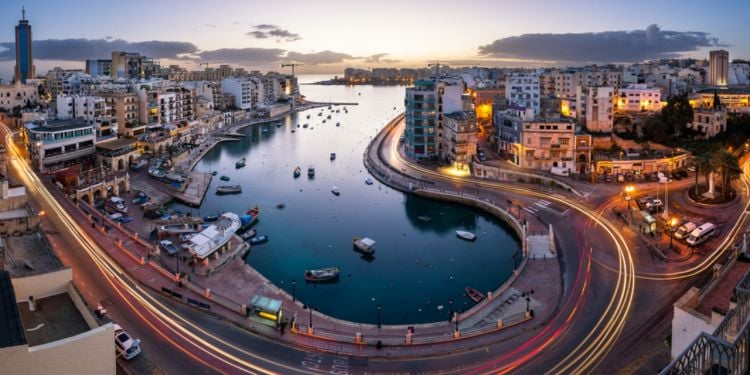
Transport in Malta
When moving to Malta, daily travel will quickly become part of your routine—whether commuting ...
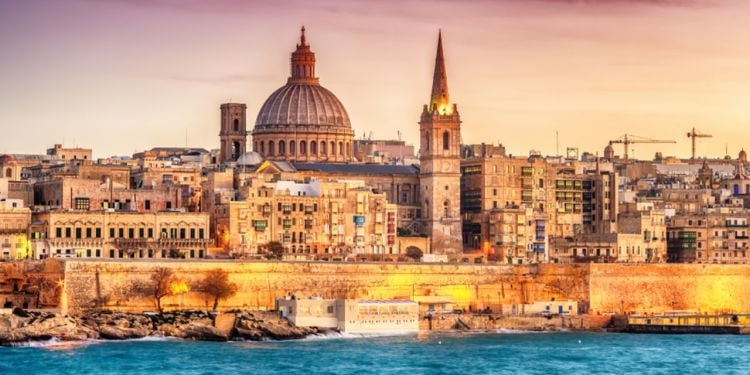
How to get around Valletta
Covering just about one square kilometer, Valletta is the smallest capital in the European Union. ...
In brief
Moving to Malta means choosing a sunny living environment, rich culture, and conditions favorable for both work and leisure. The archipelago appeals through its blend of Mediterranean traditions and European influences, offering newcomers smooth integration thanks to widespread English use and a dynamic international community.
Whether your project is professional, family-oriented, educational, or retirement-related, Malta provides varied opportunities in a safe and pleasant setting. Proper preparation (administrative procedures, residence choice, budgeting) will help you fully enjoy your settlement and make the most of everything the country offers.
Join the Malta expat community to connect with others and share experiences.
We do our best to provide accurate and up to date information. However, if you have noticed any inaccuracies in this content, please contact us.


News & testimonies

How to develop a social and professional network in Malta
Sunny weather, relaxed lifestyle and entrepreneurial mindset — Malta is well on its way to becoming one of Europe's top expat destinations, attracting affluent foreigners, expats, and well-travelled professionals looking to not only reside permanently on the island but also develop a professional network.

Top Ten Fun Things to Do in Malta
Travelling is a lot about enriching your personal experience and indulging into adventure. Malta is a destination that has something special to offer to all avid travellers. Built on rich history, cherished with wonderful festivals, and exceptional recreational resorts, the island has something for everyone to see no matter what their taste.
Top 5 things to do in Malta
If you are looking forward to relocate in Malta, you will probably want to explore the country during your leisure time. Expat.com is providing you with an overview of the best attractions in Malta.
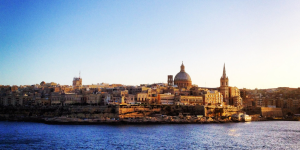
Pros and Cons of Moving to Malta
Relocating to another country is a big decision that requires a lot of careful thought. While there are dozens of great reasons to move to Malta, it's a change that isn't right for everyone. We've compiled a list of the most common pros and cons of making the move to help you decide what's best for you, your family, and your business.
Essential services for your expat journey