Living in Dresden: the ultimate expat guide
Everything you need to know for a successful life in Dresden.
Dresden, the capital of the Free State of Saxony, sits gracefully along the banks of the Elbe River in eastern Germany. Known as the Florence of the Elbe for its stunning Baroque architecture, this city of approximately 574,000 residents offers a unique blend of historical grandeur and modern innovation. Dresden has emerged as Germany's leading center for microelectronics and biotechnology while maintaining one of the most affordable costs of living among major German cities.
The city's reconstruction following World War II has created a fascinating urban landscape where meticulously restored landmarks stand alongside contemporary architecture. With its world-class museums, thriving research institutions, and vibrant cultural scene, Dresden provides an exceptional quality of life at a fraction of the cost of cities like Munich or Frankfurt.
Five Good Reasons to Move to Dresden
- Affordable living – Rent and daily expenses are 30-40% lower than in western German cities.
- Innovation hub – Home to Europe's largest microelectronics cluster, nicknamed "Silicon Saxony."
- Cultural richness – World-renowned museums, the Semperoper, and a thriving arts scene.
- Green spaces – Extensive parks, the Elbe meadows, and proximity to Saxon Switzerland National Park.
- Academic excellence – TU Dresden holds the prestigious University of Excellence status.
Working in Dresden: Opportunities in Tech and Innovation
Dresden's economy has transformed remarkably since German reunification, establishing itself as a powerhouse in high-technology sectors. The city offers excellent opportunities for skilled professionals, particularly in engineering, IT, and research fields. International workers benefit from Germany's streamlined visa processes including the EU Blue Card and the new Opportunity Card (Chancenkarte) introduced in 2024.
Key Industries and Employers
The semiconductor industry forms the backbone of Dresden's economy, with major employers including Globalfoundries, Infineon Technologies, and Bosch. The pharmaceutical sector is represented by companies like GlaxoSmithKline and Saxon Serumwerk Dresden. Volkswagen Sachsen operates a significant manufacturing facility in the region. The city hosts 46 research institutions, creating abundant opportunities in academia and applied sciences.
Work Permits and Requirements
EU citizens can work freely in Dresden. Non-EU professionals typically require either an EU Blue Card (minimum salary threshold of €45,300 annually, or €41,042 for shortage occupations) or a skilled worker visa. The Blue Card offers a path to permanent residency after 21-27 months. Dresden's concentration of tech companies makes it particularly attractive for IT professionals, who may qualify even without formal degrees if they have three or more years of relevant experience.
The following table provides an overview of Dresden's employment landscape:
Unemployment rate (Dresden) | Approximately 5-6% |
Average gross annual salary | €44,600 |
Key sectors | Semiconductors, pharmaceuticals, automotive, biotech, IT |
Sources: Federal Employment Agency, Statistical Office of Saxony
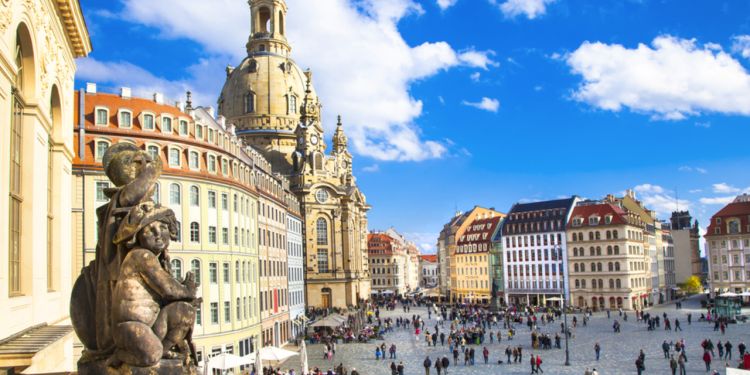
Working in Dresden
Dresden, also known as the Florence of Germany due to its location along the banks of river Elbe, is the capital city of the Free State of Saxony ...
Higher Education in Dresden: Academic Excellence and Innovation
Dresden is home to one of Germany's most prestigious universities and offers excellent opportunities for international students. The city's strong academic-industry connections create pathways from study to employment, particularly in STEM fields. International students benefit from Germany's policy of free tuition at public universities, making Dresden an attractive destination for higher education.
TU Dresden: A University of Excellence
Technische Universität Dresden (TU Dresden) is the city's flagship institution, holding Germany's coveted University of Excellence status since 2012. The university enrolls approximately 30,000 students from over 120 countries and offers 26 English-taught programs, primarily at the master's level. Key strengths include engineering, computer science, natural sciences, and biotechnology. Students pay only a semester contribution of approximately €300, which includes a public transport pass. Programs in English include Hydro Science and Engineering, Tropical Forestry, Cartography, and various engineering disciplines.
Other Institutions and Practical Information
The Dresden International University (DIU) offers specialized postgraduate programs with strong industry connections. The Hochschule für Technik und Wirtschaft Dresden (HTW Dresden) provides applied sciences programs. Admission to TU Dresden typically requires proof of English proficiency (IELTS 6.5+ or TOEFL 80+). The acceptance rate is approximately 46%, reflecting competitive standards. Non-EU students must demonstrate financial resources of approximately €11,208 per year through a blocked account (Sperrkonto).
Sources: TU Dresden, Dresden International University
Schooling for Children: International and Local Options
Families relocating to Dresden will find a range of educational options for their children. While the German public school system provides quality education, international families often prefer English-language alternatives that offer globally recognized curricula and smoother transitions for children accustomed to different educational systems.
Dresden International School
The Dresden International School (DIS) is the premier choice for international families, offering education from age 1 through Grade 12. As an IB World School accredited by NEASC, DIS provides all three International Baccalaureate programs: Primary Years, Middle Years, and Diploma Programme. The school community comprises approximately 510 students representing 55 nationalities. Located in Dresden's historic city center at Annenstraße 9, the campus features modern facilities including a large sports hall. German is taught alongside English to facilitate local integration, with Spanish and Mandarin available as additional languages.
Fees and Enrollment
Annual tuition at Dresden International School ranges from €10,416 to €16,375 depending on grade level. The application process includes an introductory conversation, interview, and placement assessments in Mathematics, English, and German where applicable. A minimum enrollment of six months is required. For families seeking German-language education, Dresden's public schools (Grundschule for primary, Gymnasium or Realschule for secondary) offer free education following the Saxon curriculum.
Sources: Dresden International School, International Baccalaureate Organization
Housing in Dresden: Affordable Living in Diverse Neighborhoods
Dresden offers remarkably affordable housing compared to other major German cities, with rents 30-50% lower than Munich or Frankfurt. The rental market provides options ranging from historic Gründerzeit apartments with high ceilings to modern developments. Understanding the distinction between Kaltmiete (cold rent, base cost) and Warmmiete (warm rent, including heating and some utilities) is essential when apartment hunting.
Popular Neighborhoods for Expats
Neustadt is Dresden's most cosmopolitan district, divided into Äußere Neustadt (bohemian, with cafés, bars, and alternative culture) and Innere Neustadt (upscale, with shopping and restaurants). Striesen attracts families with its tree-lined streets, excellent schools, and proximity to Großer Garten park. Blasewitz and Loschwitz offer elegant villas and a quieter atmosphere along the Elbe. Budget-conscious expats often choose Löbtau, Plauen, or Cotta for more affordable rents while maintaining good public transport connections.
Rental Costs and Procedures
Expect to pay approximately €750 per month for a one-bedroom apartment in the city center, or €500-600 in outlying areas. Three-bedroom apartments average €1,300 centrally and €800-900 in the suburbs. Nebenkosten (additional costs) typically run €2-3 per square meter. Landlords usually require a security deposit of two to three months' Kaltmiete. After moving in, residents must register their address (Anmeldung) at the local Bürgeramt within 14 days.
1-bedroom (city center) | €700-850/month |
1-bedroom (outside center) | €500-650/month |
3-bedroom (city center) | €1,200-1,400/month |
3-bedroom (outside center) | €800-1,000/month |
Sources: Numbeo, ImmoScout24
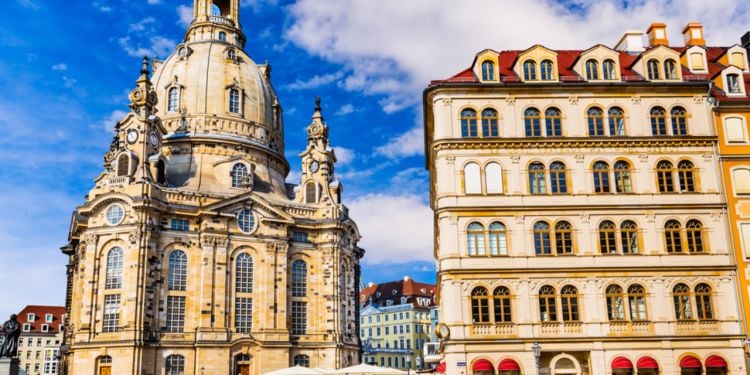
Accommodation in Dresden
Stretching over some 328km² in the Saxony region, Dresden is one of Germany's largest cities by area and the third-most populous city in ...
Leisure, Culture and Things To Do in Dresden
Dresden's cultural offerings rival those of cities many times its size. The meticulously restored Baroque old town provides a stunning backdrop for world-class museums, while the alternative Neustadt scene offers contemporary arts, live music, and vibrant nightlife. The city's location along the Elbe also makes it a gateway to outstanding natural attractions.
Museums and Cultural Highlights
The Zwinger Palace houses three exceptional museums: the Old Masters Picture Gallery (featuring Raphael's famous Sistine Madonna), the Porcelain Collection, and the Royal Cabinet of Mathematical and Physical Instruments. The Green Vault (Grünes Gewölbe) in Dresden Castle displays Europe's largest treasure collection. The Semperoper, one of the world's most beautiful opera houses, hosts performances by the renowned Saxon State Orchestra. The Albertinum showcases Romantic and contemporary art. Museum admission typically costs €10-15, with reduced rates for students. The MuseumsCard Dresden (approximately €25) provides access to 27 museums.
Parks, Recreation and Nightlife
The Großer Garten, covering 147 hectares, features a miniature railway, Dresden Zoo, and the Baroque Palais. The Elbe meadows offer 23 kilometers of riverside promenades perfect for cycling, jogging, or summer picnics. Day trips to Saxon Switzerland National Park, with its dramatic sandstone formations and the iconic Bastei Bridge, take under an hour. Neustadt's Kunsthofpassage showcases whimsical courtyard art. The area around Alaunstraße and Louisenstraße comes alive at night with bars, clubs, and live music venues catering to diverse tastes.
Sources: Staatliche Kunstsammlungen Dresden, Dresden Tourism
Daily Life in Dresden: Getting Around and Local Culture
Dresden offers a high quality of daily life with excellent infrastructure, efficient public transportation, and a relaxed pace compared to larger German cities. The compact city center makes many errands manageable on foot or by bicycle, while an extensive tram and bus network connects all neighborhoods reliably.
Public Transportation
The Dresdner Verkehrsbetriebe (DVB) operates an efficient network of trams, buses, and ferries across the city. The Deutschlandticket costs €58 per month (increasing to €63 from January 2026) and provides unlimited travel on all local and regional public transport throughout Germany. Single tickets within Dresden cost approximately €2.80. The city also features historic mountain railways (Schwebebahn and Standseilbahn) in Loschwitz. Many residents cycle along the well-developed Elbe bike path, which stretches from the Czech border to the North Sea.
Lifestyle and Cultural Habits
Dresden residents embrace outdoor activities, with the Elbe meadows serving as the city's "living room" for picnics, barbecues, and evening strolls during warmer months. Shopping follows typical German patterns, with most stores closed on Sundays. The city's café culture thrives in Neustadt, where establishments often stay open late. Dresdenites are known for their passion for culture, regularly attending performances at the Semperoper or exhibitions at the Zwinger. English is widely spoken in tourist areas and among younger residents, though basic German facilitates daily interactions significantly.
Sources: DVB Dresden, VVO Transport Network
Cost of Living in Dresden: Budget Planning Made Easy
Dresden consistently ranks as one of Germany's most affordable major cities, making it an attractive option for expats seeking quality of life without the premium prices of Munich, Frankfurt, or Hamburg. The following tables provide realistic monthly budgets based on current data from official sources.
Monthly Budget for a Single Person
A single professional can live comfortably in Dresden on approximately €1,400-1,800 per month, depending on lifestyle choices and housing location.
Category | Estimated Monthly Cost |
Rent (1-bedroom, city center) | €700-850 |
Utilities (electricity, heating, water) | €150-200 |
Groceries | €200-280 |
Public transport (Deutschlandticket) | €58 |
Health insurance (public) | €150-250 |
Leisure and dining out | €150-200 |
Monthly Budget for a Family of Four
Families should anticipate monthly expenses of approximately €3,200-4,500, varying significantly based on schooling choices and housing preferences.
Category | Estimated Monthly Cost |
Rent (3-bedroom, city center) | €1,200-1,400 |
Utilities | €250-350 |
Groceries | €500-700 |
Public transport (2 adults) | €116 |
International school (2 children) | €1,700-2,700 |
Health insurance (family) | €400-600 |
Leisure and activities | €200-300 |
Sources: Numbeo 2024, City of Dresden
In Short
Dresden stands out as one of Germany's most compelling destinations for expats seeking an exceptional quality of life without breaking the bank. The city successfully combines Baroque elegance with cutting-edge innovation, creating opportunities in technology sectors while nurturing a rich cultural environment. Whether you're drawn by career prospects in Silicon Saxony, academic excellence at TU Dresden, or simply the allure of living in one of Europe's most beautiful cities, Dresden rewards those who choose it.
The affordable housing, excellent public services, and welcoming international community make settling in remarkably smooth. From morning coffee in Neustadt to evening concerts at the Semperoper, from cycling along the Elbe to exploring Saxon Switzerland, daily life here offers continuous discovery. Ready to start your Dresden adventure? Connect with fellow expats and get personalized advice on the Expat.com Dresden forum.
We do our best to provide accurate and up to date information. However, if you have noticed any inaccuracies in this content, please contact us.


Essential services for your expat journey