

Living in Manchester: the ultimate expat guide
Everything you need to know for a successful life in Manchester.
Manchester stands as the beating heart of Northern England, a city that transformed global industry and continues to reinvent itself today. With a population of over 2.8 million in Greater Manchester, the city blends Victorian heritage with cutting-edge innovation. Manchester offers excellent connectivity via Manchester Airport, the UK's third-busiest, and sits just two hours from London by train. The city's affordable living costs compared to London, combined with world-class universities, a thriving tech sector, and legendary music and football culture, make it an increasingly popular destination for international professionals and families.
5 good reasons to move to Manchester
- Career opportunities – The UK's fastest-growing employment market outside London, with tech, creative, and financial sectors booming.
- Affordability – Living costs are approximately 30% lower than London while salaries remain competitive.
- World-class education – Home to five universities, including the prestigious University of Manchester.
- Cultural richness – Birthplace of the Industrial Revolution, legendary music scene, and two Premier League football clubs.
- Excellent connectivity – International airport, extensive rail links, and the UK's largest tram network outside London.
Working in Manchester
Manchester's economy has undergone a remarkable transformation from its industrial roots to become a leading hub for technology, creative industries, and financial services. The city is officially recognized as the UK's Top Digital Tech City, with over 10,000 digital and tech businesses operating in the region. Major employers include the BBC, ITV, Google, Microsoft, and numerous homegrown success stories like The Hut Group and Boohoo.
Key industries and employers
The digital, creative, and media sector generates approximately £5.2 billion annually and supports over 90,000 jobs. MediaCityUK at Salford Quays serves as Europe's largest purpose-built media hub, housing broadcasters and creative agencies. Healthcare and life sciences represent another growth sector, with companies like AstraZeneca and Johnson & Johnson maintaining significant operations. The financial and professional services sector remains strong, with all major UK banks operating regional headquarters here.
Work permits and visas
Non-UK nationals typically require a Skilled Worker visa to work in Manchester. This requires sponsorship from a licensed UK employer and a minimum salary of £41,700 per year (or the going rate for your occupation, whichever is higher). The visa is valid for up to 5 years and can lead to permanent residency. Processing time is usually 3 weeks from outside the UK. The Graduate visa allows international students to work for 2 years after completing UK studies.
The table below summarizes key employment indicators for Manchester.
Unemployment rate | 5.0% (Greater Manchester, 2024) |
Average annual salary | £37,175 (Manchester City) |
Key sectors | Tech, Creative/Media, Financial Services, Healthcare |
Sources: Office for National Statistics, UK Government

Work in Manchester
Manchester is England's third-largest city after Birmingham and London and is one of the most dynamic economic hubs in the country and Europe. ...
Higher Education & Universities
Manchester is one of Europe's leading university cities, home to five higher education institutions that collectively enroll over 100,000 students. The city produces approximately 36,000 graduates annually, with 46% choosing to remain and work in the region. This concentration of talent supports Manchester's knowledge economy and creates a vibrant, youthful atmosphere.
Major universities
The University of Manchester ranks among the world's top 30 universities (QS World Rankings 2025) and is a member of the prestigious Russell Group. It offers over 1,000 degree programs across science, engineering, humanities, and business. Manchester Metropolitan University is one of the UK's largest universities, known for practical, career-focused programs. Other institutions include the Royal Northern College of Music, University of Salford, and UCEN Manchester.
Tuition fees and admission
UK students pay £9,535 per year for undergraduate programs (2025/26). International student fees vary by program, typically ranging from £20,000 to £37,500 annually for undergraduate and master's courses. MBA programs at Alliance Manchester Business School cost approximately £49,000. Admission requirements include English proficiency tests (IELTS/TOEFL), academic transcripts, and personal statements. International students may require an ATAS certificate for certain science subjects.
Sources: University of Manchester, Manchester Metropolitan University
Schooling for Children
Manchester offers diverse schooling options for expatriate families, from excellent state schools to prestigious independent institutions. The UK education system divides into primary (ages 4-11), secondary (ages 11-16), and sixth form (ages 16-18). State education is free for residents, while independent schools charge fees but often provide smaller class sizes and specialized programs.
State schools
State schools in Manchester follow the National Curriculum of England and are rated by Ofsted, the government inspection body. Ratings range from Outstanding to Inadequate. Admission to popular state schools often depends on catchment areas, so choosing your neighborhood carefully matters. Schools in more affluent southern suburbs like Didsbury and Chorlton tend to perform strongly. Registration typically occurs through the local council, with applications due by January for September entry.
Independent and international schools
Manchester has numerous independent schools, with average fees around £3,579 per term for day schools. Prestigious options include Manchester Grammar School, Manchester High School for Girls, and Withington Girls' School. Several schools offer the International Baccalaureate (IB), which is well-recognized globally and eases transitions for mobile families. Independent schools typically require entrance exams and interviews. Additional costs may include uniforms, trips, and extracurricular activities.
Sources: Ofsted, Independent Schools Council
Housing & Neighbourhoods
Manchester's property market offers diverse options from modern city-center apartments to Victorian family homes in leafy suburbs. The rental market is competitive, with strong demand driving prices upward in recent years. Average private rents reached £1,324 per month in October 2025, reflecting a 4.4% annual increase. Understanding different neighborhoods helps newcomers find the right fit for their lifestyle and budget.
Popular areas for expats
Didsbury and Chorlton in South Manchester attract families with excellent schools, green spaces, and village-like atmospheres. Property prices average £370,000 in Chorlton. Northern Quarter appeals to young professionals with its creative scene and nightlife, while Spinningfields and Deansgate offer luxury city-center living. Salford Quays near MediaCityUK suits media professionals. Ancoats has transformed from industrial district to trendy residential area with excellent restaurants.
Rental prices and procedures
Renting typically requires a deposit (usually 5 weeks' rent), proof of income, references, and a right-to-rent check. Tenancy agreements usually run for 12 months. The table below shows average monthly rents by property size.
1-bedroom apartment | £942 – £1,225/month |
2-bedroom apartment | £1,163 – £1,600/month |
3-bedroom property | £1,346 – £2,200/month |
Sources: Office for National Statistics, Numbeo
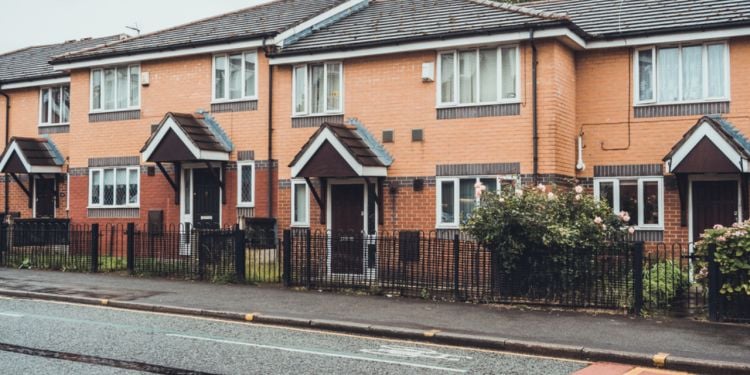
How to find accommodation in Manchester
Located in the northwestern region of England, Manchester is a vital part of Greater Manchester and ranks as the second-largest city in the country. ...
Leisure, Culture & Things To Do
Manchester punches well above its weight culturally, offering world-class museums, a legendary music scene, and some of England's most passionate football. The city that gave the world the Industrial Revolution, the suffragette movement, and bands like The Smiths, Oasis, and Joy Division continues to shape British culture. Most major museums offer free admission, making culture accessible to all.
Museums and attractions
The Manchester Museum, recently renovated, houses collections from ancient Egyptian artifacts to natural history. The Science and Industry Museum celebrates Manchester's pioneering role on the site of the world's first passenger railway station. Art lovers should visit Manchester Art Gallery, the Whitworth, and The Lowry at Salford Quays. The National Football Museum is essential for sports fans. The stunning John Rylands Library showcases Gothic architecture and rare manuscripts. Imperial War Museum North offers powerful exhibitions in Daniel Libeskind's striking building.
Sports, nightlife, and events
Football dominates local passion, with Manchester United (Old Trafford) and Manchester City (Etihad Stadium) offering stadium tours year-round. The Northern Quarter is the heart of live music and independent bars, while Deansgate Locks and Spinningfields offer upscale nightlife. The Gay Village hosts vibrant events including Manchester Pride each August. Annual highlights include the Manchester International Festival (odd years), Parklife Festival, and festive Christmas Markets.
Sources: Visit Manchester
Daily Life
Daily life in Manchester combines metropolitan convenience with Northern friendliness. The city is highly walkable in the center, with excellent public transport connecting outer areas. Mancunians are known for their warmth and directness, and the city maintains a strong sense of community despite its size. Weather is characteristically British – mild but rainy – so waterproof clothing is essential.
Public transport
The Bee Network integrates buses and the Metrolink tram system, the UK's largest light rail network outside London. From January 2025, all buses operate under public control with capped fares: £2 for a single journey and £5 for unlimited daily bus travel. Monthly bus passes cost £80, while annual passes are £800. Combined bus and tram travel across Greater Manchester costs £9.50 daily (peak) or £7.80 (off-peak). The city is rolling out contactless tap-in/tap-out payment from March 2025.
Lifestyle and culture
Manchester's cultural life centers around its legendary music heritage, vibrant nightlife, and passionate football culture. The city has excellent restaurants, from curry houses on the famous Curry Mile to fine dining. Shopping ranges from the massive Trafford Centre to independent boutiques in the Northern Quarter. The Gay Village around Canal Street is one of Europe's most established LGBTQ+ neighborhoods. Supermarkets like Tesco, Sainsbury's, Aldi, and Lidl are widely available.
Sources: Transport for Greater Manchester
Cost of Living
Manchester offers significantly lower living costs than London while maintaining competitive salaries and excellent amenities. According to Numbeo, Manchester is approximately 30% cheaper than London when including rent. Council Tax – a local property tax ranging from £121 to £363 monthly depending on property band – is an often-overlooked expense for newcomers. The tables below provide estimated monthly budgets.
Monthly budget for a single person
This estimate covers essential expenses for one adult living in Manchester.
Rent (1-bedroom, city center) | £1,100 |
Utilities (electricity, heating, water) | £180 |
Council Tax | £150 |
Groceries | £200 |
Transport (monthly pass) | £80 |
Mobile phone & internet | £50 |
Total (excluding leisure) | £1,760 |
Monthly budget for a family of four
This estimate covers a family with two adults and two school-age children.
Rent (3-bedroom, suburbs) | £1,500 |
Utilities | £270 |
Council Tax | £200 |
Groceries | £500 |
Transport | £160 |
Private school fees (2 children) | £2,400 |
Mobile phones & internet | £80 |
Total (with private school) | £5,110 |
Sources: Numbeo, Transport for Greater Manchester
In short
Manchester offers an exceptional quality of life that combines big-city opportunities with Northern warmth and affordability. As the UK's fastest-growing economy outside London, it provides exciting career prospects in tech, creative, and professional services while maintaining living costs 30% below the capital. The city's five universities create a young, dynamic atmosphere, and excellent schools serve families at every stage. With world-class culture, legendary music venues, passionate football, and excellent transport links, Manchester truly has something for everyone. Whether you're a young professional, growing family, or experienced executive, this city welcomes you to become part of its next chapter. Connect with fellow expats and get local advice on the Expat.com Manchester forum.
We do our best to provide accurate and up to date information. However, if you have noticed any inaccuracies in this content, please contact us.


Essential services for your expat journey