

Living in Nicosia: the ultimate expat guide
Everything you need to know for a successful life in Nicosia.
Nicosia, the capital of Cyprus and Europe's last divided city, offers a unique living experience where ancient history meets modern Mediterranean lifestyle. As the island's administrative, commercial, and cultural center, the city provides a dynamic environment with excellent career opportunities across multiple sectors including finance, technology, and tourism. The city's strategic location at the crossroads of Europe, Asia, and Africa, combined with year-round sunshine, makes it an attractive destination for those seeking both professional growth and quality of life. The divided capital, with its distinctive Green Line separating the southern Republic of Cyprus from the northern Turkish-administered area, creates a fascinating cultural tapestry that enriches daily life while offering unique perspectives on contemporary European history.
5 good reasons to move to Nicosia
- Thriving job market: With unemployment at just 4.9%, Cyprus maintains one of the lowest unemployment rates in the European Union, offering strong employment prospects across finance, technology, tourism, and shipping sectors.
- Affordable Mediterranean lifestyle: Housing costs average €658 for a one-bedroom apartment in the city center, significantly lower than other European capitals, while enjoying 300+ days of sunshine annually.
- Strategic EU location: As a member of the European Union and eurozone since 2008, Cyprus offers seamless business connectivity, visa-free travel throughout the Schengen area, and access to the single market.
- English-speaking environment: English is widely spoken throughout the business community and daily life, making integration straightforward for international residents without requiring Greek language proficiency.
- Rich cultural heritage: The city boasts over 9,000 years of history, world-class museums including the Cyprus Archaeological Museum, and the unique experience of crossing the Green Line to explore both sides of this divided capital.
Working in Nicosia
Nicosia's economy has demonstrated remarkable resilience, with robust growth across key sectors making it an attractive destination for professionals worldwide. The capital serves as Cyprus's primary business hub, hosting the headquarters of major banks, international companies, and technology firms. With GDP growth projected at 3.1% for 2025, the city continues to attract foreign investment, particularly in financial services, information technology, and professional services. The government's headquartering policies have successfully attracted multinational companies to establish their regional bases in Nicosia, creating diverse employment opportunities for skilled professionals.
Key employment sectors and opportunities
The services sector dominates Nicosia's economy, accounting for over 80% of GDP and offering the most employment opportunities. Financial services and banking remain pillars of the economy, with Cyprus positioning itself as an international business center. The information and communications technology (ICT) sector has experienced significant growth, with the government targeting to double the industry's share of GDP by 2030. Tourism and hospitality contribute approximately 15% to GDP, employing roughly 25% of the workforce. The shipping industry, with Cyprus maintaining one of the largest ship registries in the EU, provides specialized maritime and logistics opportunities. Additionally, professional services including legal, accounting, and consulting firms serve international clients, while the growing renewable energy sector offers emerging opportunities as Cyprus develops its natural gas reserves and renewable energy infrastructure.
Employment market conditions and work permits
The unemployment rate reached 4.9% in 2025, the lowest level in 15 years, indicating a healthy job market with limited labor slack. For EU citizens, working in Cyprus requires only registration with local authorities and obtaining a registration certificate. Non-EU citizens must secure a work permit before employment, which employers typically sponsor. The application process requires demonstrating that the position cannot be filled by an EU citizen, making specialized skills particularly valuable. Processing times vary from several weeks to a few months depending on the sector and position.
The employment market shows strong demand for professionals in digital skills, data analysis, cybersecurity, and digital marketing. English proficiency is essential across most sectors, while knowledge of Greek can provide additional advantages for client-facing roles. Average working hours follow EU standards at 40 hours per week, with standard benefits including paid annual leave, social insurance, and healthcare coverage.
Indicator | Cyprus (2025) | EU Average |
Unemployment rate | 4.9% | 6.0% |
Average monthly gross salary | €2,224 | €3,417 |
Average monthly net salary | €1,909 | €2,351 |
Sources: EURES Cyprus Labour Market, Trading Economics Cyprus
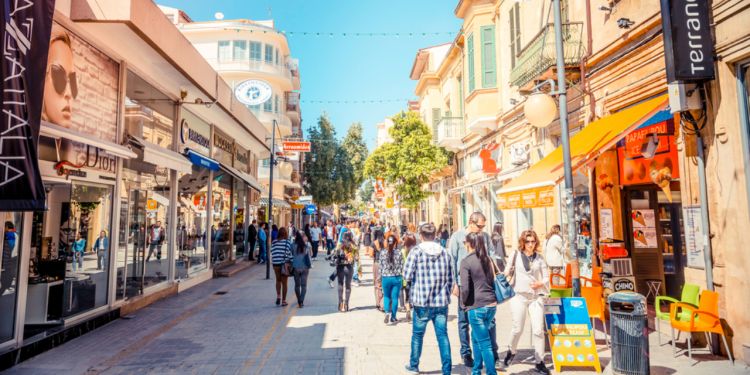
Finding work in Nicosia
Dubbed the last divided capital city of Europe, Nicosia has a long and rich history as well as a vibrant present. Cyprus capital city is a melting ...
Higher Education & Universities
Nicosia serves as Cyprus's educational capital, hosting the country's most prestigious universities and attracting thousands of international students annually. The city offers a diverse range of higher education institutions, from public research universities to private institutions specializing in business, technology, and medicine. Programs are predominantly taught in English, making them accessible to international students, while tuition fees remain competitive compared to other European destinations. The academic calendar typically runs from September to June, divided into two semesters, with most institutions offering bachelor's, master's, and doctoral programs across numerous disciplines.
Major universities and programs
The University of Cyprus (UCY), the country's leading public institution, ranks among the top 400 universities globally according to QS rankings. Located near Paphos Gate, UCY offers comprehensive programs in sciences, humanities, engineering, and social sciences. Tuition for international non-EU students ranges from €9,540 annually for most bachelor's programs, with medicine programs costing €18,000 for the first three years and €22,000 for subsequent years. The University of Nicosia (UNIC), Cyprus's largest private university, provides flexible programs including distance learning options, with annual tuition starting from approximately €5,000 for undergraduate programs. The institution is particularly renowned for its MBA program and pioneering blockchain initiatives. Cyprus International University (CIU), located just 5 km from the city center, offers programs across engineering, business, medicine, and dentistry, with international students receiving an automatic 50% scholarship, bringing tuition to approximately €1,597 per semester for most programs. European University Cyprus operates a campus in Nicosia offering programs in business, law, and health sciences with competitive tuition structures.
Admission requirements and student life
Admission requirements vary by institution and program level. For bachelor's programs, applicants need a secondary school leaving certificate equivalent to the Cypriot Apolytirio, typically requiring English language proficiency through IELTS (minimum 5.5) or TOEFL (minimum 79). For master's programs, a relevant bachelor's degree is required along with higher English proficiency scores (IELTS 6.5 or TOEFL 100). Some programs, particularly in business and engineering, may require GRE or GMAT scores. Application deadlines typically fall in June for September entry, though many institutions accept rolling admissions.
International students from non-EU countries must apply for a student visa, requiring proof of acceptance, financial means (typically €10,000 annually), health insurance, and police clearance certificates. The process can take 2-3 months, so early application is essential. Most universities provide accommodation assistance, with on-campus dormitories costing €200-€400 monthly, while private shared apartments range from €300-€500 per person monthly. Student services include career counseling, international student offices, and various clubs and societies. Universities also maintain partnerships with European institutions through Erasmus+ programs, facilitating student exchanges and international experience.
Official university websites: University of Cyprus, University of Nicosia, Cyprus International University
Retirement in Nicosia
Cyprus has emerged as an increasingly popular retirement destination, offering a compelling combination of Mediterranean lifestyle, favorable tax treatment, accessible healthcare, and lower living costs than most Western European countries. Nicosia, while lacking beaches, compensates with excellent medical facilities, cultural attractions, and lower rental costs than coastal cities. The island's 300+ days of annual sunshine, English-speaking environment, and membership in the European Union create an appealing package for retirees seeking quality of life in a safe, stable environment.
Retirement visa options and requirements
Cyprus does not offer a specific retirement visa, but several pathways enable long-term residence for retirees. The Cyprus Pink Slip (Temporary Residence Permit) suits retirees with modest means, requiring a minimum secured annual income of €9,568 from sources outside Cyprus, increased by €4,613 for each dependent. This permit is valid for one year and renewable for up to five years. Applicants must demonstrate they will not seek employment in Cyprus and must provide proof of health insurance, clean criminal record, and sufficient income through bank statements or pension documentation.
The Category F Permanent Residence Permit offers a more permanent solution, requiring a higher income threshold of €50,000 annually from sources outside Cyprus, plus €15,000 for a spouse and €10,000 for each dependent child. Unlike the Pink Slip, this permit does not require renewal beyond an initial review after two years. Applicants must not have been refused entry to any country and must visit Cyprus at least once every two years to maintain the permit.
The Cyprus Golden Visa (Permanent Residence Program) requires a minimum investment of €300,000 in real estate, business, or Cyprus investment funds, plus a secured annual income of €30,000 from outside Cyprus. This fast-track program typically processes applications within 2-3 months and includes the applicant's spouse, dependent children under 25, and even parents of the applicant and spouse. The permit requires visiting Cyprus only once every two years, making it ideal for those splitting time between Cyprus and their home country. After holding permanent residence for seven years, retirees may apply for Cypriot citizenship if desired.
Tax benefits and healthcare
Cyprus offers one of Europe's most favorable tax regimes for retirees. There are no inheritance or wealth taxes, and property taxes remain low. Pension income from abroad receives favorable treatment, with some pensions potentially exempt from taxation entirely depending on the source country and tax treaties. Cyprus maintains double taxation agreements with over 50 countries, preventing retirees from being taxed twice on the same income. Non-domiciled residents also benefit from no tax on worldwide income unless they spend more than 183 days per year in Cyprus.
Healthcare in Cyprus maintains high standards through both the public General Healthcare System (GHS) and private facilities. The GHS, implemented in 2019, provides comprehensive coverage to legal residents, including retirees with residence permits, for a monthly contribution typically under €100. Private health insurance costs approximately €100-€200 monthly depending on age and coverage level. Nicosia hosts several excellent private hospitals including the American Medical Center and the Nicosia General Hospital, with English-speaking medical staff common throughout the healthcare system. UK retirees can continue receiving their state pension while living in Cyprus, and workplace pensions can be transferred or paid abroad.
Additional information: Invest Cyprus, Retiring to Cyprus Guide
Schooling for Children
Nicosia offers diverse educational options for families with children, from public Greek-language schools to numerous international institutions following British, American, or International Baccalaureate (IB) curricula. The city's international schools attract families from around the globe, providing high-quality education in English while maintaining strong academic standards. The school year typically runs from September to June, divided into three terms, with uniforms commonly required in most private institutions. Understanding the various options available is crucial for making informed decisions about your children's education in Cyprus.
Public and private education systems
Cyprus offers free public education for all children aged 4-15, following the Greek curriculum with instruction in Greek. While public schools maintain good educational standards, the language barrier makes them challenging for non-Greek speaking children. Alternatively, numerous international schools operate throughout Nicosia, primarily following British or American curricula. The American International School in Cyprus (AISC), located in the Strovolos area, provides education from kindergarten through Grade 12, offering both the American High School Diploma and the IB Diploma Programme. The school is accredited by the Middle States Association and maintains strong connections with universities worldwide. Annual fees typically range from €5,000 to €8,000 depending on grade level.
The American Academy Nicosia, established over a century ago, follows the English National Curriculum while operating as a non-profit institution, resulting in competitive fee structures ranging from €3,430 to €7,120 annually. The English School, founded in 1900, is the oldest international school in Cyprus, offering education through IGCSE and IB programs with annual fees between €5,100 and €8,000. The Falcon School, established in 1976, follows the English National Curriculum and provides extensive facilities for languages, sciences, and sports. For French-speaking families, the École Franco-Chypriote de Nicosie operates under the French Ministry of Education, offering instruction in French with additional English and Greek lessons, with annual fees ranging from €2,530 to €5,400.
Enrollment procedures and considerations
Enrollment procedures vary by institution but generally require submitting the child's birth certificate, previous school reports, passport copies, and proof of residence. Most schools conduct assessment tests to determine the appropriate grade level and identify any additional support needs. Application deadlines typically fall in March-April for September entry, though spaces often fill quickly, making early application essential. Waiting lists are common at popular schools, particularly for younger age groups.
Additional costs beyond tuition include registration fees (typically €500-€1,000), uniforms (€150-€300), textbooks (€200-€400 annually), and optional activities such as music lessons, sports, and after-school programs. Many schools offer sibling discounts, typically 10% for the second child and 50% for third and subsequent children. Transportation services are available at most schools, costing approximately €80-€150 monthly. Before and after-school care programs are common, providing supervision from 7:30 AM to 6:00 PM, ideal for working parents.
School | Curriculum | Annual Fees |
American International School Cyprus | American/IB | €5,000 - €8,000 |
American Academy Nicosia | English National | €3,430 - €7,120 |
The English School | IGCSE/IB | €5,100 - €8,000 |
École Franco-Chypriote | French National | €2,530 - €5,400 |
Sources: American International School Cyprus, American Academy Nicosia, DOM Cyprus Schools Guide
Housing & Neighbourhoods
Nicosia's housing market offers diverse options from modern apartments in the bustling city center to spacious villas in quieter suburban areas. The capital's real estate market has remained stable, with rental prices significantly more affordable than other European capitals while offering Mediterranean living standards. Understanding the different neighborhoods and their characteristics is essential for finding accommodation that suits your lifestyle and budget. The rental market is active year-round, with most landlords preferring long-term tenancies of one year or more.
Popular expat neighborhoods
Strovolos, Nicosia's most populous suburb, is particularly popular among expatriate families due to its proximity to international schools, shopping centers including Mall of Cyprus, and excellent transport connections. The area offers a mix of apartments and houses with rental prices ranging from €600-€900 for two-bedroom apartments. Engomi (Makedonitissa), home to the University of Cyprus, attracts young professionals and academics with its cosmopolitan atmosphere, numerous cafes, and vibrant nightlife. One-bedroom apartments here average €600-€750 monthly. Aglantzia provides a quieter residential environment with good schools, parks, and family-friendly amenities, making it ideal for families. Three-bedroom houses typically rent for €1,000-€1,400 monthly.
The Old Town (within the Venetian Walls) offers a unique living experience with restored traditional houses, proximity to cultural attractions, and pedestrian-friendly streets. However, parking can be challenging. Rental prices for renovated apartments range from €650-€1,000 for one to two bedrooms. Lakatamia and Latsia, located west of the center, offer more affordable housing options with good amenities and access to the highway network, making them suitable for those working in other cities. Two-bedroom apartments here cost approximately €550-€700 monthly.
Rental procedures and costs
Finding accommodation typically involves working with real estate agents or browsing online platforms such as BazarAki.com and Cyprus Property Centre. Agent fees generally equal one month's rent, paid by the tenant. Landlords typically require a security deposit of two months' rent, refundable at the end of the tenancy subject to property condition. Rental contracts are usually for one year minimum, with annual rent increases capped at the inflation rate unless otherwise agreed.
Most rental properties are unfurnished or semi-furnished, though fully furnished options are available at a premium. Tenants are responsible for utility bills including electricity (€80-€150 monthly), water (€20-€40 monthly), and internet (€30-€40 monthly). The sewage fee is calculated based on water consumption at approximately €0.64 per cubic meter. Many buildings also charge common expenses of €30-€80 monthly for building maintenance, security, and shared facilities.
1-bedroom apartment (city center) | €658 |
1-bedroom apartment (outside center) | €568 |
3-bedroom apartment (city center) | €1,353 |
3-bedroom apartment (outside center) | €1,084 |
Source: Numbeo Nicosia, November 2025
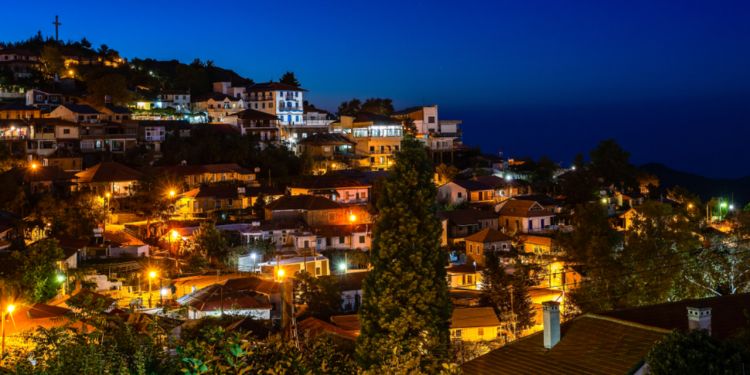
Accommodation in Nicosia
With a population of 200,452 people, the capital city of Nicosia is the most densely populated in Cyprus. Dubbed the worlds last divided capital, ...
Leisure, Culture & Things To Do
Nicosia offers a rich tapestry of cultural experiences, outdoor activities, and entertainment options that reflect its 9,000-year history and contemporary Mediterranean lifestyle. As Europe's last divided capital, the city provides unique attractions found nowhere else, from crossing the Green Line to exploring both Greek and Turkish Cypriot cultures within the same urban space. The year-round sunshine and mild winters make outdoor activities accessible throughout the year, while the compact historic center concentrates museums, galleries, and cultural venues within walking distance.
Museums, historical sites and cultural attractions
The Cyprus Museum, located near Paphos Gate, stands as the island's oldest and largest archaeological museum, housing the world's most extensive collection of Cypriot antiquities spanning 9,000 years from the Neolithic era to the Byzantine period. Admission costs €4.50 for adults, with free entry for children under 12. The Leventis Municipal Museum of Nicosia in the Old Town offers free admission and provides an excellent introduction to the capital's history through engaging exhibits with information in Greek, Turkish, and English. The A.G. Leventis Gallery showcases European art from the 16th to 20th centuries, including works from the schools of Rubens and Delacroix, as well as Byzantine and Greek art collections.
The Green Line and Buffer Zone provides a sobering yet fascinating glimpse into recent history. Visitors can cross at the Ledra Street checkpoint on foot, requiring only a passport, to experience the northern part of the city with its distinct Turkish Cypriot character. On the northern side, the Büyük Han, a magnificent 16th-century Ottoman caravanserai, now houses craft shops, cafes, and galleries around its central courtyard. The Selimiye Mosque, originally the Gothic St. Sophia Cathedral, demonstrates the city's layered history. The Venetian Walls, built in the 16th century and remarkably well-preserved, encircle the Old Town with 11 heart-shaped bastions, creating one of Europe's finest examples of military architecture.
Entertainment, dining and outdoor activities
Ledra Street and Onasagorou Street form the heart of the city's shopping and entertainment district, lined with boutiques, cafes, restaurants, and bars that come alive in the evenings. The pedestrianized Laiki Geitonia offers a charming traditional quarter perfect for souvenir shopping, featuring local crafts, olive oil, traditional lace, and Cypriot delicacies. Athalassa National Forest Park, stretching over 840 hectares with a picturesque lake, provides green spaces for jogging, cycling, and picnics just 15 minutes from the city center.
The city's dining scene showcases authentic Cypriot cuisine alongside international options. Traditional tavernas like Zanettos and Piatsa Gourounaki serve meze platters featuring halloumi, souvlaki, kleftiko, and local wines. The café culture thrives with establishments like To Apomero offering excellent coffee and pastries in atmospheric settings. Nightlife concentrates around the Old Town and Makariou Avenue, with bars and clubs staying open until late, particularly on weekends. Cultural events include concerts at the Nicosia Municipal Theatre, exhibitions at the Nicosia Municipal Arts Centre (NiMac) offering free admission, and seasonal festivals celebrating everything from wine to traditional crafts.
For day trips, the Troodos Mountains lie just 40 minutes away, offering cooler temperatures, hiking trails, and picturesque mountain villages. The UNESCO World Heritage-listed painted churches showcase exceptional Byzantine frescoes. The Machairas Monastery, founded in 1148, provides stunning mountain views and rich history. Beach lovers can reach the coast at Larnaca or Ayia Napa within 45-60 minutes by car or intercity bus.
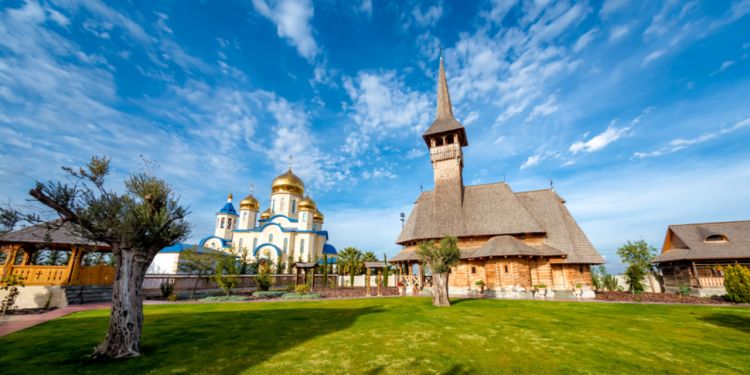
Leisure activities in Nicosia
Nicosia has a distinct, dual character. On the one hand, the new city with its modern buildings, coffee shops and boutiques; on the other, the ...
Daily Life
Daily life in Nicosia blends Mediterranean relaxation with European efficiency, creating a comfortable lifestyle for residents. The city offers modern amenities, reliable services, and a welcoming atmosphere where English is widely spoken, easing integration for newcomers. The warm climate, with over 300 days of sunshine annually, encourages an outdoor lifestyle, while the compact city center makes many destinations accessible on foot. Understanding local customs and practical aspects of daily living will help you settle quickly into life in the Cypriot capital.
Transportation and getting around
Nicosia's public transportation system operates through Cyprus Public Transport, providing an extensive bus network connecting the city center with suburban areas. A single bus ticket costs €2.40, while a daily unlimited pass is available for €5.00, making it economical for multiple trips. Monthly passes cost €50.00, ideal for regular commuters. Buses typically operate from 5:30 AM to midnight on weekdays, with reduced service on weekends. The system is reliable, though frequency may be limited in suburban areas. Real-time bus tracking is available through the Moovit app, making journey planning straightforward.
Many residents prefer private vehicles for convenience, as Cyprus has one of the highest car ownership rates in Europe. Gasoline costs approximately €1.39 per liter (November 2025). Parking in the city center can be challenging during business hours, with metered parking costing €0.50-€1.00 per hour. Taxis are readily available, with fares starting at €5.00 and charging approximately €2.80 per mile. Ride-sharing services have limited presence. For intercity travel, Intercity Buses connect Nicosia with Limassol, Larnaca, and Paphos, with tickets costing €5-€10 depending on the destination.
Lifestyle and cultural practices
Nicosia maintains a relaxed Mediterranean pace where personal relationships matter. The lunch break remains important, with many businesses closing between 1:00 PM and 3:00 PM, particularly during summer months. Café culture is central to social life, with locals spending time in coffee shops throughout the day. Evening dining typically begins around 8:00 PM or later, with restaurants staying open late.
The divided nature of Nicosia adds a unique dimension to daily life. Residents can cross the Green Line at designated checkpoints such as Ledra Street, requiring only a passport for pedestrian crossings. This allows access to the northern part of the city with its distinct Turkish Cypriot culture, different currency (Turkish Lira is used alongside euros), and alternative shopping and dining options. The crossing process typically takes just a few minutes.
Shopping options range from modern malls like Mall of Cyprus and Nicosia Mall to traditional markets such as the Wednesday and Saturday street markets near OHI roundabout. Supermarkets including Alphamega, Metro, and Lidl operate throughout the city, with weekly grocery costs for a family of four averaging €100-€150. Healthcare is accessible through both the public General Healthcare System (GHS) and numerous private clinics and hospitals. Emergency services can be reached at 112 (pan-European emergency number). Banking is straightforward, with major banks including Bank of Cyprus, Hellenic Bank, and international banks maintaining branches throughout the city, offering services in English.
Cost of Living
Nicosia offers a Mediterranean lifestyle at costs significantly lower than most European capitals, making it an attractive destination for those seeking value without compromising on quality of life. The capital's cost of living is approximately 30-40% lower than major cities like London or Berlin, while providing modern amenities, excellent weather, and a safe environment. Understanding the breakdown of monthly expenses helps in budgeting effectively and ensures financial comfort during your stay in Cyprus.
Monthly budget for a single person
A single person can live comfortably in Nicosia on a budget of €1,500-€2,000 monthly, including rent. This provides for decent accommodation, regular dining out, and leisure activities while maintaining a good standard of living. Housing represents the largest expense, with a one-bedroom apartment in a good neighborhood costing €600-€700 monthly. Groceries for one person average €200-€300 monthly, depending on shopping habits and preferences for imported versus local products. Eating out remains affordable, with an inexpensive restaurant meal costing €15 and a mid-range three-course dinner for two averaging €60. Transportation costs depend on lifestyle choices, with a monthly bus pass at €50 providing unlimited travel, while maintaining a car adds approximately €200-€300 for fuel, insurance, and maintenance.
Expense Category | Monthly Cost |
Rent (1-bedroom, outside center) | €568 |
Utilities (electricity, water, internet) | €150 |
Groceries | €250 |
Transportation (monthly pass) | €50 |
Mobile phone | €20 |
Entertainment & dining out | €200 |
Gym membership | €64 |
Total (without rent) | €734 |
Total (with rent) | €1,302 |
Source: Numbeo Nicosia, November 2025
Monthly budget for a family of four
A family of four requires approximately €3,500-€4,500 monthly to maintain a comfortable lifestyle in Nicosia, including housing. This budget accommodates a three-bedroom apartment in a family-friendly neighborhood (€1,100-€1,400), groceries for four people (€500-€700), transportation costs including potential car ownership (€300-€400), and children's activities and entertainment (€200-€300). International school fees represent a significant additional expense not included in this basic budget, ranging from €3,000 to €8,000 annually per child depending on the institution and grade level.
Expense Category | Monthly Cost |
Rent (3-bedroom, outside center) | €1,084 |
Utilities (electricity, water, internet) | €220 |
Groceries for family of four | €600 |
Transportation (car + fuel) | €350 |
Mobile phones (2 lines) | €40 |
Preschool/childcare (1 child) | €443 |
Entertainment & activities | €300 |
Healthcare/insurance | €150 |
Total (without rent) | €2,103 |
Total (with rent) | €3,187 |
Note: International school fees (€250-€670 monthly per child) not included. Source: Numbeo Nicosia, November 2025
In short
Nicosia offers a distinctive living experience as Europe's last divided capital, combining rich history with modern Mediterranean lifestyle. With strong employment prospects, affordable living costs, excellent international schools, and year-round sunshine, the city provides an appealing package for professionals, families, and retirees alike. The English-speaking environment, EU membership benefits, and strategic location connecting three continents make integration straightforward while opening doors to diverse opportunities. Whether you're drawn by career prospects, quality of life, or the unique cultural experience of a divided city, Nicosia welcomes newcomers with warmth and possibility. Ready to start your Cypriot adventure? Join the Nicosia Expat Forum on Expat.com to connect with fellow expatriates, ask questions, and share experiences as you plan your move to this fascinating Mediterranean capital.
We do our best to provide accurate and up to date information. However, if you have noticed any inaccuracies in this content, please contact us.


Essential services for your expat journey