

Living in Hubei: the ultimate expat guide
Everything you need to know for a successful life in Hubei.
Located in the heart of China, Hubei Province offers expatriates a unique blend of rich history, economic opportunity, and natural beauty. Known as the "Province of a Thousand Lakes", Hubei is crossed by the mighty Yangtze River and its tributary, the Han River, which converge in the provincial capital, Wuhan. With a population of approximately 58 million, Hubei ranks as China's seventh-largest provincial economy, with a GDP exceeding CNY 5 trillion (approximately USD 700 billion).
Wuhan, the economic and cultural hub, is home to over 13 million residents and serves as a major transportation junction connecting eastern and western China. The province attracts international professionals in sectors ranging from technology and manufacturing to education and research. International students flock to its prestigious universities, while families appreciate the lower cost of living compared to coastal megacities like Shanghai or Beijing.
5 Good Reasons to Move to Hubei
- Strategic location – Wuhan connects to Beijing, Shanghai, Guangzhou, and Chengdu within 4-5 hours by high-speed rail, making it ideal for business travel.
- Affordable cost of living – Housing, dining, and daily expenses are significantly lower than in tier-one cities while maintaining modern amenities.
- World-class universities – Institutions like Wuhan University and HUST rank among China's top 10, offering English-taught programs and scholarships.
- Growing job market – Key industries include optoelectronics, automotive, biotechnology, and high-tech manufacturing, with over 250,000 new urban jobs created annually.
- Rich cultural heritage – From the iconic Yellow Crane Tower to the Three Gorges Dam, Hubei offers countless historical and natural attractions.
Working in Hubei: Career Opportunities and Employment
Hubei's economy has shown consistent growth, with Wuhan's GDP exceeding CNY 2.1 trillion in 2024, registering a 5.2% year-on-year increase. The city aims for 6% GDP growth in 2025 and plans to create 250,000 new urban jobs. For expatriates, Hubei offers opportunities across several high-growth sectors with less competition than coastal cities.
Key Industries and Sectors
The optoelectronics industry is Hubei's flagship sector, anchored by the Wuhan Optics Valley (Guanggu), one of China's largest high-tech development zones. Major employers include technology firms, research institutions, and manufacturing companies. Other thriving sectors include automotive manufacturing (Dongfeng Motor is headquartered in Hubei), biotechnology, petrochemicals, and education. Teaching English remains one of the most accessible paths for foreign professionals, with international schools and universities actively recruiting.
Work Permits and Visas
To work legally in China, foreign nationals require a Z Visa and a Foreigner's Work Permit. The permit system categorizes workers into three tiers: Category A (high-end talent), Category B (professionals), and Category C (other workers). Requirements typically include a bachelor's degree, at least two years of relevant experience, and a job offer from a licensed Chinese employer. Processing takes approximately 15-20 working days once documents are submitted.
The table below summarizes key employment indicators for Wuhan:
Urban unemployment rate (China) | 5.1% (2025) |
Average monthly salary (Wuhan) | CNY 10,261 (~USD 1,450) |
Main sectors for expats | Technology, education, manufacturing, research |
Sources: National Bureau of Statistics of China, Wuhan Municipal Government
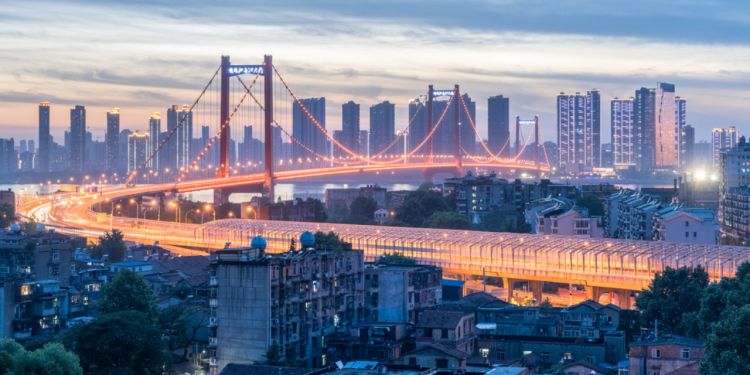
Finding work in Wuhan
Wuhan is the capital of China's central province, Hubei, and a major hub on the Yangtze River. The city is often referred to as “the ...
Higher Education and Universities in Hubei
Hubei is one of China's leading educational hubs, home to over 80 universities and colleges. Wuhan alone hosts more than 1.3 million students, making it one of the largest student populations in any city worldwide. International students benefit from English-taught programs, generous scholarships, and a significantly lower cost of living compared to Beijing or Shanghai.
Top Universities for International Students
Wuhan University, founded in 1893, consistently ranks among China's top 10 universities and is recognized as one of the most beautiful campuses in the country, famous for its cherry blossoms in spring. The university hosts over 3,600 international students and offers programs in engineering, medicine, law, and business. Huazhong University of Science and Technology (HUST) ranks 6th nationally and 300th in the 2025 QS World University Rankings. Known as the "University in the Forest" for its 72% greenery coverage, HUST enrolls approximately 3,400 international students from over 155 countries. English-taught programs span engineering, medicine, and management.
Tuition Fees and Admissions
Tuition fees for international students typically range from CNY 18,000 to 40,000 per year for undergraduate programs and CNY 25,000 to 58,000 for postgraduate studies. Scholarships are widely available, including the Chinese Government Scholarship (CSC), which covers tuition, accommodation, and provides monthly stipends of CNY 2,500-3,500 depending on degree level. Admission generally requires a high school diploma or equivalent, proof of English proficiency (or HSK for Chinese-taught programs), and a health certificate.
University | QS Ranking (2025) | Annual Tuition (CNY) |
Wuhan University | Top 200 | 18,000 - 35,000 |
HUST | 300 | 18,000 - 40,000 |
Wuhan University of Technology | Top 500 | 15,000 - 30,000 |
Sources: HUST Official Website, Wuhan University
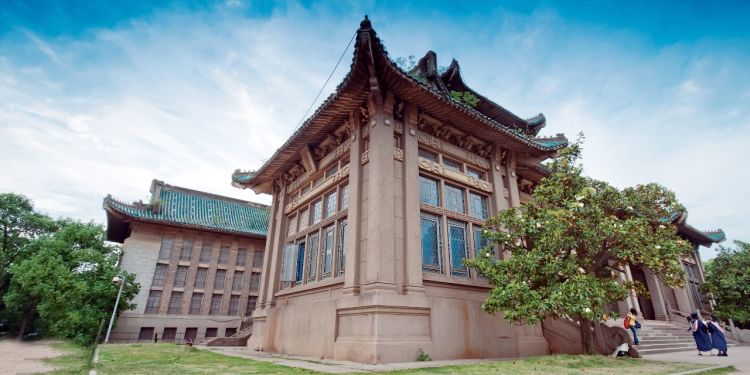
Study in Wuhan
Wuhan is the capital of Hubei province, located in the heartland of China. The city's central location makes it easy to explore the rest of the ...
Schooling for Expat Children in Hubei
Families relocating to Hubei will find a growing selection of international schools, primarily concentrated in Wuhan. These institutions follow Western curricula and provide instruction in English, making the transition easier for children of all ages. While the options are fewer than in Shanghai or Beijing, the schools offer quality education at comparatively lower fees.
International Schools in Wuhan
Wuhan Yangtze International School (WYIS) is the most established international school, offering a Pre-K to Grade 12 American curriculum with AP courses. Accredited by Cognia, the school serves expatriate children exclusively (Chinese passport holders cannot enroll per Chinese law). Located in the Wuhan Economic and Technological Development Zone (WEDZ), WYIS provides a supportive multinational community. The French International School of Wuhan (EFIW), certified by France's Ministry of Education and partnered with AEFE, offers French curricula from nursery through high school. Students follow a dual French-American program in collaboration with WYIS. Other options include Maple Leaf International School (British Columbia curriculum), ISA Wuhan International School (K-12 international programs), and BASIS Wuhan (American college-prep curriculum).
Enrollment and Fees
International school tuition in Wuhan typically ranges from USD 8,000 to USD 19,000 per year depending on grade level. Most schools require foreign passports for enrollment, assessment tests, and previous academic records. School bus services are available in most expat-friendly neighborhoods. Private kindergartens cost approximately CNY 2,000-3,500 per month.
School | Curriculum | Annual Fees (USD) |
Wuhan Yangtze International School | American (AP) | 12,000 - 18,000 |
French International School (EFIW) | French National | 10,000 - 15,000 |
Maple Leaf International School | British Columbia | 8,000 - 19,000 |
Sources: Wuhan Yangtze International School, International Schools Database
Housing and Neighborhoods in Hubei
Finding accommodation in Wuhan is straightforward and significantly more affordable than in China's coastal megacities. The city is divided into three historic districts—Hankou, Wuchang, and Hanyang—separated by the Yangtze and Han rivers. Each offers distinct characteristics suited to different lifestyles. Most expatriates rent apartments, as purchasing property requires a Chinese residence permit and involves complex regulations.
Popular Neighborhoods for Expats
Hankou is Wuhan's commercial and business center, home to the bustling Jianghan Road Pedestrian Street and numerous international restaurants and bars. The Wuhan Tiandi area offers upscale modern apartments with river views, attracting professionals and families. Average rent for a one-bedroom apartment in central Hankou is approximately CNY 2,500-3,500 per month. Wuchang is the educational and cultural heart of Wuhan, housing major universities including Wuhan University and HUST. The area around East Lake and Optics Valley (Guanggu) is popular among tech workers and academics. Rents are slightly lower, with one-bedroom apartments averaging CNY 2,000-3,000. Hanyang offers a quieter, more traditional atmosphere with access to cultural sites like Guiyuan Temple. It's ideal for those seeking lower rents (around CNY 1,500-2,500 for one bedroom) without sacrificing accessibility.
Rental Costs and Procedures
The table below shows average monthly rents in Wuhan:
1-bedroom apartment (city center) | CNY 2,488 (~USD 355) |
1-bedroom apartment (outside center) | CNY 1,502 (~USD 215) |
3-bedroom apartment (city center) | CNY 5,362 (~USD 765) |
3-bedroom apartment (outside center) | CNY 2,478 (~USD 354) |
Leases typically require a deposit of two to three months' rent and are signed for one year. Most apartments come furnished with basic appliances. Landlords may not speak English, so engaging a bilingual agent or local contact is advisable.
Sources: Numbeo - Wuhan
Leisure, Culture and Things to Do in Hubei
Hubei offers a rich tapestry of cultural, historical, and natural attractions. Whether you're interested in ancient history, outdoor adventures, or modern entertainment, the province has something for everyone. Wuhan's vibrant nightlife, world-class museums, and scenic lakes ensure there's never a dull weekend.
Must-See Attractions
The Yellow Crane Tower (Huanghelou) is Wuhan's most iconic landmark, perched atop Snake Hill overlooking the Yangtze River. Originally built during the Three Kingdoms period (220 AD), the current structure dates to 1985 and offers panoramic city views from its five floors. East Lake (Donghu) is China's largest urban lake, covering over 80 square kilometers. The lake area features cherry blossoms in spring, lotus flowers in summer, and colorful foliage in autumn. Cycling the East Lake Greenway is a popular weekend activity. The Hubei Provincial Museum houses over 260,000 artifacts, including the world-famous Bianzhong of Marquis Yi—a set of bronze bells dating to the 5th century BCE. In western Hubei, the Three Gorges Dam near Yichang is the world's largest hydroelectric power station and a major tourist destination.
Dining and Nightlife
Hubu Alley is Wuhan's legendary food street, open from early morning to late evening, serving local specialties like hot dry noodles, tofu skin, and Jingwu duck neck. For nightlife, the Jianghan Road area and Wuhan Tiandi offer international bars, restaurants, and clubs. Chu River Han Street in Wuchang combines shopping, dining, and entertainment in a modern waterfront setting.
Weekend Getaways
The Wudang Mountains, a UNESCO World Heritage Site, are about 4 hours from Wuhan and famous for Taoist temples and martial arts history. The Shennongjia Nature Reserve offers pristine forests and rare wildlife. Enshi Grand Canyon in southwestern Hubei features dramatic karst landscapes and glass-bottom skywalks.
Daily Life in Hubei: Getting Around and Living Well
Settling into daily life in Hubei is easier than many newcomers expect. Wuhan has invested heavily in modern infrastructure, and the city's public transportation network rivals those of larger Chinese cities. Embracing digital payment systems (WeChat Pay and Alipay) is essential, as cash transactions have become rare even for street vendors.
Transportation
Wuhan's metro system is the primary mode of transport for most residents, with 12 lines covering over 90% of major attractions and business districts. Single tickets cost CNY 2-7 depending on distance, while a monthly pass is approximately CNY 200. Key lines include Line 2 (connecting the airport to downtown), Line 4 (crossing the Yangtze with river views), and Line 5 (serving Yellow Crane Tower). Taxis start at CNY 10 for the first 2-3 kilometers, with cross-district rides averaging CNY 30-50. Ride-hailing apps like Didi are widely used. The city also maintains an extensive bus network and a nostalgic ferry service crossing the Yangtze (CNY 1.5 per trip). High-speed rail connects Wuhan to Beijing (4.5 hours), Shanghai (4 hours), and Guangzhou (4 hours).
Lifestyle and Cultural Adaptation
Wuhan residents are known for their direct, straightforward communication style. The local cuisine is famously spicy, with hot dry noodles (re gan mian) being the signature breakfast dish. Summers are intensely hot and humid (Wuhan is one of China's "furnace cities"), with temperatures reaching 38-40°C in July and August. Winters are cold and damp, with temperatures around 0-5°C. Spring (March-May) and autumn (September-November) offer the most pleasant weather. English is not widely spoken outside international venues, so learning basic Mandarin phrases is highly recommended. VPN services are necessary to access Western websites and social media platforms.
Sources: Wuhan Municipal Government
Cost of Living in Hubei: What to Budget
One of Hubei's greatest advantages for expatriates is its affordable cost of living. Wuhan is approximately 35-40% cheaper than Beijing and 45-50% cheaper than Shanghai, while offering comparable modern amenities. Single professionals can live comfortably on USD 1,500-2,000 per month, while families should budget USD 3,000-4,000 for a comfortable lifestyle including international school fees.
Monthly Budget for a Single Person
The following estimates are based on a moderate lifestyle in central Wuhan:
Category | Monthly Cost (CNY) | Monthly Cost (USD) |
Rent (1BR, city center) | 2,500 | 355 |
Utilities (electricity, water, internet) | 580 | 83 |
Groceries | 1,500 | 214 |
Dining out (12 meals) | 600 | 86 |
Transportation | 300 | 43 |
Entertainment/leisure | 800 | 114 |
Total | 6,280 | ~895 |
Monthly Budget for a Family of Four
Category | Monthly Cost (CNY) | Monthly Cost (USD) |
Rent (3BR, city center) | 5,500 | 785 |
Utilities | 800 | 114 |
Groceries | 3,500 | 500 |
International school (1 child, monthly) | 8,000 | 1,140 |
Transportation | 600 | 86 |
Health insurance (family) | 2,500 | 357 |
Entertainment/dining out | 2,000 | 285 |
Total | 22,900 | ~3,267 |
Sources: Numbeo - Wuhan
In Short
Hubei Province offers expatriates a compelling combination of career opportunities, affordable living, and cultural richness that's hard to match elsewhere in China. Wuhan, the vibrant capital, provides all the conveniences of a modern megacity—excellent transportation, growing international schools, world-class universities, and a dynamic job market—at a fraction of the cost of Beijing or Shanghai. Beyond the urban centers, the province's natural wonders, from the misty Three Gorges to the sacred Wudang Mountains, await weekend exploration.
Whether you're a professional seeking new challenges in China's technology and manufacturing sectors, a student pursuing higher education at prestigious institutions, or a family looking for an authentic Chinese experience with solid international support, Hubei delivers. The locals are welcoming, the food is legendary (if spicy!), and the opportunity to immerse yourself in Chinese culture while maintaining modern comforts makes this province an excellent choice for your expatriate journey.
Ready to start planning your move? Join the Expat.com Hubei forum to connect with fellow expatriates, ask questions, and share experiences with others who call Hubei home.
We do our best to provide accurate and up to date information. However, if you have noticed any inaccuracies in this content, please contact us.


Essential services for your expat journey



