Living in Yaoundé: the ultimate expat guide
Everything you need to know for a successful life in Yaoundé.
Yaoundé, the political capital of Cameroon, sits at an elevation of 750 meters on a series of hills in the Centre Region. With a metropolitan population of approximately 4.85 million in 2025, it is one of Central Africa's largest cities. Known as the "City of Seven Hills," Yaoundé offers a cooler tropical climate than coastal cities, lush green surroundings, and a more relaxed pace compared to the economic hub of Douala. The city serves as the seat of government and hosts numerous embassies, international organizations, and diplomatic missions. Expatriates are drawn to Yaoundé for its relative safety, established international community, and access to quality services.
5 Good Reasons to Move to Yaoundé
- Pleasant climate: At 750m elevation, temperatures average 23-28°C year-round, making it more comfortable than many African capitals.
- Strong expat community: The Bastos and Nlongkak districts host diplomats, NGO workers, and international business professionals from around the world.
- Cultural richness: Museums, traditional markets, and proximity to nature reserves offer authentic African experiences.
- Educational opportunities: International schools and bilingual universities cater to English and French speakers alike.
- Lower cost of living: Compared to major cities in Europe or North America, living expenses remain affordable for expatriates.
Working in Yaoundé: Employment and Career Opportunities
Yaoundé's economy centers on government administration, diplomatic services, and the service sector. As the political capital, the city hosts numerous ministries, embassies, and international organizations including UNESCO regional offices and various UN agencies. Major industries include tobacco, dairy products, beer, timber, and clay products. The city also serves as a distribution hub for coffee, cocoa, and rubber from surrounding agricultural regions.
Work Permits and Legal Requirements
Foreign nationals require a Long-Stay Visa and a work permit issued by the Ministry of Labour and Social Security. Employers must sponsor the application and provide an employment contract. The process typically takes 2 to 5 months to complete. Required documents include a valid passport (minimum 6 months validity), yellow fever vaccination certificate, employment contract, and educational qualifications. Work permits are initially valid for up to 12 months and can be renewed.
Employment Indicators
The table below provides key employment data for Cameroon:
Unemployment rate (2024) | 3.5% |
National minimum wage | XAF 43,969/month (~USD 75) |
Average monthly salary | XAF 360,000 (~USD 620) |
Key sectors | Government, NGOs, Oil & Gas, Telecommunications, Agriculture |
Sources: World Bank, WageIndicator
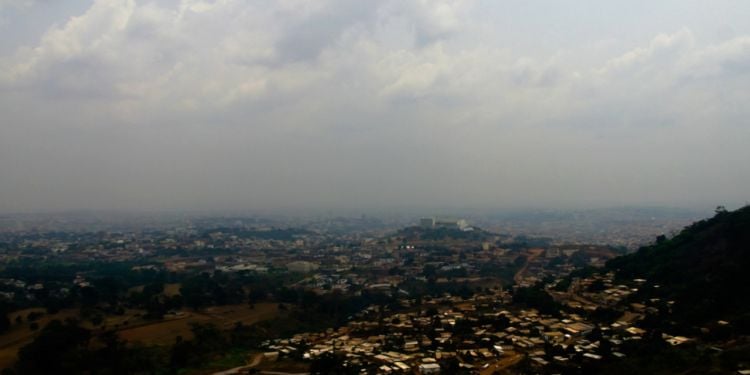
Work in Yaoundé
Do you wish to work in Yaoundé? How to proceed to find a job there? Find out in this article.
Higher Education and Universities in Yaoundé
Yaoundé is Cameroon's academic hub, hosting several major universities and professional schools. The city offers programs in both French and English, reflecting the country's bilingual heritage. Higher education follows the LMD system (License-Master-Doctorat), compatible with international standards.
Major Universities
The University of Yaoundé I, established in 1993, is the leading public institution offering programs in sciences, medicine, engineering, and humanities. It includes the Faculty of Medicine and Biomedical Sciences, the National Advanced School of Engineering (Polytechnique), and teacher training colleges. The University of Yaoundé II focuses on law, economics, political science, and management studies. Both universities welcome international students and offer programs ranging from undergraduate to doctoral levels.
Admission and Tuition
Admission to public universities typically requires the Baccalauréat or equivalent (such as A-Levels or a high school diploma) and entrance examinations for competitive programs like medicine and engineering. Tuition fees at public universities are relatively affordable, ranging from XAF 50,000 to XAF 200,000 per year (~USD 85-340) for local and CEMAC students. International students may pay higher fees depending on the program. Private institutions charge significantly more. The academic year runs from October to July, divided into two semesters.
Sources: QS Top Universities, UniRank
Schooling for Children: International and Bilingual Options
Expatriate families in Yaoundé have access to several international and bilingual schools offering recognized curricula. These institutions cater to the diverse expat community and provide education from early childhood through secondary levels. Enrollment typically requires previous academic records, immunization certificates, and sometimes entrance assessments.
International Schools
The American International School of Yaoundé (AISOY) offers the International Baccalaureate (IB) program from Pre-K3 through Grade 12, following an American-style curriculum with English instruction. Annual tuition ranges from USD 5,570 to USD 18,150 depending on grade level. The school provides modern facilities including science labs, a library, swimming pool, and sports courts.
The British Isles International School Yaoundé follows the British curriculum, including the Early Years Foundation Stage (EYFS), IGCSE, and A-Levels. The Rain Forest International School provides a Christian-based American curriculum with Advanced Placement (AP) courses. For French-speaking families, École Internationale Le Flamboyant offers French national curriculum programs accredited by the French Ministry of Education.
Enrollment Considerations
International school places are limited, so early application is recommended. Most schools require application forms, birth certificates, previous school transcripts, passport copies, and health records. School years typically run from September to June, with terms aligned to international calendars.
Sources: U.S. Department of State, Expat-Quotes
Housing and Neighborhoods in Yaoundé
Yaoundé's housing market offers options ranging from modern apartments in secure compounds to standalone villas. Expatriates typically settle in established neighborhoods known for security, amenities, and proximity to embassies and international organizations. Rental agreements usually require 3 to 6 months advance payment, and properties are often negotiable.
Popular Expat Neighborhoods
Bastos is the premier expatriate district, home to embassies, diplomatic residences, and luxury villas. Located on hills overlooking the city, it offers stunning views, enhanced security, and proximity to international schools. Expect higher rents but excellent infrastructure and services. Nlongkak is adjacent to Bastos and attracts diplomats and international organization staff with its upscale properties and green surroundings.
The Golf district near the US Embassy offers high-end housing with golf course views. Mimboman and Santa Barbara are emerging neighborhoods with modern residential developments at more affordable rates, popular with young professionals and families seeking value.
Rental Prices
The following table provides typical monthly rental costs:
1-bedroom apartment (Bastos) | XAF 350,000-500,000 (~USD 600-860) |
3-bedroom apartment (Bastos) | XAF 1,000,000-1,500,000 (~USD 1,700-2,600) |
1-bedroom apartment (other areas) | XAF 150,000-300,000 (~USD 260-520) |
3-bedroom house with garden | XAF 800,000-2,000,000 (~USD 1,380-3,450) |
Sources: Expat.com Housing, LivingCost
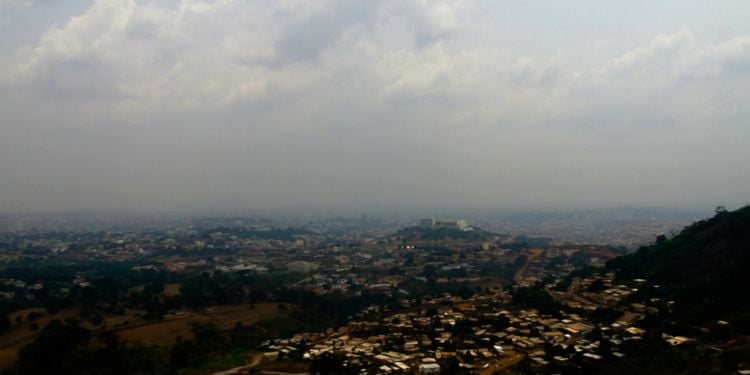
Accommodation in Yaoundé
What is the best way of finding accommodation in Yaoundé? What about rent prices? Find out in this article.
Leisure, Culture and Things To Do in Yaoundé
Yaoundé offers a rich cultural scene that blends traditional Cameroonian heritage with modern entertainment. The city's green hills, museums, and vibrant nightlife provide diverse options for leisure. Cultural festivals, sports events, and proximity to nature reserves make it an engaging place to live.
Museums and Cultural Sites
The National Museum of Yaoundé, housed in the former presidential palace, displays over 5,000 artifacts representing Cameroon's four cultural regions, including traditional masks, royal regalia, and musical instruments. Entry is XAF 5,000 (~USD 8.50) for non-residents. The Blackitude Museum preserves royal treasures and ancient artifacts collected from chiefdoms across the country. The Benedictine Museum of Mont-Fébé offers panoramic city views alongside collections of traditional sculptures and religious art.
Parks and Nature
Mefou National Park, about an hour from the city, is home to the Mefou Primate Sanctuary run by Ape Action Africa, offering encounters with rescued gorillas and chimpanzees. Bois Sainte Anastasie provides a peaceful green escape in the city center for picnics and walks. The Mvog-Betsi Zoo features local wildlife including lions, primates, and reptiles.
Entertainment and Nightlife
The 20 May Boulevard is the heart of celebrations and cultural events. Yao Ba offers live music featuring bikutsi, makossa, and jazz. The city hosts the annual Yaoundé International Film Festival in December and National Day celebrations on May 20th. Sports enthusiasts can attend football matches at Ahmadou Ahidjo Stadium or the newer Olembe Stadium.
Sources: TripAdvisor, Culture Trip
Daily Life in Yaoundé: Transport and Lifestyle
Daily life in Yaoundé combines urban convenience with African authenticity. The city awakens early, with markets and streets bustling by 6 AM. French and English are both official languages, though French predominates in the capital. The pace of life is more relaxed than in coastal Douala, and the cooler climate makes outdoor activities pleasant year-round.
Getting Around
Yaoundé lacks a formal public transit system, so shared taxis are the primary mode of transport. Yellow taxis operate on fixed routes with set fares around XAF 250-300 (~USD 0.50) for short city trips. Fares are not metered, so agree on prices beforehand for longer distances. Moto-taxis (motorcycle taxis) navigate traffic-congested areas quickly but safety standards vary.
Ride-hailing apps including Yango, Bolt, and local service TakeTako operate in Yaoundé, offering safer and more convenient options. A Bus Rapid Transit (BRT) system called TRANSYAOUNDÉ is under development, with an expected launch in 2028, covering a 22 km route with electric buses.
Practical Tips
Power outages occur, so backup generators are common in expat housing. Water reserves are also advisable. Mobile phone coverage is reliable with operators MTN and Orange providing 4G services. Banking is accessible through major institutions, though many transactions remain cash-based. Mokolo Market and Mfoundi Market offer fresh produce and local goods at affordable prices.
Sources: Cameroon Tribune, MobiliseYourCity
Cost of Living in Yaoundé: Budget Planning
Yaoundé offers a lower cost of living compared to major cities in Europe, North America, or even some African capitals. However, imported goods and international-standard services come at premium prices. The local currency is the Central African CFA Franc (XAF), pegged to the Euro at approximately XAF 656 = EUR 1.
Monthly Budget for a Single Person
Category | XAF | USD |
Rent (1-bedroom, city center) | 350,000 | 600 |
Utilities (electricity, water, internet) | 80,000 | 140 |
Groceries | 125,000 | 215 |
Transport | 50,000 | 86 |
Dining out & leisure | 100,000 | 172 |
Total (approximate) | 705,000 | 1,213 |
Monthly Budget for a Family of Four
Category | XAF | USD |
Rent (3-bedroom, Bastos area) | 1,200,000 | 2,070 |
Utilities | 150,000 | 260 |
Groceries | 350,000 | 600 |
International school fees (2 children) | 1,500,000 | 2,580 |
Transport (car + fuel) | 200,000 | 345 |
Health insurance | 300,000 | 517 |
Leisure & dining | 200,000 | 345 |
Total (approximate) | 3,900,000 | 6,717 |
Sources: Numbeo, LivingCost
In Short
Yaoundé stands out as a welcoming destination for expatriates seeking an authentic Central African experience combined with modern amenities. The city's elevation brings a refreshing climate, while established international communities in neighborhoods like Bastos ensure familiar comforts. With quality international schools, accessible healthcare, and a lower cost of living than many global cities, Yaoundé offers a solid foundation for both families and professionals. The blend of government activity, diplomatic presence, and cultural richness creates unique opportunities for meaningful work and cultural immersion. Ready to start your Yaoundé adventure? Connect with fellow expats and get personalized advice on the Expat.com Yaoundé forum.
We do our best to provide accurate and up to date information. However, if you have noticed any inaccuracies in this content, please contact us.


Essential services for your expat journey