

Living in Douala: the ultimate expat guide
Everything you need to know for a successful life in Douala.
Douala is Cameroon's largest city and economic capital, home to approximately 4 million residents. Located on the banks of the Wouri River along the Atlantic coast, this dynamic metropolis serves as the country's main commercial hub and houses Central Africa's largest port. The city blends modern urban development with rich African heritage, offering a unique experience where bustling markets meet contemporary business districts.
As a bilingual city reflecting Cameroon's French and English colonial history, Douala welcomes international professionals, entrepreneurs, and families seeking opportunities in one of Africa's most strategically positioned cities. The tropical climate, diverse cultural scene, and growing business environment make it an increasingly popular destination for those looking to establish themselves in the region.
5 Good Reasons to Move to Douala
- Economic opportunities: As Cameroon's business capital, Douala hosts most multinational headquarters, offering career prospects in logistics, finance, manufacturing, and trade.
- Strategic location: The city's port connects to global markets, while its international airport provides direct flights to major African and European destinations.
- Cultural diversity: Experience a rich tapestry of ethnic communities including the Duala, Bassa, and Bamileke, each contributing unique traditions, cuisine, and festivals.
- Affordable lifestyle: Compared to many African capitals, Douala offers reasonable living costs while maintaining access to international amenities.
- Gateway to natural wonders: Within hours, reach Mount Cameroon, the beautiful beaches of Kribi and Limbe, and diverse wildlife reserves.
Working in Douala: Career Opportunities and Employment
Douala drives Cameroon's economy, contributing significantly to the nation's GDP through its port activities, manufacturing sector, and service industries. For international professionals, the city presents opportunities across multiple sectors, though navigating the local job market requires understanding both formal requirements and business culture.
Key Industries and Sectors
The logistics and transportation sector remains vital to Douala's economy, driven by the city's strategic port operations. Manufacturing, particularly in food processing, textiles, and construction materials, employs thousands. The oil and gas industry maintains regional headquarters here, while banking and financial services continue expanding. Emerging sectors include technology and telecommunications, offering new opportunities for skilled professionals.
International organizations including the World Bank, World Food Programme, and various NGOs maintain offices in Douala, providing employment options for those seeking roles in development and humanitarian work.
Work Permits and Requirements
All foreign nationals require a long-stay visa and work permit to work legally in Cameroon. Employers must sponsor the work permit application through the Ministry of Employment and Vocational Training. Required documents include a valid passport (minimum 6 months validity), yellow fever vaccination certificate, employment contract, and educational qualifications. The process typically takes 2 to 5 months to complete.
The table below presents key employment indicators for Douala and Cameroon:
Unemployment Rate (Cameroon) | 3.5% (2024) |
Average Expat Salary | USD 1,000–4,000/month |
Main Sectors | Logistics, Manufacturing, Finance, Oil & Gas |
Sources: World Bank, Trading Economics
Work in Douala
Are foreigners likely to be hired in Douala? If so, in which fields? Find out in this article.
Higher Education and Universities in Douala
Douala hosts several higher education institutions offering programs for international students seeking academic opportunities in Central Africa. The city's universities combine French and English educational traditions, reflecting Cameroon's bilingual heritage.
University of Douala
The University of Douala (Université de Douala) is the city's main public university, established in 1993 from a university center founded in 1977. With approximately 40,000 students, it operates across five campuses throughout the city. The university comprises five faculties: Science, Law and Political Science, Letters and Humanities, Economics and Applied Management, and Medicine. It also includes specialized schools such as ESSEC (Business School), ENSET (Technical Education), and the National Polytechnic School of Douala.
International students must meet entrance examination requirements and demonstrate French or English proficiency depending on the program. The academic year runs from October to July. Tuition fees at public universities remain relatively affordable, typically ranging from XAF 50,000 to 200,000 (approximately USD 80–320) per year for local programs.
Private Institutions
Several private institutions complement public offerings. The STEM University Institute focuses on science and technology programs. Institut Universitaire du Golfe de Guinée offers business and professional programs. These institutions often provide more flexible admission processes and English-language programs.
For detailed admission requirements and current programs, visit the University of Douala official website.
Schools for Expat Children in Douala
Families relocating to Douala will find various international schooling options following American, British, and French curricula. These institutions cater to the children of diplomats, business executives, and international organization staff, providing education that facilitates smooth transitions for globally mobile families.
American and British Schools
The American School of Douala (ASD), founded in 1978, is the leading international school following an American curriculum. Accredited by the Middle States Association of Colleges and Schools (MSA), it offers education from Pre-Kindergarten through Grade 12. The school provides Advanced Placement (AP) courses and is a candidate school for the International Baccalaureate Diploma Program. Tuition fees range from USD 8,618 (preschool) to USD 16,661 (high school) annually, plus a one-time capital levy of USD 5,091.
The British Isles International School (BIIS) follows a British curriculum leading to IGCSE qualifications. Fees are more accessible: approximately XAF 500,000 (USD 800) for nursery, XAF 700,000 (USD 1,130) for primary, and XAF 1,180,000 (USD 1,900) for secondary levels.
French Schools
Dominique Savio à Douala offers French instruction from preschool through middle school (Collège), with tuition ranging from EUR 1,086 to 2,800 per year. This option suits families seeking continuity with French educational standards.
Additional options include Enko Bonanjo International School, offering Cambridge curriculum and IB programs at approximately XAF 2,000,000 (USD 3,200) annually, and The Bridge International School in Bonamoussadi.
Sources: American School of Douala, U.S. Department of State
Housing and Neighborhoods in Douala
Finding the right accommodation in Douala requires understanding the city's diverse neighborhoods, each offering different advantages in terms of security, amenities, and proximity to business districts. Rental prices vary significantly based on location, with premium areas commanding higher rates.
Popular Expat Neighborhoods
Bonapriso is the most sought-after neighborhood among international residents, particularly European professionals. Located near the airport and business districts, it offers upscale restaurants, supermarkets, and embassies. However, rents here are the highest in the city. Bonanjo, the historic administrative and business center, features colonial architecture and proximity to government offices and banks.
Bonamoussadi has emerged as a popular residential area, offering a balance between accessibility and affordability. The neighborhood includes both apartment buildings and family houses, with good access to schools and shopping centers. Denver and Bali provide more spacious housing options, often preferred by families seeking larger properties with gardens.
Rental Costs
Rental procedures typically require paying several months' rent in advance. Landlords may request 3–6 months upfront, and formal lease contracts are recommended to avoid disputes. The table below shows typical monthly rental prices:
1-bedroom apartment (Bonapriso) | XAF 300,000–600,000 (USD 485–970) |
2-bedroom apartment (Bonapriso) | XAF 400,000–700,000 (USD 645–1,130) |
3-bedroom house (Bonamoussadi) | XAF 600,000–1,300,000 (USD 970–2,100) |
Villa with pool (Denver) | XAF 1,000,000–1,700,000 (USD 1,615–2,745) |
Sources: Expat.com Housing, Local market data 2024
Accommodation in Douala
Do you wish to settle in Douala? Here is some useful information on the city and on its rental market.
Leisure, Culture and Things to Do in Douala
Douala offers a distinctive blend of cultural experiences, from contemporary art galleries to traditional markets, combined with access to stunning natural attractions within easy reach of the city.
Cultural Attractions
The Douala Maritime Museum in Bonanjo showcases the city's seafaring history and remains one of Cameroon's most visited museums. Doual'art, a contemporary art center founded in 1991, promotes African urban art through exhibitions and public installations. The Cathedral of Saints Peter and Paul, built in 1936, represents significant neo-Romanesque architecture and welcomes visitors.
La Nouvelle Liberté, a striking sculpture in the Deido roundabout, has become an iconic symbol of the city. The Marché des Fleurs (Flower Market) offers local crafts, souvenirs, and fresh flowers, while Nkoulouloun Market provides an immersive experience in local daily life.
Nightlife and Entertainment
Douala's nightlife scene centers around neighborhoods like Bonapriso and Akwa. Popular venues include bars, nightclubs, and live music venues featuring Makossa and Bikutsi music—local genres that originated in Cameroon. Casino Salut International offers gaming entertainment, while numerous restaurants serve both traditional Cameroonian cuisine and international fare.
Day Trips and Nature
Kribi, approximately 3 hours south, features beautiful beaches and the famous Lobé Waterfalls that cascade directly into the ocean. Limbe, 2 hours west, offers black sand beaches with views of Mount Cameroon—West Africa's highest peak at 4,095 meters. The Ngondo Festival, celebrating Sawa culture, takes place annually along the Wouri River.
Daily Life in Douala
Adjusting to daily life in Douala involves navigating a city where tropical climate, traffic challenges, and local customs shape routines. Understanding transportation options and everyday practicalities helps newcomers settle more quickly.
Getting Around
Public transportation in Douala relies heavily on informal options. Shared taxis (painted yellow) are the most common transport mode, with fares ranging from XAF 200 to 400 (approximately USD 0.30–0.65) for shared rides within the city. "Drop" taxis (private rides) cost XAF 2,000–3,000 (USD 3–5). Motorcycle taxis ("Okada") offer faster but less safe alternatives, particularly popular for navigating congested areas.
The formal bus service, operated by SOCATUR, covers limited routes with an aging fleet. A major Bus Rapid Transit (BRT) project, funded by the World Bank at 335.3 billion XAF, is planned to transform urban mobility with 27 kilometers of dedicated lanes and 44 stations.
For regular commuters, owning a vehicle provides the most flexibility. Used cars start around USD 10,000, with import duties adding approximately 40% to the purchase price. Fuel costs approximately XAF 730 (USD 1.18) per liter.
Climate and Lifestyle
Douala experiences a tropical monsoon climate with high humidity year-round. The dry season runs from November to February, offering more comfortable conditions. Air conditioning is essential for most international residents, significantly impacting electricity bills.
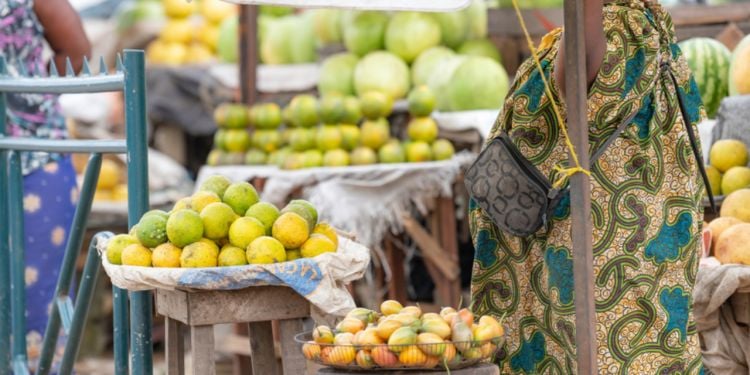
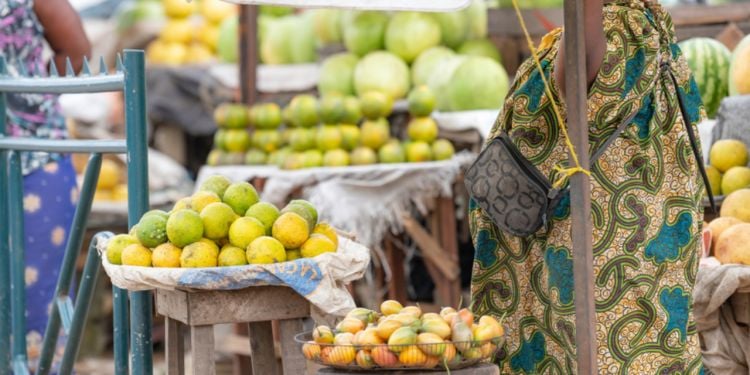
Shopping options include modern supermarkets like Carrefour and Spar in major neighborhoods, alongside vibrant local markets such as Marché Central and Nkoulouloun Market for fresh produce and household goods.
Cost of Living in Douala
Living costs in Douala are generally lower than in major Western cities, though international amenities and imported goods command premium prices. Budgeting accurately requires distinguishing between local and imported lifestyle choices.
Monthly Budget: Single Person
A single professional can live comfortably in Douala on USD 1,000 to 1,500 monthly, with higher budgets needed for those preferring premium neighborhoods and international standards.
Expense | Budget (USD) | Comfortable (USD) |
Rent (1-bedroom) | 300–400 | 500–700 |
Utilities (electricity, water) | 80–120 | 150–200 |
Groceries | 200–300 | 350–450 |
Transportation | 50–100 | 150–250 |
Dining & Leisure | 100–150 | 200–350 |
Total | 730–1,070 | 1,350–1,950 |
Monthly Budget: Family of Four
Families should budget USD 2,500 to 4,000 monthly, with international school fees representing the largest variable expense.
Expense | Budget (USD) | Comfortable (USD) |
Rent (3-bedroom) | 800–1,200 | 1,500–2,500 |
Utilities | 150–250 | 250–400 |
Groceries | 400–500 | 600–800 |
School fees (per child/year) | 1,000–3,000 | 8,000–16,000 |
Transportation | 200–300 | 400–600 |
Domestic help | 100–150 | 150–250 |
Sources: Numbeo, Cameroon eVisa
In Short
Douala presents a compelling destination for professionals and families seeking opportunities in Central Africa. As Cameroon's economic powerhouse, the city combines commercial dynamism with cultural richness, offering a lower cost of living than many African capitals while providing access to international schools, diverse neighborhoods, and growing business sectors. The challenges of traffic, humidity, and infrastructure are balanced by the warmth of local communities, the vibrancy of markets and nightlife, and proximity to remarkable natural attractions. Whether you're drawn by career prospects in logistics, finance, or emerging tech sectors, or simply seeking an authentic African experience, Douala rewards those who embrace its energy and complexity. Connect with others on this journey through the Expat.com Douala forum, where you'll find advice, local insights, and a supportive community of fellow internationals.
We do our best to provide accurate and up to date information. However, if you have noticed any inaccuracies in this content, please contact us.


Essential services for your expat journey



