

Living in Bucharest: the ultimate expat guide
Everything you need to know for a successful life in Bucharest.
Bucharest, Romania's capital and largest city, offers a unique blend of history, culture, and modern opportunity. With a population of around 1.8 million in the city proper and over 2.5 million in the metropolitan area, Bucharest serves as Romania's economic, cultural, and educational hub. The city combines impressive Belle Époque architecture with communist-era structures and sleek modern developments, earning it the nickname "Little Paris" during its golden age. Today, Bucharest attracts expatriates with its affordable cost of living, thriving tech sector, and strategic location within the European Union.
5 Good Reasons to Move to Bucharest
- Affordable cost of living — Bucharest offers significantly lower living expenses compared to Western European capitals while maintaining a high quality of life.
- Thriving tech sector — Romania ranks second in Europe for IT specialists, with major companies like Microsoft, Amazon, Oracle, and Google operating R&D centers in Bucharest.
- EU membership benefits — As an EU member state, Romania offers freedom of movement for EU citizens and access to European programs and healthcare standards.
- Excellent internet connectivity — Romania boasts some of the fastest and most affordable internet speeds in the world, ideal for remote workers and digital nomads.
- Strategic location — Bucharest provides easy access to both the Black Sea coast and the Carpathian Mountains, with proximity to other European destinations.
Working in Bucharest: Opportunities in a Growing Economy
Bucharest dominates Romania's job market, generating approximately 63% of the nation's IT revenue and serving as headquarters for most multinational corporations operating in the country. The city has transformed into a significant tech hub, attracting foreign investment and creating opportunities across various sectors.
Key Industries and Employment Sectors
The information technology sector leads employment opportunities, with over 200,000 IT professionals working in Romania as of 2024. Major tech companies including Microsoft, Amazon, Oracle, Google, Huawei, and Adobe have established operations in Bucharest. Beyond tech, significant opportunities exist in business process outsourcing (BPO), shared services centers, automotive manufacturing, finance, and telecommunications. The fintech sector is particularly dynamic, with over 380 startups operating in Romania.
Work Permits and Regulations
EU, EEA, and Swiss nationals can work in Romania without permits. Non-EU citizens require both a work permit and long-stay visa (D/AM type). Employers must apply for work permits through the General Inspectorate for Immigration (IGI), demonstrating that the position cannot be filled locally. Processing typically takes 30-45 days. Romania issued 100,000 work authorization spots in 2024, with 140,000 allocated for 2025.
The following table summarizes key employment indicators for Bucharest:
Unemployment Rate (Romania) | 5.4% (2024) |
Average Net Salary (Bucharest) | EUR 1,200/month |
IT Sector Net Salary (Senior) | EUR 2,000-3,000+/month |
Minimum Gross Wage (2025) | RON 4,050 (~EUR 814) |
Sources: EURES, Eurostat, General Inspectorate for Immigration
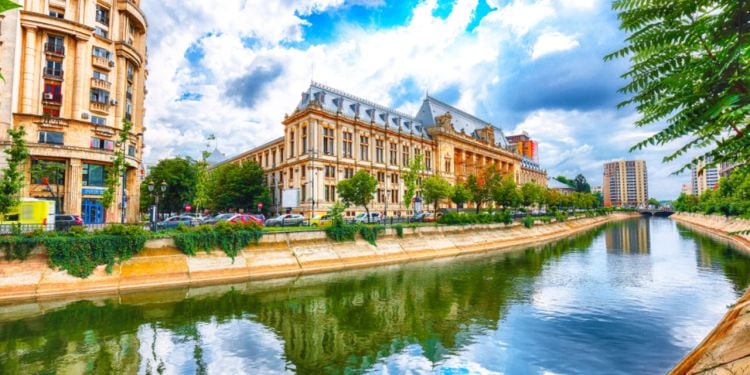
Working in Bucharest
As the Romanian capital, Bucharest is also the most important financial centre here, and also the most dynamic and vibrant city in Romania. With a ...
Higher Education in Bucharest: Universities and Programs
Bucharest hosts Romania's largest concentration of higher education institutions, with over 22 universities and colleges offering programs across all academic disciplines. The city attracts students from around the world with affordable tuition fees and internationally recognized degrees.
Major Universities
The University of Bucharest (UB), founded in 1864, ranks among Romania's most prestigious institutions, offering 97 undergraduate programs and 215 master's programs across 18 faculties. It holds QS World Ranking positions in the 761-770 range. The University POLITEHNICA of Bucharest (UPB), Romania's oldest and largest technical university, specializes in engineering and technology. The Bucharest University of Economic Studies (ASE), established by Royal Decree in 1913, is a leading institution for business and economics with 13 faculties. Carol Davila University of Medicine and Pharmacy, dating to 1857, is Romania's oldest medical school.
Tuition Fees and Admission
Tuition fees for international students are notably affordable compared to Western Europe. At the University of Bucharest, fees start from approximately EUR 2,237 per year for international students. The Bucharest University of Economic Studies charges approximately EUR 3,000 per year plus a EUR 300 registration fee for non-EU students. Bachelor's tuition generally ranges from RON 4,000 to 22,200, while master's programs range from RON 5,000 to 44,200 annually. Several universities offer programs taught in English and French. Non-Romanian speakers may enroll in a preparatory year of Romanian language before starting their degree programs.
Sources: University of Bucharest, Bucharest University of Economic Studies, QS World University Rankings
Schools for Expat Children in Bucharest
Bucharest offers a range of educational options for expatriate families, from international schools following British, American, and IB curricula to local Romanian institutions. Most expat families opt for international schools due to language considerations and curriculum continuity.
International School Options
The city hosts approximately 24 international schools catering to various curricula. The British School of Bucharest, located in the Pipera suburb, serves students ages 2-18 following the National Curriculum for England through IGCSE and A-Levels. Annual tuition ranges from approximately EUR 7,819 to EUR 24,683. The American International School of Bucharest (AISB) offers the American curriculum combined with IB programs. The International School of Bucharest (ISB), accredited by the Council of International Schools, serves over 750 students from 40 nationalities. The International British School of Bucharest (IBSB) emphasizes a community-focused approach with the British curriculum. Deutsche Schule Bukarest follows the German curriculum for families seeking German-language education.
Enrollment and Fees
International schools in Bucharest typically have waiting lists for popular grade levels, so early application is advisable. First-year enrollment at major institutions typically includes registration fees ranging from EUR 100-500 and enrollment deposits. Annual tuition at international primary schools averages around RON 63,419 (approximately EUR 12,700), though this varies significantly by institution. Most schools offer sibling discounts of 5-10%. The Romanian public school system is free but conducted entirely in Romanian, making it suitable only for long-term residents planning full integration.
Sources: British School of Bucharest, International Schools Database
Housing and Neighborhoods in Bucharest
Bucharest's housing market offers diverse options from communist-era apartment blocks to modern luxury developments and historic villas. Northern districts dominate the expat rental market due to proximity to international schools and business centers.
Popular Expat Neighborhoods
Herăstrău/Nordului remains the most popular area for expatriates, offering modern apartments near King Michael I Park (formerly Herăstrău Park) and quick access to international schools in Pipera. Expect budgets of around EUR 3,000 for a three-bedroom apartment. Floreasca combines residential appeal with business facilities, featuring contemporary apartment complexes alongside traditional housing near Floreasca Lake. Primăverii is one of Bucharest's most affluent neighborhoods, home to designer boutiques, upscale restaurants, and proximity to embassies. Pipera, technically in Voluntari commune, has become a top choice for families seeking newer constructions and proximity to schools like the British School of Bucharest. Dorobanți and Kiseleff offer charming pre-war villas and excellent metro connections.
Rental Prices and Procedures
Rental prices in Bucharest remain significantly lower than Western European capitals. The following table provides current rental estimates:
1-bedroom (city center) | EUR 400-600/month |
1-bedroom (outside center) | EUR 300-400/month |
3-bedroom (city center) | EUR 800-1,200/month |
3-bedroom (outside center) | EUR 550-750/month |
Rental contracts should be registered with the local fiscal administration (ANAF). Popular platforms include imobiliare.ro and expat Facebook groups. Utilities typically cost an additional EUR 150-260/month depending on season and apartment size.
Sources: Numbeo, Expat Arrivals
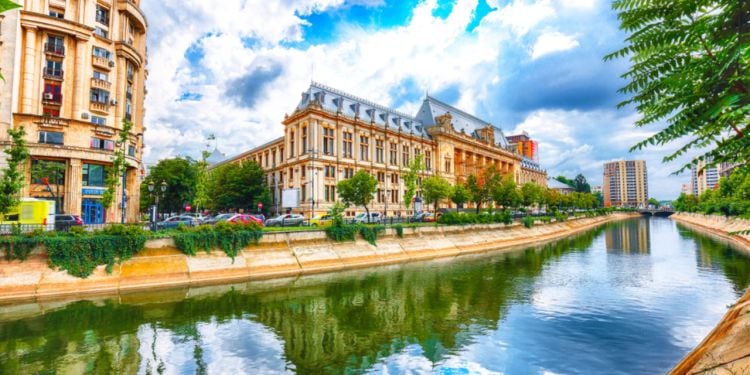
Accommodation in Bucharest
Bucharest, the capital of Romania, is the most dynamic city in the country, and also the most developed one. This modern city attracts lots of ...
Leisure, Culture, and Things to Do in Bucharest
Bucharest offers a rich cultural scene that reflects its complex history, from Ottoman influences to its Belle Époque glory days and communist past. The city provides ample opportunities for entertainment, outdoor activities, and cultural exploration.
Museums and Cultural Attractions
The Palace of the Parliament, the world's second-largest administrative building after the Pentagon, stands as a testament to communist-era ambition and offers guided tours. The National Museum of Romanian History houses treasures from prehistoric times through modern history, including the Romanian Crown Jewels. The Dimitrie Gusti National Village Museum in Herăstrău Park features over 300 relocated traditional buildings from across Romania's rural regions. The Romanian Athenaeum, an architectural jewel and concert hall, hosts the renowned George Enescu Festival. The Grigore Antipa Natural History Museum offers interactive exhibits popular with families.
Parks, Recreation, and Nightlife
King Michael I Park (Herăstrău) spans 465 acres around a lake, offering boat rentals, running paths (5.5 km loop), and outdoor restaurants. Cișmigiu Gardens, Bucharest's oldest park from 1854, features rowboat rentals, a beer garden, and chess areas. Tineretului Park provides additional green space in the southern part of the city. For nightlife, the Old Town (Lipscani) buzzes with bars, restaurants, and clubs, offering everything from traditional Romanian restaurants like Caru' cu Bere (operating since 1899) to modern rooftop venues. Day trips to Peleș Castle in Sinaia and Bran Castle (associated with the Dracula legend) are easily accessible by train within 1.5-2 hours. The Black Sea coast and ski resorts in the Carpathians are approximately 2-3 hours from the city.
Sources: Visit Bucharest, Romania Tourism
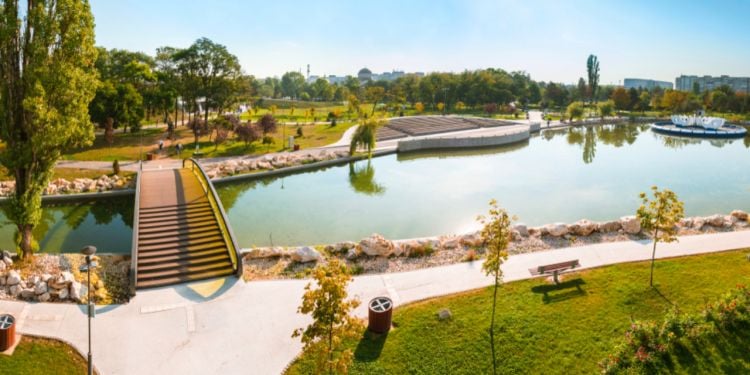
Places to visit in Bucharest
Bucharest, Romania's vibrant and chaotic capital, is one of the best attractions in Europe for visitors looking to experience the authentic ...
Daily Life in Bucharest: Getting Around and Local Culture
Daily life in Bucharest combines Eastern European charm with modern European conveniences. The city offers efficient public transportation, a growing café culture, and a surprisingly safe urban environment.
Public Transportation
Bucharest's public transport network includes a 5-line metro system (nearly 80 km with 63 stations), plus extensive bus, tram, and trolleybus services. The metro, operated by Metrorex, runs from 5:00 AM to 11:00 PM and remains the fastest way to navigate the city, avoiding notorious traffic congestion. Surface transport is managed by STB (Societatea de Transport București). Fares are remarkably affordable: a single metropolitan ticket costs RON 3 (approximately EUR 0.60), while a combined metro and surface monthly pass costs RON 100 (approximately EUR 20). A 24-hour tourist travel card covering metro, bus, tram, and airport train costs just RON 20. Contactless payment is available on many vehicles.
Lifestyle and Cultural Considerations
Bucharest residents enjoy a café culture comparable to other European capitals, with specialty coffee shops and restaurants throughout the city. The younger generation speaks excellent English, making integration easier. Shopping options range from traditional markets like Obor to modern malls including Băneasa Shopping City and AFI Cotroceni. The city is considered extremely safe by European standards, though standard precautions apply in tourist areas and around the main train station. Internet speeds rank among the fastest in Europe at very low costs (around EUR 10/month for high-speed broadband). The climate features hot summers and cold winters, with temperatures occasionally dropping below -10°C in January.
Sources: STB SA, Metrorex, Visit Bucharest
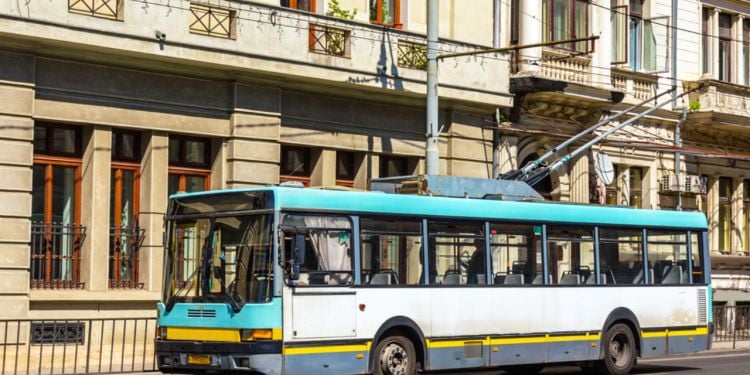
Getting around Bucharest
The public transport in Bucharest covers all the areas, and it's impossible not to find the right one for you. Here is all you need to know about ...
Cost of Living in Bucharest: What to Expect
Bucharest offers one of the most affordable cost-of-living profiles among EU capitals, making it attractive for expatriates and remote workers. While certain categories like electronics and clothing can be pricier than expected, daily expenses remain significantly lower than in Western Europe.
Monthly Budget for a Single Person
The following table estimates monthly expenses for a single expatriate living a comfortable lifestyle in Bucharest:
Expense Category | Estimated Cost (EUR) |
Rent (1-bedroom, city center) | 500 |
Utilities (electricity, heating, water) | 160 |
Groceries | 250 |
Public transport (monthly pass) | 20 |
Mobile phone + internet | 18 |
Dining out and entertainment | 200 |
Gym membership | 45 |
Total Estimate | ~1,200 |
Monthly Budget for a Family of Four
Families with children should anticipate higher costs, particularly if opting for international schooling:
Expense Category | Estimated Cost (EUR) |
Rent (3-bedroom, expat area) | 1,000 |
Utilities | 220 |
Groceries | 500 |
International school fees (per child, monthly) | 1,000 |
Private health insurance | 150 |
Transportation and car costs | 200 |
Dining out and leisure | 300 |
Total Estimate (1 child) | ~3,400 |
Sources: Numbeo (2025), Expat Arrivals
In Short
Bucharest presents a compelling option for expatriates seeking affordability, career opportunities, and European lifestyle without the premium price tag of Western capitals. The city's booming tech sector, combined with its EU membership benefits, excellent internet infrastructure, and improving quality of life, makes it particularly attractive for professionals in IT, finance, and international business. While challenges exist—notably traffic congestion and some aging infrastructure—the warmth of Romanian hospitality, the richness of cultural offerings, and the sheer value for money create a rewarding expatriate experience. Whether you're drawn by career prospects, the digital nomad lifestyle, or simply seeking a new adventure, Bucharest delivers a unique blend of old-world charm and modern opportunity.
Connect with fellow expatriates and get firsthand advice on the Expat.com Bucharest forum!
We do our best to provide accurate and up to date information. However, if you have noticed any inaccuracies in this content, please contact us.


Essential services for your expat journey



