Living in Tokyo: the ultimate expat guide
Everything you need to know for a successful life in Tokyo.
Tokyo is one of the world's most dynamic capitals, where cutting-edge technology meets centuries-old traditions. Home to approximately 14 million residents in its metropolitan core and 37 million in the greater metropolitan area, the city seamlessly blends modern innovation with cultural heritage. From peaceful traditional gardens to bustling electronic districts, Tokyo presents a unique environment for international professionals and families.
Tokyo is a major center of global economic activity, contributing a significant portion of Japan’s national output and hosting headquarters for leading corporations, innovative startups, and financial institutions. Meanwhile, the city's efficient public transportation network, ranked among the best globally, connects countless neighborhoods. International schools, multilingual services, and welcoming expatriate communities help ease the transition for newcomers.
5 reasons to move to Tokyo
- Economic powerhouse: Tokyo ranks among the world’s top cities by GDP, exceeding $2.5 trillion, and is home to major corporate headquarters as well as innovative startups.
- Exceptional safety: Consistently ranked among the world's safest major cities with remarkably low crime rates and excellent emergency services.
- Excellent transportation links: The extensive urban rail network carries 40 million passengers daily with legendary punctuality and efficiency.
- Cultural richness: Ancient temples, world-class museums, traditional arts, and contemporary culture create an unmatched blend of old and new.
- Culinary capital: More Michelin-starred restaurants than any other city, plus endless authentic cuisine from every region of Japan.
Source: World Population Review
Working in Tokyo
Tokyo is a major center of economic activity in Japan, hosting headquarters for leading corporations, innovative startups, and financial institutions. The city’s economy is diversified, with services—including finance, professional services, retail, and information and communications—accounting for the largest share of output, while technology and manufacturing also play a significant role in the metropolitan area and surrounding regions. Major companies with substantial operations in Tokyo include Sony, Toyota, SoftBank, and NTT, alongside numerous multinational firms. The Tokyo Stock Exchange is one of Asia’s largest and most influential financial markets.
Key employment sectors
The technology sector encompasses software development, robotics, electronics manufacturing, and digital innovation, while financial services include banking, insurance, asset management, and capital markets. Manufacturing includes automotive, electronics, precision instruments, and pharmaceuticals, primarily in the wider metropolitan region. Professional services include consulting, legal, accounting, and creative industries.
Work permits and procedures
To work legally in Tokyo, most international professionals need sponsorship from a Japanese employer. The Engineer/Specialist in Humanities/International Services visa covers IT professionals, teachers, marketers, and similar roles, requiring a bachelor's degree or equivalent experience. The Intra-Company Transferee visa applies to employees transferring within multinational organizations. The Highly Skilled Professional visa offers benefits including fast-track permanent residency for top talent with specific qualifications and income levels.
Employers must first obtain a Certificate of Eligibility (COE) from Japan's Immigration Services Agency, typically taking one to three months. Once issued, applicants use the COE to apply for their work visa at a Japanese embassy or consulate.
Unemployment rate (Japan) | 2.6% |
Average monthly salary (net) | JPY 391, 528 |
Top sectors | Technology, finance, manufacturing |
Data correct as of December 2025.
Sources: Trading Economics, Numbeo
🔍To learn more
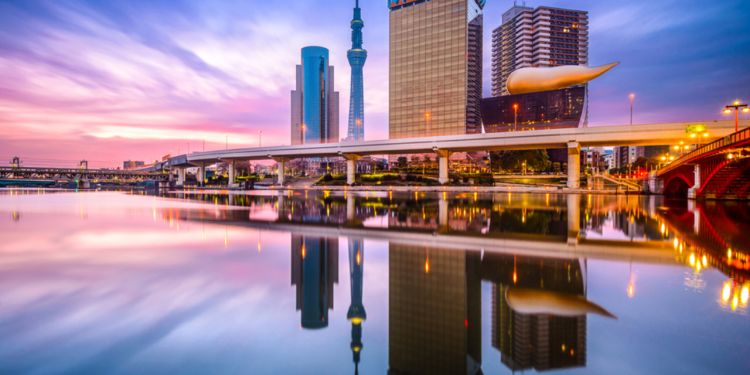
How to find a job in Tokyo
Tokyo is definitely the ideal place to find a job in Japan. This is where the headquarters of large ...
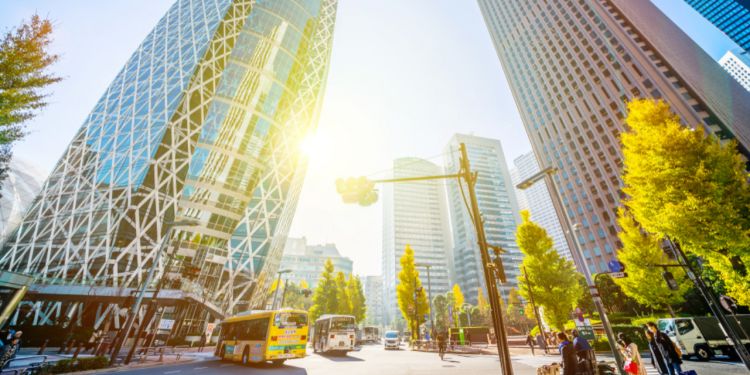
The job market in Tokyo
Japan currently ranks as the fourth largest economy globally, behind the US, China, and Germany. ...
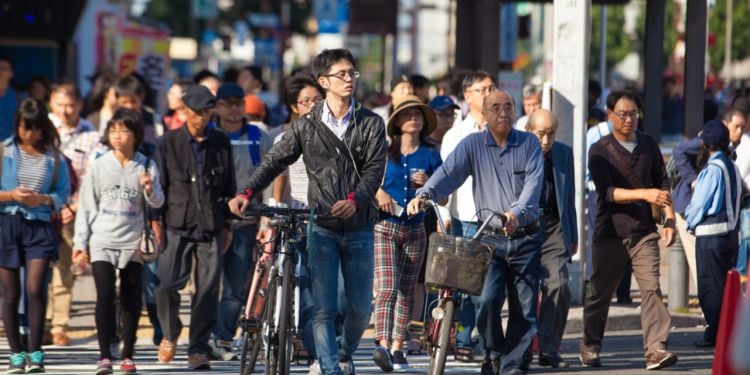
The work culture in Tokyo
If you plan to work in Japan in general and Tokyo in particular, it is essential to understand ...
Higher education & universities
Tokyo hosts several world-class universities and is a top destination in Asia for advanced academic study and research.
Universities and programs
The University of Tokyo provides a wide range of programs across multiple disciplines, with select undergraduate tracks such as the PEAK program and various graduate programs offered in English. Waseda University offers a growing number of English-taught programs in business, international relations, and social sciences. Keio University is renowned for its economics, business, and policy studies, with expanding English-language programs. Sophia University also has numerous English-taught courses across various disciplines.
Admission requirements
International applicants to universities in Tokyo must demonstrate English proficiency through TOEFL, IELTS, or other accepted examinations, with requirements varying by program. Academic transcripts and certificates should be submitted in official form, with translations where needed. Strong academic performance is expected, and student visa applicants must prove financial capability to cover tuition and living expenses. Application deadlines differ by university and program, generally falling between late autumn and early spring for spring or fall intake, depending on the course schedule.
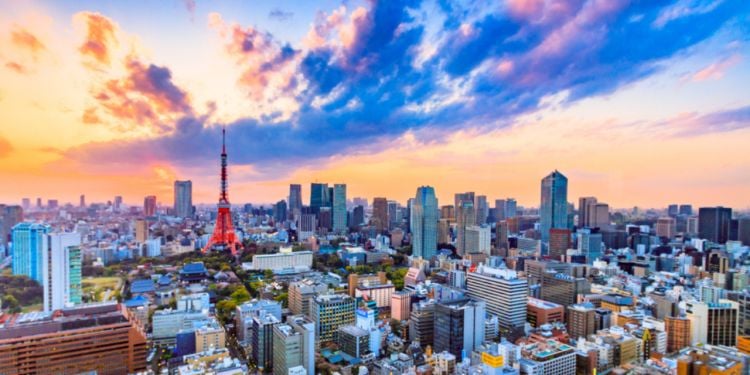

Schooling for children
Public schools welcome international students but provide limited English support. Some Tokyo public schools offer bilingual programs or additional Japanese language assistance for non-native speakers.
International schools
Tokyo offers numerous international schools serving expatriate families, with curricula including International Baccalaureate, American, British, and other national systems. The American School in Japan (ASIJ), established over 120 years ago, serves students from age 3 to 18 with an American curriculum. The British School in Tokyo (BST) teaches the English National Curriculum across multiple campuses. Seisen International School, Tokyo International School, and K. International School Tokyo all offer IB programs with strong university placement records.
Application process
International schools in Tokyo typically require applications 12 to 18 months ahead of the intended start date. The process usually includes parent questionnaires, academic records, teacher recommendations, and assessments or interviews for older students. Many schools maintain waiting lists, especially for mid-year entry.
Housing & neighborhoods
Tokyo's housing market varies dramatically by location, with central wards commanding premium prices while outer areas offer better value. Each neighborhood has distinct characteristics, from the bustling commerce of Shibuya to the residential calm of Setagaya.
Popular neighborhoods
Minato Ward features upscale areas like Roppongi, Azabu, and Aoyama, popular with international residents for proximity to embassies and international schools. Shibuya Ward mixes vibrant commercial districts with residential areas, backed by outstanding transport connections and everyday urban amenities. Setagaya Ward provides family-friendly residential environments with parks, good schools, and more spacious housing. Meguro Ward balances convenience with livability, featuring tree-lined streets and local charm. Shinjuku Ward offers proximity to business districts, though noise levels vary by specific area.
Rental process
Landlords typically require first month's rent, a security deposit (usually one to two months' rent), and key money (non-refundable payment to the landlord). Many landlords also require a Japanese guarantor or guarantor company. Foreign-friendly agencies specialize in helping international residents navigate the rental process, handling language barriers and paperwork. Lease terms usually run two years, with renewal requiring additional payments.
Rent of a 1-bedroom apartment in the city center | JPY 108,000 - 266,000/month |
Rent of a 3-bedroom apartment in the city center | JPY 250,000 - 600,000/month |
Data correct as of December 2025.
Source: Numbeo
🔍To learn more
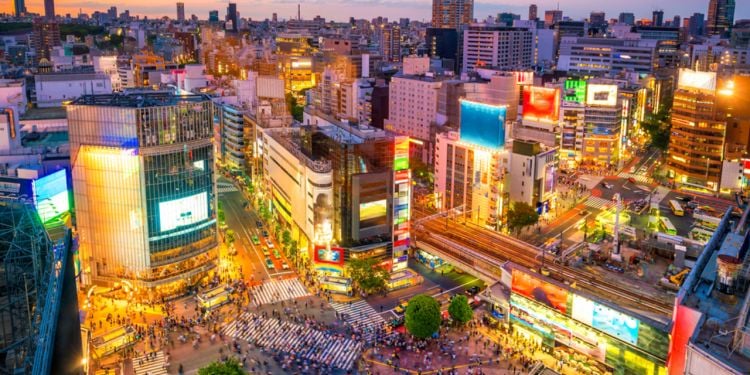
Accommodation in Tokyo
If you're moving to Tokyo, you might be wondering where to stay. Capsule hotels and other ...
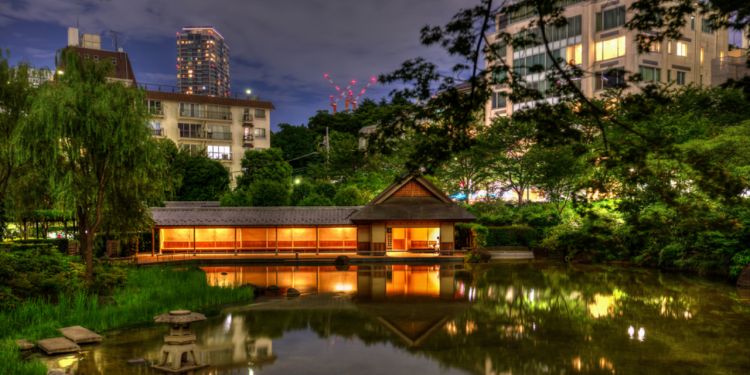
The real estate market in Tokyo
Now that you have been living in Tokyo for some time, aren't you thinking of becoming a ...
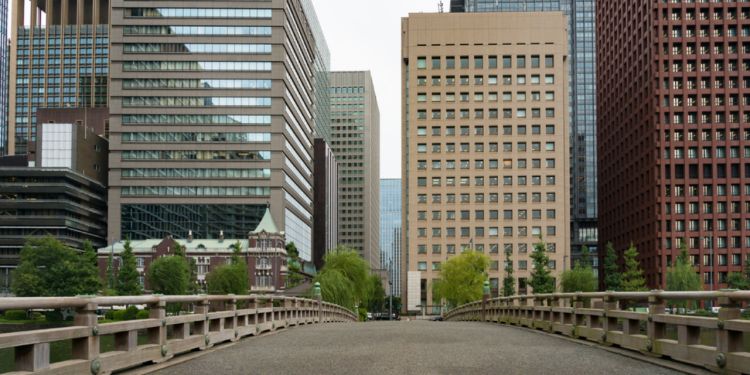
Neighborhoods in Tokyo
Tokyo and its special wards are fascinating. Each of them has its own identity, and you will find ...
Leisure, culture & things to do
Tokyo offers extraordinary cultural experiences, from ancient temples to cutting-edge digital art. The city's diverse entertainment landscape ensures endless exploration possibilities for residents and visitors alike.
Cultural attractions
Among the popular cultural attractions in Tokyo are the Tokyo National Museum, which houses Japan's largest collection of art and artifacts. teamLab Borderless and teamLab Planets create immersive digital art experiences unique to Tokyo. The Ghibli Museum brings Studio Ghibli's animated films to life. Historic sites include Senso-ji Temple in Asakusa, Meiji Shrine surrounded by forest in central Tokyo, and the Imperial Palace gardens. Modern landmarks like Tokyo Skytree and Tokyo Tower offer panoramic city views.
Outdoor spaces and entertainment districts
Tokyo has plenty of green spaces despite its density. Ueno Park encompasses museums, a zoo, and beautiful grounds. Shinjuku Gyoen features traditional Japanese, English, and French gardens. Yoyogi Park attracts crowds for picnics and weekend events.
Each district offers unique entertainment. Shibuya pulses with youth culture and nightlife. Akihabara serves as the center for electronics, anime, and gaming culture. Roppongi features international dining and nightlife. Harajuku showcases street fashion and quirky shops. Ginza is known for luxury shopping and high-end dining. The city's extensive entertainment options include sumo tournaments, baseball games, traditional theater, modern concerts, and countless festivals throughout the year.
🔍To learn more
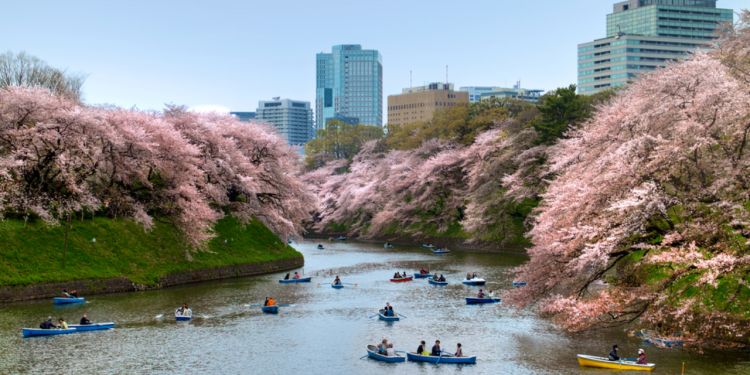
Things to see and to do in Tokyo
There is a lot to see and do in Tokyo, whether with family, friends, as a couple, or solo. ...
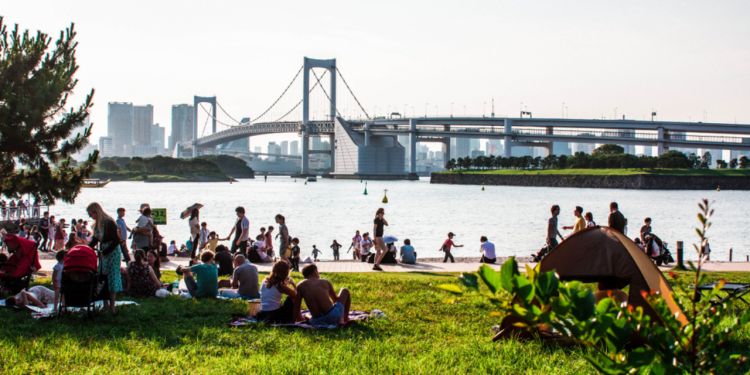
Leisure activities in Tokyo
What to do in Tokyo when it rains? Where to go for a walk? What are the nice activities to do ...

The cuisine in Tokyo
In Tokyo, as in other places in Japan, tasty and cheap local dishes are easy to find. The different ...
Daily life
Tokyo’s public infrastructure supports a high standard of daily living, from reliable healthcare access to well-organized municipal services. The city's legendary punctuality and service quality extend across all aspects of daily life.
Getting around
Tokyo's transportation system includes Tokyo Metro and Toei Subway, operating 13 subway lines with extensive private rail systems that reach far into surrounding areas. IC cards like Suica and PASMO allow easy travel across trains, subways, and buses. The JR Yamanote Line loops through central Tokyo, linking major hubs including Shinjuku, Shibuya, Tokyo Station, and Ikebukuro. Train services generally run from early morning until around midnight, with schedules varying slightly by line. Buses fill in gaps where rail access is limited, while taxis are widely available but considerably more expensive than public transport.
Healthcare and services
All residents must enroll in Japan’s public health insurance system, which provides access to high-quality medical care with regulated out-of-pocket costs. Tokyo has many hospitals and clinics experienced in serving international patients, particularly in central districts, although English-language support differs by facility. City services offer multilingual assistance for many administrative procedures, enforce strict waste sorting and collection schedules, and maintain public facilities to a high standard. Convenience stores operate around the clock and play a central role in daily life, offering bill payment services, banking functions, and essential goods.
Source: Tokyo Metro
🔍To learn more
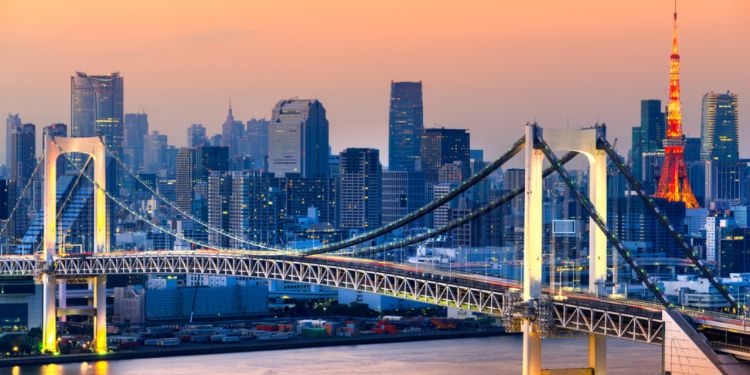
Discovering Tokyo
You will discover the different facets of the Japanese capital by visiting the very touristy ...
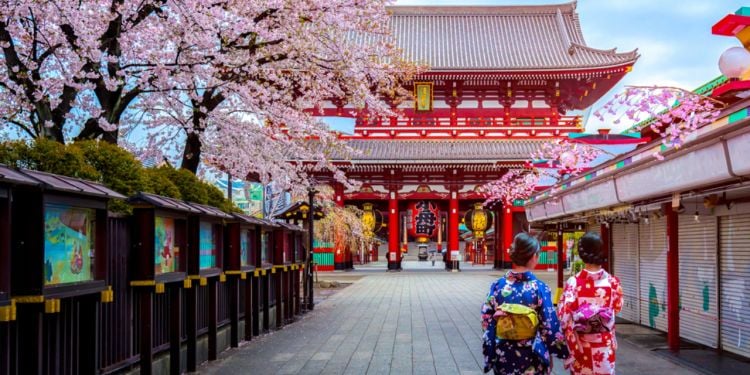
Adjusting to the local culture in Tokyo
Saying sorry, thank you, addressing a stranger, your boss, or your family, talking, getting around ...

How to develop your social network in Tokyo
How do you socialize in Tokyo? How to make friends and join groups in the Japanese capital? Should ...
Cost of living
The cost of living in Tokyo varies significantly based on lifestyle choices and residential location. While the city no longer ranks among the world's most expensive, costs still require careful budgeting.
Monthly expenses for a single person
Rent of a 1-bedroom apartment in the city center | JPY 108,000 - 266,000 |
Utilities | JPY 16,500 - 42,500 |
Groceries | JPY 27,000 - 35,000 |
Data correct as of December 2025.
Monthly expenses for a family of four
Rent of a 3-bedroom apartment in the city center | JPY 250,000 - 600,000 |
Utilities | JPY 20,000 - 35,000 |
Groceries | JPY 27,000 - 40,000 |
Data correct as of December 2025.
Source: Numbeo
In short
Tokyo combines economic opportunity, cultural richness, exceptional safety, and world-class infrastructure into a compelling destination for international professionals and families. Success in Tokyo requires patience with language barriers, respect for cultural norms, and willingness to adapt to Japanese business and social practices. The reward is life in one of the world's most fascinating cities, where ancient traditions coexist with cutting-edge innovation, and where safety, cleanliness, and service quality set global standards. For more in information, check out our informative articles and join the Expat.com Tokyo forum where you can connect with other expats and ask questions about life in the city.
We do our best to provide accurate and up to date information. However, if you have noticed any inaccuracies in this content, please contact us.


News & testimonies
Foreign workers in Japan are essential but resisted
A new development plan has divided opinions in the quiet town of Kutchan, bringing immigration debates back into the spotlight. At the same time, a recent incident has fueled fresh controversy. What does this mean for expatriates in Japan?

Japan cracks down on expats over unpaid dues
Japan is stepping up efforts to hold foreign residents accountable for unpaid taxes and health-related fees. Under a new policy set to take effect by June 2027, the government aims to create what it calls an “orderly and harmonious society”—a vision that includes stricter expectations for expats.

Japan's labor shortage: Can new visa reforms solve the crisis?
Facing a labor shortage and a worsening demographic situation, Japan is gradually opening up to immigration, particularly by reforming its visa policies. However, the country remains torn between economic necessity and a social model built on homogeneity. Here's an analysis.

How countries are luring expats with low-priced properties
Abandoned houses, dilapidated properties, low-cost apartments, etc., for sale. While many countries are affected by housing, some of them, like Japan, are offering abandoned properties at very low prices. Does this attract expats?
Essential services for your expat journey