Living in Durban: the ultimate expat guide
Everything you need to know for a successful life in Durban.
Durban, located on the eastern coast of South Africa in the KwaZulu-Natal province, is the country's third-largest city and home to Africa's busiest port. With a population of over 3.5 million in the greater eThekwini metropolitan area, Durban offers a unique blend of African, Indian, and British influences that shape its vibrant culture, cuisine, and daily life. The city enjoys a subtropical climate with warm temperatures year-round, making it a popular destination for both tourists and expatriates seeking a coastal lifestyle.
Why Choose Durban?
Durban stands out as an attractive destination for expatriates looking for affordability, warm weather, and a relaxed pace of life. The city serves as a major economic hub for the region, with strong connections to both African markets and international trade routes. Its diverse population creates a welcoming environment for newcomers from all backgrounds.
5 Good Reasons to Move to Durban
- Affordable cost of living – Durban offers significantly lower living costs compared to Johannesburg or Cape Town, with housing and daily expenses approximately 20% cheaper.
- Year-round warm climate – Average temperatures range from 17°C to 28°C, with over 320 sunny days annually, perfect for outdoor activities.
- World-class beaches – The Golden Mile and surrounding coastline offer excellent swimming, surfing, and water sports opportunities.
- Rich cultural diversity – The city's Indian, Zulu, and colonial heritage creates a unique multicultural atmosphere with exceptional cuisine.
- Growing economy – As Africa's largest port city, Durban offers opportunities in logistics, manufacturing, tourism, and finance sectors.
Working in Durban: Employment Opportunities and Key Industries
Durban's economy is driven by its strategic position as a major port city and manufacturing hub. The city recorded the highest employment growth among South African metros in 2024, with a net gain of 70,000 jobs. The unemployment rate in eThekwini dropped to 17% in Q4 2024, the lowest among major South African cities, though it has since stabilized around 20-22% as of mid-2025.
Key Economic Sectors
The Port of Durban handles approximately 60% of South Africa's container traffic, making logistics, shipping, and related services major employers. The automotive industry is particularly strong, with Durban serving as Africa's premier manufacturing hub for vehicles and components. Toyota South Africa and other major manufacturers operate significant facilities in the region. Other key sectors include manufacturing (chemicals, plastics, textiles), tourism and hospitality, financial services, and healthcare. The Dube Trade Port near King Shaka International Airport is a growing special economic zone attracting investment in agri-processing, electronics, and life sciences.
Work Permits and Visas
Foreign nationals require a valid work visa to be employed in South Africa. The Critical Skills Work Visa is available for professionals in high-demand occupations and can be issued for up to 5 years. Since October 2024, applications are assessed via a points-based system requiring a minimum of 100 points. Points are awarded for qualifications, salary level, work experience, employer status, and language proficiency. A General Work Visa is available for other occupations, requiring a job offer and proof that no suitable South African candidate is available.
Employment Overview
Average monthly salary (net) | R21,211 (USD 1,180) |
Unemployment rate (eThekwini) | 20-22% (June 2025) |
Top hiring sectors | Technology, healthcare, logistics, finance |
Sources: Numbeo, Durban EDGE, Statistics South Africa
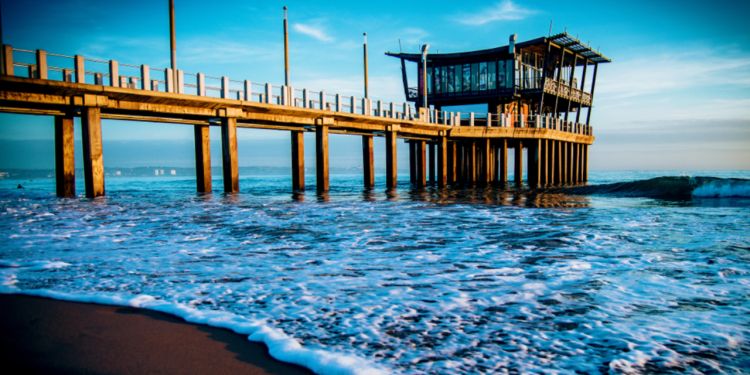
Working in Durban
A city of over three million people, Durban, also known as eThekwini, is one of the main tourist cities due to its tropical climate and the warm ...
Higher Education in Durban: Universities and International Programs
Durban is home to several respected higher education institutions offering programs across diverse fields. The city's universities attract thousands of international students annually, with programs taught in English and strong research capabilities in areas like medicine, engineering, and business.
University of KwaZulu-Natal (UKZN)
The University of KwaZulu-Natal is Durban's premier research university, formed in 2004 through the merger of the University of Natal and University of Durban-Westville. Ranked in the top 600 globally by QS World University Rankings, UKZN operates five campuses including Howard College and the Nelson R. Mandela School of Medicine in Durban. The university offers undergraduate, master's, and doctoral programs across arts, sciences, law, medicine, engineering, and business. International students pay approximately USD 18,300 per year for undergraduate tuition. UKZN hosts the KwaZulu-Natal Research Institute for Tuberculosis and HIV/AIDS (K-RITH), a world-leading medical research facility.
Durban University of Technology (DUT)
The Durban University of Technology is a leading technical institution offering career-focused programs in engineering, design, accounting, health sciences, and information technology. DUT operates campuses in both Durban and Pietermaritzburg, with approximately 27,000 students enrolled. The university is one of only five technical institutions in Africa to offer doctoral degrees. International students from SADC countries pay local fees plus a foreign levy, while other international students pay differentiated fees depending on their program.
Admission Process
International students must apply through the university websites and submit proof of English proficiency (IELTS 6.0 minimum or TOEFL 550 for undergraduate programs). Foreign qualifications must be evaluated by the South African Qualifications Authority (SAQA). A valid study visa from a South African embassy is required before enrollment.
Sources: UKZN Official Website, DUT Official Website
Schools in Durban: Education Options for Expatriate Families
Durban offers a range of schooling options for expatriate families, from government schools to prestigious private institutions following international curricula. The South African school year runs from January to December, divided into four terms. While government schools are affordable, most expatriate families opt for private schools offering higher standards and international qualifications.
International and Private Schools
Crawford International is one of the most popular choices for expatriate families, with campuses in La Lucia and other Durban suburbs. Crawford schools follow the South African Independent Examinations Board (IEB) curriculum and offer the Cambridge International pathway. Annual fees for high school (Grades 8-12) range from R157,280 to R187,000 (approximately USD 8,700-10,400). The schools offer over 20 subjects, small class sizes, and extensive extracurricular activities. Other well-regarded private schools include Durban Preparatory High School (R42,600 annual fees), Clifton School, Westville Boys' High School, and Durban Girls' High School. Many of these follow traditional South African curricula but maintain high academic standards and offer IGCSE options.
School Selection Considerations
When choosing a school, consider the location relative to your home, as Durban traffic can be challenging during school hours. Northern suburbs like Umhlanga, La Lucia, and Durban North have the highest concentration of quality private schools. Most schools require application fees (R500-800) and enrollment deposits (R5,000+). Enrollment typically opens 12-18 months before the start date for popular schools. Note that Afrikaans is taught as a subject in most South African schools, though some private schools offer alternatives for international students.
School Fees Overview
Crawford International (High School) | R157,280 – R187,000/year |
International Primary School (average) | R84,550/year |
Private Preschool (monthly) | R3,757/month |
Sources: Crawford International, Numbeo
Housing in Durban: Where to Live and What to Expect
Finding accommodation in Durban is relatively straightforward, with options ranging from beachfront apartments to suburban family homes. Rental prices are significantly lower than in Cape Town or Johannesburg, making Durban attractive for expatriates seeking value. Most expatriates settle in the northern suburbs, which offer security, modern amenities, and proximity to good schools.
Popular Neighborhoods for Expatriates
Umhlanga is the premier choice for expatriates, located 15km north of the city center. This upscale area features modern apartments, gated estates, excellent shopping (Gateway Theatre of Shopping), and beautiful beaches. Expect to pay R10,000-R15,000 monthly for a one-bedroom apartment. Morningside and Berea offer a more central location with character homes, tree-lined streets, and proximity to restaurants on Florida Road. One-bedroom apartments rent for R7,000-R12,000. Durban North and La Lucia are family-friendly suburbs with good schools, security estates, and access to the M4 highway. Glenwood attracts a bohemian mix of students and young professionals, with affordable rents around R7,000-R11,000 for one bedroom.
Rental Process and Costs
Rentals are typically handled through estate agents who charge one month's rent as commission. Landlords require a deposit equivalent to 1-2 months' rent and proof of income. Lease agreements are usually for 12 months minimum. Many expatriates choose to live in security estates or gated complexes for peace of mind, which may include additional levies for security and maintenance.
Average Monthly Rent
1-bedroom apartment (city center) | R7,248 (USD 400) |
1-bedroom apartment (suburbs) | R6,136 (USD 340) |
3-bedroom apartment (city center) | R14,377 (USD 800) |
3-bedroom apartment (suburbs) | R10,446 (USD 580) |
Sources: Numbeo December 2025
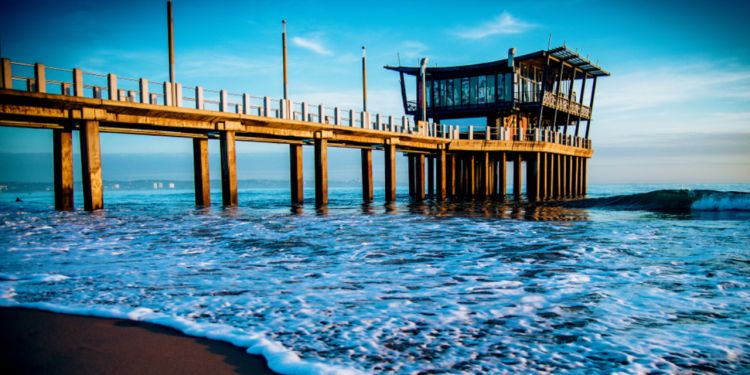
Accommodation in Durban
Young and dynamic, Durban attracts many expatriates by its lively and bustling environment, its pleasant climate and its tourist cachet. CNN reports ...
Leisure and Culture in Durban: Things to Do and See
Durban offers an abundance of leisure activities, from world-class beaches to cultural attractions and outdoor adventures. The city's subtropical climate means outdoor activities are enjoyable year-round, while its diverse population has created a rich cultural scene.
Beaches and Outdoor Activities
The Golden Mile is Durban's iconic beachfront promenade stretching along the Indian Ocean. Popular beaches include North Beach, Addington Beach, and uMhlanga Rocks to the north. The warm waters and consistent waves make Durban one of South Africa's best surfing destinations. Durban Botanic Gardens, established in 1849, is Africa's oldest surviving botanical garden and offers a peaceful retreat in the city. For more adventure, the Valley of 1000 Hills provides hiking, ziplining, and cultural experiences just 45 minutes from the city. Game reserves like Tala Private Game Reserve and Hluhluwe-Imfolozi Park (2.5 hours north) offer wildlife viewing.
Family Attractions
uShaka Marine World is one of the world's largest aquariums, featuring a water park, dolphin shows, and the Dangerous Creatures exhibit. Admission starts at R159 for water park access. Moses Mabhida Stadium, built for the 2010 FIFA World Cup, offers the SkyCar ride to the top of its iconic arch and the world's only stadium bungee swing. Mini Town near the beachfront displays a miniature replica of Durban's landmarks.
Nightlife and Dining
Florida Road in Morningside is the heart of Durban's nightlife, lined with restaurants, bars, and cafes. Umhlanga Village offers upscale dining with ocean views. For authentic experiences, visit the Victoria Street Market for Indian cuisine and spices, or try local bunny chow at Britannia Hotel. The Suncoast Casino complex provides entertainment including cinema, restaurants, and gaming.
Cultural Experiences
The Phansi Museum showcases African art and artifacts, while the KwaMuhle Museum explores Durban's apartheid history. The Playhouse Theatre hosts drama, dance, and music performances. Annual events include the Durban July horse racing event (Africa's biggest fashion event) and the Comrades Marathon ultramarathon.
Sources: uShaka Marine World, eThekwini Municipality
Daily Life in Durban: Getting Around and Local Culture
Daily life in Durban revolves around the outdoors, with the warm climate encouraging a relaxed, beach-oriented lifestyle. The city's multicultural character is evident in its food, festivals, and the friendly nature of its residents. English is widely spoken, though Zulu is the predominant local language in KwaZulu-Natal.
Transportation Options
Most expatriates in Durban rely on private vehicles, as the public transport system is still developing. The city's GO!Durban integrated rapid transit system is gradually expanding, with bus services connecting major areas. Durban Transport operates municipal buses covering central, southern, and northern regions, with fares starting at R15 per trip. The MUVO smart card system allows cashless payments on city buses. Minibus taxis are the most common form of public transport, though they can be crowded and routes may be confusing for newcomers. Ride-hailing services like Uber and Bolt are widely available and affordable, with typical fares around R10 per kilometer. For longer journeys, Metrorail operates commuter trains, though service reliability varies. King Shaka International Airport is located 35km north of the city, connected by the N2 highway.
Lifestyle and Culture
Durban's Indian community, one of the largest outside India, has profoundly influenced the city's cuisine. Bunny chow (curry served in a hollowed-out loaf of bread) is a local specialty, and the city is famous for its curries and samosas. The Victoria Street Market offers spices, crafts, and authentic Indian goods. Zulu culture is celebrated through traditional music, dance, and the annual Reed Dance ceremony. Durbanites are known for their relaxed attitude and friendliness. Weekends often involve trips to the beach, braais (barbecues) with friends, and visits to local markets. Shopping centers like Gateway Theatre of Shopping and Musgrave Centre serve as social hubs.
Sources: GO!Durban, eThekwini Municipality
Cost of Living in Durban: Monthly Budget Breakdown
Durban offers one of the most affordable lifestyles among South Africa's major cities. According to Numbeo data, Durban is approximately 20% cheaper than Cape Town and 15% cheaper than Johannesburg when accounting for rent. The city ranks among the top 31% least expensive cities globally, making it attractive for expatriates seeking value.
Monthly Budget for a Single Person
The following table provides estimated monthly costs for a single person living in Durban, excluding rent.
Expense Category | Monthly Cost (ZAR) | Monthly Cost (USD) |
Rent (1-bedroom, city center) | R7,248 | USD 400 |
Utilities (electricity, water, garbage) | R2,645 | USD 147 |
Groceries | R3,500 | USD 195 |
Transport (monthly pass) | R464 | USD 26 |
Internet (60 Mbps) | R634 | USD 35 |
Mobile phone plan (10GB) | R526 | USD 29 |
Gym membership | R550 | USD 31 |
Total (single person) | R15,567 | USD 863 |
Monthly Budget for a Family of Four
Expense Category | Monthly Cost (ZAR) | Monthly Cost (USD) |
Rent (3-bedroom, suburbs) | R10,446 | USD 580 |
Utilities | R3,500 | USD 195 |
Groceries | R11,000 | USD 610 |
International school (2 children) | R14,100 | USD 780 |
Transport (car, fuel, insurance) | R4,500 | USD 250 |
Private health insurance (family) | R6,000 | USD 333 |
Internet and phone | R1,160 | USD 64 |
Total (family of four) | R50,706 | USD 2,812 |
Sources: Numbeo December 2025
In Short
Durban offers expatriates an affordable, sun-drenched lifestyle on South Africa's beautiful east coast. With its warm climate, world-class beaches, rich cultural diversity, and growing economy, the city provides an excellent quality of life at a fraction of the cost of other major international destinations. The combination of Indian, Zulu, and colonial influences creates a unique atmosphere unlike anywhere else in the world, while the city's role as Africa's busiest port ensures ongoing economic opportunities. Whether you're drawn by career prospects in logistics, manufacturing, or finance, seeking quality education for your family, or simply looking for a relaxed coastal lifestyle, Durban welcomes you with open arms and warm waters.
Connect with other expatriates and get practical advice on the Expat.com Durban forum.
We do our best to provide accurate and up to date information. However, if you have noticed any inaccuracies in this content, please contact us.


Essential services for your expat journey