

Living in Vancouver: the ultimate expat guide
Everything you need to know for a successful life in Vancouver.
Vancouver sits on Canada's Pacific coast, framed by the North Shore Mountains and the ocean. The city combines urban living with outdoor adventure, offering skiing, hiking, and beaches within minutes of the downtown core. With a population of over 2.6 million in the metropolitan area, Vancouver ranks among the world's most livable cities according to the Economist Intelligence Unit.
The climate is mild compared to the rest of Canada, with temperatures rarely dropping below freezing in winter. Rain is frequent from October to March, but summers are warm and dry. Over 50% of residents identify as visible minorities, making Vancouver one of the most multicultural cities in North America.
5 good reasons to move to Vancouver
- World-class outdoor activities – Ski Whistler in winter, kayak the coastline in summer, or hike Grouse Mountain year-round.
- Thriving job market – Technology, film production, and healthcare sectors offer strong employment opportunities.
- Mild climate – Enjoy Canada's warmest winters and escape the extreme cold experienced elsewhere.
- Cultural diversity – Experience cuisines, festivals, and communities from around the world.
- Excellent healthcare – Access British Columbia's public Medical Services Plan (MSP) after a short waiting period.
Working in Vancouver
Vancouver's economy has transitioned from resource-based industries to a diverse knowledge economy. The city serves as Canada's gateway to the Pacific Rim, with strong connections to Asian markets. Major sectors include technology, film and television production, tourism, and natural resources.
Key industries and employers
The technology sector employs over 125,000 people in Metro Vancouver, representing nearly one in ten jobs. Major tech companies with offices include Amazon, Microsoft, Electronic Arts, and Hootsuite. Vancouver is known as "Hollywood North" and ranks as the third-largest film and TV production centre in North America, generating approximately USD 4.9 billion annually and supporting 20,000 jobs.
Work permits and employment
Foreign nationals typically need a work permit to work in Canada. Most permits require a job offer supported by a Labour Market Impact Assessment (LMIA). Alternatives include the Post-Graduation Work Permit for international graduates, International Experience Canada for young workers aged 18-35, and CUSMA permits for professionals from the United States and Mexico. The Express Entry system offers pathways to permanent residence for skilled workers.
The table below summarizes Vancouver's employment indicators.
Unemployment rate (Vancouver CMA) | 6.3% (September 2025) |
Average annual salary | CAD 70,000 – 73,000 |
Top sectors | Technology, Film/TV, Healthcare, Tourism |
Sources: Statistics Canada, Government of Canada
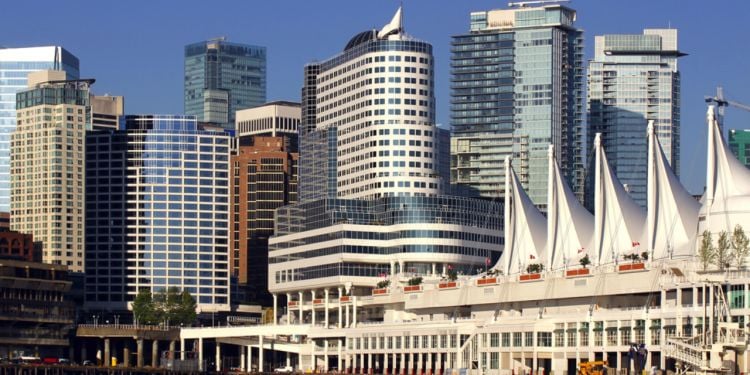
Working in Vancouver
If you're considering moving to Vancouver, finding a job is likely an important step. Here's some helpful information to guide you through ...
Higher Education & Universities
Vancouver offers world-class higher education institutions recognized globally. The city attracts over 90,000 post-secondary students annually, including a significant international student population. Universities here are known for research excellence and strong industry connections.
Major universities
The University of British Columbia (UBC) consistently ranks among the top 40 universities worldwide. Located on a stunning oceanfront campus, UBC offers programs across all disciplines. The Simon Fraser University (SFU) has campuses in Burnaby, Surrey, and downtown Vancouver, known for its cooperative education programs. Other options include British Columbia Institute of Technology (BCIT) for technical training, Emily Carr University for art and design, and Langara College for undergraduate studies.
International student tuition and admission
International undergraduate students at UBC pay approximately CAD 39,000 to 51,000 per year depending on the program, compared to around CAD 6,000 to 9,500 for domestic students. At SFU, international fees range from CAD 30,000 to 35,000 annually. UBC has implemented a multi-year tuition framework capping increases at 3% per year for international students. Admission typically requires a high school diploma, English proficiency (IELTS minimum 6.5 or TOEFL 80+), and program-specific prerequisites. Graduate programs often require a bachelor's degree and may include additional requirements like portfolios or interviews.
Sources: UBC Student Services, Simon Fraser University
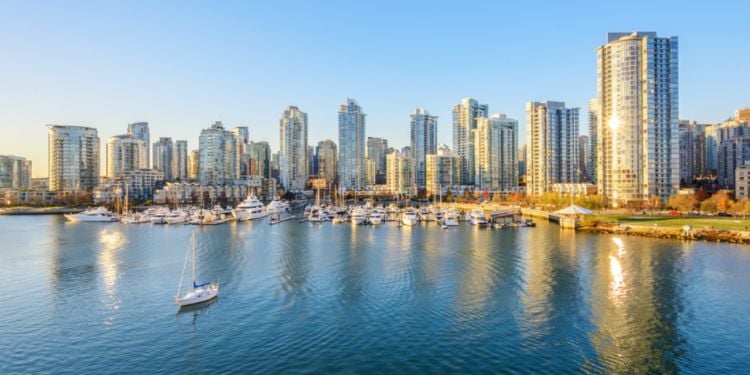
Study in Vancouver
Vancouver, recognized as one of the best cities to live in globally, holds the position of Canada's third-largest city. It stands out for its ...
Schooling for Children
Vancouver offers diverse schooling options for expatriate families. The public school system provides quality education at no cost to residents, while private and international schools cater to families seeking specific curricula or languages of instruction.
Public schools
The Vancouver School Board (VSB) operates the public school system, with enrollment based on catchment areas. Public schools follow the British Columbia curriculum and many offer French immersion programs starting from kindergarten. The school year runs from September to June. Several public secondary schools offer the International Baccalaureate (IB) program, including King George Secondary and Britannia Secondary.
Private and international schools
Private schools in Vancouver offer various curricula including Canadian, IB, and Montessori approaches. Tuition for IB schools typically ranges from CAD 21,000 to 32,000 per year. Notable options include St. John's School (IB continuum from Junior Kindergarten to Grade 12), West Point Grey Academy, and Crofton House School. For international students, fees are higher at approximately CAD 27,500 to 50,000 annually, with boarding options available. Schools like Bodwell High School specifically cater to international students seeking Canadian university preparation. Registration typically opens in the fall for the following academic year, and waiting lists are common at popular schools.
Sources: Vancouver School Board, Our Kids
Housing & Neighbourhoods
Vancouver's housing market is among the most expensive in North America. Rental vacancy rates remain low at approximately 0.9%, creating competition for available units. Understanding neighbourhood characteristics helps newcomers find suitable accommodation.
Popular neighbourhoods for expats
Kitsilano ("Kits") attracts young professionals and families with its beaches, cafes, and relaxed atmosphere. Downtown Vancouver and the West End offer urban convenience with walkable access to amenities and Stanley Park. Mount Pleasant provides a trendy, artistic vibe with Main Street's shops and restaurants. North Vancouver appeals to families seeking outdoor access and lower density. Yaletown offers a chic, modern lifestyle with waterfront living. For affordability, areas like East Vancouver, Burnaby, and New Westminster provide better value while maintaining good transit connections.
Rental prices and procedures
Average monthly rents as of 2025 are shown below. Prospective tenants typically need to provide references, proof of income, and first month's rent plus a security deposit (maximum half-month's rent in BC). Lease terms are usually 12 months. The BC government limits annual rent increases for existing tenants to 3% in 2025.
One-bedroom apartment (city centre) | CAD 2,300 – 2,800/month |
One-bedroom apartment (outside centre) | CAD 2,000 – 2,400/month |
Three-bedroom apartment (city centre) | CAD 4,500 – 5,500/month |
Sources: Numbeo, liv.rent
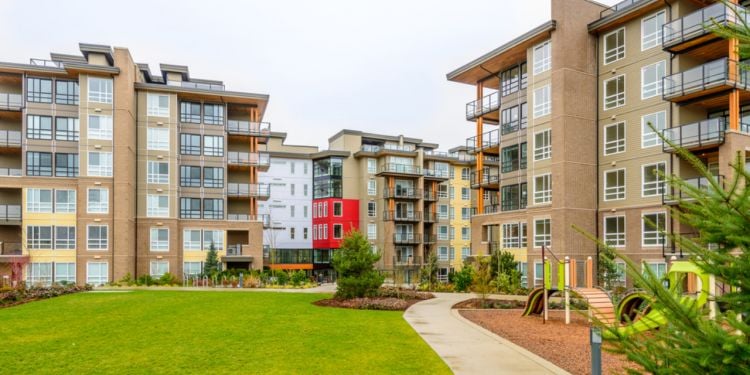
Accommodation in Vancouver
When you arrive in Vancouver, finding suitable housing will likely be one of your top priorities. In this article, we'll provide you with ...
Leisure, Culture & Things To Do
Vancouver offers a remarkable blend of outdoor adventure and urban culture. The city's natural setting provides year-round recreation, while its diverse population fuels a rich arts and dining scene.
Outdoor activities
Stanley Park, one of North America's largest urban parks at 405 hectares, features the famous Seawall, beaches, and the Vancouver Aquarium. Winter sports enthusiasts head to Whistler Blackcomb (two hours north), or local mountains including Grouse Mountain, Cypress Mountain, and Mount Seymour. The Capilano Suspension Bridge and Lynn Canyon offer rainforest experiences. Water activities include kayaking around False Creek, stand-up paddleboarding, and whale watching tours departing from Granville Island.
Arts, culture, and nightlife
The Vancouver Art Gallery houses significant works including Emily Carr's paintings. Granville Island features the Public Market, theatres, and artisan studios. The city hosts major events including the Vancouver International Film Festival, Celebration of Light fireworks competition, and Pride Parade. Neighbourhoods like Gastown offer craft cocktail bars and live music venues, while Davie Street in the West End serves as the hub for LGBTQ+ nightlife. Commercial Drive provides an eclectic mix of cafes, vintage shops, and cultural festivals celebrating the area's Italian heritage and counterculture roots.
Sources: Tourism Vancouver, City of Vancouver
Daily Life
Daily life in Vancouver balances urban convenience with outdoor recreation. The city offers efficient public transit, diverse dining options, and a culture that embraces healthy, active living.
Getting around
TransLink operates the regional transit network, including the SkyTrain (automated light metro with three lines), buses, and the SeaBus ferry connecting downtown to North Vancouver. A monthly transit pass costs CAD 111.60 for one zone, CAD 149.25 for two zones, or CAD 201.55 for three zones (2025 rates). Single fares using a Compass Card range from CAD 2.70 to 5.10 depending on zones travelled. Children 12 and under ride free with a fare-paying adult. University students can access the U-Pass BC at approximately CAD 46/month. Vancouver is also highly bikeable, with extensive cycling infrastructure and bike-share programs.
Lifestyle and culture
Vancouverites embrace outdoor activities year-round. Weekend hikes on the North Shore trails, beach volleyball at Kitsilano, and cycling the Seawall are part of daily life. The city has a strong coffee culture, with independent cafes throughout every neighbourhood. Grocery shopping options include major chains like Save-On-Foods, Safeway, and T&T Supermarket for Asian groceries. Farmers markets operate throughout summer. Healthcare is provided through the Medical Services Plan (MSP), which newcomers can access after a waiting period of up to three months – interim private coverage is recommended.
Sources: TransLink, Government of British Columbia
Cost of Living
Vancouver ranks among Canada's most expensive cities, with housing costs driving the high overall expense. Careful budgeting is essential for newcomers to maintain a comfortable lifestyle.
Monthly budget for a single person
The table below outlines typical monthly expenses for a single person renting in Vancouver.
Expense | Amount (CAD) |
Rent (one-bedroom, city centre) | 2,500 – 2,800 |
Utilities (electricity, heating, water) | 140 – 160 |
Internet | 75 – 85 |
Mobile phone | 55 – 70 |
Public transit (monthly pass) | 112 – 202 |
Groceries | 350 – 450 |
Dining out and entertainment | 200 – 400 |
Total estimated | 3,400 – 4,200 |
Monthly budget for a family of four
Expense | Amount (CAD) |
Rent (three-bedroom, city centre) | 4,500 – 5,500 |
Utilities | 180 – 220 |
Internet and mobile phones | 200 – 250 |
Public transit (2 adults) | 225 – 405 |
Groceries | 800 – 1,000 |
Private school fees (if applicable) | 1,800 – 2,700 |
Childcare (if applicable) | 1,200 – 1,800 |
Health insurance (interim coverage) | 200 – 400 |
Total estimated | 9,000 – 12,500 |
In short
Vancouver offers an exceptional quality of life for those ready to embrace both its opportunities and its costs. The city rewards newcomers with stunning natural beauty, a mild climate, diverse career opportunities in technology and creative industries, and access to world-class outdoor recreation. While housing costs require careful planning, the combination of urban amenities, multicultural communities, and proximity to mountains and ocean makes Vancouver a compelling destination for expatriates from around the world.
Ready to start your Vancouver adventure? Connect with fellow expats, ask questions, and share experiences on the Expat.com Vancouver forum. Our community is here to help you make the most of your new life in this Pacific coast city.
We do our best to provide accurate and up to date information. However, if you have noticed any inaccuracies in this content, please contact us.


Essential services for your expat journey