

Living in Jeddah: the ultimate expat guide
Everything you need to know for a successful life in Jeddah.
Jeddah, Saudi Arabia's second-largest city with a population of 4.2 million, stretches along the stunning Red Sea coast. Known as the "Bride of the Red Sea," this cosmopolitan hub serves as the commercial capital of the Kingdom and the primary gateway for pilgrims heading to Mecca. Jeddah offers expatriates a unique blend of modern development and rich cultural heritage, with the historic Al-Balad district standing as a UNESCO World Heritage Site. The city's relatively relaxed atmosphere compared to Riyadh, combined with its thriving business environment under Vision 2030, makes it increasingly attractive for international professionals.
5 Good Reasons to Move to Jeddah
- Tax-free income – Saudi Arabia has no personal income tax, allowing you to maximize your earnings and savings.
- Strategic location – Direct access to the Red Sea with world-class diving, proximity to Mecca and Medina, and excellent connectivity to Europe, Africa, and Asia.
- Growing economy – Major investment through Vision 2030 with mega-projects like Jeddah Central (USD 20 billion) creating thousands of new opportunities.
- Multicultural environment – A diverse expat community representing over 100 nationalities creates a welcoming international atmosphere.
- Quality of life – Modern infrastructure, excellent healthcare, international schools, and a 30 km waterfront Corniche for leisure activities.
Working in Jeddah: Career Opportunities in Saudi Arabia's Commercial Hub
Jeddah's job market is experiencing significant growth as Saudi Arabia diversifies its economy under Vision 2030. The city serves as a major commercial hub with particular strength in logistics, maritime trade, hospitality, and healthcare. According to the Hays Saudi Arabia Salary Guide 2025, 79% of employers are actively recruiting for permanent positions, indicating strong business confidence. The non-oil private sector has expanded by 4.2% year-on-year, creating abundant opportunities for international professionals.
Key Industries and Sectors
Jeddah's economy thrives across multiple sectors. Construction and real estate lead hiring due to mega-projects including Jeddah Central and Jeddah Economic City. Healthcare continues expanding with new hospitals and medical facilities. Tourism and hospitality are growing rapidly as Saudi Arabia opens to international visitors. The logistics and shipping sector benefits from Jeddah's strategic Red Sea port location. Technology and digital services are emerging sectors with strong demand for IT professionals, data analysts, and cybersecurity experts.
Work Permits and Employment Requirements
Foreign nationals require an Employment Visa sponsored by a Saudi employer, which leads to an Iqama (residency permit). As of July 2025, Saudi Arabia implemented a new skill-based classification system categorizing workers into High-Skilled, Skilled, and Basic tiers based on education, experience, and salary. Employers handle most visa processes, though employees must provide attested qualifications and pass medical examinations. Processing typically takes 6-8 weeks from job offer to legal start date.
The following table summarizes key employment indicators for Jeddah:
Average Monthly Net Salary | SAR 8,024 (USD 2,140) |
Top Hiring Sectors | Construction, Healthcare, Technology, Hospitality |
Employers Actively Recruiting (2025) | 79% |
Sources: Numbeo 2025, Hays Saudi Arabia Salary Guide 2025
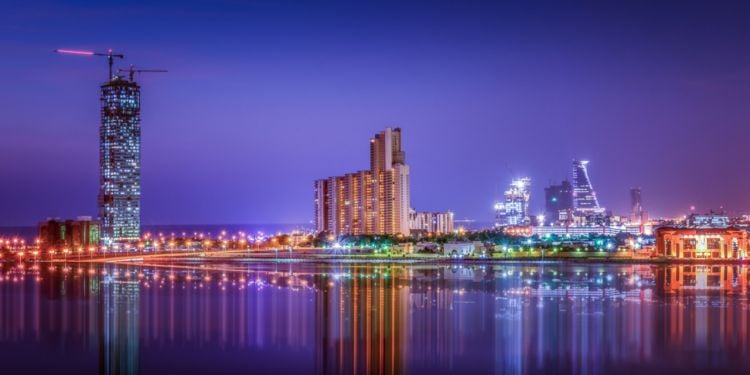
Working in Jeddah
Jeddah is the most diverse city in Saudi Arabia. It is home to 3,75 million people and to the largest multicultural expatriate community in the ...
Higher Education in Jeddah: Universities and International Programs
Jeddah hosts several prestigious universities offering diverse academic programs for international students. The city's higher education sector has grown significantly, with institutions achieving international recognition and accreditation. Students benefit from modern facilities, research opportunities, and programs taught in English across various disciplines.
King Abdulaziz University (KAU)
King Abdulaziz University, established in 1967, is Saudi Arabia's largest university with over 117,000 students and ranks #163 globally according to QS World University Rankings 2026. Located in south Jeddah, KAU comprises 24 faculties offering unique programs unavailable elsewhere in Saudi Arabia, including Marine Sciences, Meteorology, Nuclear Engineering, and Aeronautical Engineering. International students represent approximately 28% of the student body, with over 60 nationalities represented. The university holds 76 international accreditations from American and European associations, including ABET accreditation for engineering programs.
Other Universities and Admission Process
Effat University is a leading private women's university offering programs in engineering, business, and humanities. Dar Al-Hekma University provides internationally accredited programs in design, law, and business. For admission, international students typically need attested academic credentials, proof of English proficiency (IELTS or TOEFL), a valid passport, and completed application forms. Most universities have competitive admission with acceptance rates around 20-29% for top institutions. Tuition fees at public universities for international students range from SAR 20,000 to SAR 60,000 annually depending on the program.
Sources: King Abdulaziz University Official Website, QS World University Rankings
Schools for Children: International and Private Education Options
Jeddah offers a wide selection of international schools catering to the diverse expatriate community. The city has over 2,000 public and private schools, with many private institutions following British, American, or International Baccalaureate (IB) curricula. International schools typically conduct classes in English and provide familiar educational frameworks for expatriate families relocating from abroad.
Top International Schools
The British International School of Jeddah (BISJ), established in 1977, offers the British curriculum from Early Years through the IB Diploma Programme. Priority is given to British passport holders, though applications from all nationalities are welcome. The American International School of Jeddah (AISJ) serves over 1,000 students representing 40+ nationalities from pre-kindergarten through Grade 12, following an American curriculum. Jeddah International School delivers American and French Baccalaureate curricula preparing students for universities worldwide. Other notable options include the Deutsche Schule Jeddah (German curriculum with IB) and various Indian schools following CBSE curricula.
Fees and Enrollment
International school fees in Jeddah vary significantly based on the institution and grade level. Annual tuition at premium schools like BISJ ranges from SAR 54,510 to SAR 99,912 (approximately USD 14,500-26,600). Mid-range international schools charge between SAR 20,000 and SAR 40,000 annually. Many employers include education allowances in expatriate packages, helping offset these costs. Enrollment typically requires birth certificates, previous school records, passport copies, and residency documentation. Popular schools maintain waiting lists, so applying well in advance is recommended.
British International School Jeddah | SAR 54,510–99,912/year |
Average International Primary School | SAR 24,163/year |
Private Kindergarten (Monthly) | SAR 800–3,000/month |
Sources: British International School of Jeddah, Numbeo 2025
Housing and Neighborhoods: Where to Live in Jeddah
Finding accommodation in Jeddah offers diverse options from modern apartments to spacious villas within gated compounds. Most expatriates prefer living in Western-style compounds, which are self-contained communities offering amenities like swimming pools, gyms, supermarkets, and recreational facilities. These compounds provide a comfortable living environment where residents can enjoy more freedom. Housing allowances are standard in Saudi employment contracts, with many employers providing accommodation or a percentage of salary for housing.
Popular Expat Neighborhoods
Al-Hamra is one of Jeddah's most prestigious areas, offering luxurious waterfront properties with stunning Red Sea views. Al-Khalidiyah provides central location with proximity to international schools, hospitals, and commercial centers. Al-Rawdah and Al-Salamah are popular family-friendly districts with good amenities and expat communities. North Obhur attracts those seeking coastal lifestyle with beach access and resorts. Top compounds include Sharbatly Village (approximately 1,000 villas near the airport), Al Basateen Village, and Arabian Homes, each offering different property types and amenities.
Rental Prices and Procedures
Rent in Saudi Arabia is typically quoted annually and paid in installments (commonly quarterly or bi-annually). Monthly payment options exist but are less common. All leases must be registered on the Ejar platform, which uses standardized contracts. Expect to pay a deposit of around 10% of annual rent. Northern neighborhoods command higher prices than southern areas. Agent fees typically run around SAR 2,500.
1-Bedroom Apartment (City Centre) | SAR 2,208/month (USD 590) |
1-Bedroom Apartment (Outside Centre) | SAR 1,702/month (USD 455) |
3-Bedroom Apartment (City Centre) | SAR 3,830/month (USD 1,020) |
3-Bedroom Apartment (Outside Centre) | SAR 2,410/month (USD 645) |
Sources: Numbeo December 2025
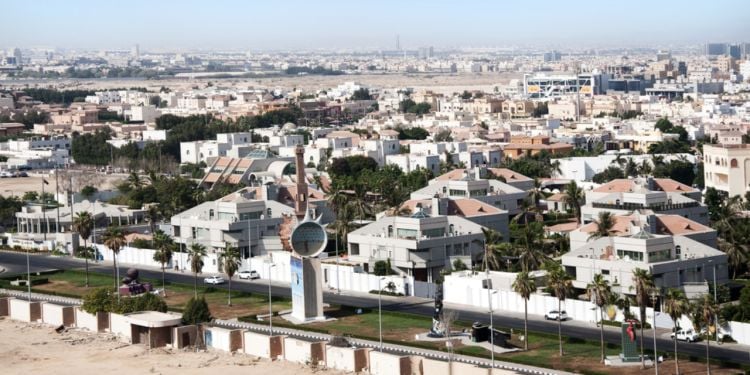
Accommodation in Jeddah
Jeddah is often dubbed the 'New York' of Saudi Arabia. It is heavily populated, hosting the most diverse expat community in the region. With ...
Leisure, Culture and Things to Do in Jeddah
Jeddah offers a rich tapestry of cultural attractions, outdoor activities, and entertainment options reflecting both its ancient heritage and modern ambitions. The city's position on the Red Sea provides exceptional opportunities for water sports and beach relaxation, while its historic center offers a glimpse into centuries of trading history. Saudi Arabia's ongoing cultural transformation means new museums, entertainment venues, and events are continuously emerging.
Cultural Attractions and Museums
Al-Balad, Jeddah's historic district, is a UNESCO World Heritage Site featuring coral-stone buildings with distinctive wooden balconies (rawashin) dating to the 7th century. The Nassif House Museum, a 106-room mansion built in 1880, showcases how wealthy Jeddah families lived in past centuries. Al Tayebat International City Museum spans four floors with over 60,000 Islamic artifacts from around the world, housed in stunning traditional architecture. The brand-new Red Sea Museum, opening December 2025 in the restored Bab Al-Bunt building, will display over 1,000 historical pieces across 23 galleries celebrating the region's maritime heritage.
Outdoor Activities and Entertainment
The Jeddah Corniche stretches 30 km along the Red Sea coast, perfect for walking, cycling, or simply enjoying the sea breeze. The iconic King Fahd Fountain, visible from the Corniche, shoots water up to 312 meters high. Diving and snorkeling in the Red Sea reveal spectacular coral reefs and marine life, with operators like Desert Sea Divers offering excursions. Al-Rahma Mosque (the Floating Mosque) appears to hover above the sea, particularly stunning at sunset. Modern entertainment includes the Red Sea Mall with over 250 stores, Atallah Happy Land Park for families, and multiplexes showing international releases. The annual Jeddah Season festival brings concerts, food festivals, and cultural events to the city.
Sources: UNESCO World Heritage Centre, Saudi Gazette
Daily Life in Jeddah: Transportation and Local Customs
Daily life in Jeddah revolves around the city's unique rhythm shaped by prayer times, the hot climate, and a blend of traditional values with modern conveniences. The weekend falls on Friday and Saturday, with most businesses closed during Friday prayers. Shopping malls, restaurants, and entertainment venues are popular gathering spots, particularly during cooler evening hours. The city's cosmopolitan character means you'll encounter residents from across the globe, and English is widely spoken in business and expat communities.
Getting Around Jeddah
Most residents rely on private vehicles due to Jeddah's large urban sprawl. Gasoline is remarkably affordable at approximately SAR 2.30 per liter (around USD 0.61). Ride-hailing apps like Uber and Careem operate extensively, with rides starting at SAR 15-20. The Jeddah Transport Company launched an expanded public bus network in 2025 with 91 modern buses across 14 routes covering major areas including King Abdulaziz International Airport, universities, and commercial centers. A single bus ticket costs SAR 3.45, while monthly passes are around SAR 203. The ambitious Jeddah Metro project is under development, expected to increase public transport usage to 30% upon completion.
Cultural Considerations
While Saudi Arabia has undergone significant social reforms, respect for local customs remains important. Dress modestly in public spaces, particularly women covering shoulders and knees. During Ramadan, eating and drinking in public during daylight hours is prohibited. Prayer times punctuate the day, with shops closing briefly. Alcohol is prohibited throughout the Kingdom. The weather is hot year-round, with summer temperatures reaching 40°C (104°F), making air conditioning essential. Most activities and outdoor socializing occur after sunset when temperatures become more pleasant.
Sources: Jeddah Transport Company, Saudi Gazette
Cost of Living in Jeddah: Budget Planning for Expats
Jeddah offers a moderate cost of living compared to major global cities, enhanced by tax-free salaries that allow residents to retain more of their earnings. Housing typically represents the largest expense, though employer-provided accommodation or allowances often offset this cost. Groceries are affordable, particularly local and regional products, while imported goods carry premium prices. Utilities remain reasonably priced thanks to government subsidies, though summer air conditioning can increase electricity bills.
Monthly Budget: Single Person
A single professional in Jeddah can expect comfortable living with the following monthly expenses:
Category | Monthly Cost (SAR) | Monthly Cost (USD) |
Rent (1-bedroom, city centre) | 2,208 | 590 |
Utilities (electricity, water, cooling) | 400 | 107 |
Groceries | 1,000 | 267 |
Transportation | 500 | 133 |
Dining/Entertainment | 600 | 160 |
Mobile/Internet | 376 | 100 |
Total (excluding rent) | 2,876 | 767 |
Monthly Budget: Family of Four
Category | Monthly Cost (SAR) | Monthly Cost (USD) |
Rent (3-bedroom, city centre) | 3,830 | 1,020 |
Utilities | 600 | 160 |
Groceries | 3,000 | 800 |
Transportation | 800 | 213 |
International School (2 children) | 4,000 | 1,067 |
Health Insurance | 750 | 200 |
Entertainment/Dining | 1,200 | 320 |
Total (excluding rent) | 10,350 | 2,760 |
Sources: Numbeo December 2025
In Short
Jeddah combines the best of Saudi Arabia's ambitious future with its rich historical past. As the Kingdom's commercial gateway on the Red Sea, the city offers expatriates excellent career opportunities in a growing economy, tax-free salaries, quality international schools, and a relatively relaxed lifestyle compared to other Saudi cities. The thriving expat community, stunning coastal location, and ongoing cultural transformation under Vision 2030 make Jeddah an increasingly attractive destination for professionals and families alike. Whether you're drawn by business opportunities, the Red Sea lifestyle, or the chance to experience a nation in dynamic transition, Jeddah welcomes you with open arms. Connect with fellow expatriates, share experiences, and get practical advice by joining the Jeddah forum on Expat.com.
We do our best to provide accurate and up to date information. However, if you have noticed any inaccuracies in this content, please contact us.


Essential services for your expat journey



