

Living in South Africa: the ultimate expat guide
Everything you need to know for a successful life in South Africa.
South Africa attracts thousands of expatriates every year, drawn by its cultural diversity, varied landscapes, and dynamic economy. Referred to as the "rainbow nation", it provides an incredible quality of life that blends modern metropolises, wild nature, and rich heritage. The country stands out for its sunny climate, a generally more affordable cost of living compared to many major cities, and career opportunities in several key sectors.
South Africa has a population of over 64 million people, with the expatriate community estimated at nearly 2 million, making up just over 3% of the total population. The French community numbers around 10,000 to 12,000 residents, mainly concentrated in the major cities.
5 great reasons to choose South Africa
- An attractive quality of life: often interesting purchasing power and a level of comfort that many expatriates appreciate.
- Spectacular landscapes: oceans, mountains, savannahs, beaches, and vineyards all accessible within a few hours.
- A multicultural hub: 12 official languages and a unique cultural diversity found nowhere else in the world.
- Diverse professional opportunities: emerging economy, developing sectors, and a dynamic entrepreneurial environment.
- A sunny climate: over 300 days of sunshine a year, depending on the region.
The Expat.com guide is designed to help you prepare for your move to South Africa under the best conditions. You will find all the essential information you need: visas, employment, housing, healthcare, transportation, and daily life.
Official languages: 12 languages, including English, Afrikaans, Zulu, and Xhosa | Local currency: South African Rand (ZAR) | Time difference with France: +1 hour in winter, same time in summer | Flight duration from Paris to Johannesburg: about 11 hours |
Formalities and visas in South Africa
To settle in South Africa, certain administrative procedures are mandatory depending on your nationality and the duration of your stay. French nationals can enter the country visa-free for a tourist or business visit of up to 90 days. However, any plans for expatriation require obtaining a residency permit suited to your situation.
The main permits include, for example, work visas, the Critical Skills permit (for certain in-demand skills), the business visa for setting up a business, the study visa, or even a permanent residency permit. Applications should be submitted to the Department of Home Affairs in South Africa or to the relevant South African consulate in your home country, depending on your situation. Processing times can vary from several weeks to several months based on the type of permit being applied for.
Once you have your permit in place, additional local requirements may apply, such as obtaining a tax identification number.
💡 Useful tips
- Start your application process at least three to six months before your planned departure to account for processing times.
- Prepare your official documents in English or accompanied by a certified translation (degree certificates, civil status documents, police clearance).
- Regularly check entry and stay conditions on the website of the Department of Home Affairs, as regulations frequently change.
- Always keep digital and hard copies of your important documents.
- Contact the French Embassy in Pretoria or the French Consulate for personalized advice.
📍 To learn more
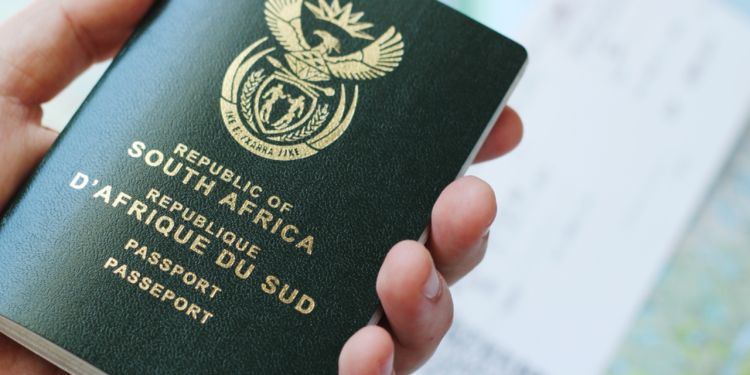
Visas for South Africa
In order to enter South Africa, it is essential to have a visa or a permit. Different options are ...
Work visas and permits for South Africa
Any foreigner wishing to work in South Africa must have a work permit. It is not possible to switch ...

Traveling to South Africa
With its location at the end of Africa, its contrasting landscapes and wilderness, and its multiracial and multicultural population, South Africa is ...
Working in South Africa
South Africa boasts the most developed and diverse economy on the African continent. However, the job market remains highly competitive. Active hiring is seen in sectors such as information technology, engineering, finance, tourism, renewable energy, and business services. English is predominantly used in the professional sphere, making it easier for English-speaking expatriates to integrate.
Starting a business in South Africa is relatively accessible, with simplified processes in place through the Companies and Intellectual Property Commission. The country promotes entrepreneurship and offers exciting opportunities, especially in innovative sectors. Digital nomads also find their place in major cities, which provide numerous coworking spaces and high-quality digital infrastructure.
In-demand profiles:
- Specialized engineers (electricity, mechanical, civil, mining)
- Computer developers, data scientists, and cybersecurity experts
- Finance and accounting professionals
- Qualified medical personnel (doctors, specialized nurses)
- Renewable energy and environmental specialists
💡 Things to remember
- A work permit is mandatory before starting any professional activity in the country.
- Salaries vary significantly depending on the sector and experience, but remain attractive for qualified profiles.
- Internships are available with a specific permit issued by the Department of Home Affairs.
- Professional English is essential in most international companies.
Unemployment rate: 31.9% by 2025 | Legal working hours: 45 hours per week | Minimum wage: 28.79 ZAR per hour (≈ 1.50 €) | Income tax: progressive from 18% to 45% | Corporate tax: 27%, VAT at 15% |
🔍 Further resources

Working in South Africa
Anyone who is not a citizen or permanent resident of South Africa and wishes to work in South ...

Setting up a business in South Africa
South Africa occupies a central economic position on the African continent and setting up a ...

Internships in South Africa
The end-of-study internship represents an important step in a student's curriculum, so why not ...
Studying in South Africa
South Africa attracts a multitude of international students thanks to its widely recognized quality of higher education and relatively affordable tuition fees. The country boasts 26 public universities and several renowned private institutions. Among the most prestigious are the University of Cape Town, the University of the Witwatersrand in Johannesburg, the University of Pretoria, and Stellenbosch University, which are regularly ranked among the top universities in Africa and recognized internationally.
Why study in South Africa?
South African universities offer a wide range of programs taught in English across all fields, providing excellent value for money. Tuition fees for public universities for international students typically range from 90,000 to 200,000 ZAR per year (approximately 4,500 to 10,000 EUR depending on the exchange rate), depending on the discipline and institution, which often remains competitive compared to some European or North American universities. The country also provides a unique multicultural experience and the opportunity to explore the African continent while enjoying modern infrastructure. Student life here is vibrant, with numerous sports, cultural, and community activities.
💡 Our tips
- Plan for your application as spots are limited and the admissions process can take several months
- Check the equivalence of your qualifications with the South African Qualifications Authority before applying
- Budget for significant housing expenses, as university accommodations are often overbooked, making shared housing the most common option
- Apply for your study permit as soon as you receive your university acceptance letter to avoid delays
📍 Further resources

Study in South Africa
South African higher education is considered the best in Africa. For the past twenty years, South Africa has been experiencing an influx of ...
Retiring in South Africa
South Africa may not be the top choice for French retirees, who often prefer destinations that are closer to home or share a French-speaking population. However, this country boasts strong advantages for those considering spending their retirement here. The majority of foreign retirees settled in South Africa are former expats who worked there for several years and chose to make it their permanent home. Spending your retirement in the "rainbow nation" offers an appealing lifestyle with a cost of living significantly lower than that of many major Western cities, often 40 to 60% less than in France, depending on your spending habits.
3 major advantages
- Mild and sunny climate year-round, perfect for outdoor activities, with a remarkable geographical diversity featuring oceans, mountains, vineyards, and national parks.
- Overall cost of living is more affordable than in Europe, allowing you to maintain a good standard of living on a French pension. Cities like Johannesburg, Cape Town, and Durban remain some of the most accessible metropolitan areas for expats.
- High-quality private healthcare is recognized internationally, with rates often lower than those in many developed countries.
🔔 Things to know
- A specific retirement visa is available in South Africa, requiring proof of a minimum monthly income of approximately 37,000 ZAR (around €1,870) per person, derived from a pension or passive income. This visa is not intended for local employment; any paid work requires a specific permit from the Department of Home Affairs.
- France and South Africa have signed a bilateral tax treaty aimed at avoiding double taxation on income, including pensions. Depending on your tax residency and the nature of your pension (public or private), tax may primarily be levied either in France or South Africa, with credit mechanisms in place to prevent double taxation.
- For a comfortable standard of living in Johannesburg, it is advisable to budget around 25,000 ZAR (approximately €1,260) per month to cover housing, food, leisure, and transport for a single person.
Finance and banks in South Africa
Managing your budget effectively is crucial for a successful expatriation experience in South Africa. The country boasts a modern and stable banking system, overseen by the South African Reserve Bank. Major banks such as ABSA, Standard Bank, Nedbank, and First National Bank (FNB) offer efficient online services and widely accepted payment cards. Opening a local bank account is quickly becoming essential for expats.
💡 Our tips
- Open a local bank account as soon as you settle in to simplify your daily payments. The usual documents required include: passport, proof of residence (recent local address), employment contract if applicable, and a copy of your residence permit.
- France and South Africa have signed a tax treaty to avoid double taxation. Depending on your tax residency and the type of income (public, private, pension...), taxation might occur in France, South Africa, or be offset through a tax credit.
- Carefully compare the banking offers, as fees can vary significantly from one bank to another. In South Africa, most common banking operations have individual charges, and accounts are not entirely free.
- Be aware of payment and withdrawal limits, which may be set to relatively low levels by default (daily limit). However, you can adjust these limits in your local bank’s app to avoid blocks during larger purchases.
- International transfers work well through the major banks, but fees and exchange rates can be high. Consider comparing them with alternative solutions (like Wise, Revolut...) to lower transfer costs.
📍 For further information


Health care in South Africa
The South African health system features a well-established public sector and a high-quality private sector.
- The public sector is accessible to all residents; however, the cost of services varies based on income, with waiting times often being long, especially for appointments with specialists or non-urgent procedures. For expatriates, access to public healthcare does not guarantee free services or automatic coverage, and admission conditions may differ based on residency status.
- The private sector is favored by expats due to the quality of facilities, quick access to care, and high specialization levels among practitioners. However, costs are significantly higher: a visit to a general practitioner typically ranges from 1,000 to 2,000 ZAR (approximately 50 to 100 €), while a consultation with a specialist usually costs between 2,000 and 4,000 ZAR (around 100 to 200 €). A standard delivery in a private clinic can set you back around 25,000 to 40,000 ZAR (about 1,250 to 2,000 €) and may reach 50,000 to 80,000 ZAR (approximately 2,500 to 4,000 €) in cases of caesarean sections or complications. Most private facilities require payment up front, which is why having a health insurance plan that covers private services is essential.
💡 Here’s what to know
- No vaccinations are mandatory for entry into South Africa, but it is recommended to be up to date on routine vaccines and to take precautions against hepatitis A and typhoid fever for extended stays.
- The emergency number is 10 111; private ambulances are quicker but will incur charges.
- French consulates provide lists of French-speaking doctors.
- In the private sector, most services require a payment in advance; therefore, having suitable health insurance is vital.
📍 Further reading

Healthcare in South Africa
When relocating to South Africa, healthcare will be one of your main concerns. Since its advent to ...

Accidents and emergencies in South Africa
Despite the good condition of the main and secondary roads, the number of road accidents is very ...

Pregnancy and childbirth in South Africa
Bringing a child into the world is, without a doubt, one of the most important and exciting ...
Education and schools in South Africa
In South Africa, education is mandatory for children aged 7 to 15. The school year starts in January and ends in November, structured into four terms. The education system emphasizes the holistic development of the child, placing significant value on sports, arts, and cultural activities.
Types of schools:
- Public Schools: These are accessible to all residents. In popular urban areas, annual fees generally range from 25,000 to 36,000 ZAR (approximately 1,250 to 1,800 €), mainly for schools that are classified as fee-paying. Instruction is usually conducted in English or Afrikaans. The quality can vary significantly between institutions, and expatriates tend to have limited choices in major cities.
- Local Private Schools: These offer better support and quality infrastructure. Annual fees typically average between 70,000 and 180,000 ZAR (around 3,500 to 9,000 €), depending on the school and educational level. Well-known schools include Bishops, SACS, and Rondebosch for boys, Herschel and St Cyprian’s for girls, as well as Camps Bay School and Reddam (mixed).
- French Schools: There are two recognized institutions by the AEFE in South Africa: the Lycée Français Jules-Verne, located in Johannesburg with a branch in Pretoria, and the Lycée Français du Cap, based in Cape Town. Tuition fees average between 100,000 and 135,000 ZAR per year (approximately 5,000 to 6,700 €), depending on the educational level.
- International Schools: Highly sought after by expatriates, these offer British, American, or IB curricula. Notable institutions include Deutsche Internationale Schule Kapstadt, International School of Cape Town, and American International School of Johannesburg. Fees can vary widely depending on the schools and programs.
💡 Practical tips
- Registration should be done early: limited spots are available in private, international, and French schools.
- Some private schools require pre-registration from early childhood.
- Several institutions require an admission test or a minimum level of English.
- Also, budget for uniforms, school transport, and extracurricular activities.
📍 Learn more
Accommodation in South Africa
Finding accommodation in South Africa can be straightforward if you focus on the popular and safe neighborhoods favored by expatriates. In Johannesburg, a one-bedroom apartment in a high-end area like Sandton or Morningside typically costs around 8,000 to 14,000 ZAR/month (approximately £400 to £700). If you're looking for a three-bedroom apartment or a house in a secure estate, rents generally range between 25,000 and 45,000 ZAR/month (about £1,250 to £2,250). High-end villas in gated estates can exceed 60,000 ZAR/month (around £3,000). Renting is the preferred option upon arrival, with leases typically lasting for one year and requiring a two-month deposit. Keep in mind that utilities (water, electricity, security) are not always included.
Buying property is open to foreigners, with prices on average lower than those in most major French cities for comparable properties. Homes are often located in secure complexes, offering spacious and well-equipped living spaces, which can be appealing to expats looking to settle long-term. The most sought-after neighborhoods for expatriates include Sandton and Morningside in Johannesburg, and Sea Point and Camps Bay in Cape Town.
📍 To learn more

Accommodation in South Africa
South Africa is a huge country, unusual in the diversity of its landscapes, all of which are of remarkable beauty. If the choice of where to live is ...
Moving to South Africa
An international move to South Africa requires careful planning and a well-organized approach. From the transportation of your belongings, navigating customs regulations, to cultural adjustments, various factors must be prepared ahead of time to ensure a smooth transition.
- Compare quotes from international moving companies and secure comprehensive insurance to protect your belongings during transport.
- Prepare for customs procedures by compiling a detailed inventory of your personal effects: used goods are generally allowed tax-free, while new items, alcohol, and tobacco may be subject to import duties.
- Gather your essential documents (diplomas, civil status certificates, marriage certificate, driving licence, employment contract) and have them translated into English by a certified translator if needed. Some documents may require an apostille.
- Check the compatibility of your electronic devices: South Africa uses a voltage of 220–230 V / 50 Hz with type M plugs (three round pins). A universal adapter will be essential.
- If you are traveling with a pet, the importation rules are strict (vaccinations, microchip, import permit...). Dogs must also undergo specific blood tests within 30 days before traveling. Cats are generally not subject to quarantine if all paperwork is in order, while dogs may be quarantined for 14 days, depending on their country of origin.
📍 Further reading


Leisure in South Africa
South Africa boasts a remarkable diversity of leisure activities suitable for everyone. Expats enjoy the balance between urban life and direct access to nature. The sports facilities are modern, and private clubs play a crucial role in the social life of many expatriate communities. Rugby, soccer, cricket, and golf are at the heart of the local sports culture. Outdoor activities are easily accessible and often affordable: hiking, surfing, kitesurfing, diving, horseback riding, or wildlife watching are part of daily life.
Must-see attractions
- Safaris in the national parks, particularly in Kruger, offer a unique immersion experience to observe wildlife in their natural habitat.
- The wineries in Stellenbosch, Franschhoek, and Paarl provide an opportunity to explore South Africa's exceptional wines through tastings.
- Iconic hikes, such as those in the Drakensberg or the Cape Peninsula Trail, unveil stunning scenery between mountains and ocean.
📍 To learn more

Leisure in South Africa
When moving to South Africa, whether to work, study or for other reasons, the “Rainbow Nation” offers a range of leisure activities which ...
Everyday life in South Africa
Living in South Africa means embracing a lifestyle characterized by a love for the outdoors, a sense of community, and a vibrant social culture. Expats enjoy the sunny climate, the high quality of infrastructure, and the balance between professional hustle and leisure time. The country boasts a cosmopolitan and warm atmosphere, with locals often inviting newcomers to share a braai or a bottle of local wine.
Points to note
- Safety is a concern in certain urban areas. This is why many expats prefer to live in gated communities or compounds.
- Driving is essential here: public transport is limited, but the road network is well-maintained. The price of fuel is around 23 ZAR per liter (approximately 1.25 Euros).
- Mobile networks and the internet are reliable in the major cities. Expect to pay between 290 and 1,000 ZAR (around 15 to 54 Euros) per month for a mobile package with 10 GB of data and between 300 and 1,500 ZAR per month (about 16 to 80 Euros) for a home internet subscription.
- English is the primary language used for daily communication, which significantly eases the integration process.
- The braai (South African barbecue) is a cultural tradition, often enjoyed on Sundays.
- WhatsApp is the most popular app for personal and professional communication.
📍 Further reading
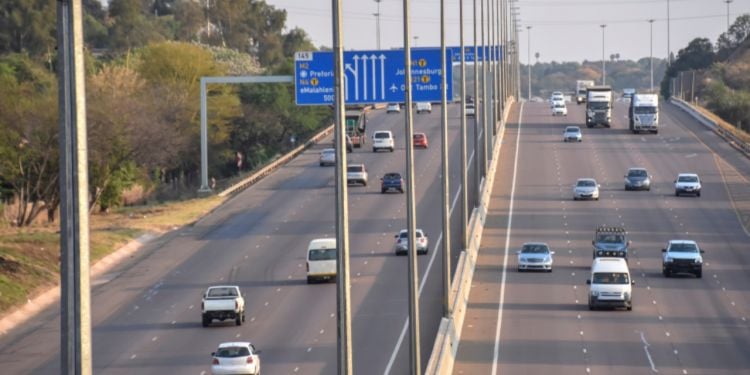
Transport in South Africa
South Africa is a huge country, but it is undoubtedly the country in Africa with the most modern infrastructure for getting around.

Phones and Internet in South Africa
On your arrival in South Africa, you will probably want to communicate with your friends and family abroad. Thanks to the country's developed and ...

The South African lifestyle
Diversity is one of the words that could best describe South Africa: diversity of landscapes, languages and people. Here's what you need to know ...
Cost of living in South Africa
South Africa offers a cost of living that is generally lower than that of many Western countries. However, expenses can vary significantly depending on the city, neighborhood, and your chosen level of security. For a single person, monthly expenses typically range from 16,500 to 30,000 ZAR (approximately 850 to 1,500 €), while for a family of four, the range is between 60,000 and 110,000 ZAR (approximately 3,000 to 5,500 €).
Here are some estimated monthly benchmarks to give you a clearer idea of the cost of living in South Africa:
For a single person | For a family of 4 | |
Food | 2,500 to 4,000 ZAR per month (approximately 130 to 210 €) | 8,000 to 12,000 ZAR per month (approximately 420 to 630 €) |
Utilities (water, electricity, internet, phone...) | 800 to 1,200 ZAR per month (approximately 42 to 63 €) | 1,500 to 2,500 ZAR per month (approximately 80 to 130 €) |
Healthcare (excluding insurance) | 1,000 to 2,000 ZAR per month (approximately 53 to 105 €) | 4,000 to 6,000 ZAR per month (approximately 210 to 315 €) |
Leisure & Entertainment | 1,500 to 3,000 ZAR per month (approximately 80 to 160 €) | 4,000 to 8,000 ZAR per month (approximately 210 to 420 €) |
Education (for children) | / | 6,700 to 12,500 ZAR per month per child (approximately 350 to 660 €) |
Rent | 8,000 to 14,000 ZAR per month (approximately 400 to 700 €) for a one-bedroom apartment in a sought-after area of Johannesburg | 25,000 to 45,000 ZAR per month (approximately 1,250 to 2,250 €) for a three-bedroom apartment or house in a sought-after area of Johannesburg |
Transportation | 1,500 to 3,000 ZAR per month (approximately 80 to 160 €) | 3,000 to 5,000 ZAR per month (approximately 160 to 260 €) |
Subscriptions (gym, clubs, streaming platforms...) | 500 to 1,000 ZAR per month (approximately 26 to 53 €) | 1,000 to 2,000 ZAR per month (approximately 53 to 105 €) |
Imported Goods (organic produce, cheeses, wines...) | 800 to 1,500 ZAR per month (approximately 42 to 80 €) | 2,000 to 4,000 ZAR per month (approximately 105 to 210 €) |
Security Expenses | 500 to 1,000 ZAR per month (approximately 26 to 53 €) | 1,000 to 2,500 ZAR per month (approximately 53 to 130 €) |
Domestic Help (common in South Africa, especially for families) | 800 to 1,600 ZAR per month (approximately 42 to 84 €) | 2,000 to 4,500 ZAR per month, depending on frequency (approximately 105 to 235 €) |
Income Tax | progressive, from 18% to 45% depending on brackets | progressive, from 18% to 45% depending on brackets |
Key takeaways
Prepare for your administrative tasks: an appropriate visa, opening a local bank account, and private health insurance that covers treatments in private facilities.
Take the time to read our articles, especially those about employment, housing, and healthcare in South Africa.
Feel free to ask your questions on the South Africa forum, where the expat community shares valuable tips and experiences!
To integrate well, be curious, open to local customs, and attentive to South African practices, which are characterized by warmth, cultural diversity, and an outdoor-oriented lifestyle.
Relocating to South Africa means discovering a country full of contrasts, with spectacular landscapes and rich cultural influences. For your relocation project to be successful, proper preparation is essential. We hope this Expat.com guide has provided you with the essential tools to plan your move and fully enjoy your new life in South Africa.
We do our best to provide accurate and up to date information. However, if you have noticed any inaccuracies in this content, please contact us.


News & testimonies

South Africa extends long-stay visa exemptions
South Africa's Department of Home Affairs continues to experience delays in processing visa applications. In response, it has issued a new exemption, valid until 30 September 2025, as outlined in Immigration Directive No. 5 released earlier this year.
Cape Town, South Africa, through the eyes of an expat
After having spent many years living in London, Cambodia, and Singapore, Mei now calls Cape Town home. Coming from a mixed background herself, Mei has always had a deep interest in exploring other cultures, and loves to discover new places. She tells Expat.com about her life in the Mother City, her observations of South Africa, and the abundance of leisure activities at her doorstep.

5 good reasons to move to Cape Town
You have opened Google maps, and you are scrolling the globe, up and down, left and right, looking for an answer to “what's next?” If you are ready to expatriate and you are keen on taking up a new challenge, we are giving you five excellent reasons to consider Cape Town — South Africa's Mother City.

Proposed tax amendment heralds change for South African expats
Questions and some concern have arisen following the South African government's proposed amendment to its taxation of residents who are working overseas. The proposed amendment suggests removing the exemption for those earning an income abroad and working in a foreign country for more than 183 days a year, in order to prevent expats potentially paying very limited or no tax.
Essential services for your expat journey