

Living in Brisbane: the ultimate expat guide
Everything you need to know for a successful life in Brisbane.
Brisbane is the capital of Queensland and Australia's third-largest city, home to over 2.5 million residents. Situated along the winding Brisbane River, the city offers a subtropical climate with more than 280 sunny days per year. Brisbane combines urban sophistication with laid-back Australian culture, making it increasingly popular among professionals and families relocating from abroad. The city is preparing to host the 2032 Summer Olympics, which is driving significant infrastructure investment and economic growth.
5 Good Reasons to Move to Brisbane
- Affordable living compared to Sydney and Melbourne, with housing costs approximately 20-30% lower.
- Subtropical climate with warm winters and plenty of sunshine year-round.
- Growing job market with strong demand in healthcare, technology, and professional services.
- Proximity to natural attractions including the Gold Coast, Sunshine Coast, and Great Barrier Reef.
- Family-friendly environment with excellent schools, safe suburbs, and abundant parks.
Working in Brisbane: Career Opportunities and Employment
Brisbane's economy is diverse and growing, with the city's Gross Regional Product projected to reach AUD 275 billion by 2041. The job market remains robust, with the unemployment rate at 3.7% as of June 2025, below the national average. Skilled workers will find opportunities across multiple sectors, particularly as the city prepares for the 2032 Olympics.
Key Industries and Sectors
The largest employment sectors in Brisbane include Healthcare and Social Assistance (152,079 workers), Professional, Scientific and Technical Services (124,365 workers), and Education and Training (88,357 workers). Brisbane also serves as a headquarters hub for mining and resources companies operating across Queensland. The technology sector is expanding rapidly, with strong demand for roles in cybersecurity, AI, and cloud solutions.
Work Permits and Visas
To work in Brisbane, most foreign nationals require a valid work visa. The Skills in Demand visa (subclass 482) is the primary pathway for skilled workers, requiring employer sponsorship and at least one year of relevant work experience. The minimum salary threshold for the Core Skills stream is AUD 76,515 for 2025-2026. This visa can lead to permanent residency through the Employer Nomination Scheme (subclass 186).
Unemployment rate (Brisbane) | 3.7% (Q2 2025) |
Average annual salary | AUD 80,000 |
Top sectors | Healthcare, Professional Services, Education |
Sources: economy.id.com.au, Australian Bureau of Statistics
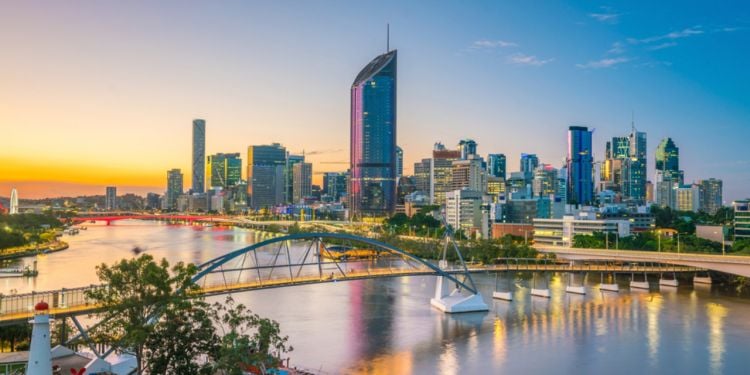
Working in Brisbane
The city of Brisbane, located in the north-eastern state of Queensland, is a thriving city of approximately 2.28 million people, with a robust local ...
Higher Education and Universities in Brisbane
Brisbane is a leading education hub, ranked 25th globally for best student cities by QS Rankings 2025. The city hosts several world-class universities attracting over 50,000 international students annually. With modern facilities, diverse programs, and strong industry connections, Brisbane offers excellent pathways for higher education.
Top Universities
The University of Queensland (UQ) is Brisbane's flagship institution, ranked 40th globally (QS 2025) and a member of the prestigious Group of Eight. UQ offers programs across medicine, engineering, business, and sciences at its St Lucia campus. Queensland University of Technology (QUT) is known for its industry-focused approach and strong programs in technology, business, and creative industries. Griffith University emphasizes sustainability and innovation, with campuses across Brisbane and the Gold Coast.
Tuition Fees and Admission
International undergraduate tuition ranges from AUD 20,000 to AUD 45,000 per year depending on the program. Postgraduate programs typically cost between AUD 25,000 and AUD 50,000 annually. Admission requires academic transcripts, English proficiency (IELTS 6.5+ for most programs), and a student visa (subclass 500). Most universities offer scholarships for high-achieving international students.
Sources: University of Queensland, QUT, Griffith University
Retiring in Brisbane: A Warm Welcome
Brisbane is increasingly popular among retirees seeking a comfortable lifestyle in a warm climate. The city offers excellent healthcare facilities, accessible public services, and a relaxed pace of life while remaining connected to urban amenities.
Retirement Visas and Requirements
Australia does not have a dedicated retirement visa. However, options include the Investor Retirement visa (subclass 405) for those with significant assets, or family-sponsored visas if you have relatives in Australia. Private health insurance is mandatory for visa holders. Many retirees come on Visitor visas (subclass 600) for extended stays of up to 12 months.
Healthcare and Lifestyle
Brisbane has excellent public and private hospitals, including the Royal Brisbane and Women's Hospital and multiple private facilities. The public Medicare system is available to permanent residents and citizens. The bayside suburbs like Manly and Sandgate are popular with retirees for their coastal lifestyle and community feel. The average retirement age in Australia is 57.3 years.
Sources: Department of Home Affairs, Queensland Health
Schools and Education for Children in Brisbane
Brisbane offers diverse schooling options for expatriate families, from public schools to prestigious private institutions. Education is compulsory from ages 6 to 16, with the Queensland system providing 12 years of formal schooling. The city is home to numerous international and bilingual schools catering to the expatriate community.
Public and Private Schools
Queensland public schools are free for permanent residents and citizens, with high-quality options like Brisbane State High School. International students in public schools pay fees through Education Queensland International (EQI), typically AUD 12,000-15,000 per year. Private schools such as Brisbane Grammar School, Somerville House, and Anglican Church Grammar School (Churchie) offer comprehensive curricula with fees ranging from AUD 20,000 to AUD 35,000 annually.
International Schools
International schools in Brisbane follow globally recognized curricula including the International Baccalaureate (IB) and Cambridge programs. Tuition typically ranges from AUD 10,000 to AUD 25,000 per year. Enrollment usually requires previous academic records, English proficiency assessment, and interview. Private childcare and preschool costs average AUD 2,400 per month.
Housing and Neighbourhoods in Brisbane
Brisbane's property market offers more affordable options compared to Sydney and Melbourne. The city features a mix of traditional Queenslander homes (elevated timber houses), modern apartments, and suburban family houses. Most expatriates rent initially while exploring neighbourhoods.
Popular Suburbs for Expatriates
New Farm is an inner-city favourite with riverside walks, cafés, and arts venues at the Brisbane Powerhouse. Paddington offers tree-lined streets and heritage homes close to the CBD. Kenmore and The Gap are family-friendly western suburbs with excellent schools and green spaces. Holland Park provides older homes with spacious gardens at more affordable prices. The bayside suburbs like Victoria Point and Manly appeal to those seeking coastal living.
Rental Prices
The median weekly rent is approximately AUD 600 for houses and AUD 500 for apartments. City centre apartments typically cost more, while outer suburbs offer better value. Rental applications require proof of income, identification, and references. Bond payments equal four weeks' rent.
1-bedroom apartment (city centre) | AUD 2,480/month |
1-bedroom apartment (outside centre) | AUD 1,890/month |
3-bedroom apartment (city centre) | AUD 4,120/month |
3-bedroom apartment (outside centre) | AUD 2,980/month |
Sources: Numbeo 2025, Residential Tenancies Authority Queensland
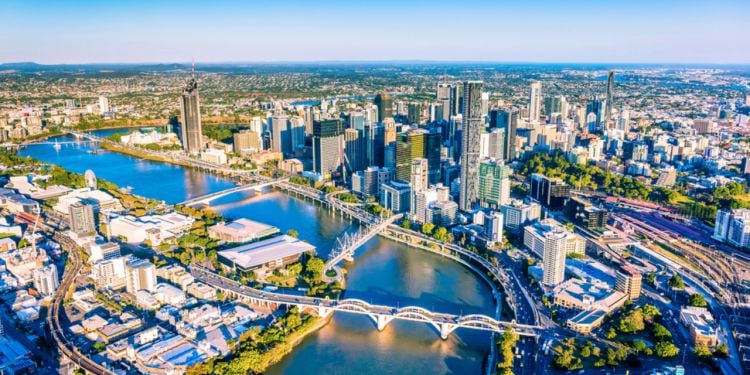
Accommodation in Brisbane
Brisbane is a popular destination for expats. Known for its friendly locals and sub-tropical climate, Brissie is a thriving city that is more ...
Leisure, Culture and Things to Do in Brisbane
Brisbane offers a rich cultural scene and abundant outdoor activities. The city has transformed from a laid-back provincial capital into a dynamic cultural destination with world-class museums, live music venues, and sporting events.
Cultural Attractions
The South Bank Cultural Precinct houses the Queensland Art Gallery, Gallery of Modern Art (GOMA), Queensland Museum, and State Library. The Brisbane Powerhouse in New Farm hosts theatre, comedy, and live performances. Fortitude Valley is the nightlife hub with clubs, bars, and live music venues. Annual events include the Brisbane Festival (September) and Riverfire, featuring spectacular fireworks displays.
Outdoor Activities
Brisbane's climate encourages year-round outdoor pursuits. South Bank Parklands offers free riverside swimming at Streets Beach. Mount Coot-tha provides hiking trails and panoramic city views. The city has over 2,000 parks and is within an hour's drive of the Gold Coast's beaches and the Sunshine Coast. Water activities include kayaking on the Brisbane River and surfing at nearby Moreton Bay.
Sports and Events
Brisbane hosts major sporting events including NRL (rugby league), AFL (Australian football), and international cricket at The Gabba. The city will host the 2032 Summer Olympics, with significant venue upgrades underway. Golf courses, tennis clubs, and fitness facilities are widely available.
Sources: Brisbane Marketing, Brisbane City Council
Daily Life in Brisbane: Transport and Lifestyle
Brisbane offers a relaxed lifestyle with excellent outdoor living opportunities. The subtropical climate encourages an active, outdoor-focused way of life. Locals embrace café culture, weekend markets, and barbecues in the city's many parks.
Public Transport
The Translink network integrates buses, trains, and ferries across South East Queensland. In June 2025, Brisbane launched the new Brisbane Metro rapid transit system with high-frequency services every 5 minutes during peak times. The go card (or contactless payment) provides access to all services. A revolutionary 50-cent flat fare trial began in 2024, making public transport extremely affordable. The train network connects Brisbane to the Gold Coast, Sunshine Coast, and airport.
Lifestyle and Culture
Brisbane residents enjoy a work-life balance that prioritizes outdoor activities and family time. Weekend routines often include visits to farmers' markets, riverside walks, or trips to nearby beaches. The city has a growing café and dining scene, particularly in areas like Fortitude Valley and West End. English is the primary language, and the local culture is welcoming to newcomers.
Sources: Translink, Brisbane City Council
Cost of Living in Brisbane
Brisbane is approximately 10-20% more affordable than Sydney and Melbourne. While costs have risen in recent years, the city remains accessible for most income levels. A single person can live comfortably on around AUD 3,000-3,500 per month excluding rent.
Monthly Budget for a Single Person
Expense | Monthly Cost (AUD) |
Rent (1-bed outside centre) | 1,890 |
Utilities (electricity, water, internet) | 300 |
Groceries | 400 |
Transport (monthly pass) | 40 |
Health insurance | 150 |
Total | 2,780 |
Monthly Budget for a Family of Four
Expense | Monthly Cost (AUD) |
Rent (3-bed outside centre) | 2,980 |
Utilities | 400 |
Groceries | 900 |
Transport | 80 |
International school fees (1 child) | 1,200 |
Health insurance (family) | 450 |
Total | 6,010 |
Sources: Numbeo 2025
In Short
Brisbane offers an appealing combination of affordable living, subtropical climate, and growing economic opportunities that make it an excellent choice for expatriates. The city provides a high quality of life with world-class universities, diverse schooling options, and family-friendly neighbourhoods. Whether you're pursuing career advancement, higher education, or a better work-life balance, Brisbane delivers on all fronts. With the 2032 Olympics on the horizon, the city is investing heavily in infrastructure and welcoming more international residents than ever. Ready to take the next step? Connect with other expatriates and get advice from those who have made the move on the Expat.com Brisbane forum.
We do our best to provide accurate and up to date information. However, if you have noticed any inaccuracies in this content, please contact us.


Essential services for your expat journey