

Bristol presents an array of opportunities for expats, whether their stay is long-term, short-term, or somewhere in between. An additional perk of living in Bristol is its proximity to London and Cardiff, just a 90-minute train ride away.
Accommodation in Bristol
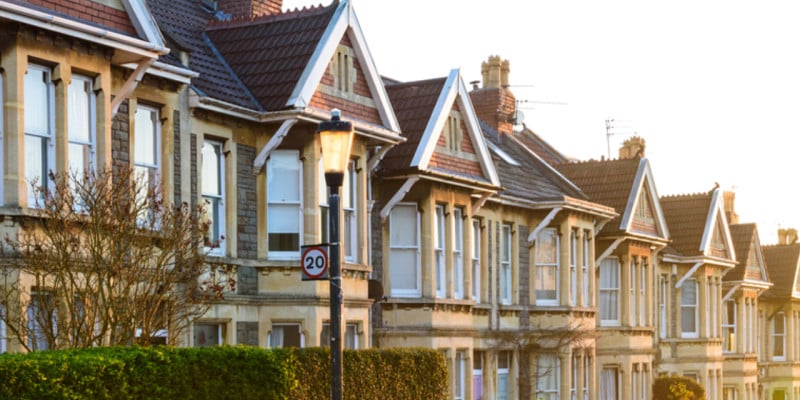 © shutterstock.com
Bristol, the largest city in southwest England and the eighth-largest in the UK, is home to a diverse population of over half a million people. It has become a favoured destination for expats due to its moderate climate, striking natural beauty, and the dynamic job market. Renowned for its vibrant multicultural atmosphere, Bristol hosts various social and cultural events throughout the year. The city and its picturesque surroundings offer a harmonious blend of cosmopolitan living, serene countryside escapes, and waterside lifestyles. If you're seeking an affordable and less crowded alternative to London in the UK, Bristol might be the perfect fit for you!
In this article
The Bristol expat guide
Comprehensive and free
Read it now
Types of accommodation in Bristol
In Bristol, your accommodation search will span apartments, different types of houses (e.g., semi-detached and detached), studios and rooms in shared accommodation, which remain most popular among students.
Join the Bristol community
Get regular tips and advice to make the most of your expat life
How to find accommodation in Bristol
Since the city's housing market is competitive, expats moving here should adopt a proactive approach:
- Sort all essential documents out - including references, proof of income and deposits ready.
- Subscribe for property alerts through multiple platforms and estate agent lists.
- Research thoroughly and meet agents in person, and build relationships with local agents.
- Be quick to visit properties, as good ones move fast in the current market.
- Respond and close deals promptly, don't delay if you find suitable accommodation.
- Consider emerging areas - look at up-and-coming areas for better value.
- Budget carefully and factor in recent price increases when setting your budget.
To search for where to live in Bristol, start with online platforms like the below:
- Rightmove: The UK's largest property portal with the most comprehensive listings
- Zoopla: Strong coverage with helpful area guides and price history
- SpareRoom: Excellent for house shares and rooms in shared accommodation
- OpenRent: Direct landlord platform, often with lower fees
- Gumtree: Mix of agents and private landlords, but requires more caution
Alternatively, the city has many established agents who know the market well. Reach out and connect with companies like Digs, CJ Hole, Andrews, and Leader, all of which have a strong, well-established presence across Bristol and know the city well.
Good to know:
Since Bristol's housing market is highly competitive, landlords are increasingly cautious about overpricing due to growing affordability concerns among tenants. As a result, tenant affordability checks have become more important than ever. It's important to have realistic expectations about what your budget can achieve and be prepared to act quickly when suitable properties become available.
Accommodation prices in Bristol
What makes a real difference when budgeting your life in Bristol compared to London is the cost of accommodation, which remains significantly less in Bristol despite recent increases.
According to current market data, for a single person in Bristol, you need about an average of £1,778 monthly rent plus living costs.
Rental prices in Bristol have seen steady growth over recent years. According to ONS, average rents in Bristol are around:
- One bedroom property: £1,157;
- Two bedrooms: £1,458;
- Three bedrooms: £1,653;
- Four or more bedrooms: £2,414.
The average property purchase price has also increased to approximately £378,000 as of mid-2025, with two-bedroom flats averaging around £300,000 to £350,000.
Average salaries in Bristol remain competitive, although specific 2025 figures vary by sector. With that said, Plumplot estimates the average salary in Bristol to be £46,000, which is actually higher than the country's average.
The cost-benefit ratio compared to London still makes Bristol an attractive option, particularly as commuting within Bristol remains faster and easier due to the city's manageable size and population.
The most popular neighbourhoods in Bristol
The city is divided into several distinct areas, catering to different budgets, tastes,and lifestyles. Lifestyle preferences have shifted over recent years, with many moving to the suburbs and voluntarily leaving the city for more indoor and outdoor space in their homes. This has increased demand in certain areas, pushing up rental prices for specific types of accommodation and particular locations.
Redcliffe and the City Centre
The city centre remains the most popular area in Bristol thanks to its bustling social life and concentration of businesses. Getting around the city is easy, thanks to the excellent transportation network here. However, accommodation can be costly. Redcliffe, a commercial hub, forms the core of the city centre, surrounded by the River Avon and the Floating Harbour. Here, you will admire medieval landmarks such as the Gothic-style St Mary Redcliffe Church and the 200-year-old iconic Temple Meads railway station. The area is in high demand, mainly due to ongoing waterfront developments.
Good to know:
St Mary Redcliffe Church is a Grade 1 listed building in Bristol. A Grade 1 building is a site of historical, architectural and national importance in the UK.
Totterdown
A reasonable option for living is Totterdown, especially for those seeking more affordable accommodation. This elevated urban village is located beside the train stations and has developed a reputation as a creative, artistic area. The area is known for its innovative spirit and has several excellent pubs. Surrounded by hills, Totterdown also boasts many colourful houses that create a unique ambience. The developing creative centre, referred to as Paintworks, provides excellent work–life balance thanks to its cultural space in a riverside industrial estate.
Good to know:
Totterdown is renowned for its iconic, brightly colored houses, Instagram-worthy graffiti, and whimsical artworks that can be found throughout the neighborhood.
Clifton
If you're looking for an area with large and beautiful terraced houses and squares, the Clifton suburb is the place to be. This area has many cultural attractions, including museums and art galleries. Clifton also comprises many boutiques and independent coffee shops, alongside Georgian symmetrical architecture, all of which make Clifton's streets worth exploring and discovering. The famous Clifton Suspension Bridge spanning the River Avon and the striking Avon Gorge remains this area's defining landmark, offering panoramic views and representing Bristol as a whole.
Good to know:
Avon Gorge has over 30 kinds of plants, making it one of the UK's best botanical gardens.
Montpelier and Kingsdown
Montpelier and Kingsdown continue to attract residents with their bohemian, multicultural and urban feel, offering stunning views across the city. Montpelier offers a similar standard of living to Clifton, but it is slightly cheaper. Kingsdown borders Montpelier and maintains a calmer atmosphere, characterised by its Georgian houses, cobbled streets and squares and an all-important view of Bristol.
Good to know:
Montpelier is a bohemian hotspot, home to several tea rooms and cosy cafés.
Redland and Cotham
Another popular place to live in Bristol is Redland and Cotham. Prices here are on the higher end, but the area's atmosphere and its conveniences justify the accommodation cost. It's close to some of Bristol's best schools, with several green spaces, picturesque spots and Victorian houses.
Good to know:
Most Redland and Cotham inhabitants are young families, couples and professionals. It's also popular with second- and third-year university students.
Other popular areas in Bristol include emerging regeneration areas like St. George, Easton, Horfield and Brislington, which are seeing increased investment and development.
Useful links:
The England expat guide
Updated in 2025, comprehensive and free
Read it now
Why live in Bristol
Living and working in Bristol means enjoying the coast and countryside either on foot or through the many cycle trails on the weekends. Some of the natural highlights that are easily accessible from Bristol are the Cotswolds' rolling hills, the coastlines of Cornwall and Devon and scenic Wales. The city is also renowned for its culinary scene, bustling nightlife, independent shops and unique festivals such as the Bristol International (hot air) Balloon Fiesta, Bristol Harbour Festival and Upfest, Europe's largest street art and graffiti festival.
Everyday life in Bristol is as calm as you want it to be. Bristol has a great community feel, and people are keen on volunteering their free time and skills. If you wish to give back to the community, check out Bristol's Second Step mental health charity.
If you are commuting, Bristol has two train stations: Bristol Temple Meads railway station serving the city centre and Bristol Parkway on the South Wales Main Line in the northern suburbs of Bristol. Rural Somerset and South Gloucestershire are easily accessible, meaning that you can live there to enjoy a peaceful lifestyle and commute to work in busier Bristol. On the weekends, you can even cycle to the historic city of Bath along the scenic Railway Path.
Good to know:
Llandoger Trow is the most famous pub in Bristol. This Tudor-style bar was initially used to accommodate pirates, soldiers and sailors and has many secret tunnels discovered during its refurbishment in the 1960s.
Useful links:
Bristol International Balloon Fiesta
ℹ️
We do our best to provide accurate and up to date information. However, if you have noticed any inaccuracies in this article, please let us know in the comments section below.

Comments
Essential services for your expat journey

Choose the best health insurance
Protect your health and get easy access to treatment for expats in Bristol.

Plan your international move
Facilitate your move to Bristol by getting a quote from our top rated movers.

Open a bank account that suits you
Discover the best international banks to manage your money securely.

International life insurance
Simple term-life insurance covering you & your family across borders
Further reading
Setting up a business in England
England, and the UK as a whole, is often recognised for its strong entrepreneurial spirit - earning it the ...
Study in England
England, or rather the UK as a whole, is renowned as being a top destination for higher education, home to ...
Settlement in England
Settling in England (or anywhere in the UK) opens doors to numerous opportunities for expatriates. It allows you ...
Getting married in England
Meeting that special person to tie the knot and spend the rest of your life with is such a huge milestone. Many ...
Accommodation in London
With a surface area of 1,572km² and thirty districts to choose from, London has thousands of homes available ...
Discover more
Join the Bristol community
Get regular tips and advice to make the most of your expat life
Hot topics on the Bristol forum
- Rental nightmares in England
- Student accommodation Bristol
- Buying a house
- Help this family of three decide where to live around Bath, England?
- Ancestral Visa for the UK
- Seeking hotel accommodation on June 29th
- Which City would you consider best to live and why?
- Hello Bournemouth
- Property prices in England
- Property prices in Bristol
- Italian moving to England
- Buying house in UK
- Looking for politically liberal country with quality health care.
- Moving to Surrey from Virginia
- Buying property in England
- Best areas to live in Bristol
- being in a relationship with a partner who’s different nationality
- Moving from US to Cotswolds