

Living in Aalborg: the ultimate expat guide
Everything you need to know for a successful life in Aalborg.
Aalborg, Denmark's fourth-largest city with approximately 124,000 residents, sits strategically on the Limfjord in Northern Jutland. This vibrant university city has transformed from an industrial center into a modern knowledge hub, anchored by Aalborg University, which contributes significantly to the city's international atmosphere and innovation ecosystem. The city boasts excellent infrastructure, a thriving cultural scene, and remarkable quality of life, consistently ranking among Europe's most livable cities. With its manageable size, waterfront revitalization, and strong business environment, Aalborg offers an appealing blend of urban amenities and Scandinavian tranquility. The cost of living is notably lower than Copenhagen or Aarhus, while salaries remain competitive. Aalborg's international community continues to grow, supported by excellent schools, efficient public services, and a welcoming local population.
5 Good Reasons to Move to Aalborg
- Affordable Nordic Living: Aalborg offers the lowest cost of living among Denmark's major cities, making quality Scandinavian life more accessible while maintaining high salaries.
- Innovation and Education Hub: Home to a world-ranked university and thriving tech ecosystem, with companies in renewable energy, IT, and life sciences creating diverse career opportunities.
- Work-Life Balance: Danish work culture emphasizes flexibility, with standard 37-hour workweeks, generous vacation policies, and strong family support systems.
- Excellent Connectivity: Direct flights to European hubs via Aalborg Airport, plus efficient train connections to Copenhagen and other major cities within Denmark.
- Rich Cultural Scene: From Viking heritage at Lindholm Høje to contemporary art at Kunsten Museum and the famous Jomfru Ane Gade nightlife district, Aalborg offers diverse experiences.
Working in Aalborg
Aalborg's employment market reflects Denmark's strong economic fundamentals, with diverse opportunities across traditional industries and emerging sectors. The city has evolved into a significant technology and innovation hub, complementing its industrial heritage. Aalborg University plays a crucial role in research and development, fostering close collaboration between academia and industry that drives job creation in knowledge-intensive sectors.
Key Industries and Employment Sectors
The region's economy is diversified across several strategic sectors. Energy and sustainability companies lead in renewable energy technologies, with notable firms like Blue World Technologies developing methanol fuel cell systems. The IT and software sector continues expanding, with companies specializing in IoT solutions, cloud services, and digital platforms. Manufacturing and maritime industries maintain strong presence, with Aalborg Industries and the Port of Aalborg supporting regional employment. The life sciences and health technology sector benefits from university research partnerships. Additionally, education, public services, and logistics provide stable employment opportunities. Major employers include Aalborg University, Aalborg Municipality, Trackunit, Asetek, and numerous innovative startups.
Work Permits and Professional Requirements
Non-EU/EEA citizens require a residence and work permit to work in Denmark. The Pay Limit Scheme is popular for skilled professionals earning above DKK 448,000 annually (approximately $65,000), offering a two-year renewable permit. The Fast-Track Scheme expedites applications for certified companies, typically processing within 30-60 days. The Positive List targets professions experiencing labor shortages. Applications are submitted through SIRI (Danish Agency for International Recruitment and Integration), requiring an employment contract, educational credentials, and valid passport. Application fees are approximately DKK 10,330 ($1,500). EU/EEA citizens can work freely but must register for an EU registration certificate within three months. Denmark has no statutory minimum wage; salaries are negotiated through collective agreements between unions and employers.
Employment Outlook and Salary Expectations
The employment situation in Aalborg remains robust. Denmark's national unemployment rate stands at approximately 2.6%, with Aalborg maintaining similarly low levels around 3%. The labor market shows particular demand for IT specialists, engineers, healthcare professionals, and skilled tradespeople. The business environment supports 133.99 businesses per 1,000 residents, reflecting strong entrepreneurial activity.
Employment Indicator | Aalborg / Denmark |
Unemployment Rate | Approximately 3% |
Average Gross Salary (Denmark) | DKK 395,500/year ($57,500) |
Average Net Monthly Salary (Aalborg) | DKK 22,526 ($3,280) |
Key Growth Sectors | IT, Energy, Life Sciences, Manufacturing |
Sources: Statistics Denmark, Happy City Index

Working in Aalborg
With a population of just over 200,000, Aalborg is Denmark's fourth-largest city. It is situated in northern Jutland and features a waterfront ...
Higher Education and Universities
Aalborg stands out as a prominent education destination in Northern Europe, primarily due to Aalborg University (AAU), which has established itself as a leading institution for problem-based learning and applied research. The university attracts approximately 20,000 students from around the world, creating a vibrant international academic community that enriches the city's cultural fabric.
Aalborg University Programs and Rankings
Founded in 1974, Aalborg University ranks among the top 350 globally according to QS World University Rankings 2026, with particularly strong rankings in engineering disciplines. The university is ranked 77th worldwide for Electrical Engineering and 39th for Petroleum Engineering. AAU operates across three campuses in Aalborg, Esbjerg, and Copenhagen, offering 89 undergraduate programs and 161 postgraduate programs, with many conducted entirely in English. The institution is renowned for its unique problem-based learning (PBL) approach, emphasizing interdisciplinary projects and real-world collaboration with industry partners. Key faculties include Engineering and Science, Social Sciences and Humanities, Medicine, and Business and Economics. Research strengths span renewable energy, wireless communication systems, computer science, and health technologies. The university maintains partnerships with leading institutions worldwide and is an active member of the European Consortium of Innovative Universities (ECIU).
Tuition Fees and Admission Requirements
Tuition policies at Aalborg University depend on citizenship status. EU/EEA citizens and Nordic residents study tuition-free at both undergraduate and graduate levels. Non-EU/EEA international students pay annual tuition ranging from DKK 57,200 to DKK 114,400 (approximately $8,300-$16,700), varying by program. Engineering and technical programs typically fall in the middle range around DKK 85,000 annually ($12,400). An application fee of approximately DKK 750 ($110) applies for non-EU/EEA applicants. Admission requirements include a relevant bachelor's degree for master's programs, with specific GPA and prerequisite course requirements varying by field. English proficiency is demonstrated through IELTS (minimum 6.5) or TOEFL (minimum 85). Application deadlines typically fall in early March for September intake. The university offers various scholarships for international students, though competition is high. Living costs for students in Aalborg average DKK 7,000-9,000 monthly ($1,020-$1,310), significantly lower than Copenhagen.
Student Life and Support Services
Aalborg University provides comprehensive support for international students, including orientation programs, dedicated international offices, and student housing assistance through the International Accommodation Office. The university operates extensive library facilities and modern research infrastructure. Student organizations and sports clubs, including Aalborg Studenternes Idrætsforening (AASI), offer opportunities for social integration and recreation. The compact city size means campus is well-connected to accommodation, shopping, and entertainment. Career services help students connect with regional employers through internships and job placements. The university's strong industry partnerships create excellent employment prospects for graduates, with many international students choosing to remain in Denmark after completion.
More information: Aalborg University Official Website, Tuition and Fees
Schooling for Children
Families relocating to Aalborg have access to excellent educational options, combining Denmark's renowned public school system with international alternatives designed for expatriate families. The Danish education system is compulsory until age 15 or 16, emphasizing child-centered learning, creativity, and social development alongside academic achievement.
International and Bilingual Schools
The primary international option is Skipper Clement International School, Aalborg's largest and longest-established international institution, founded in 2001. Located at Gammel Kærvej 28-31, close to Kildeparken and central transportation hubs, the school serves approximately 220 students across 11 year groups (ages 5-17). As a Cambridge Assessment International Education (CAIE) center, it implements the Cambridge curriculum for English, Mathematics, and Science, culminating in IGCSE examinations for students aged 14-16. All instruction is in English, with Danish taught from Year 1, Spanish introduced in Year 5, and German in Year 7. The school welcomes international families, returning Danish expatriates, and local families seeking international education. Facilities include science laboratories, art and music rooms, and a sports hall. The school maintains experienced native English-speaking teachers alongside Danish educators. Students are encouraged to complete the FSA Dansk exam at age 15-16 to facilitate transition to Danish upper secondary schools if desired. Annual tuition ranges approximately DKK 78,600-125,400 ($11,450-$18,270), with monthly payment options of DKK 6,550-10,450 available. Additional schools include Hasseris Gymnasium, which offers the International Baccalaureate Diploma Programme for older students.
Danish Public School System
The Folkeskole (public school) system provides free, high-quality education from grades 0-10 (ages 6-16). Danish schools emphasize holistic development, cooperative learning, and practical skills. For non-Danish-speaking children, schools provide Danish as Second Language support, typically achieving functional fluency within 1-2 years. Public schools offer excellent facilities, small class sizes, and limited homework in early years. Many expatriate families choose public schools for younger children to accelerate Danish language acquisition and cultural integration. The Kommune (municipality) assigns children to schools based on residential address, though some choice may be available.
Enrollment and Administrative Procedures
International school enrollment requires contacting the school directly, typically 6-12 months in advance for popular institutions. Required documents include previous school records, birth certificates, passport copies, and proof of residence. Waiting lists may exist for certain year groups at peak times. For public schools, families register with Aalborg Kommune after obtaining their CPR number (civil registration number). The municipality coordinates placement and provides guidance on Danish language support. Upper secondary education (ages 16-19) includes academic gymnasium programs, technical colleges, and vocational training, with many options offering international curricula. Extracurricular activities and after-school programs are readily available across both international and public schools.
More information: Skipper Clement International School, Danish International Schools Network
Housing and Neighbourhoods
Aalborg's housing market offers more affordable options compared to Copenhagen and other major Danish cities, while maintaining high quality standards and excellent infrastructure. The rental market serves both long-term residents and the significant student population, creating diverse accommodation options across various neighborhoods.
Rental Market and Average Costs
Rental prices in Aalborg vary significantly based on location, size, and condition. A one-bedroom apartment in the city center averages DKK 6,046 monthly ($880), while similar apartments outside the center cost approximately DKK 4,460 ($650). Three-bedroom apartments range from DKK 10,800 in central areas ($1,575) to DKK 7,770 in outer neighborhoods ($1,130). These figures represent approximately 20-30% lower costs than Copenhagen. Most rental agreements require a deposit of 3 months' rent, with the first month paid in advance. Utilities (electricity, heating, cooling, water, garbage) for a standard apartment average DKK 1,896 monthly ($276). Internet connectivity costs around DKK 338 monthly ($49) for high-speed unlimited data. The rental market includes both furnished and unfurnished options, with furnished apartments commanding 10-15% premiums. Rental contracts are typically annual with automatic renewal clauses. Tenant rights are strongly protected under Danish law.
Popular Neighborhoods for Expatriates
City Center (Midtbyen) offers maximum convenience with shops, restaurants, cultural venues, and excellent public transport. Properties here command premium prices but eliminate commuting needs. Vestbyen and the Waterfront (Fjordbyen) have undergone significant revitalization, transforming from industrial areas into attractive residential districts with modern architecture, cafes, and cultural spaces along the harbor promenade. Nørresundby, located north of the Limfjord, provides family-friendly neighborhoods with good schools and slightly lower costs while maintaining easy access via bridges and tunnels. The University District (around Sigrid Undsetsvej) features student housing and young families, with proximity to AAU campus and excellent cycling infrastructure. Hasseris and Vejgaard offer suburban settings with larger properties, gardens, and strong community atmosphere. Aalborg Øst balances urban amenities with green spaces and tends to attract international families due to proximity to international schools.
Finding Accommodation and Practical Tips
The primary platforms for apartment searches include Boligportal.dk, BoligZonen.dk, and DinBolig.dk. Aalborg University maintains an International Accommodation Office assisting incoming students and staff. Be prepared to act quickly when suitable properties appear, as competition exists for well-located apartments. Viewing appointments should be arranged promptly. Documentation required typically includes employment contract or proof of income, passport or CPR number, and references from previous landlords. International residents may need to provide 6-12 months rent in advance if lacking Danish credit history. Purchase prices for apartments average DKK 2,210 per square foot in the city center and DKK 1,755 outside, making Aalborg one of Denmark's more accessible property markets for buyers. Working with local real estate agencies like Home Aalborg or Nybolig can streamline the process, particularly for non-Danish speakers.
Sources: Numbeo Aalborg (September 2025 data)
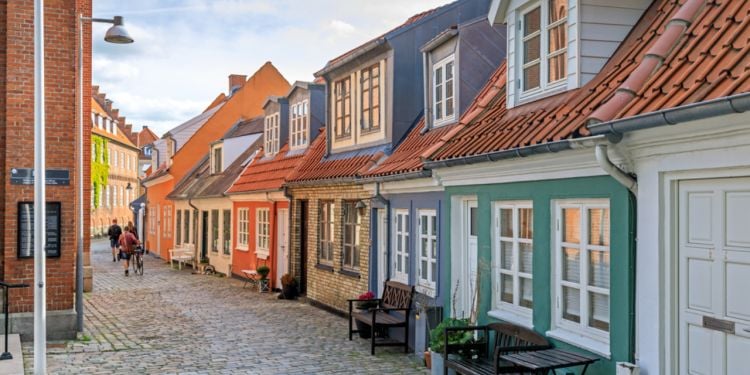
Accommodation in Aalborg
Aalborg is a prominent Danish city that is paving the way for research and education in the field of information and communication technology. ...
Leisure, Culture, and Things to Do
Aalborg's cultural landscape has flourished alongside its economic transformation, establishing the city as Northern Jutland's premier destination for arts, entertainment, and recreation. The blend of Viking heritage, contemporary architecture, vibrant nightlife, and family attractions creates diverse experiences for residents and visitors throughout the year.
Museums, Arts, and Cultural Venues
Kunsten Museum of Modern Art Aalborg, housed in a striking building designed by Finnish architect Alvar Aalto with a 2008 extension by Jean Nouvel, displays over 4,000 works primarily from post-1900 Danish and international artists. The museum's collection and rotating exhibitions make it one of Scandinavia's leading contemporary art institutions. The Utzon Center, designed by Danish architect Jørn Utzon (creator of Sydney Opera House), sits dramatically on the waterfront and hosts exhibitions on architecture, design, and creativity. The Aalborg Historical Museum showcases 1,000 years of local history, with the crown jewel being the Aalborgstuen, a remarkably preserved Renaissance interior from 1602. The Franciscan Monastery Museum (Gråbrødre Kloster Museum) takes visitors underground to explore medieval monastery ruins beneath street level. Lindholm Høje, one of Scandinavia's largest Viking burial sites, features over 700 graves marked by stone circles and ships, with an accompanying museum displaying artifacts and explaining Iron Age and Viking life. The modern Musikkens Hus (House of Music), designed by Coop Himmelb(l)au, contains four concert halls and hosts the Aalborg Symphony Orchestra, offering world-class performances in a stunning architectural setting.
Outdoor Activities and Recreation
Aalborg Zoo houses diverse species in naturalistic settings with year-round activities and seasonal decorations attracting families. The waterfront promenade (Fjordbyen) provides scenic walking and cycling paths along the Limfjord, dotted with cafes and public art installations. Kildeparken, landscaped in 1802, features classical sculptures and lush gardens ideal for relaxation. Egholm Island, accessible by a five-minute ferry, offers trails through meadows and forests perfect for hiking, cycling, and picnicking. The nearby beaches of Vestre Fjordpark attract swimmers and sunbathers during warmer months. Aalborg Tower (Aalborgtårnet), rising 55 meters, provides panoramic views across the city and fjord. The city maintains excellent cycling infrastructure, with dedicated bike lanes making bicycle exploration popular. Fitness enthusiasts find numerous gyms, with monthly memberships around DKK 278 ($40). The Aalborg Climbing Park offers aerial adventure courses, while various sports clubs welcome members for football, handball, badminton, and other activities.
Dining, Nightlife, and Social Scene
Aalborg's culinary scene ranges from traditional Danish fare to international cuisine. The city center features numerous restaurants offering everything from New Nordic gastronomy to Italian, Asian, and Middle Eastern options. Casual dining options include bistros, cafes, and bakeries. Jomfru Ane Gade stands as Denmark's most famous nightlife street, featuring over 30 bars, clubs, and pubs in a compact pedestrian zone. The street comes alive particularly on weekend evenings, attracting party-goers from across Northern Jutland and beyond. The diversity ranges from cocktail bars to dance clubs to traditional Danish pubs. The Aalborg Carnival, held annually in late May, ranks among Scandinavia's largest festivals, attracting approximately 100,000 participants with parades, live music, and street celebrations. The Aalborg International Film Festival and various music festivals throughout summer provide cultural enrichment. Shopping districts like Bispensgade and Algade combine international brands with local boutiques. Kennedy Arkaden shopping center offers comprehensive retail options. Weekly markets and the Aalborg Street Food venue provide casual dining and local atmosphere.
More information: Visit Aalborg, Kunsten Museum
Daily Life and Transportation
Daily life in Aalborg combines the efficiency and sustainability characteristic of Scandinavian cities with the warmth and manageable scale of a mid-sized urban center. The city's transformation from an industrial hub to a modern knowledge economy has created an attractive living environment that balances urban amenities with quality of life.
Public Transportation System
Aalborg's public transport network, operated by Nordjyllands Trafikselskab (NT), provides comprehensive coverage through an extensive bus system. The city's newest addition is the Plusbus BRT (Bus Rapid Transit) line, launched in 2023, featuring state-of-the-art double-articulated electric buses running every 7.5 minutes during peak hours. The 12-kilometer route connects key points including both main railway stations and the university campus. Standard buses operate from 5:00 AM to 11:00 PM with excellent frequency. A single bus ticket costs DKK 24 ($3.50), while monthly passes range from DKK 400-800 ($58-$116) depending on zones. The Rejsekort smart card provides discounted fares and works across Denmark's public transport systems. Aalborg Central Station offers regional rail connections with frequent trains to Copenhagen (journey time approximately 4.5 hours) and other Danish cities. Aalborg Airport, located just 6 kilometers northwest, provides direct flights to Amsterdam and Copenhagen, with onward connections to global destinations. Airport access via Bus 12 takes 10 minutes to the city center, or passengers can use the dedicated train connection. The compact city layout makes cycling extremely popular, with extensive protected bike lanes and bicycle parking throughout.
Lifestyle and Cultural Characteristics
Aalborg embraces typical Danish values of hygge (cozy contentment), work-life balance, and social equality. The standard workweek is 37 hours, with generous vacation allowances of 5-6 weeks annually. Danes value punctuality, direct communication, and informal social structures with minimal hierarchy. The city has earned recognition for resident happiness and quality of life, ranking among Europe's top cities. The harbor promenade (Fjordbyen) exemplifies successful urban renewal, transforming former industrial sites into vibrant public spaces with cafes, cultural venues, and recreational areas. Jomfru Ane Gade, Denmark's most famous nightlife street, features over 30 bars, clubs, and restaurants in a pedestrian zone, attracting visitors from across the region. Locals enjoy outdoor activities year-round, with parks, waterfront areas, and nearby beaches. The climate features mild winters with limited snow and pleasant summers averaging 20-23°C (68-73°F). Daylight varies dramatically by season, from long summer evenings to short winter days requiring adjustment for newcomers. Shopping includes both modern malls like Kennedy Arkaden and charming pedestrian streets with boutiques. Weekly farmers' markets and food halls showcase regional produce. Healthcare access is excellent through Denmark's public system, though registration with a GP (general practitioner) is required upon arrival. Digital infrastructure is outstanding, with widespread high-speed internet, contactless payments ubiquitous, and government services largely online through borger.dk.
More information: NT Transport, Transport in Aalborg
Cost of Living in Aalborg
Aalborg presents the most affordable cost of living among Denmark's major cities, according to Numbeo's Cost of Living Index, while maintaining the high quality standards expected throughout Scandinavia. The city scores 77.24 on the index, significantly below Copenhagen (83.15) and Aarhus (81.13), translating to tangible savings across housing, groceries, dining, and services. Despite lower costs, Aalborg residents enjoy comparable salaries to other Danish regions, enhancing purchasing power and overall financial well-being.
Monthly Budget for a Single Person
A single professional can maintain a comfortable lifestyle in Aalborg with thoughtful budgeting. Essential categories include accommodation, groceries, transportation, utilities, and discretionary spending. Cooking at home versus frequent dining out significantly impacts total expenses. The estimates below reflect moderate consumption patterns with occasional restaurant visits and regular social activities.
Expense Category | Monthly Cost (DKK) | Monthly Cost (USD) |
Rent (1-bedroom, outside center) | 4,460 | 650 |
Utilities (electricity, heating, water) | 1,896 | 276 |
Groceries and household items | 2,500 | 364 |
Public transport (monthly pass) | 458 | 67 |
Internet and mobile phone | 424 | 62 |
Restaurants and entertainment | 1,200 | 175 |
Fitness/leisure activities | 278 | 40 |
Miscellaneous and savings | 1,000 | 146 |
TOTAL | 12,216 | 1,780 |
Sources: Numbeo Aalborg (September 2025)
Monthly Budget for a Family of Four
Families relocating to Aalborg should anticipate higher housing costs, education expenses (if choosing international schools), and increased grocery budgets. The calculation below assumes a three-bedroom apartment outside the city center, two children attending international school, and moderate lifestyle with occasional dining out and family activities.
Expense Category | Monthly Cost (DKK) | Monthly Cost (USD) |
Rent (3-bedroom, outside center) | 7,770 | 1,132 |
Utilities (electricity, heating, water) | 2,500 | 364 |
Groceries and household items | 5,500 | 801 |
International school (2 children) | 18,000 | 2,622 |
Transportation (2 monthly passes) | 916 | 133 |
Internet, mobile phones | 600 | 87 |
Restaurants and family activities | 2,500 | 364 |
Healthcare and insurance | 1,500 | 218 |
Miscellaneous and savings | 2,000 | 291 |
TOTAL | 41,286 | 6,012 |
Note: Families choosing Danish public schools (free) will reduce monthly expenses by approximately DKK 18,000.
Sources: Numbeo Aalborg, Skipper Clement School
In Short
Aalborg emerges as an outstanding choice for international relocation, combining Denmark's exceptional quality of life with remarkable affordability compared to other Scandinavian cities. The city's transformation into a knowledge and innovation hub, anchored by a world-ranked university and thriving technology sector, creates abundant career opportunities while maintaining the welcoming atmosphere of a mid-sized community. Excellent schools, efficient public services, vibrant cultural offerings, and strong work-life balance define daily life. The waterfront renaissance, Viking heritage, and legendary nightlife add character beyond the professional sphere. Whether launching a career, raising a family, or seeking new adventures, Aalborg delivers authentic Nordic living without the premium costs of Copenhagen or Oslo. Connect with fellow expatriates and discover insider tips by joining the Aalborg forum on Expat.com, where the community shares experiences and advice for making your transition smooth and successful.
We do our best to provide accurate and up to date information. However, if you have noticed any inaccuracies in this content, please contact us.


Essential services for your expat journey