Living in Hoi An: the ultimate expat guide
Everything you need to know for a successful life in Hoi An.
Hoi An is an enchanting coastal town in central Vietnam, located approximately 30 km south of Da Nang in Quang Nam Province. With a population of around 152,000 residents, this former trading port offers an exceptional quality of life that attracts expatriates from around the world. Designated a UNESCO World Heritage Site in 1999, Hoi An seamlessly blends centuries-old architecture with modern amenities, creating an atmosphere unlike anywhere else in Southeast Asia.
Why Expats Choose Hoi An
The town's appeal lies in its manageable size, affordable cost of living, and strong sense of community. Unlike the bustling metropolises of Hanoi or Ho Chi Minh City, Hoi An offers a slower pace while still providing access to essential services through nearby Da Nang. The Ancient Town features over 1,100 historic timber-frame buildings, lantern-lit streets, and a car-free center perfect for walking and cycling.
5 Good Reasons to Move to Hoi An
- Exceptional affordability – Monthly living costs range from USD 600 to USD 900 for a single person, significantly lower than major Asian cities.
- Beach lifestyle – Pristine beaches like An Bang and Cua Dai are just minutes from the town center.
- Tight-knit expat community – A welcoming mix of digital nomads, retirees, entrepreneurs, and families.
- Rich cultural heritage – UNESCO-protected architecture, traditional crafts, and vibrant festivals throughout the year.
- Strategic location – Easy access to Da Nang International Airport and proximity to other UNESCO sites including My Son Sanctuary and Hue Imperial City.
Working in Hoi An: Opportunities in Tourism and Remote Work
Hoi An's economy is primarily driven by tourism, hospitality, and creative industries. While traditional employment opportunities exist, the town has become particularly attractive to digital nomads, remote workers, and entrepreneurs who establish businesses catering to tourists and fellow expatriates.
Employment Landscape
The local job market centers on tourism-related services, including hotels, restaurants, tour operators, and the famous tailoring industry. Teaching English remains a popular option for expatriates, with positions available in language centers and international schools. Many expats have successfully launched their own ventures, from boutique hotels and art galleries to cafes and design studios.
Work Permits and Legal Requirements
To work legally in Vietnam, foreign nationals require a work permit issued by the Department of Labor, Invalids and Social Affairs. Applicants must demonstrate relevant qualifications—either a bachelor's degree with 3 years of experience or 5 years of professional experience in their field. Work permits are valid for up to 2 years and may be renewed once. The processing typically takes 15-20 working days, and employers must sponsor the application.
Key Employment Indicators
The following table provides an overview of employment conditions in the Hoi An and Quang Nam region:
Regional unemployment rate | 2.1% (Quang Nam Province, 2024) |
Average expat salary (Vietnam) | USD 78,000 per year |
Main economic sectors | Tourism, hospitality, handicrafts, education |
Sources: General Statistics Office of Vietnam, William Russell Expat Survey 2025
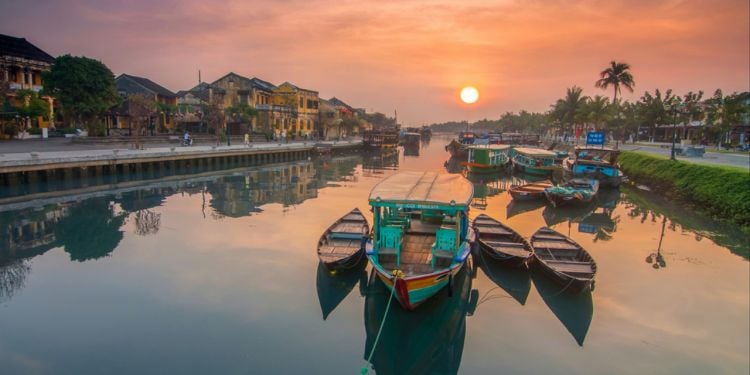
Working in Hoi An
Hoi An is a bustling tourism hub and might be a calling to expats seeking the joys of fresh connections or providing information to tourists passing ...
Higher Education Near Hoi An: Universities and International Programs
While Hoi An itself does not host major universities, the nearby city of Da Nang (30 km north) offers comprehensive higher education options. Da Nang has emerged as an educational hub for central Vietnam, welcoming international students seeking quality programs at affordable costs.
University of Da Nang
The University of Da Nang (UD) is the largest university in central Vietnam, comprising 11 member institutions with approximately 55,000 students. In the 2024-2025 academic year, the university trained 1,263 international students from 38 countries, representing a 5.8% increase from the previous year. Students come primarily from Laos, China, Korea, Japan, and Thailand.
UD offers undergraduate, master's, and doctoral programs across engineering, technology, economics, education, and foreign languages. The university holds 24 internationally accredited programs and has been recognized by the French High Council for Evaluation of Research and Higher Education (HCÉRES).
VNUK Institute for Research and Executive Education
A standout option for international students, VNUK is Vietnam's first public international university established jointly between the governments of Vietnam and the United Kingdom. Located in central Da Nang, VNUK offers English-language undergraduate programs in:
- Biomedical Science
- Computer Science and Engineering
- International Business Management
Admission Requirements
International students typically need a high school diploma, proof of English proficiency (IELTS 5.5 or equivalent), and supporting documents including health certificates and financial statements. Tuition fees remain affordable compared to Western institutions, and the university's International Office assists with student visa (DH) applications.
Sources: University of Da Nang, VNUK Institute
Retiring in Hoi An: A Growing Destination for Golden Years
Hoi An has emerged as an increasingly popular retirement destination, attracting expatriates seeking an affordable, culturally rich, and relaxed lifestyle. The town's combination of low costs, scenic beauty, and welcoming community makes it particularly appealing for those in their golden years.
Visa Options for Retirees
Vietnam does not currently offer a dedicated retirement visa. However, several alternatives allow long-term residence:
- E-Visa (90 days) – The most common option, requiring "visa runs" (leaving and re-entering the country) every three months. As of 2025, there are no official limits on consecutive visa runs.
- Investor Visa (DT) – Available for those making qualifying investments in Vietnam, valid for up to 5 years. Minimum investment thresholds range from VND 50-100 billion depending on the sector.
- Spouse/Family Visa – Those married to Vietnamese citizens can obtain a 5-year visa exemption.
A 10-year Golden Visa has been announced for potential launch in 2025, which could provide a more stable long-term option for retirees.
Healthcare Considerations
While Hoi An has basic medical facilities, serious healthcare needs are typically addressed in Da Nang, which hosts modern private hospitals with English-speaking staff. International health insurance is strongly recommended, with annual premiums typically ranging from USD 800-2,000 depending on age and coverage level. A basic private consultation costs approximately USD 30-60.
Retirement Budget
Most retirees report living comfortably in Hoi An on USD 1,000-1,500 per month, including rent, healthcare, dining out, and leisure activities. Those seeking a more luxurious lifestyle with villa accommodation and frequent travel should budget USD 2,500-4,000 monthly.
Sources: Expat Den, DI Travel Vietnam
Schools in Hoi An: International Education for Expat Families
Hoi An offers several quality schooling options for expatriate families, ranging from established international schools following recognized curricula to smaller boutique institutions. The presence of a substantial expat community has driven the development of educational facilities that meet international standards.
Hoi An International School (HAIS)
Hoi An International School is widely considered the leading educational institution in central Vietnam for international families. The school follows the Cambridge International Curriculum, taught in over 10,000 schools across 160 countries. HAIS caters to students aged 2 to 18 years and welcomes children from more than 20 nationalities.
The school offers both International and Bilingual (English-Vietnamese) programmes. Secondary students can pursue IGCSE examinations. Annual tuition for the International Programme is approximately VND 238,800,000 (around USD 9,500), with additional one-time enrollment fees for new students. A school bus service operates between Da Nang and Hoi An.
Other Educational Options
Palm River Academy offers a smaller, more personalized learning environment following the Cambridge curriculum, with hands-on projects and innovative teaching methods including cooking classes.
Odyssey International School (formerly Green Shoots) provides an eco-friendly campus experience with programs for students aged 3-14. The school emphasizes sustainability, creativity, and confidence-building.
For families based in Da Nang, additional options include APU American International School and Singapore International School, the latter holding WASC accreditation.
School Fees Overview
HAIS (International Programme) | VND 180-240 million/year (USD 7,200-9,600) |
HAIS (Bilingual Programme) | VND 120-150 million/year (USD 4,800-6,000) |
Singapore International School (Da Nang) | USD 12,000-14,000/year |
Sources: Hoi An International School, International Schools Database
Housing in Hoi An: Neighborhoods, Rentals, and Prices
Hoi An offers diverse housing options ranging from traditional Vietnamese homes and modern apartments to beachfront villas with private pools. The rental market is accessible and affordable compared to other expat destinations in Southeast Asia, with properties available through local agents, Facebook groups, and dedicated websites.
Popular Expat Neighborhoods
An Bang Beach has become the preferred area for many long-term expatriates. Located approximately 4 km from the Ancient Town, this coastal neighborhood offers a mix of local village atmosphere and beach lifestyle. The area features cafes, restaurants, and a morning market, with rice fields providing a natural buffer from tourist crowds.
Cam Thanh appeals to nature lovers and families seeking tranquility. Known for its coconut palm groves and the famous Bay Mau Coconut Forest, this area offers eco-friendly accommodations and easy access to both the beach and town center.
Cam Chau sits between the Ancient Town and the beach, offering the best of both worlds. This ward combines urban convenience with rice paddy views and is particularly popular among digital nomads for its cafes and coworking options.
Old Town (Cam Pho) places residents at the heart of the heritage area, though prices are higher and space more limited.
Rental Prices
The following table shows typical monthly rental costs in Hoi An:
Studio/1-bedroom apartment | USD 250-400/month |
2-bedroom house | USD 400-700/month |
3-bedroom villa with pool | USD 1,000-1,500/month |
Luxury villa (Casamia area) | USD 2,000-3,500/month |
Most rentals come fully furnished with air conditioning, Wi-Fi, and basic appliances. Landlords typically require one to two months' deposit. Facebook groups such as "Hoi An Rental Property" and websites like hoianhouse.com are excellent resources for finding accommodation.
Sources: Nha Toi Real Estate, local rental listings 2024-2025
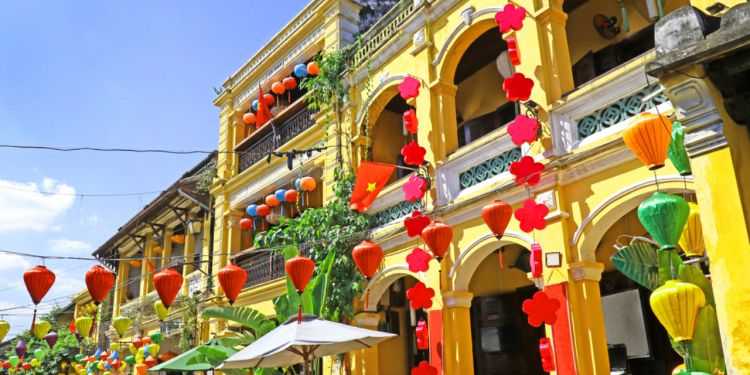
Accommodation in Hoi An
Hoi An will pop up in your research of Vietnam for its colorful pictures of the UNESCO Heritage Old Town, and proximity to the beach. This beach town ...
Leisure and Culture: Things to Do in Hoi An
Hoi An offers an exceptional variety of cultural, recreational, and social activities. From exploring UNESCO heritage sites to relaxing on pristine beaches, residents enjoy experiences that blend Vietnamese traditions with international influences.
Heritage and Cultural Attractions
The Ancient Town itself is the primary attraction, featuring over 1,100 historic buildings. Must-see sites include the iconic Japanese Covered Bridge (built in the 17th century), the Fujian Assembly Hall, and the Tan Ky Old House—a preserved 18th-century merchant residence. Entry to heritage sites requires an Old Town ticket (VND 120,000/USD 5), valid for five attractions.
The monthly Lantern Festival (full moon nights) transforms the town into a magical display of colored lanterns, with traditional music, games, and floating paper lanterns on the river.
Outdoor Activities
An Bang Beach and Cua Dai Beach offer swimming, sunbathing, and water sports including paddleboarding and kayaking. Beach bars and seafood restaurants line the shore.
The Bay Mau Coconut Forest in Cam Thanh provides basket boat tours—a unique Vietnamese experience navigating traditional round boats through palm-lined waterways.
Cycling through the surrounding countryside, past rice paddies and traditional villages like Tra Que Vegetable Village, offers peaceful exploration and photo opportunities.
Day Trips and Excursions
My Son Sanctuary (40 km) – UNESCO World Heritage Hindu temple complex from the Champa Kingdom, dating to the 4th-13th centuries.
Cham Islands (15 km offshore) – A UNESCO Biosphere Reserve offering snorkeling, diving, and pristine beaches accessible by speedboat.
Marble Mountains (near Da Nang) – Limestone peaks with caves, pagodas, and panoramic coastal views.
Food and Nightlife
Hoi An is famous for local specialties including Cao Lau (noodles), White Rose dumplings, and Banh Mi—the sandwich made legendary by Madam Khanh's shop. Cooking classes are popular, often including market tours. Nightlife centers on An Hoi's riverside bars and An Bang's beach establishments.
Sources: UNESCO World Heritage Centre, Vietnam Tourism
Daily Life in Hoi An: Transportation, Lifestyle, and Practicalities
Daily life in Hoi An moves at a relaxed pace that many expatriates find refreshing after life in busier cities. The town's compact size, combined with its scenic environment, creates an atmosphere conducive to outdoor living and community connection.
Getting Around
The primary mode of transportation in Hoi An is the motorbike or scooter. Monthly rentals cost approximately USD 40-60 for a basic model. The Ancient Town itself is largely car-free, making walking and cycling ideal for exploring the historic center.
For those uncomfortable driving, Grab (ride-hailing app) offers both motorbike (GrabBike) and car options at affordable rates. A typical GrabBike journey within town costs VND 15,000-30,000 (less than USD 1.50). Traditional taxis are also available.
Traveling to Da Nang takes approximately 30-40 minutes by motorbike or car. Da Nang International Airport provides domestic connections throughout Vietnam and international flights to regional destinations.
Everyday Essentials
Hoi An features several morning markets where residents purchase fresh produce, meat, and seafood at local prices. The An Bang morning market is particularly popular among expats. For imported goods and Western products, residents typically travel to Da Nang's supermarkets such as Big C, Lotte Mart, or Vinmart.
Banking services are available through Vietnamese banks with ATMs throughout town. Mobile internet is reliable and affordable—a monthly data plan costs approximately VND 100,000-200,000 (USD 4-8).
Climate Considerations
Hoi An experiences a tropical monsoon climate. The dry season (February-August) offers warm weather ideal for beach activities. The rainy season (September-January) brings heavy rainfall, and the town is susceptible to flooding during typhoons, particularly in October-November. Many long-term residents travel during peak monsoon months.
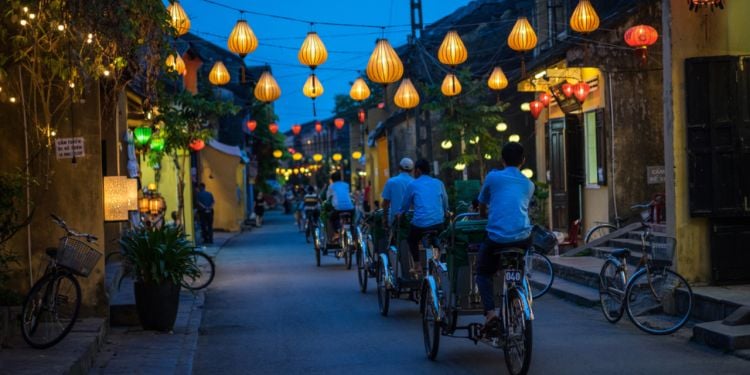
Discover Hoi An
Located in the province of Quang Nam, a short 30 km south of Da Nang, Hoi An is a popular tourist destination. Hoi An is considered a living museum, ...
Cost of Living in Hoi An: Budgets for Singles and Families
Hoi An ranks among the most affordable destinations for expatriates in Southeast Asia. The cost of living is approximately 10-20% lower than Da Nang and significantly cheaper than Ho Chi Minh City or Hanoi. This affordability allows residents to enjoy a comfortable lifestyle on modest budgets.
Monthly Budget for a Single Person
The following table outlines estimated monthly expenses for a single expatriate living a comfortable lifestyle in Hoi An:
Expense Category | Monthly Cost (USD) |
Rent (1-bedroom apartment) | 250-400 |
Utilities (electricity, water, internet) | 50-80 |
Groceries and dining | 200-350 |
Transportation (scooter rental, fuel) | 50-80 |
Health insurance | 70-150 |
Leisure and entertainment | 100-200 |
Total | 720-1,260 |
Monthly Budget for a Family of Four
Expense Category | Monthly Cost (USD) |
Rent (3-bedroom house/villa) | 700-1,200 |
Utilities | 100-150 |
Groceries and dining | 400-600 |
Transportation | 100-150 |
International school fees (2 children) | 1,200-1,600 |
Health insurance (family) | 200-400 |
Leisure and activities | 200-300 |
Total | 2,900-4,400 |
Sources: Numbeo, Expatis Vietnam, local expat surveys 2024-2025
In Short
Hoi An offers a rare combination of UNESCO-protected heritage, pristine beaches, and an affordable cost of living that few destinations can match. Whether you're a digital nomad seeking inspiration in lantern-lit streets, a family looking for quality education amid a tight-knit community, or a retiree drawn to the relaxed coastal lifestyle, this ancient trading port welcomes newcomers with open arms. The town's manageable size creates genuine connections, while nearby Da Nang provides access to modern amenities and international flights. Living costs that allow comfort on USD 800-1,200 monthly mean focusing on experiences rather than expenses. Ready to explore life in Hoi An? Connect with fellow expatriates and get personalized advice on the Expat.com Hoi An forum.
We do our best to provide accurate and up to date information. However, if you have noticed any inaccuracies in this content, please contact us.